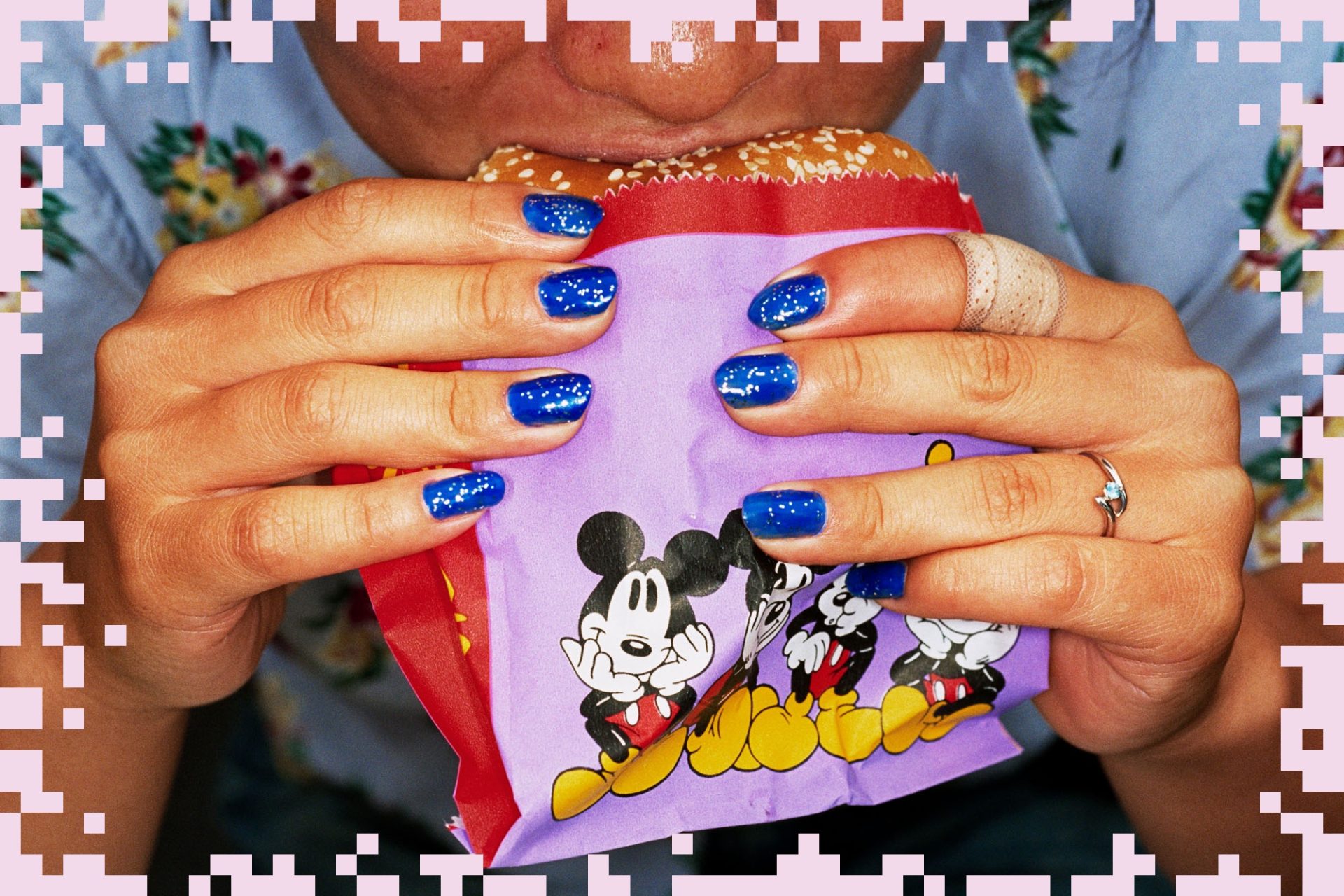
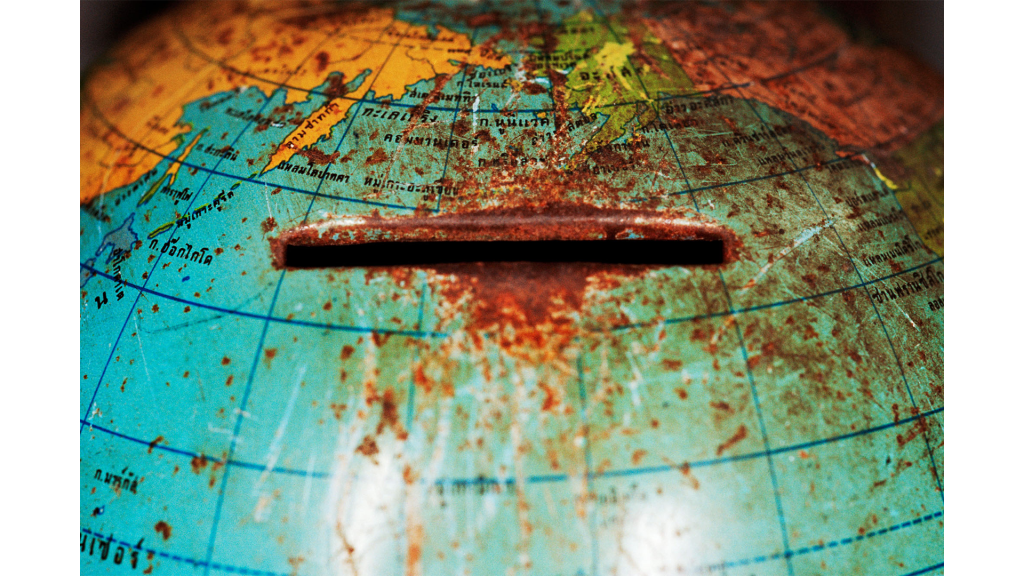
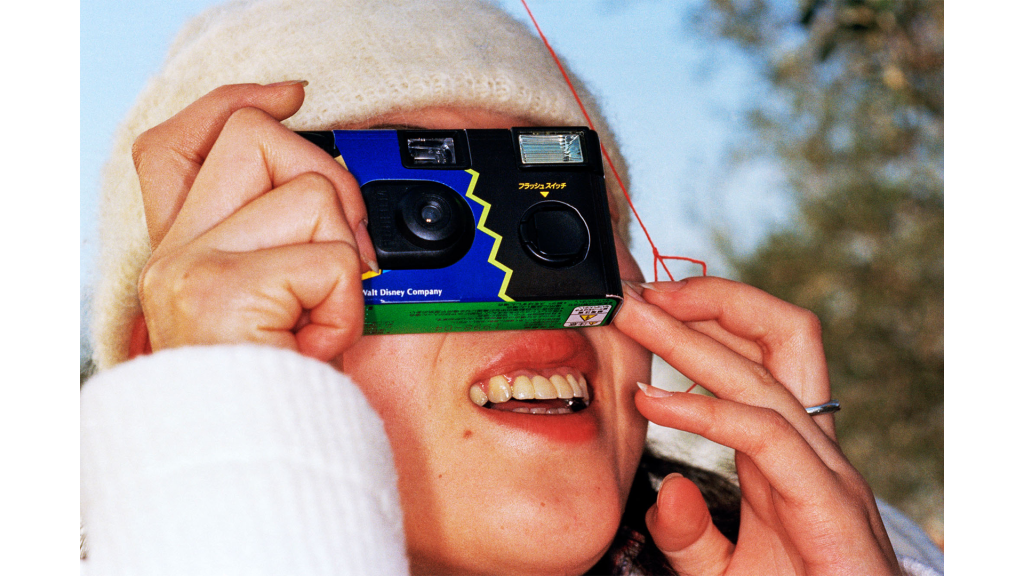
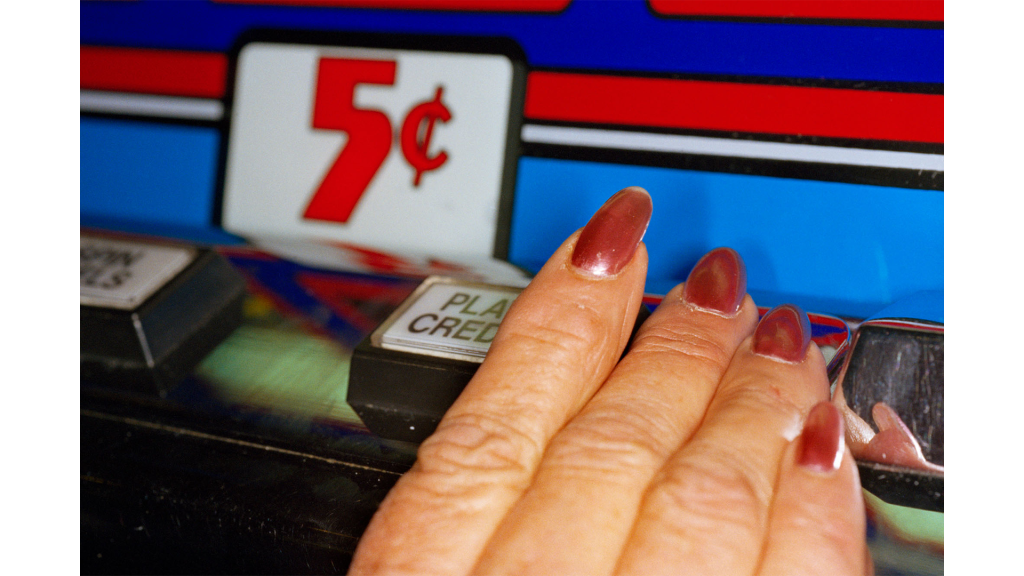
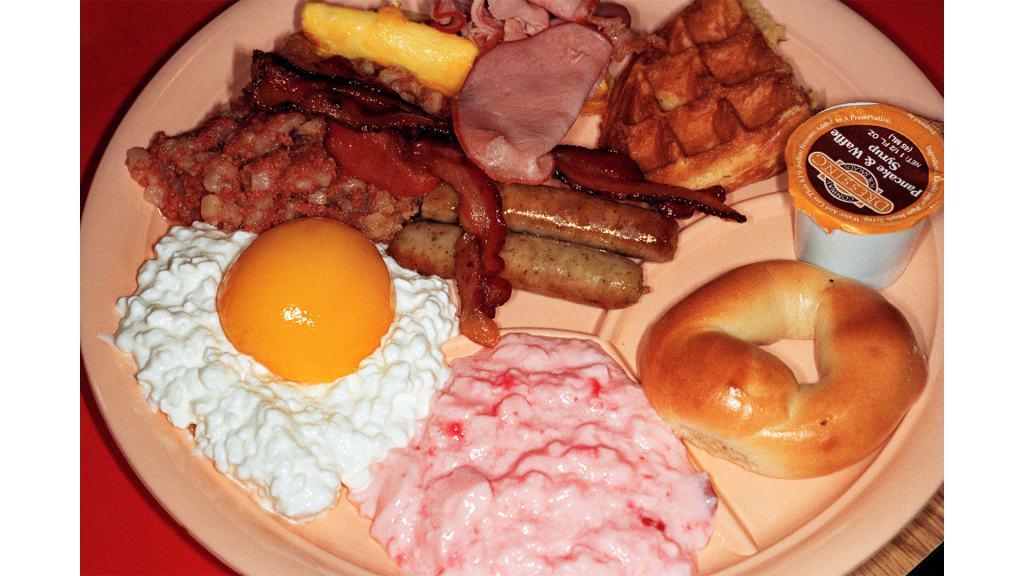
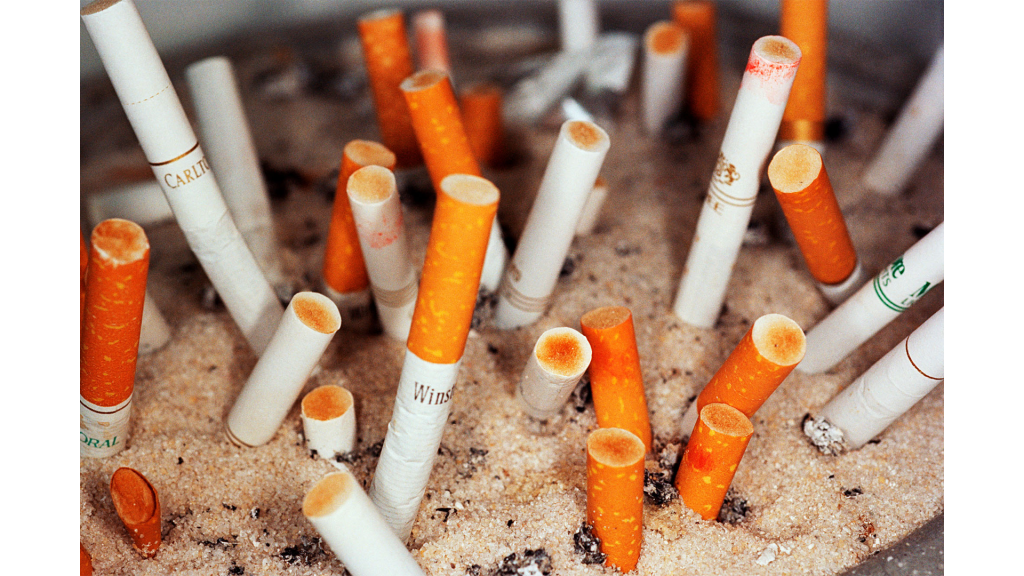
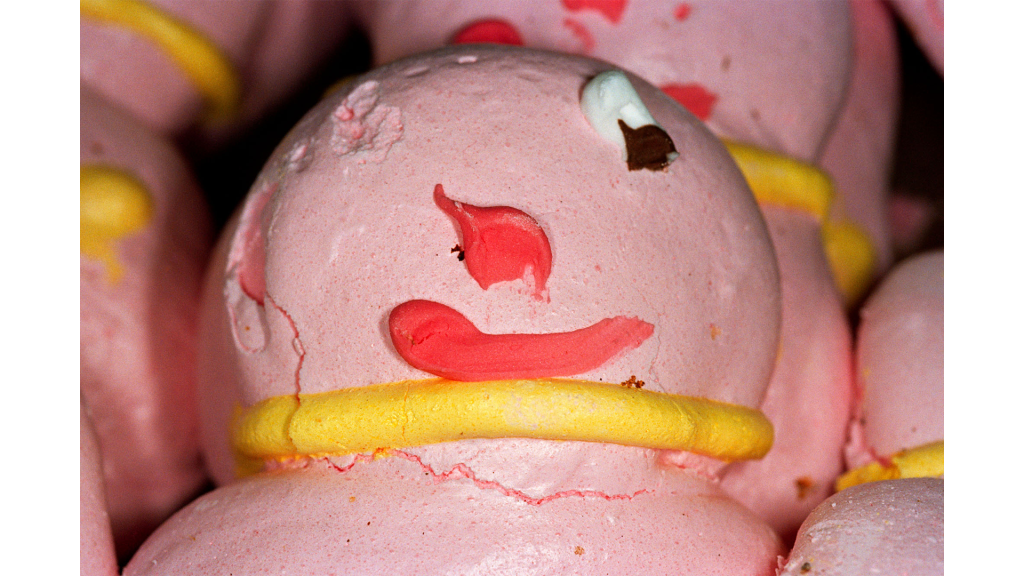
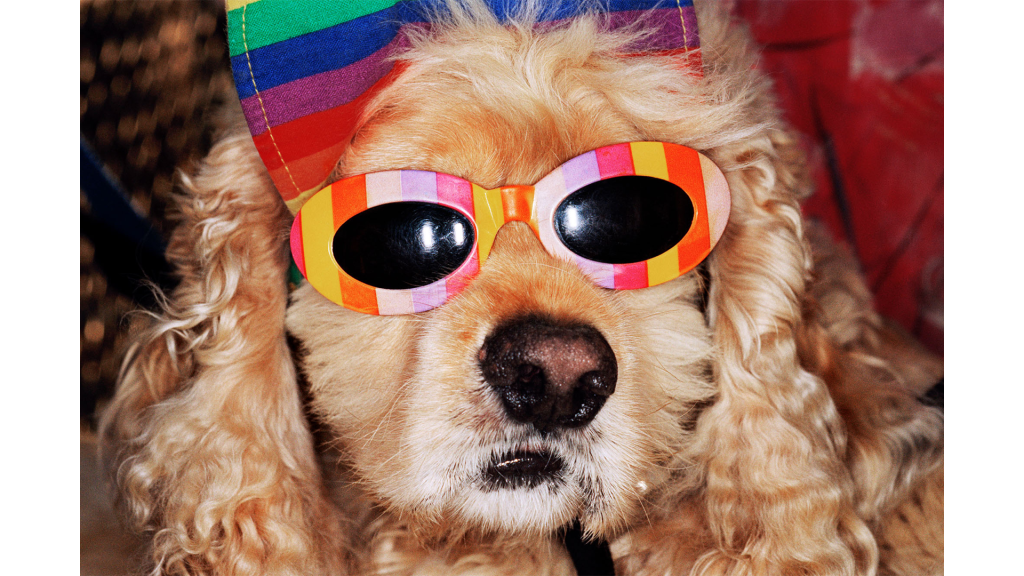
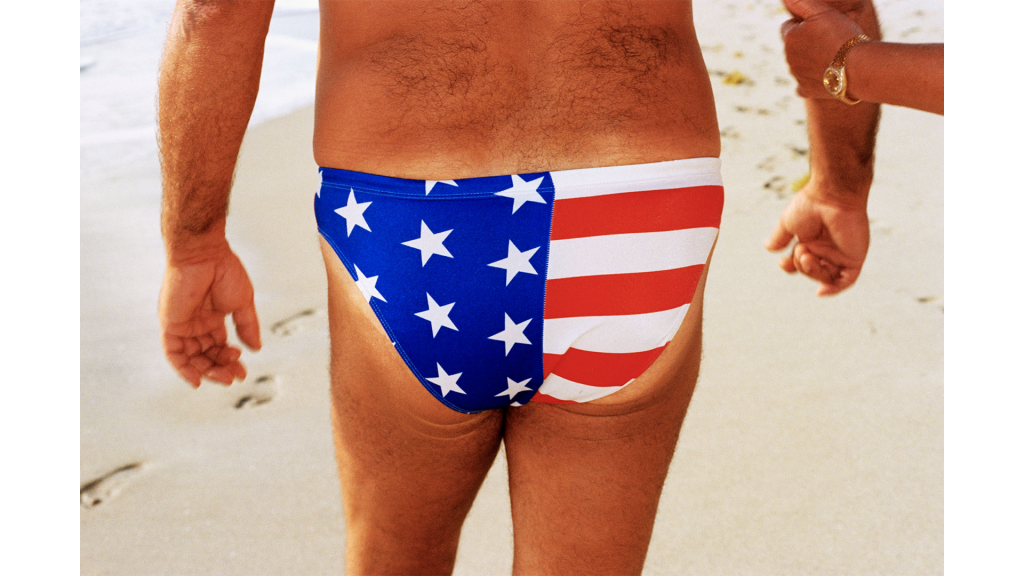
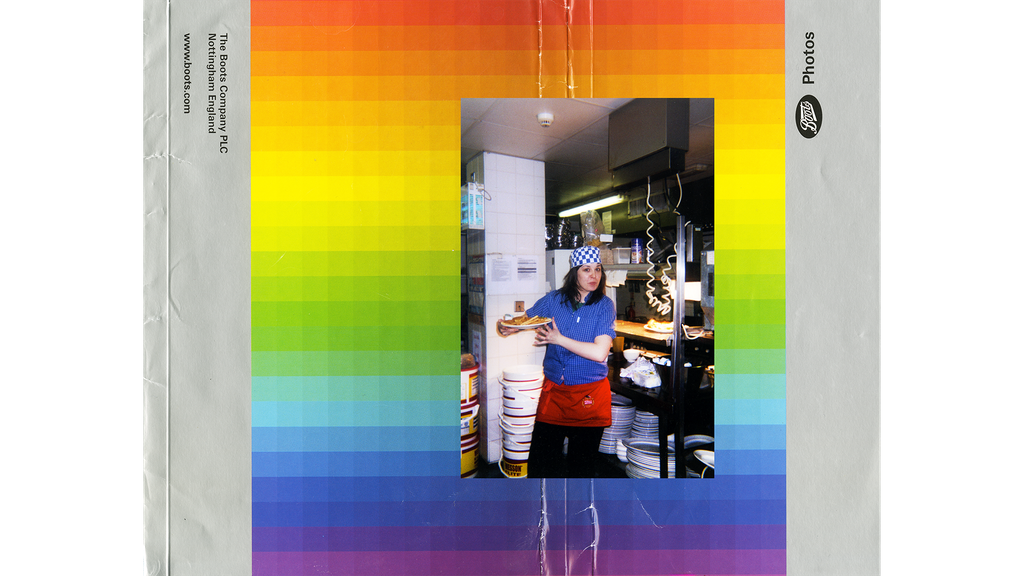
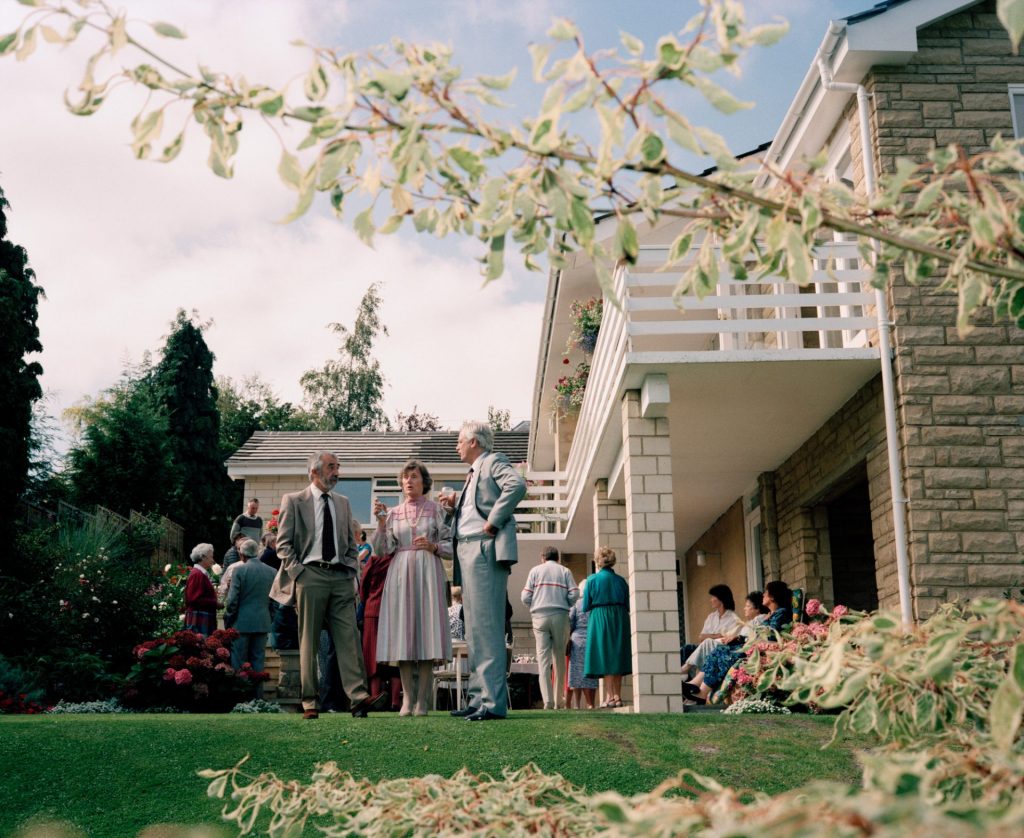
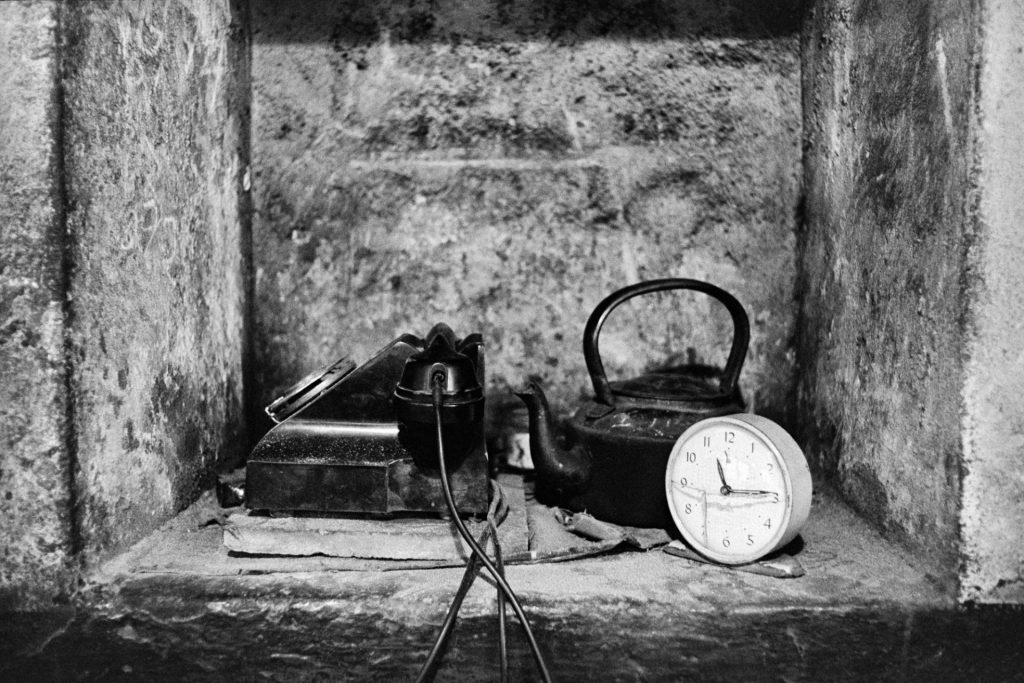
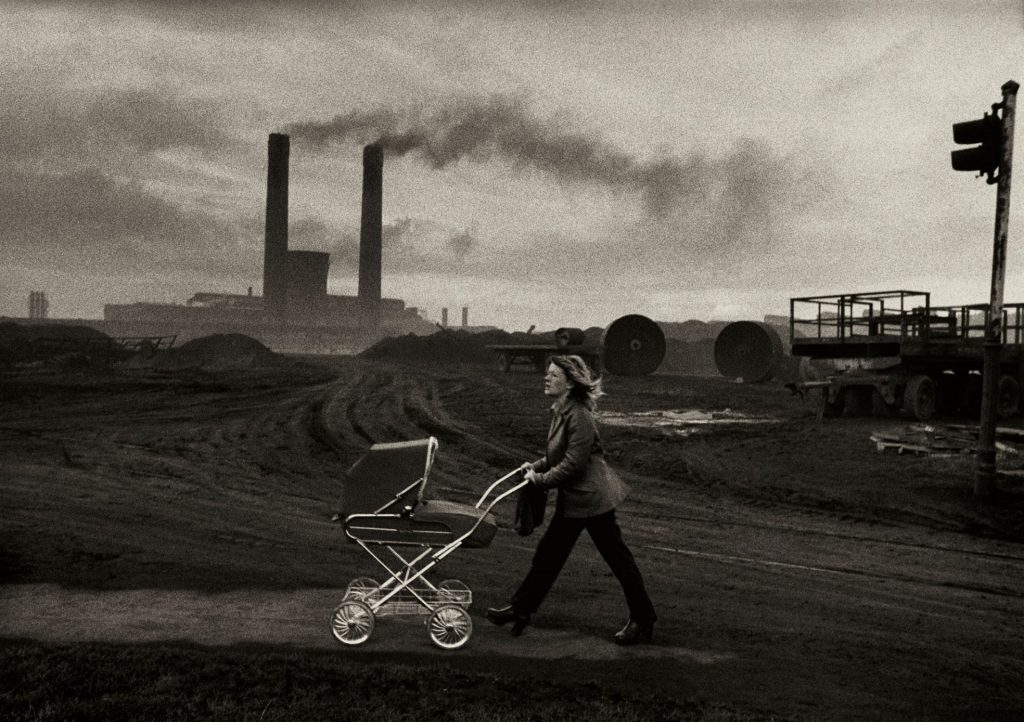
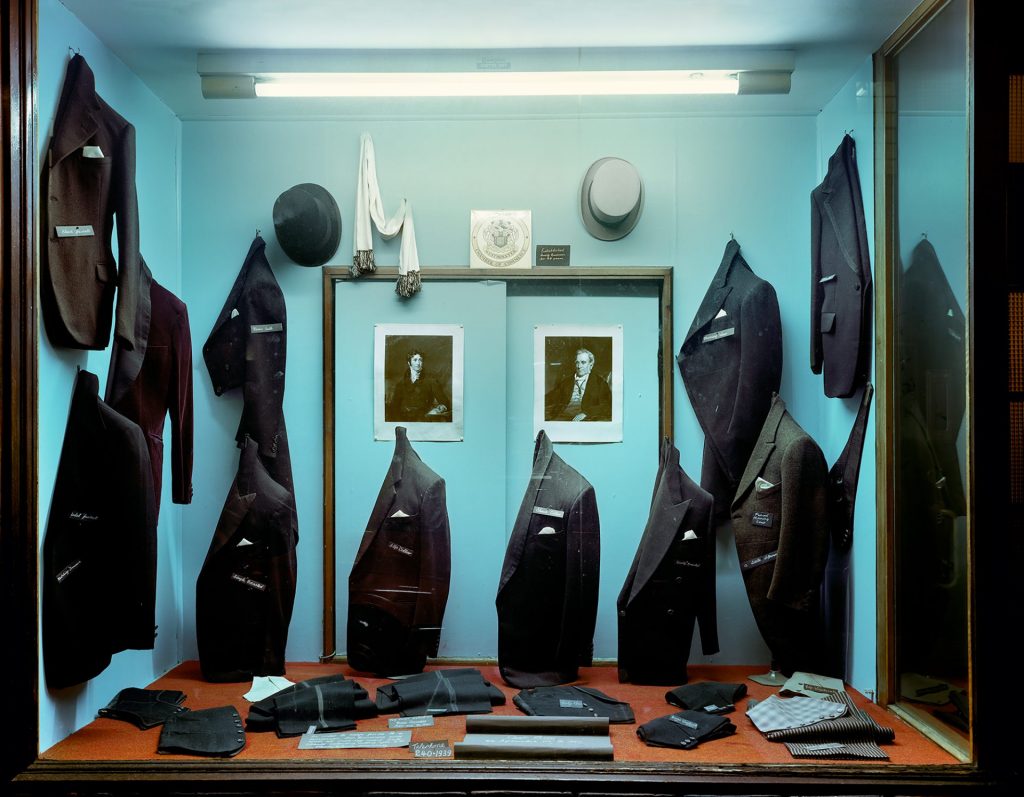
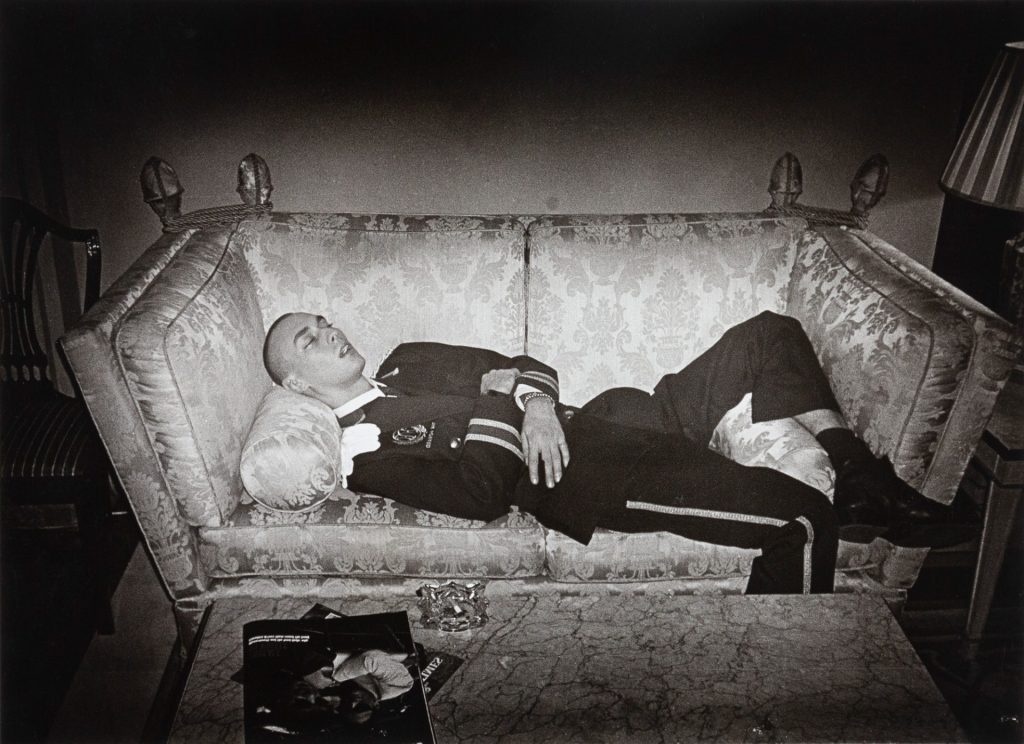
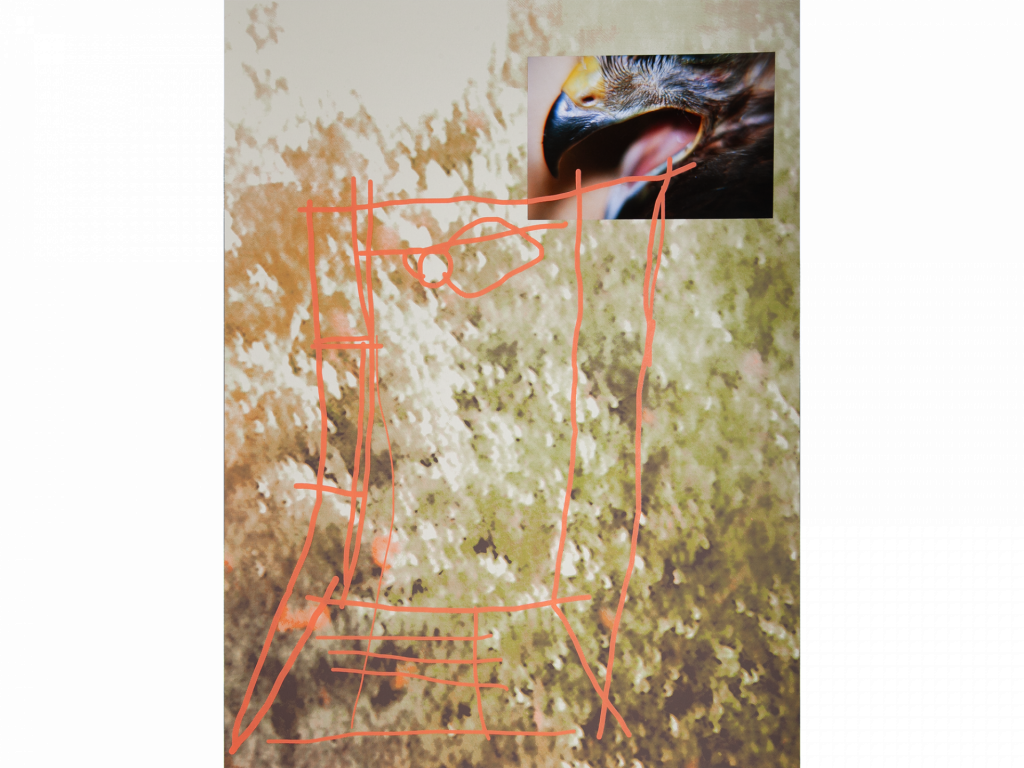
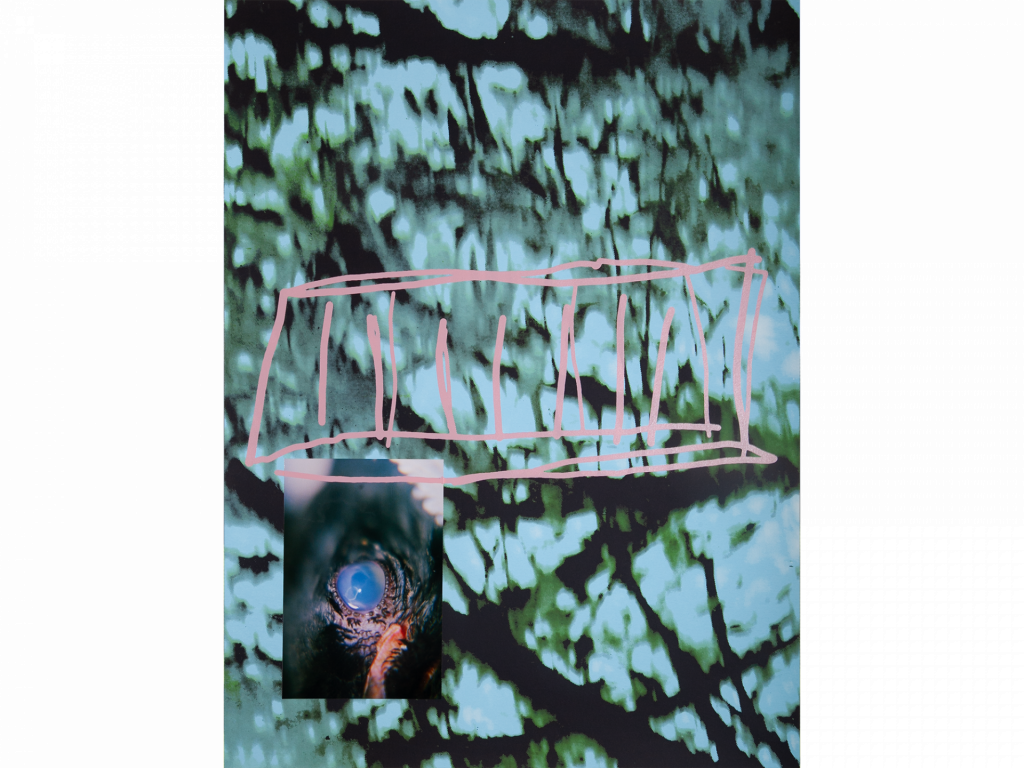
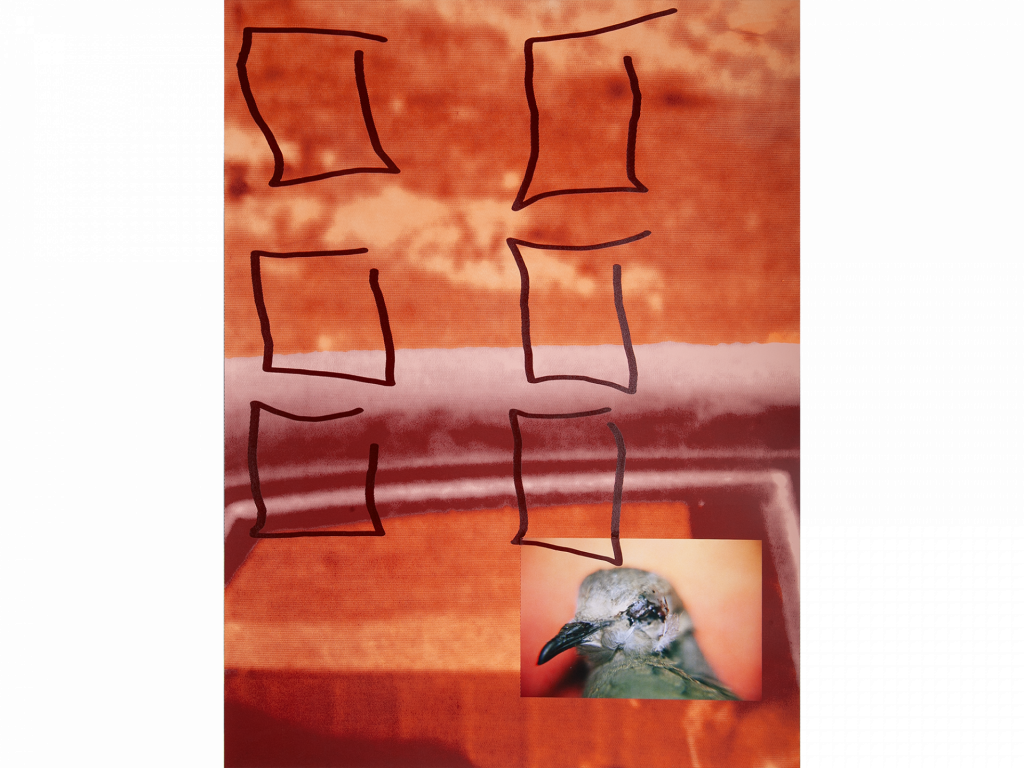
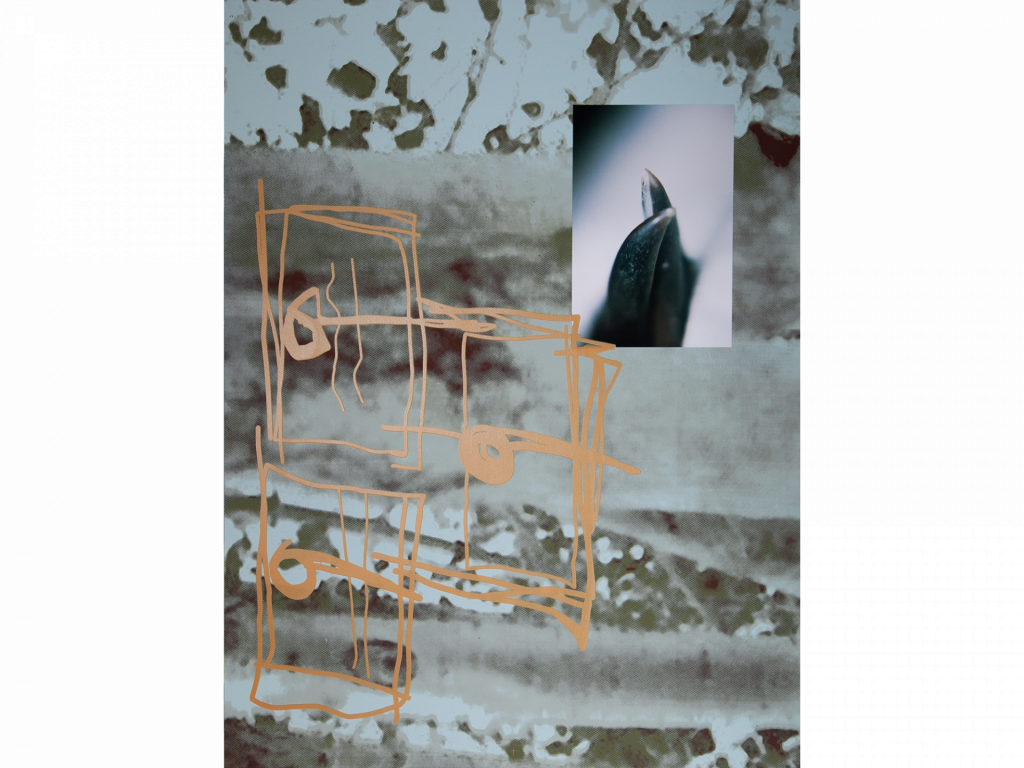
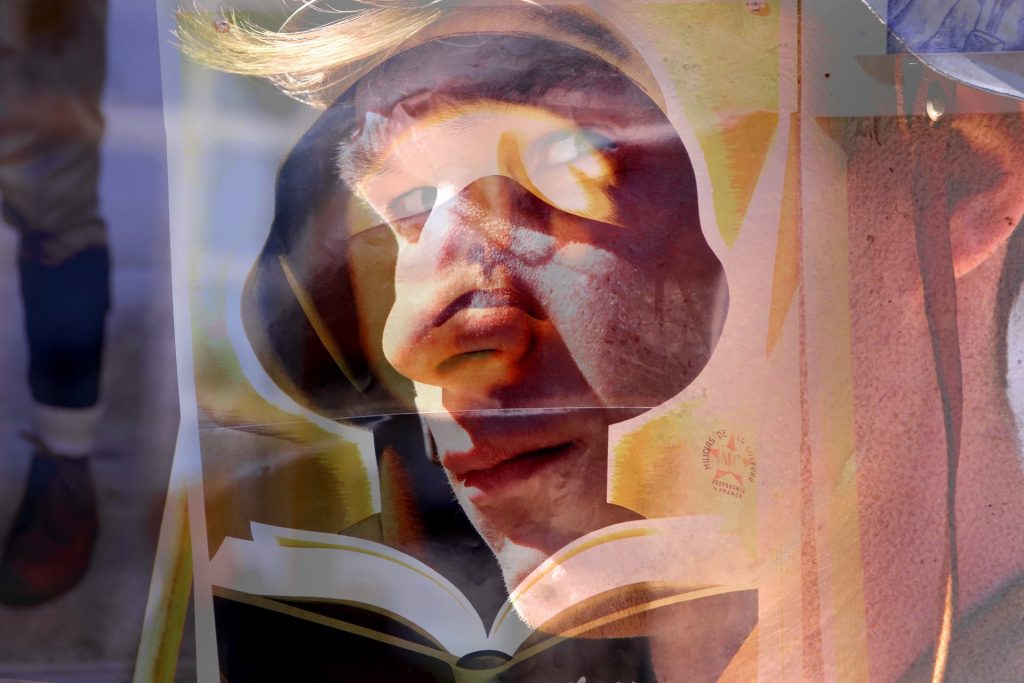
First presented in 1999, Common Sense is one of Martin Parr’s most ambitious and influential photographic projects. Bringing together images made across the world, the series turns Parr’s close, saturated and often humorous gaze towards the details of everyday life. From food and fashion to souvenirs, animals and consumer goods. Using a 35mm camera, ring flash and macro lens, Parr developed a distinctive visual language of fragments, surfaces and punchy colours, allowing seemingly insignificant details to build into a larger portrait of contemporary life.
The radicalism of Common Sense, however, extends beyond the photographs themselves. Parr deliberately rejected the conventions of photographic exhibition-making, presenting the work through inexpensive colour Xerox prints, a technology more commonly associated with everyday office and commercial printing than with the display of contemporary photography. By embracing a process designed for speed, repetition and circulation, the exhibition questioned the status of the photographic print as a precious object and opened up new possibilities for how photography could be reproduced, exhibited and distributed.
This radical approach continued through the exhibition’s unprecedented international dissemination. Rather than being conceived as a single exhibition in one place, Common Sense was designed to circulate simultaneously across the world. In April 1999, it was presented in 41 galleries across five continents, with 44 venues in total hosting the work during March, April and May. It was recognised as the largest simultaneous photography exhibition ever organised.
Common Sense therefore operates not only as a body of photographs, but as an experiment in mass visual communication.
This exhibition is also a tribute to Martin Parr, who served as Artistic Director of the first edition of Bristol Photo Festival and remained a member of the festival’s Board until 2025, making his contribution to the festival’s development and vision a crucial part of its history.
Bio
Martin Parr was born in 1952 in Epsom, Surrey. He is one of the best-known documentary photographers of his generation. Having published over 100 books of his own and edited another 30 in his lifetime, Parr built a long-lasting legacy.
Parr also acted as a curator. He curated two photography festivals, Arles in 2004 and Brighton Biennial in 2010 and was the artistic director of the inaugural edition of Bristol Photo Festival in 2021. In 2016, he curated the Barbican exhibition, Strange and Familiar. Parr became a member of Magnum Photos in 1994 and was president from 2013 to 2017. In 2013, he was also appointed the visiting professor of photography at the University of Ulster.
Parr’s work has been collected by many of the world’s leading museums, from Tate in the UK to the Centre Pompidou in Paris and the Museum of Modern Art in New York. He established the Martin Parr Foundation in 2017.
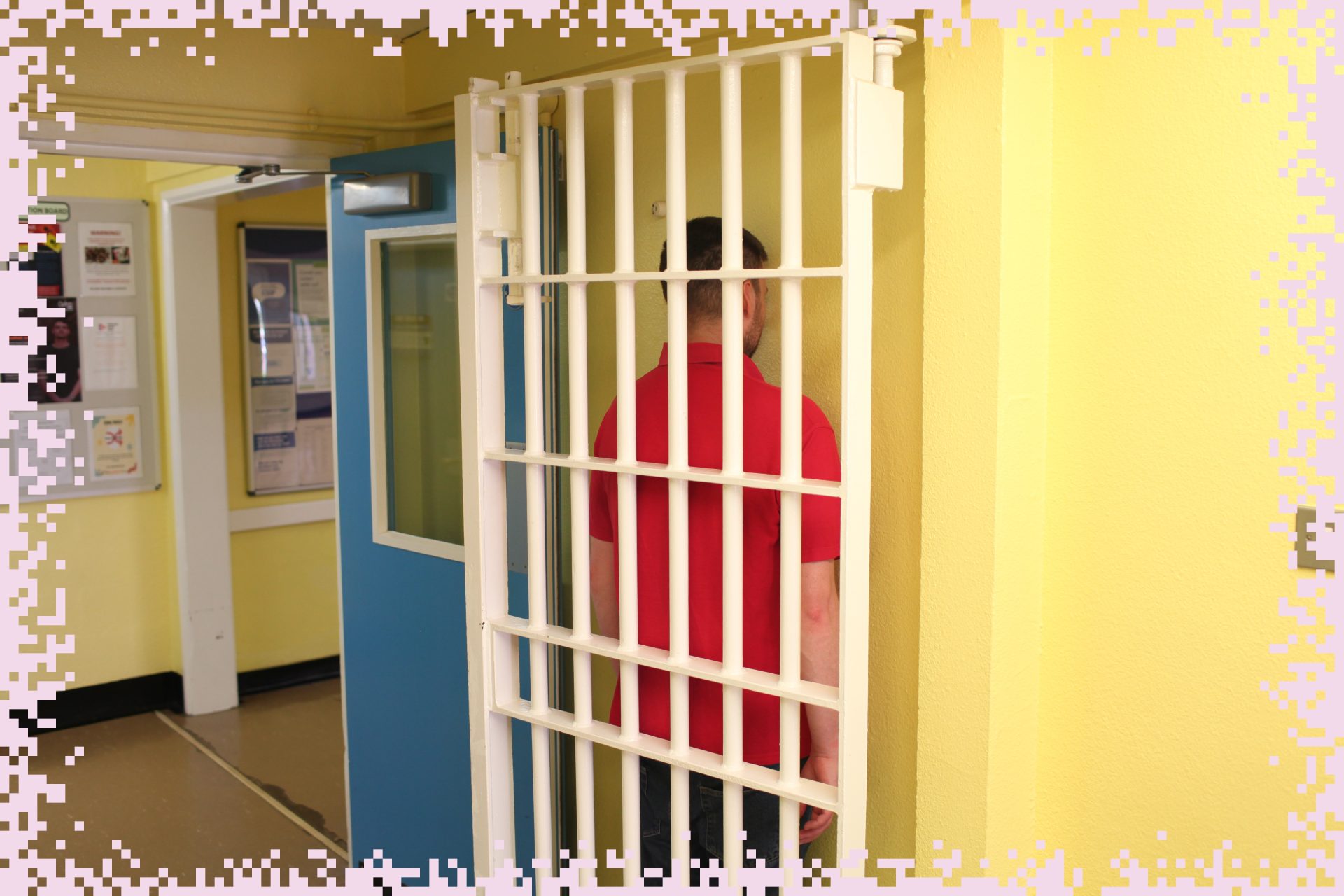
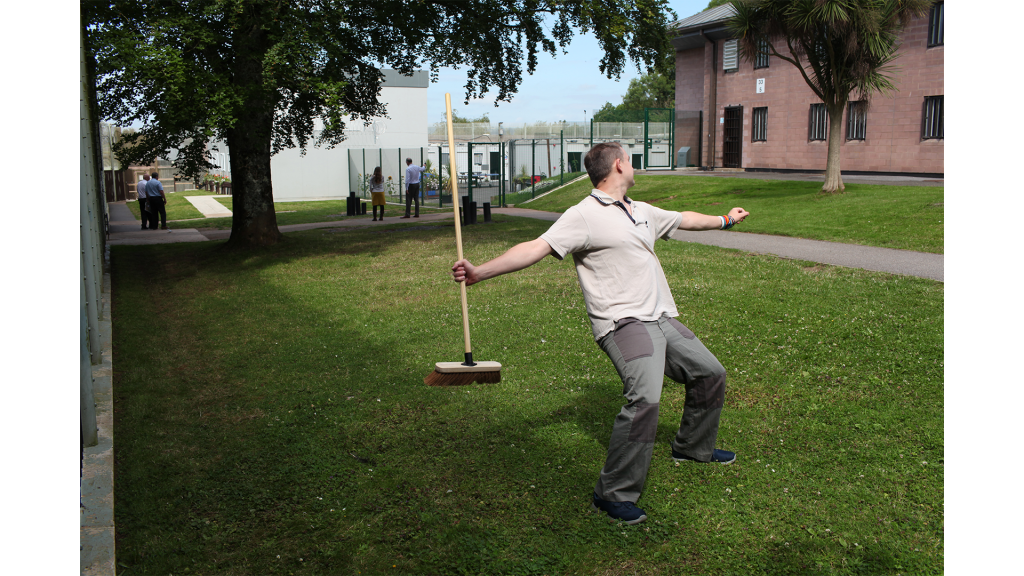
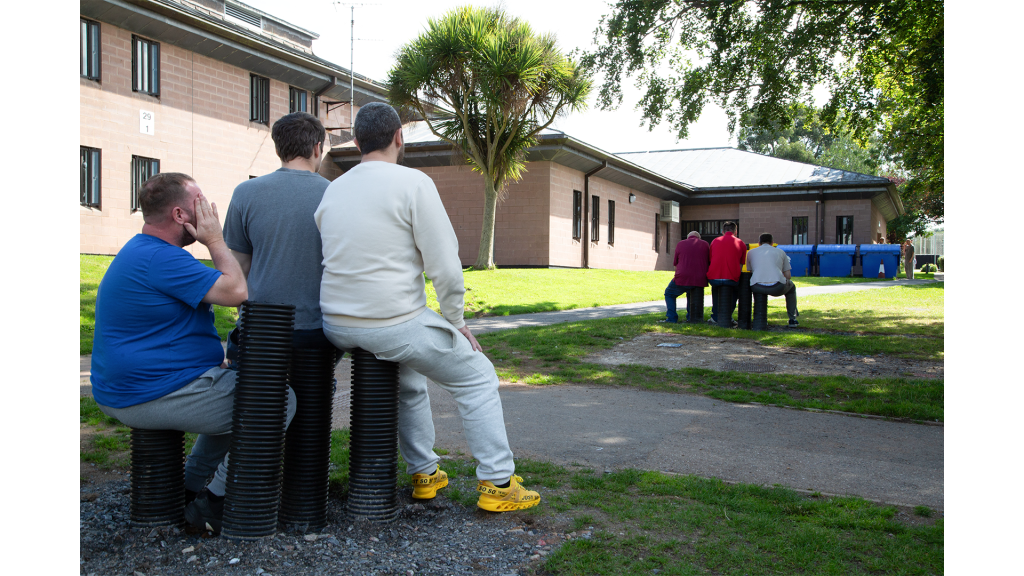
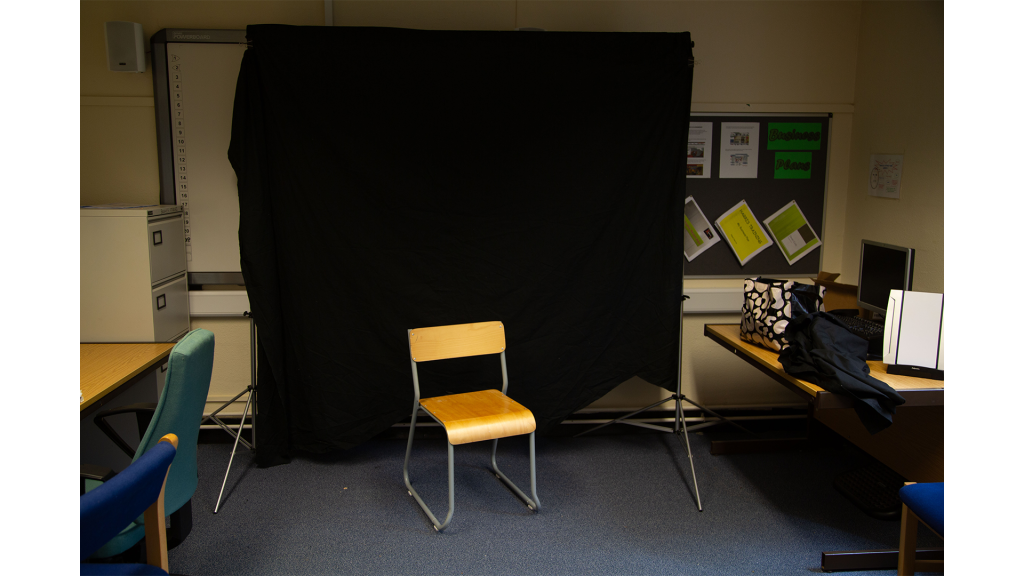
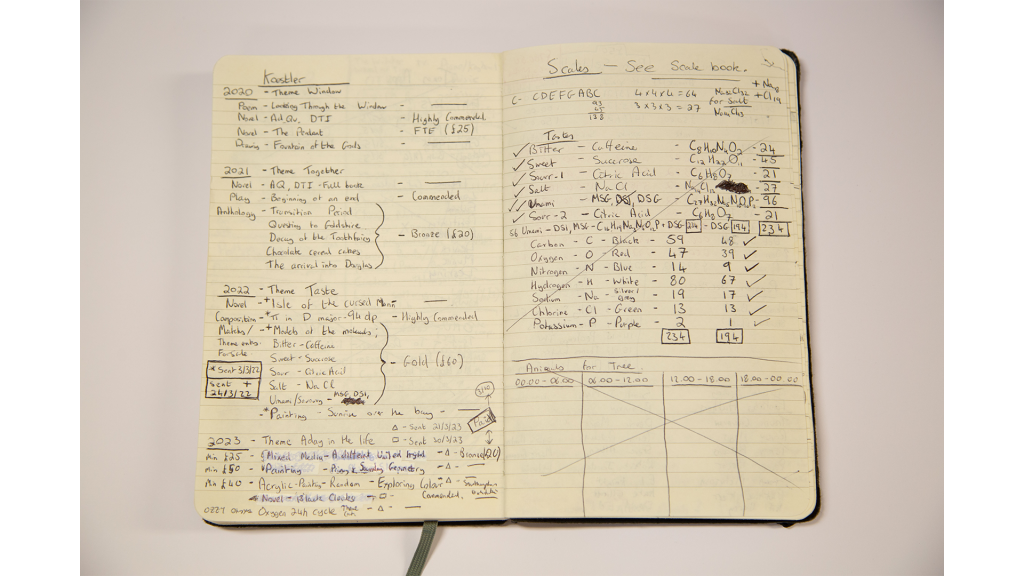
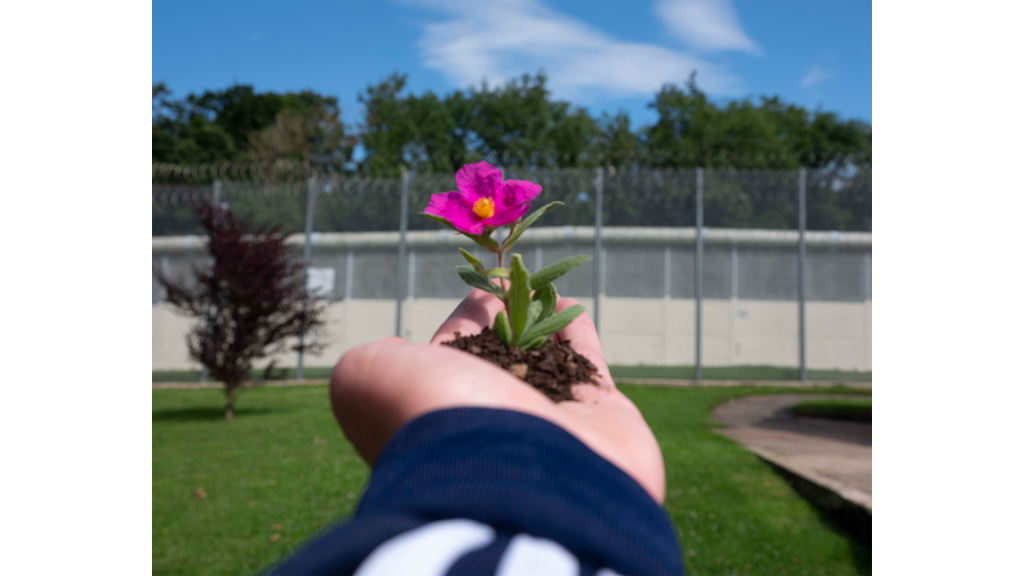
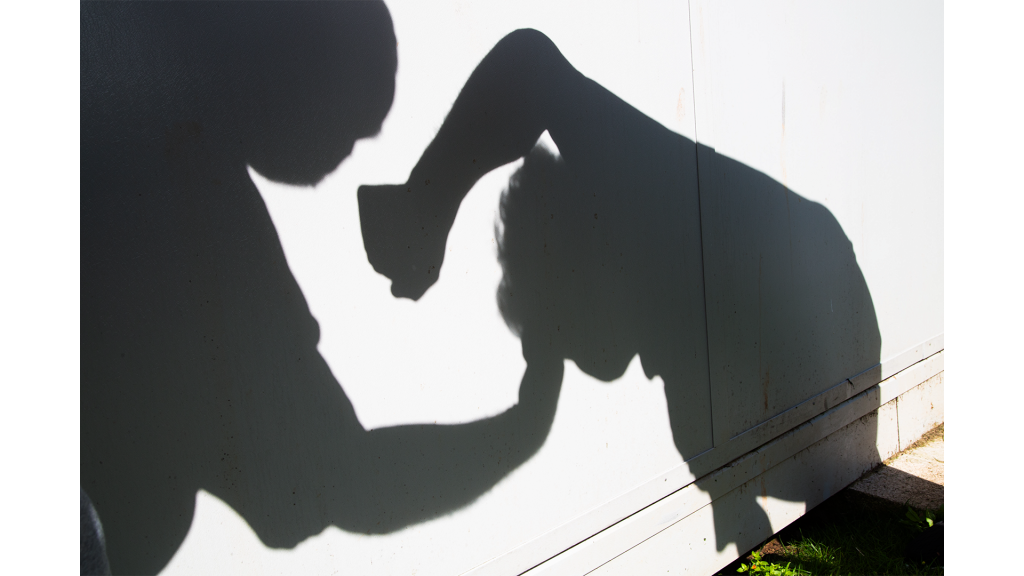
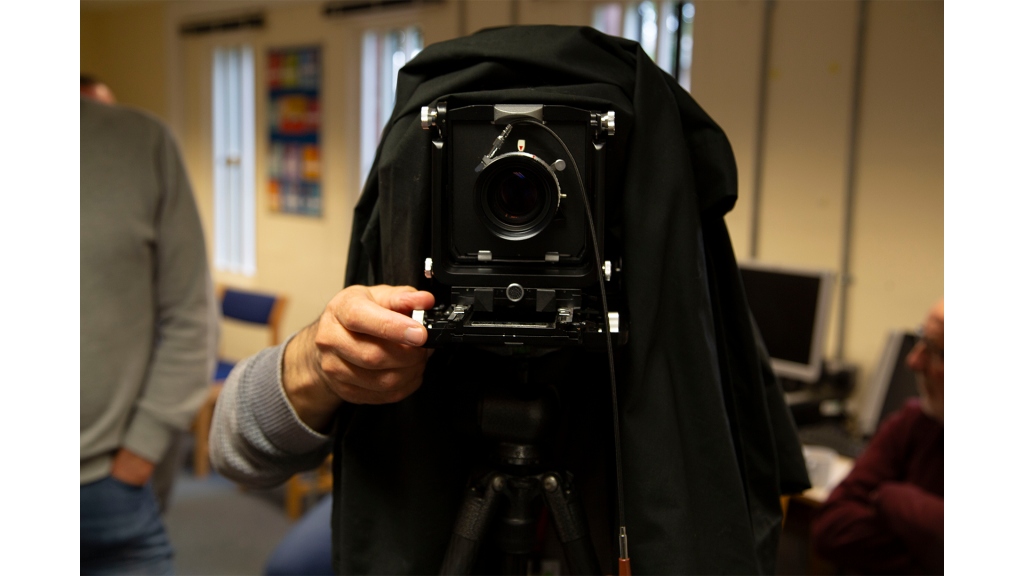
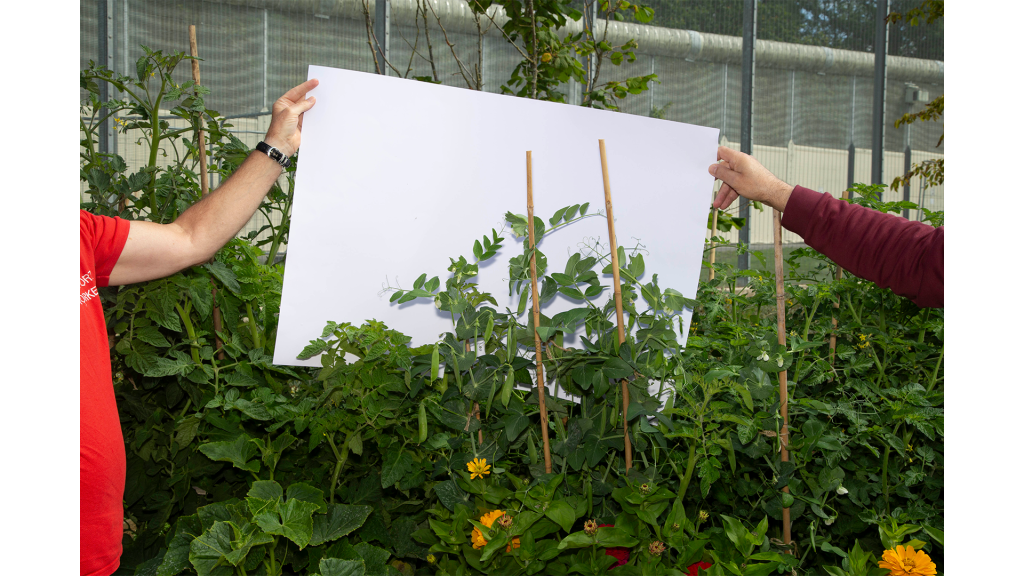
The Prison Mobile Library is a participatory project produced by IC Visual Lab that brings together writing and photography created by people in prison, reflecting on life before, during and after incarceration. Through creative workshops, participants explore their experiences, memories and hopes for the future, creating original work to be shared with others across the prison system.
Within prison, there are limited opportunities to collectively reflect on personal experiences and the journeys that have led to incarceration. The project creates a space for shared reflection and learning, using photography and writing to open conversations, build trust and break down barriers.
The workshops encourage participants to consider the events, relationships and patterns that have shaped their lives, while developing greater self-awareness and understanding of their own journeys. Through making and sharing, they can revisit their personal stories and consider how they might be understood differently.
The resulting works form a unique library authored by people with first-hand experience of imprisonment—an archive of personal voices and lived experience. Rather than defining people solely through incarceration, the project creates space for more complex narratives to emerge, exploring how creative practice can support reflection, connection and transformation.
The exhibition presents a selection of publications from the library alongside material documenting the creative process undertaken during the workshops.
This project has been supported by Weston College, John James Bristol Foundation, and the Van Neste Foundation.
Biography
IC Visual Lab (ICVL) is a Bristol-based independent arts organisation working across photography, film, visual archives, and education. Founded to create new ways of producing, sharing and understanding visual culture, ICVL brings together artists, communities, researchers and cultural organisations through exhibitions, commissions, participatory projects and alternative forms of learning.
Its work focuses on making visual culture more accessible, collaborative and socially engaged, with a particular interest in underrepresented stories, archives and communities. Through long-term partnerships and experimental approaches to cultural production, ICVL aims to democratise who gets to make, shape and preserve culture.
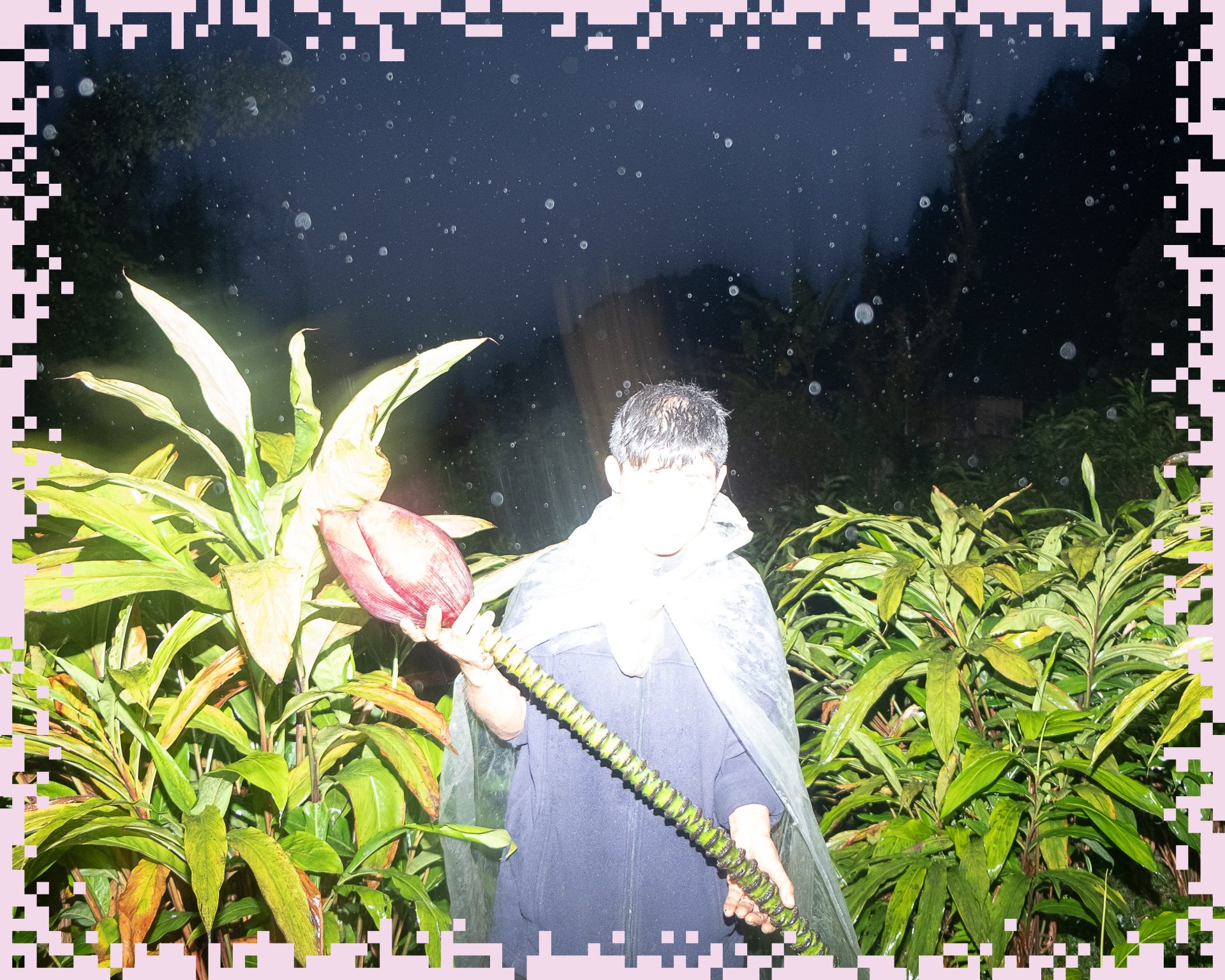
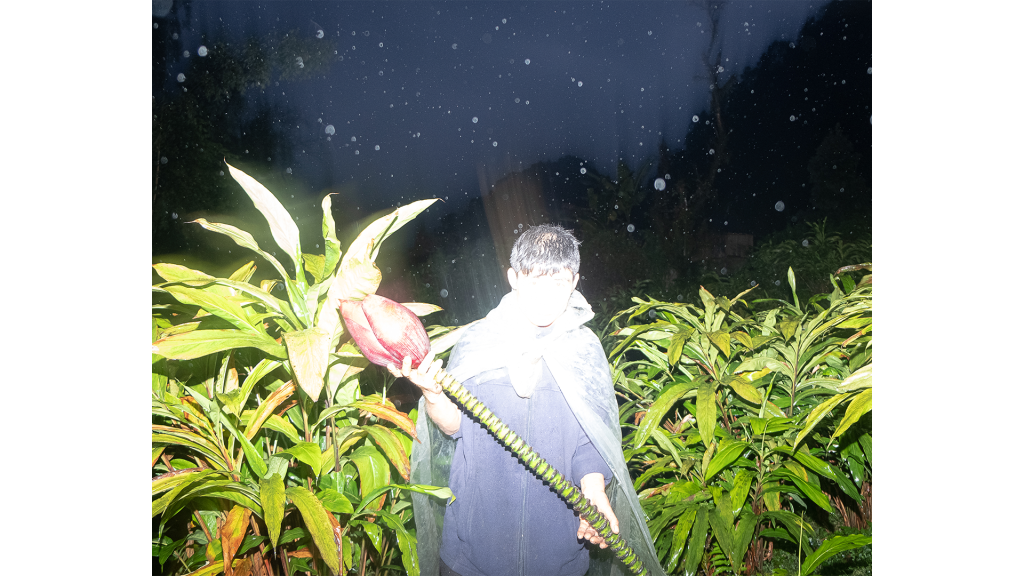
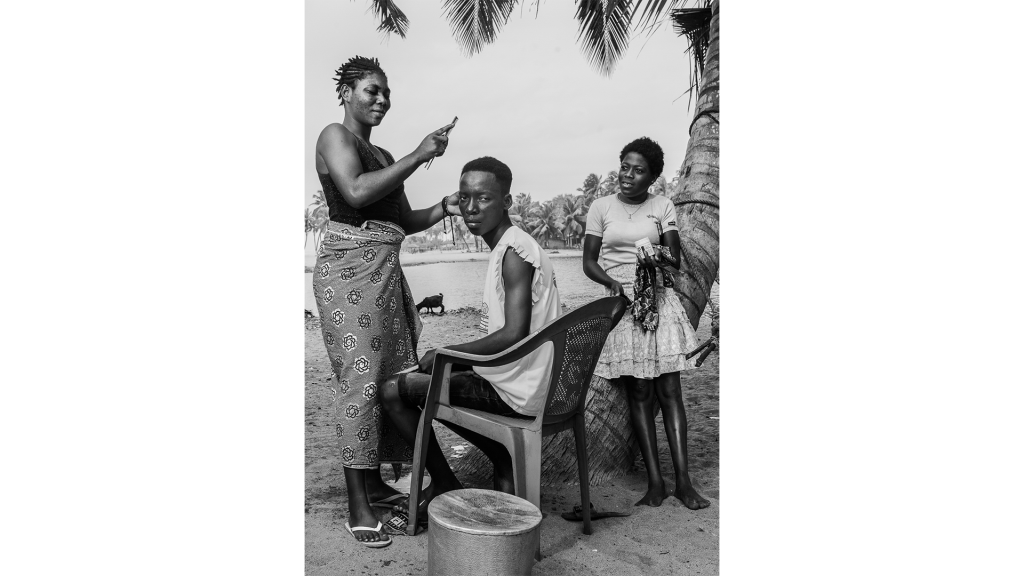
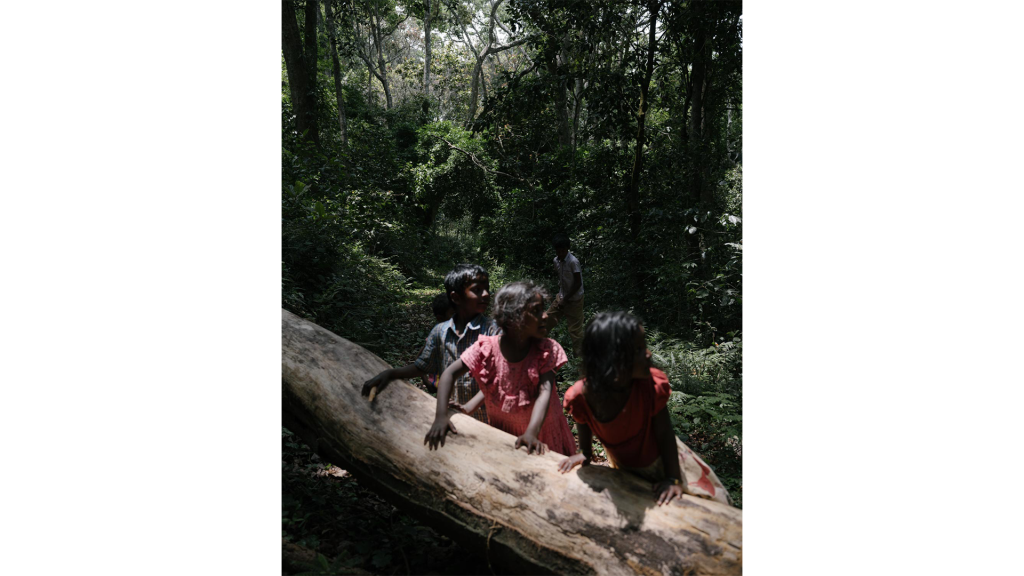
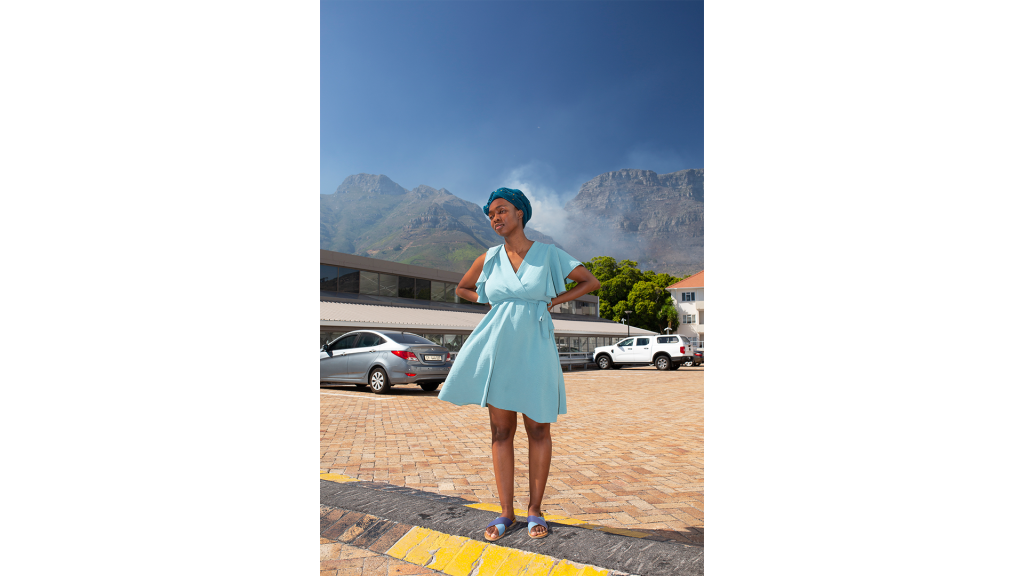
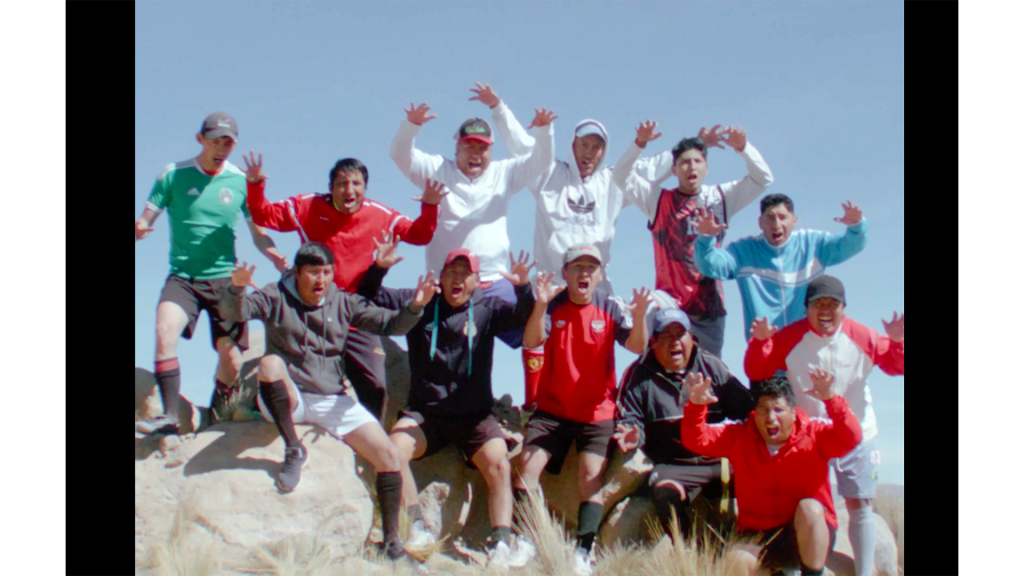
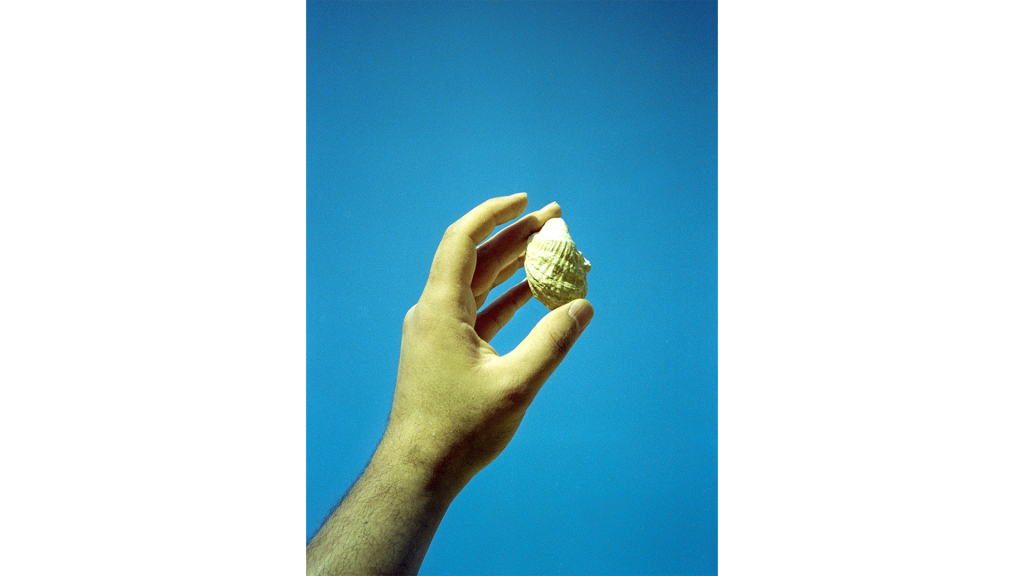
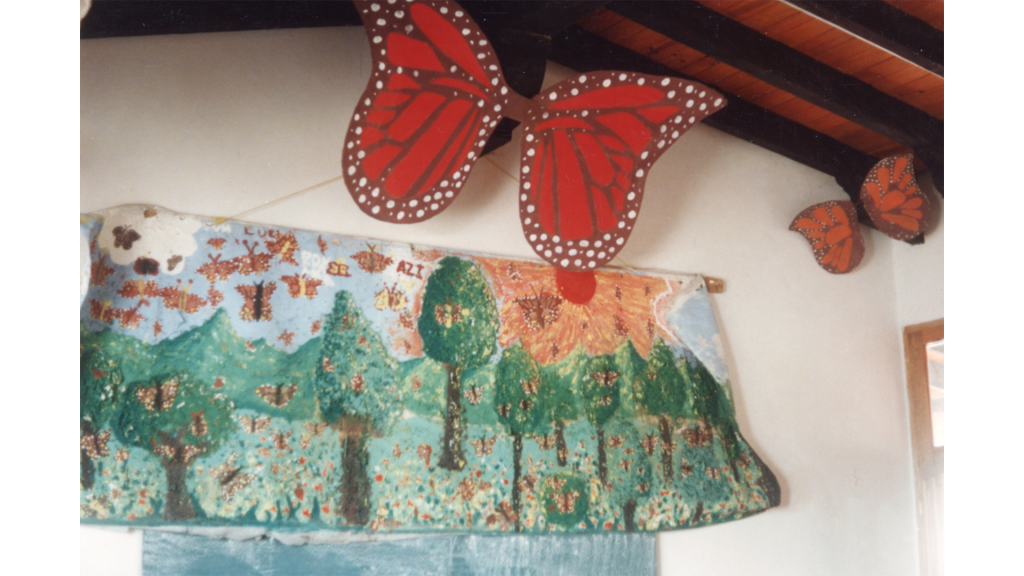
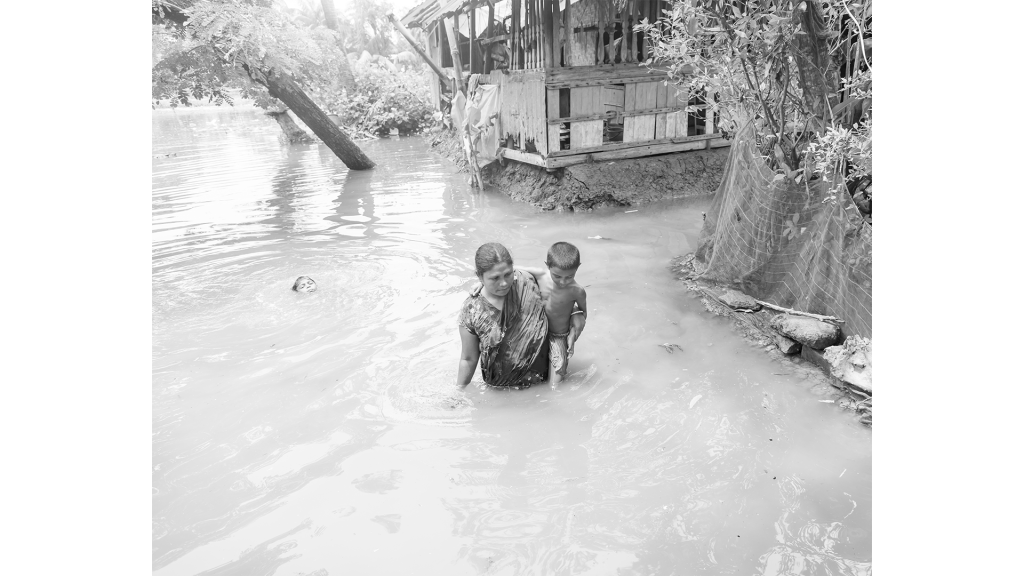
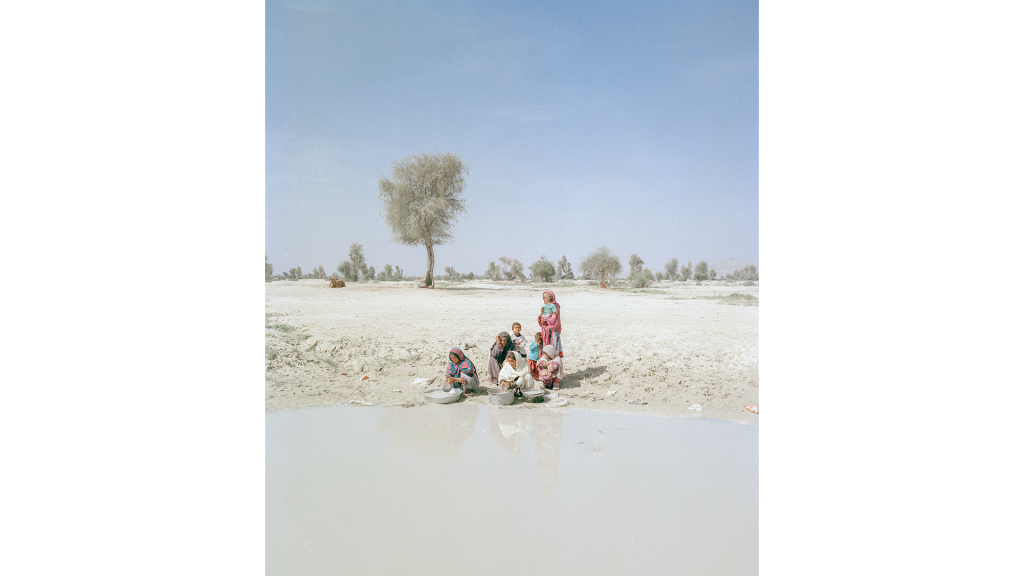
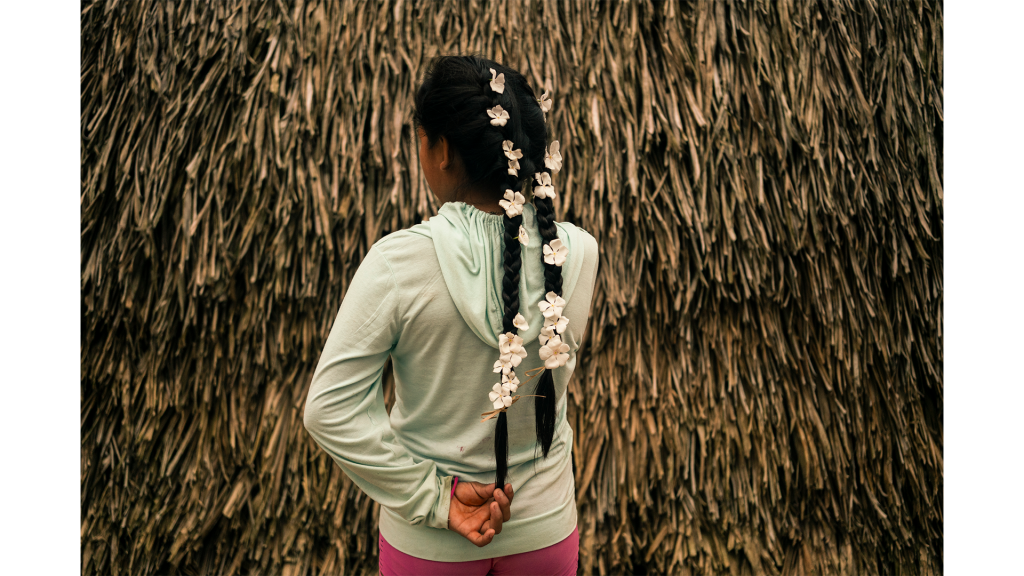
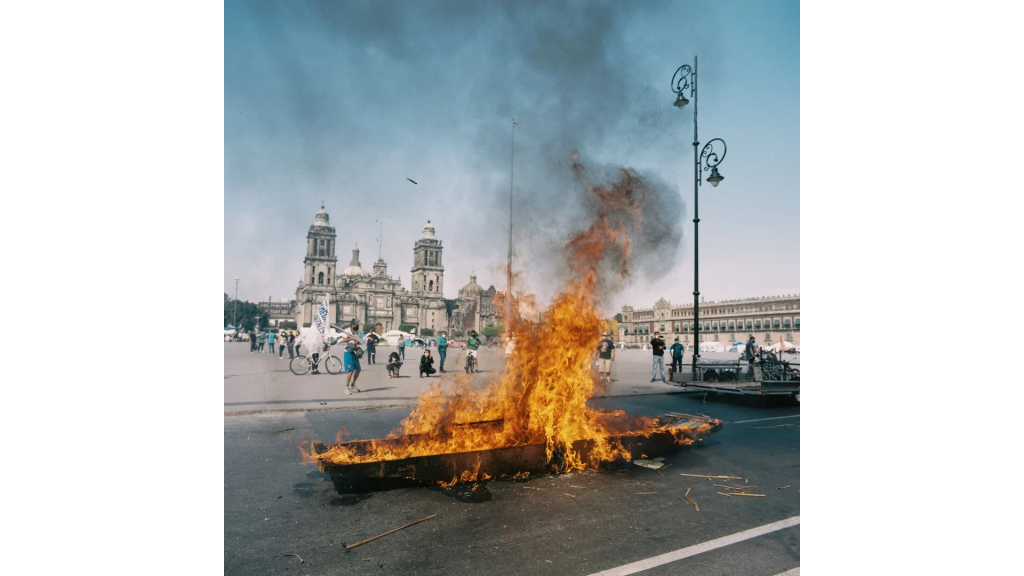
Heat brings together projects developed through Magnum Foundation’s 2023–25 Photography Expanded Fellowship, which supported photographers exploring new ways of telling stories about the climate crisis and the inextricable relationship between communities and land. Across eighteen landscapes around the world, these photographers encounter places where multiple timelines coexist: histories embedded in the land, environmental transformations unfolding in the present, and futures that remain to be imagined.
Rather than depicting climate change solely through images of catastrophe, the projects look at the longer histories and lived experiences behind environmental disruption. They reveal how landscapes become archives—holding memories of extraction and displacement, but also knowledge, resilience and forms of connection passed between generations. The past is not behind us; it continues to shape the conditions of the present.
Across these eighteen projects, the climate crisis is understood not as a single event or distant future, but as a condition unfolding across multiple timescales. The photographs bring past, present and future into the same frame, asking us to consider how the landscapes we inherit shape the worlds we are capable of imagining and what might remain for those who come after us.
Photographers Included
Andrea Hernández Briceño (Venezuela), Farhana Satu (Bangladesh), Fatma Fahmy (Egypt), Florence Goupil (Peru), Gayatri Ganju (India), Giya Makondo-Wills (United Kingdom / South Africa), Hashem Shakeri (Iran), José Luis Arroyo-Robles (Mexico), Kunga Tashi Lepcha (India), Luis Antonio Rojas (Mexico), Luján Agusti (Argentina), Mahmoud Khattab (Egypt), María Valqui (Peru), Miora Rajaonary (Madagascar), Ofoe Amegavie (Ghana), River Claure (Bolivia), seth cardinal dodginghorse (Tsuut’ina Nation), and Zumrad Mirzalieva (Uzbekistan).
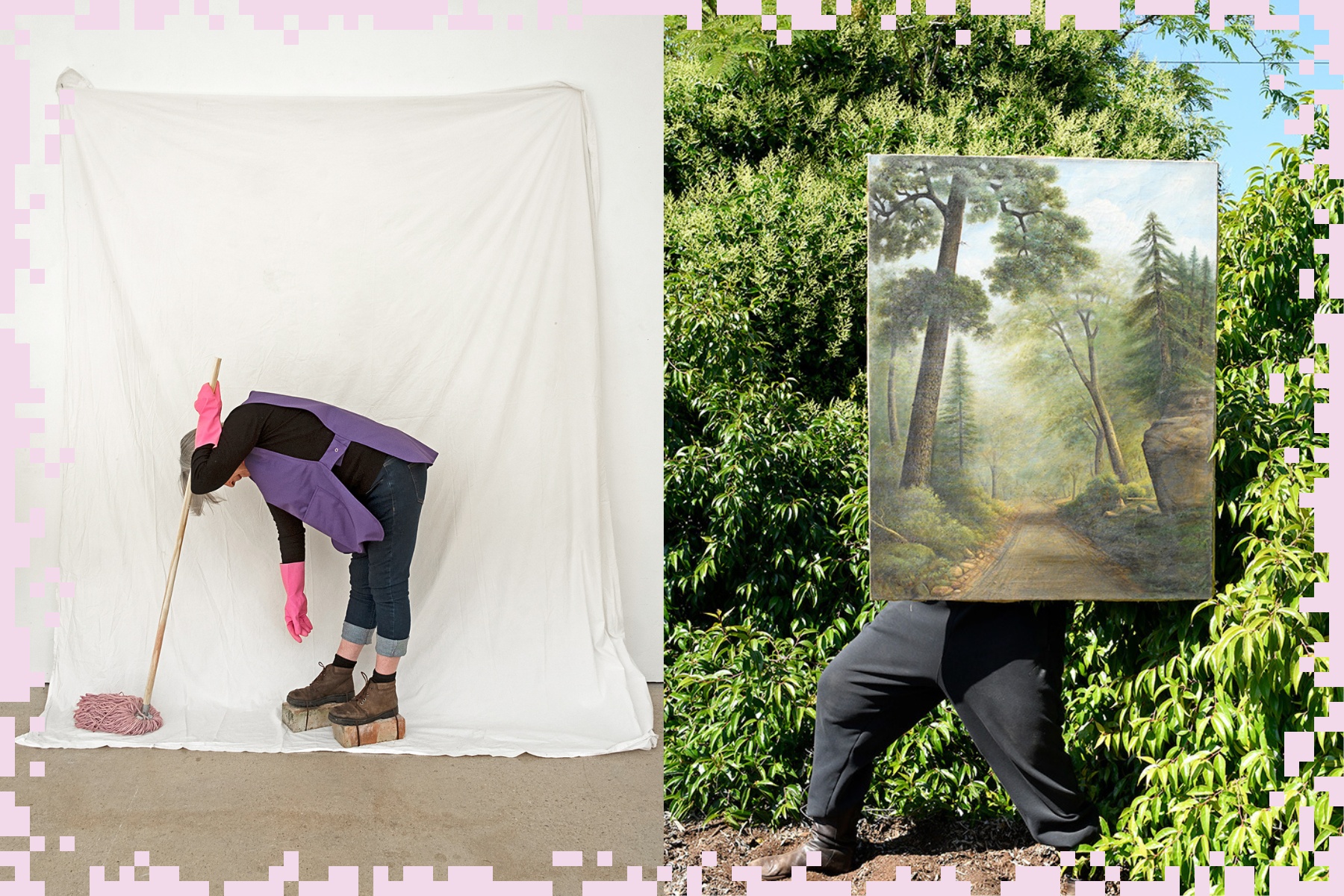
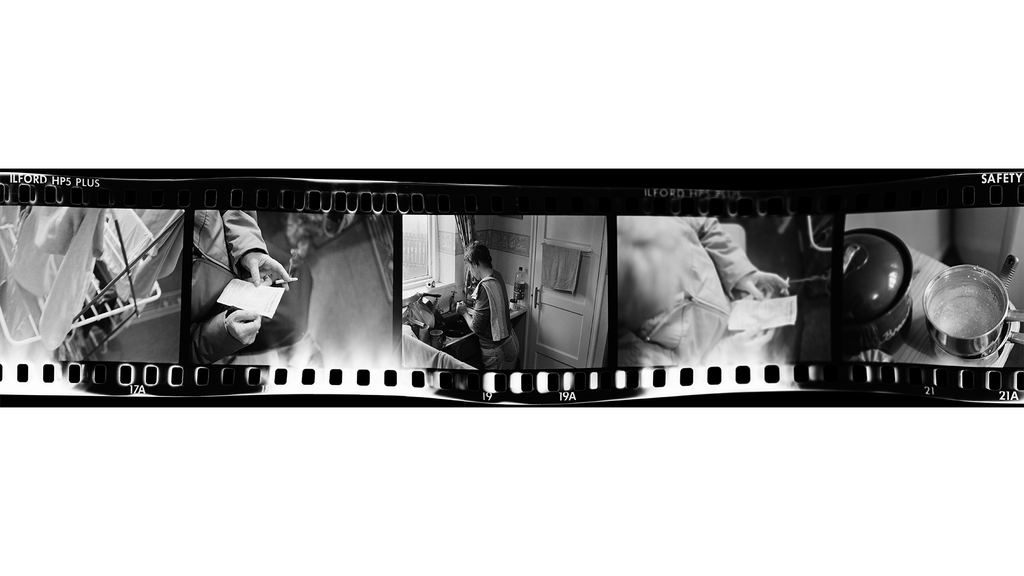
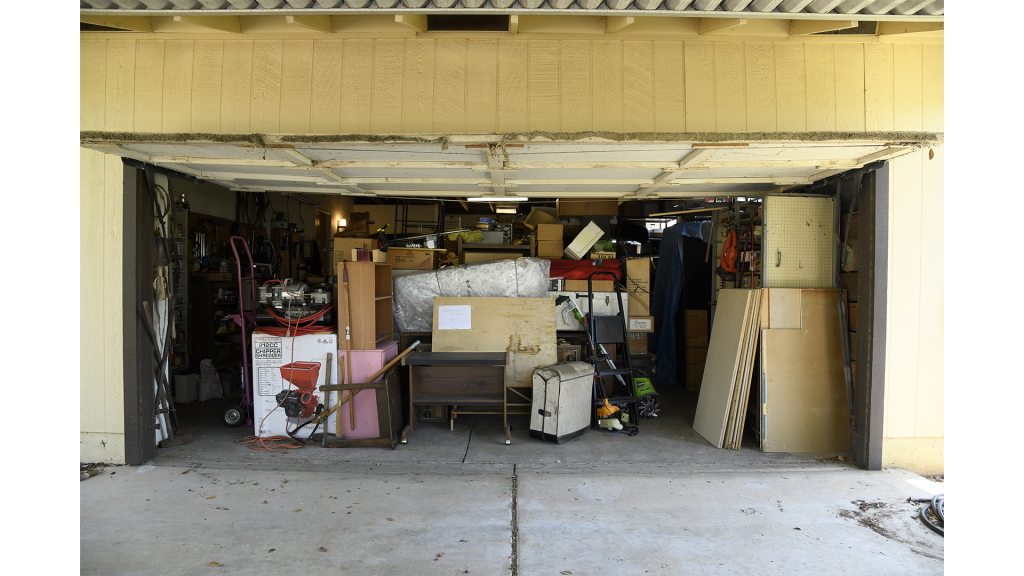
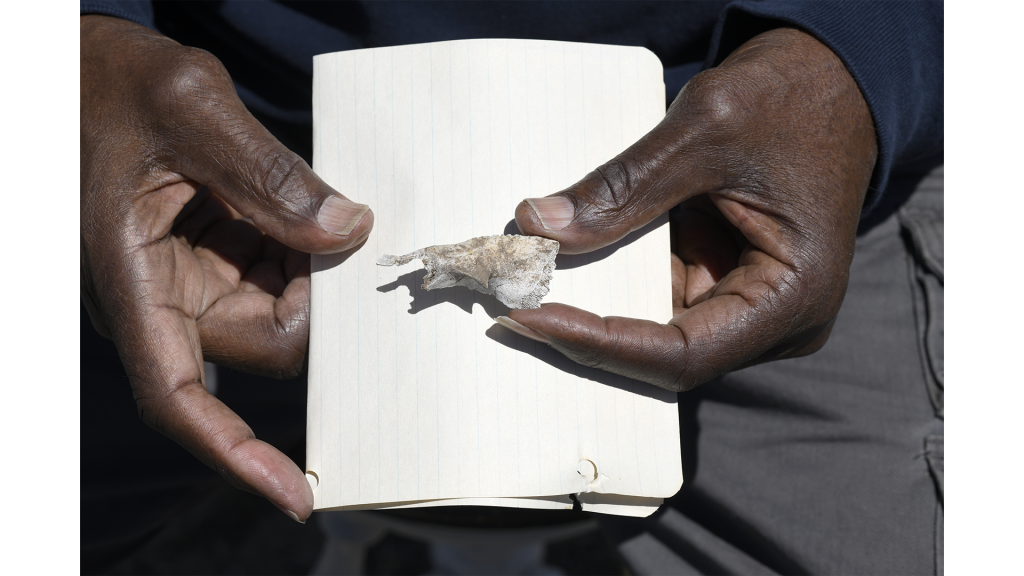
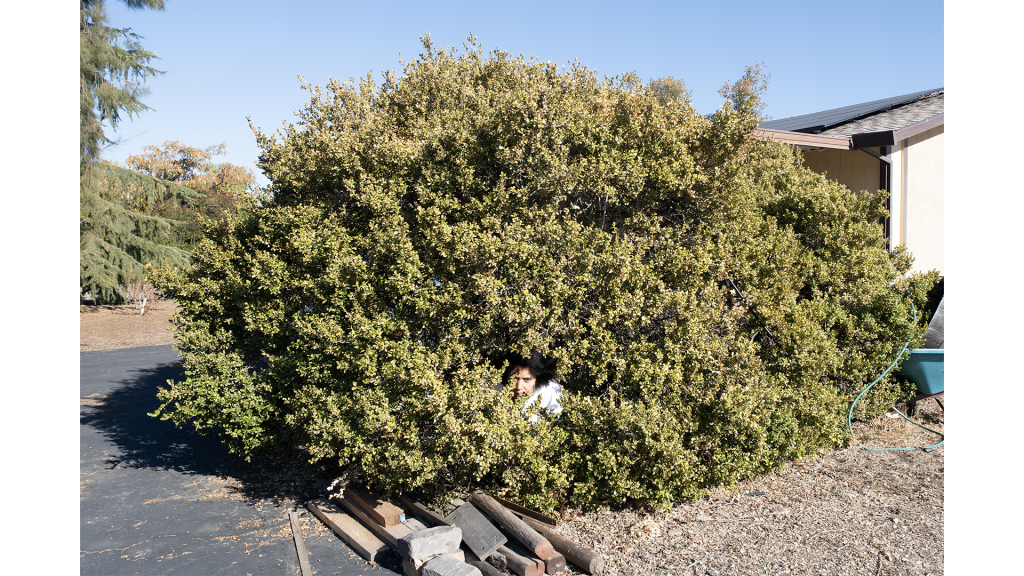
The exhibition at KIT FORM brings together the work of two local artists, Yuko Edwards and Kelly O’Brien. Both artists explore what is valued, inherited and made visible within family histories:
Kelly O’Brien —No Rest for the Wicked
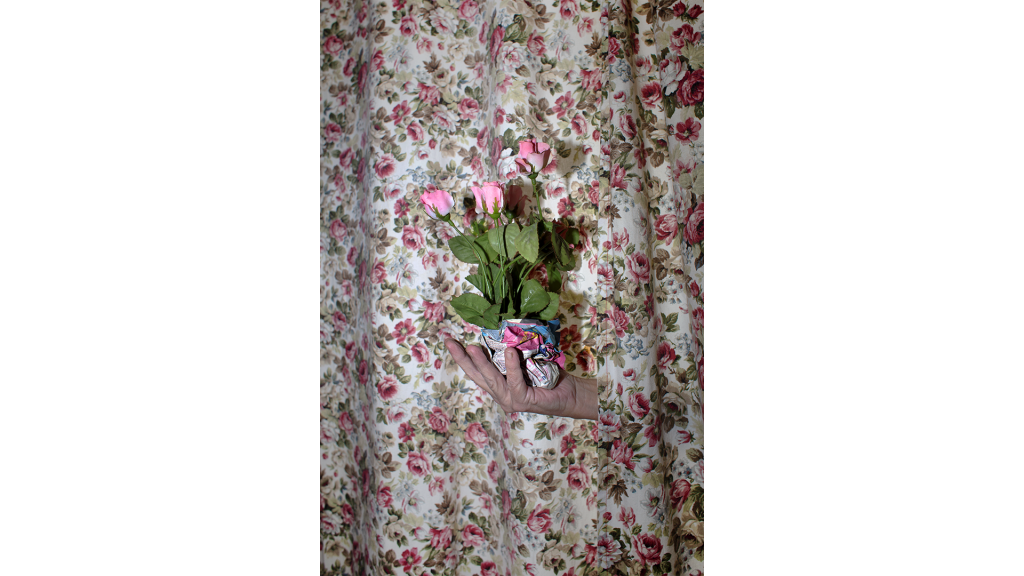
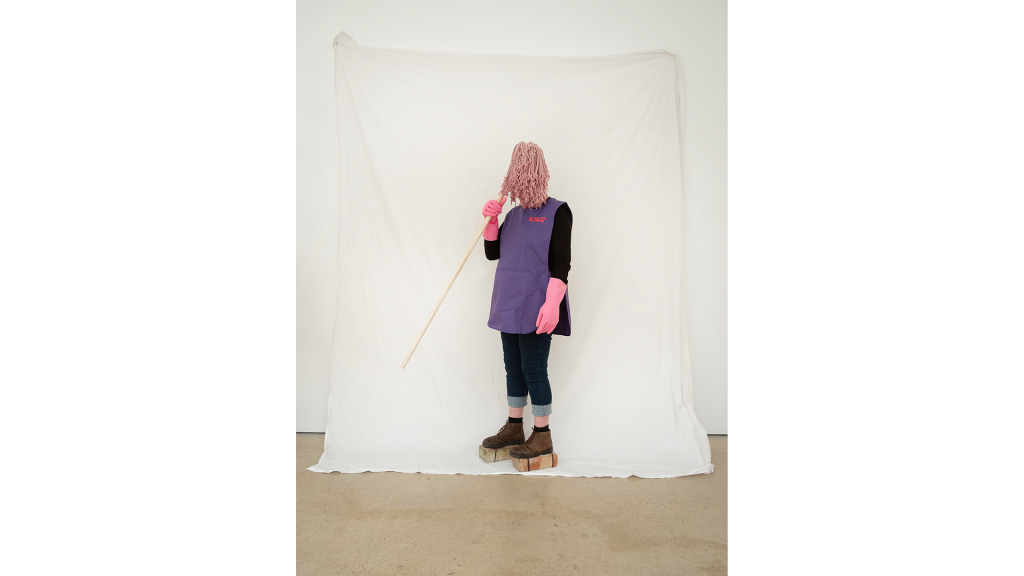
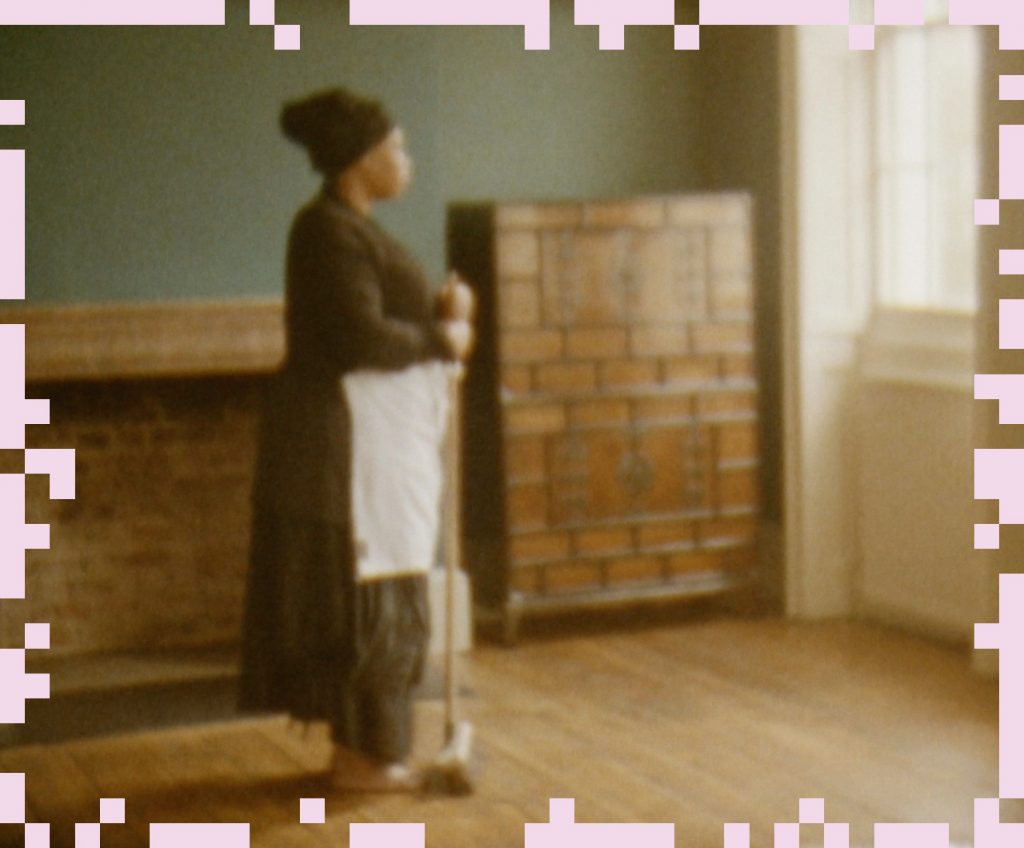
Kelly O’Brien explores domestic work by intertwining her family’s stories with issues of class, gender, and occupation, advocating for the visibility of working women and their struggles. In her works, the narrative shifts between the tensions of domestic burdens—a shadowed space where gender disparities persist—and the paradox of the home as a sanctuary. No Rest for the Wicked celebrates the home to reveal the invisible labour that underlies it. The project highlights the experiences of women whose work, both inside and outside the home, often goes unrecognised.
Yuko Edwards —What You See in my Face
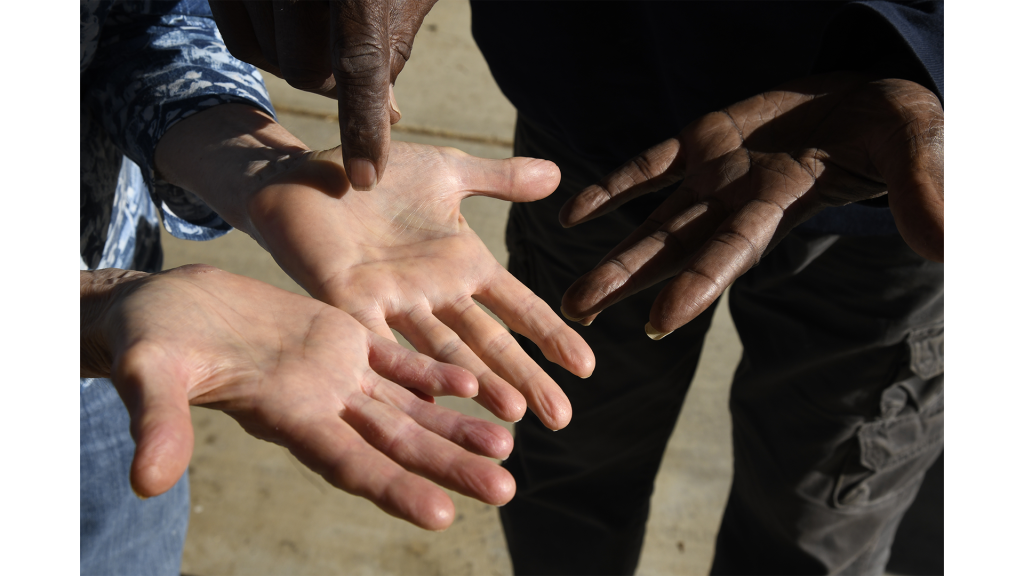
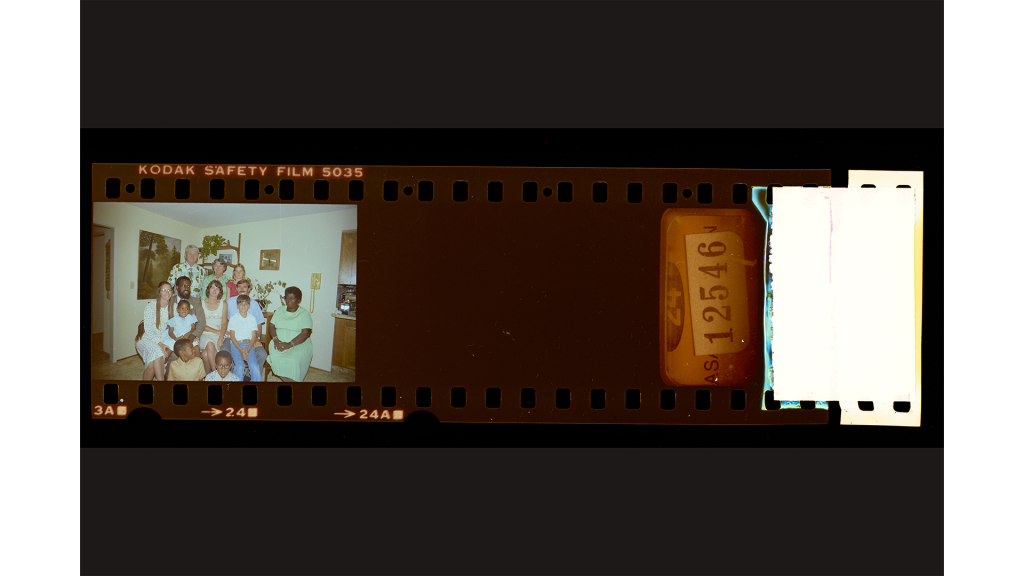
What You See in my Face begins with Yuko Edwards’ discovery of historical family negatives, prints, postcards and letters in her stepmother’s family home, recently inherited by her interracial parents. Within her work, the house becomes a living archive, containing traces of those who have belonged to the family and those yet to come. Edwards uses these materials to question how inheritance shapes identity within blended and mixed-race families, and how family histories exceed the fixed narratives suggested by biology or DNA.
Through reprinting, layering, reframing and annotating archival images, alongside family conversations and the insertion of her own image, voice and material traces, Edwards explores the archive as both evidence and omission. Her work asks where Black presence sits within an inherited visual history, and what happens when previously fragmented narratives are re-read and re-contextualised. Photography becomes not simply a record of the past, but an active space for negotiating memory, belonging, absence and connection.
Biographies
Kelly O’Brien is an artist, researcher, and lecturer based in England. Her Irish immigrant, working class background shapes a multidisciplinary practice spanning image‑making, sculpture, and installation. She explores the politics of in/visibility, using absence to rethink how people, places, and histories are shown and understood. Her work centres on restorative representation, collaboration, and working class feminist perspectives. She focuses on what is often overlooked, treating invisibility not as a lack but as a space for imagination and collective possibility.
Recent exhibitions – The Wellcome Collection (ENG), Two Temple Place (ENG), Fondazione MAST (IT), Sunny Bank Mills (ENG), The ALBERTINA Museum (AUT), and The Women’s Art Collection (ENG) and The Glynn Vivian (WLS). Recent Collection Acquisitions – The Arts Council Collection (UK) and The Vurbund Collection (AUT).
Yuko Edwards is a multidisciplinary artist who lives and works in Bristol, England. Whether the work manifests itself as video, photography or mixed media, her art is always an ongoing conversation about place, space, identity, self-identity and how we each live within these frameworks.
Archival material, including found family photographs, are often used as starting points for storytelling and to question existing social structures. Her photographic approach combines documentary with an imaginative and often personal dimension. History is used as a reference point in Edwards’ work to help us understand where we’ve been and where we are going. Since 2018, her work has been shown in festivals and exhibitions in the UK including Somerset House, M-Shed and the RWA.
Both practices reveal inheritance as something more complex than property or bloodline: it is also a selective and uneven transmission of memory, work, resilience and unequal social value.Together, the projects ask who and what is remembered, what is hidden? What does memory do and when does it count? And, how photography can challenge the structures that determine whose lives, histories and labour are considered valuable.
Opening Week: 14–18 October 2026 Festival exhibitions run until 15 November 2026
Bristol Photo Festival has announced the exhibition programme for its third edition, Time Machine. Opening this autumn, with the opening week from 14 – 18 October 2026, the Festival introduces nine major exhibitions and a landmark historical exhibition across Bristol’s leading museums, galleries, art centres, historic buildings and independent spaces.
Joy Gregory: Catching Flies with Honey 17 Oct 2026 – 7 Feb 2027 Arnolfini 16 Narrow Quay, Bristol, BS1 4QA In collaboration with Arnolfini, exhibition originated by Whitechapel Gallery
Presented across Arnolfini’s galleries, Catching Flies with Honey brings together over 150 works spanning four decades and is the first major survey of Joy Gregory’s work. Through photography, film, installation and textiles, Gregory explores identity, history, race and beauty, using diverse processes—from Victorian photographic techniques to digital media—to examine how power shapes societies and collective memory.
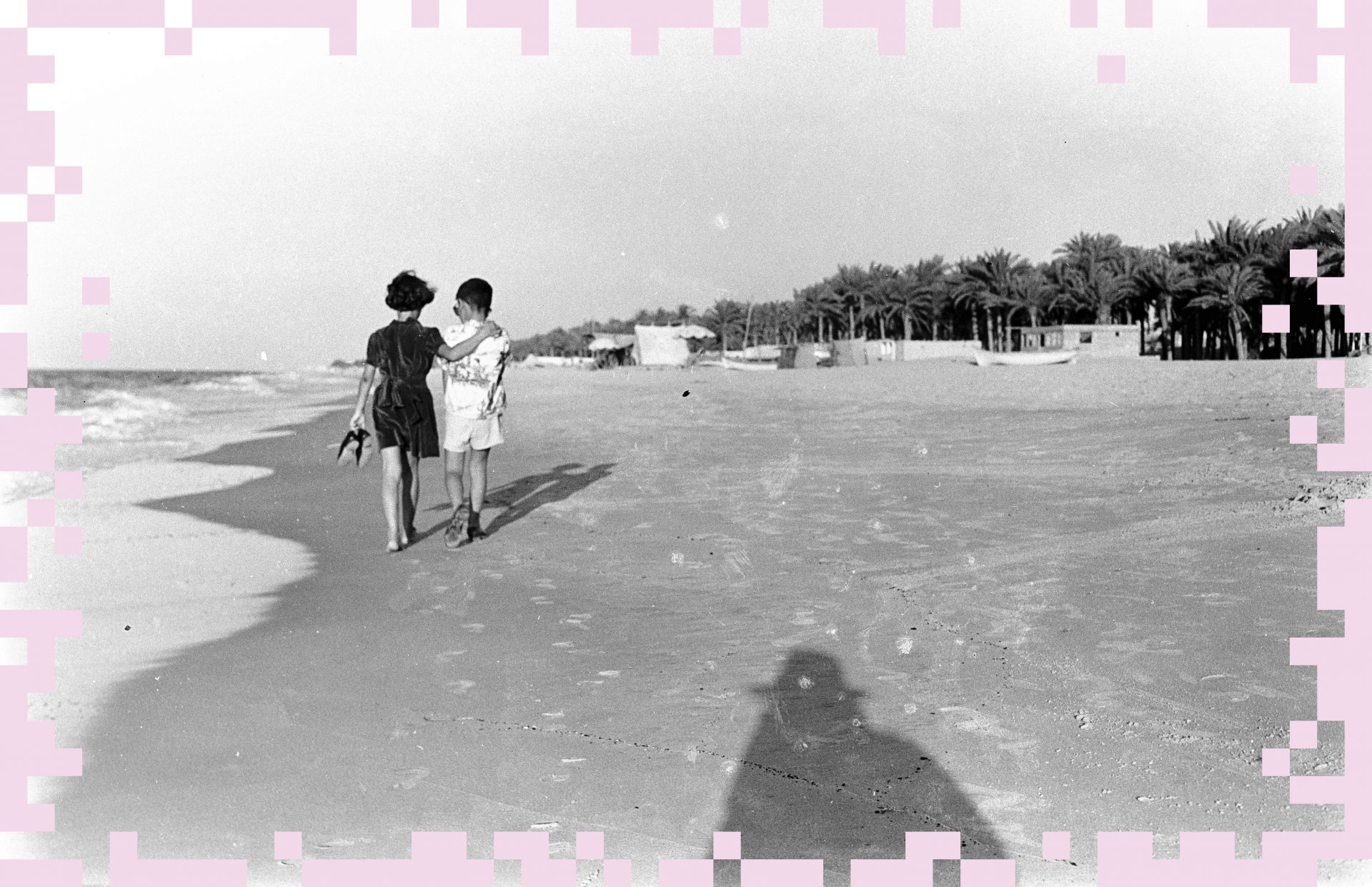
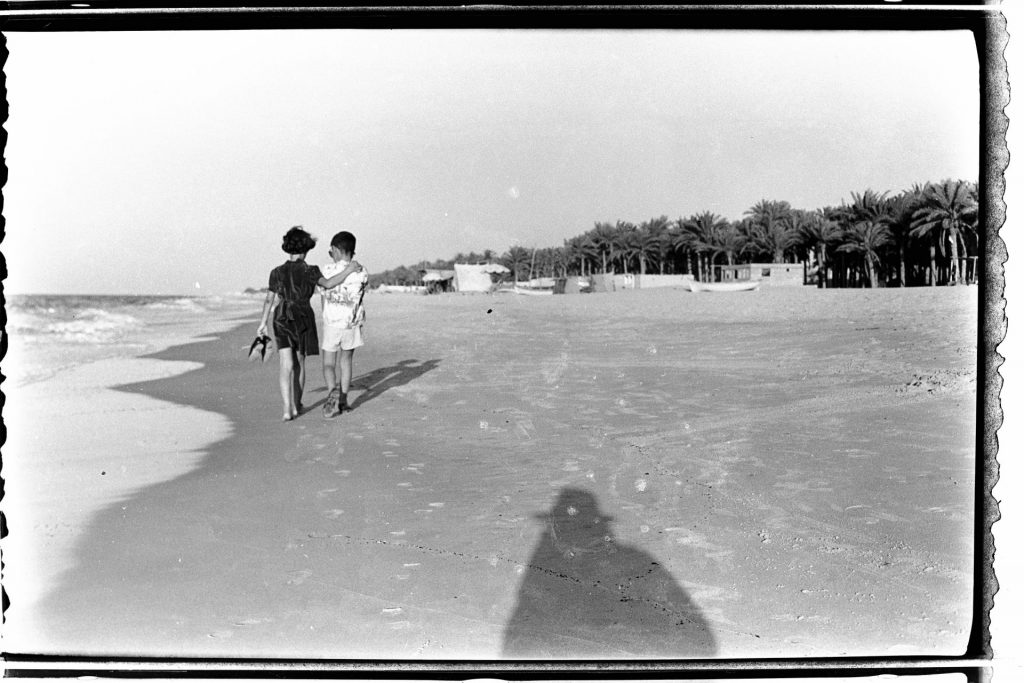
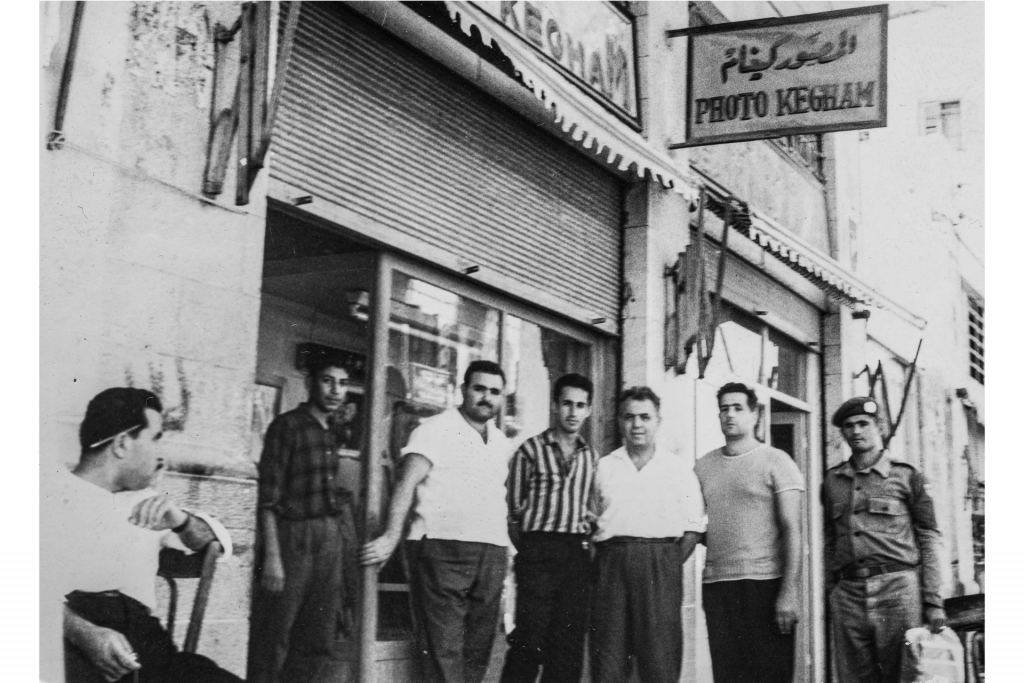
Photos by Kegham Djeghalian Sr. Courtesy of Kegham Djeghalian Jr
Photo Kegham by Kegham Deghalian Jr. 16 Oct to 15 Nov 2026 Albion Dockside, Bristol, BS1 6XT In collaboration with Photopia (Cairo, Egypt), supported by the British Council
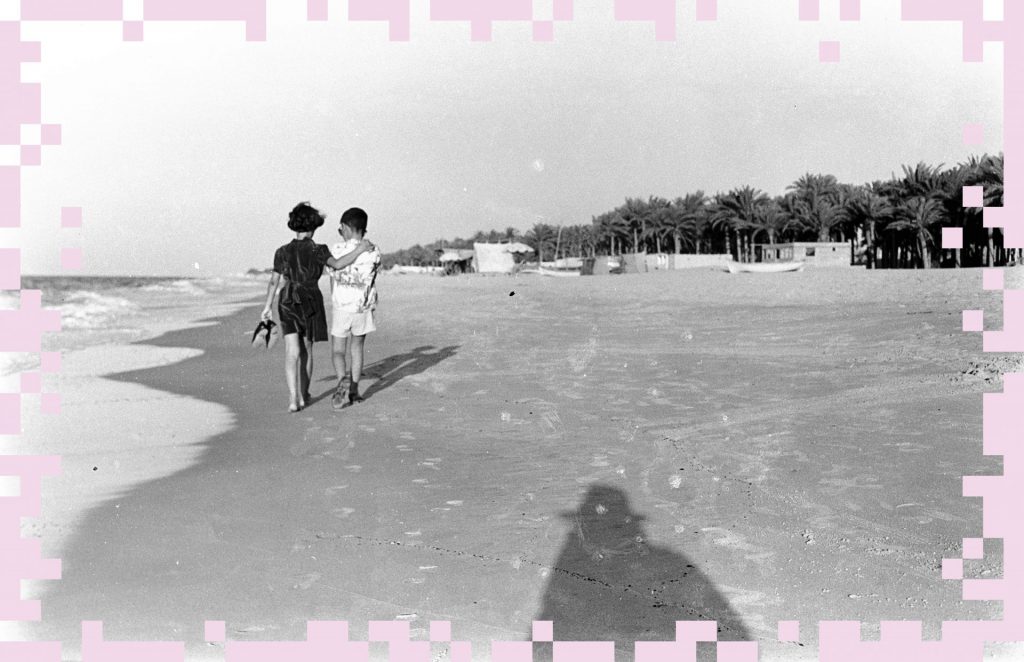
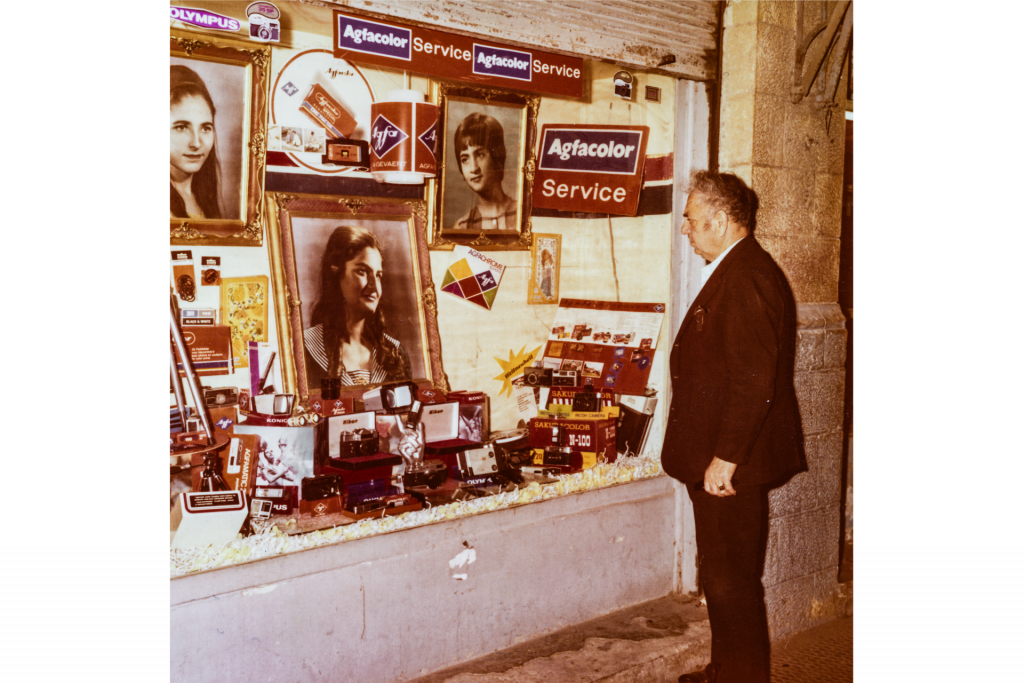
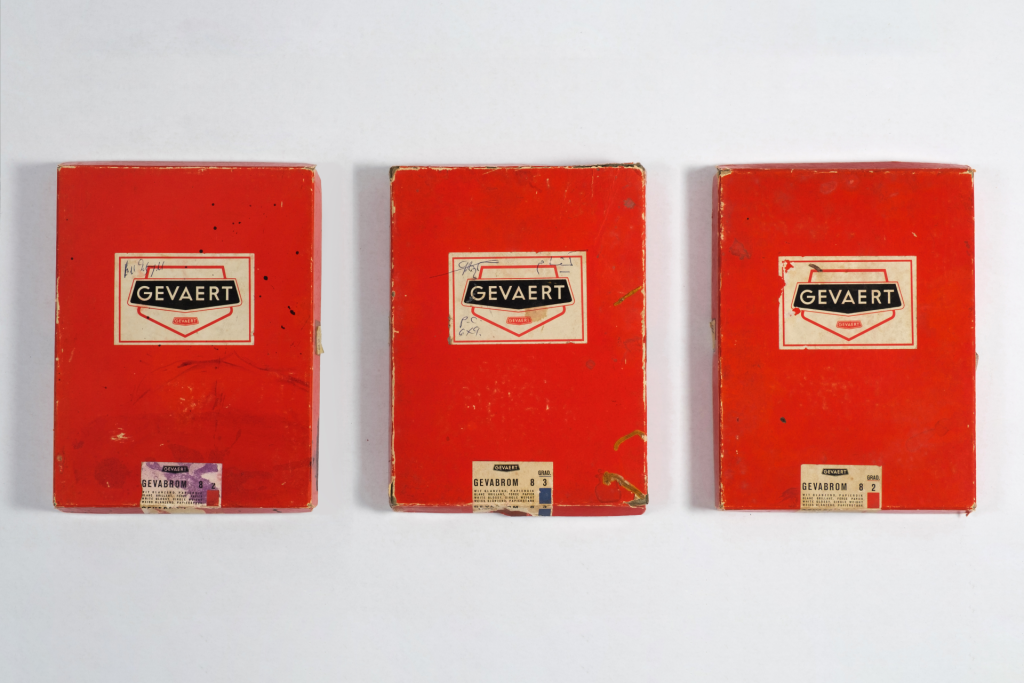
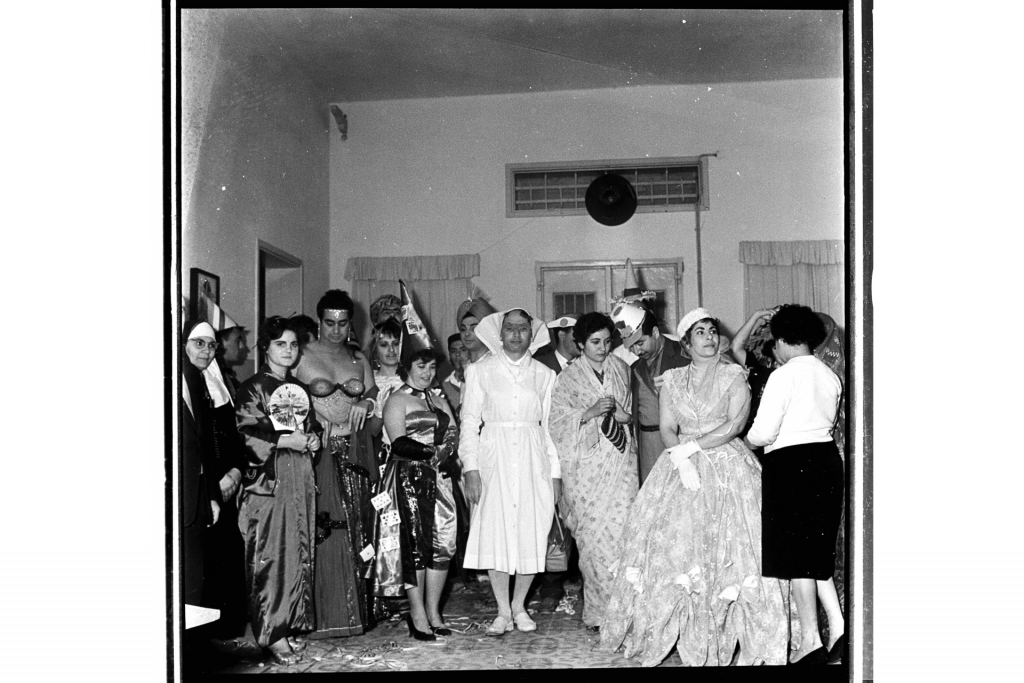
Founded in Gaza in 1944 by Armenian genocide survivor Kegham Djeghalian Sr, Photo Kegham was the city’s first commercial photography studio, documenting everyday Palestinian life through decades of upheaval. Although much of the archive has been lost, three surviving boxes of photographs, now cared for by his grandson Kegham Djeghalian Jr, preserve a rare visual history of Gaza. Bringing together these images and archival materials, the exhibition traces family memory while challenging dominant narratives of a place the artist can no longer physically return to.
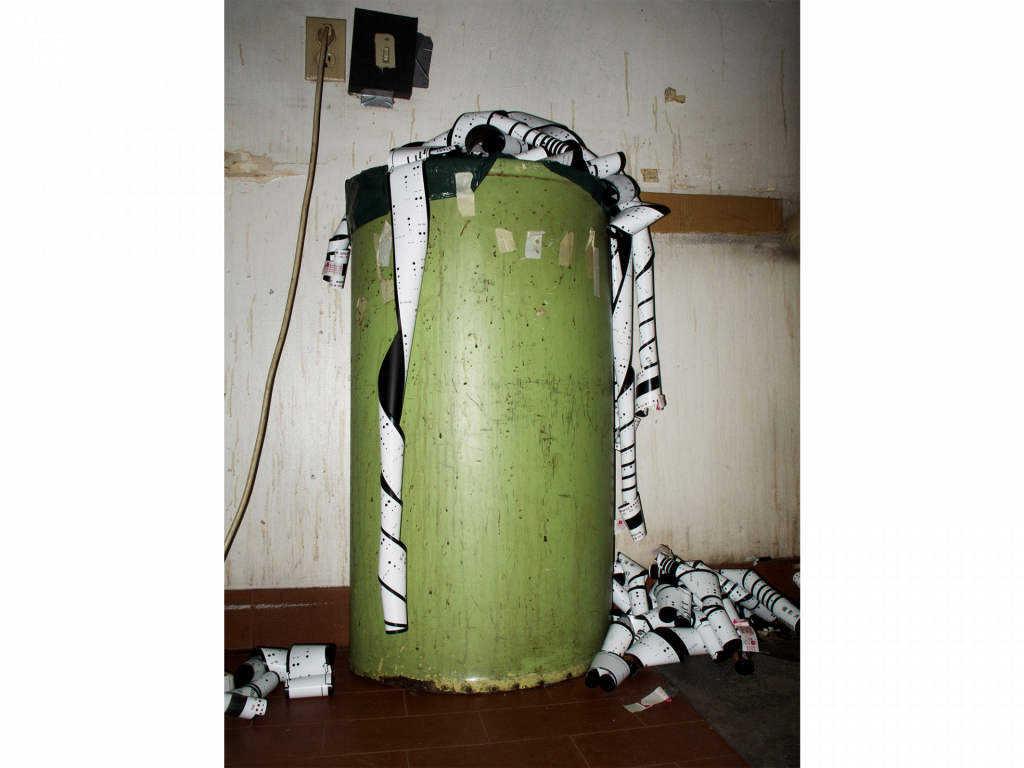
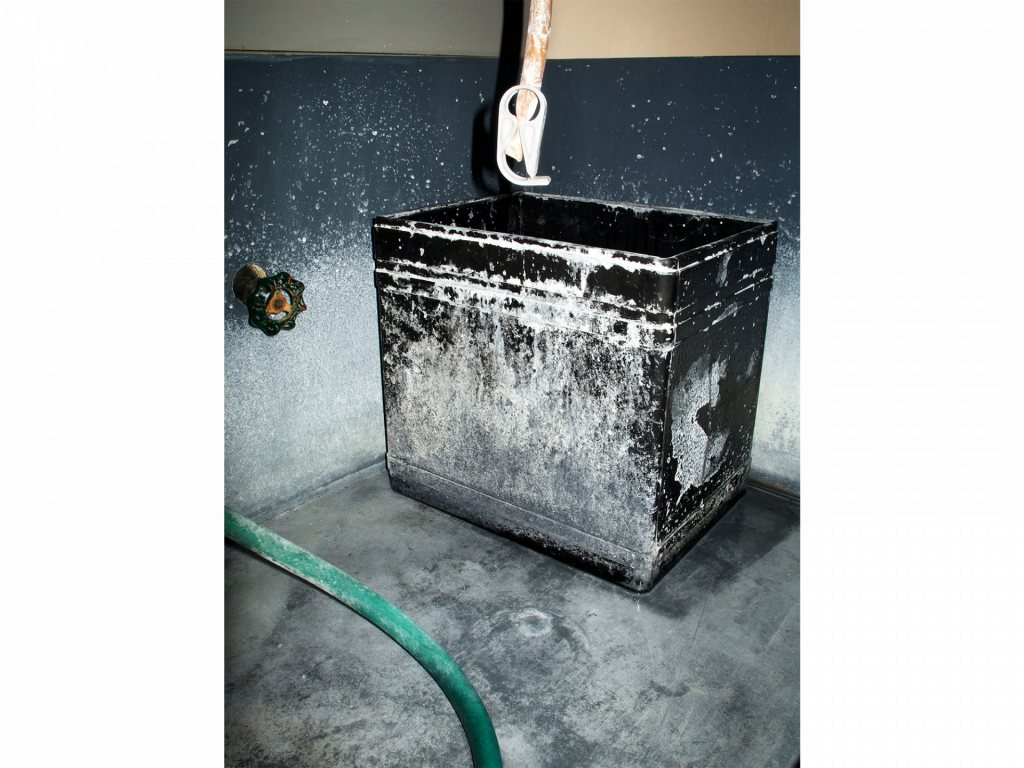
Darkroom by Michel Campeau 17 Sept – 20 Dec 2026 Arnos Vale Cemetery Bath Rd, Arno’s Vale, Bristol, BS4 3EW In collaboration with Martin Parr Foundation
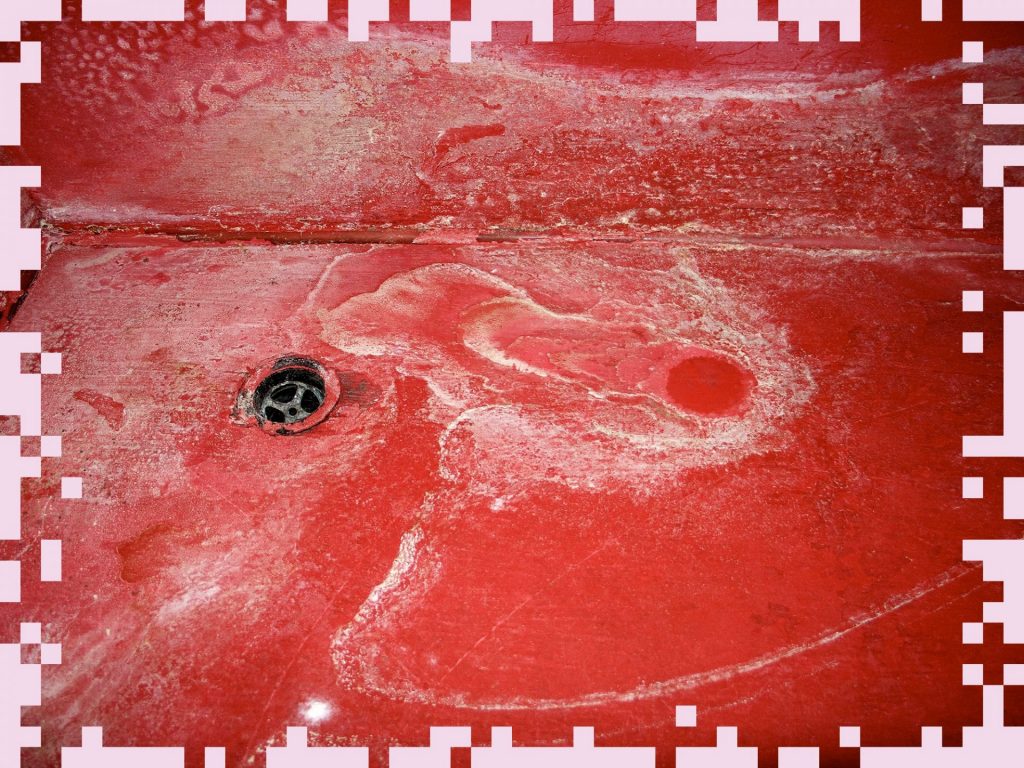
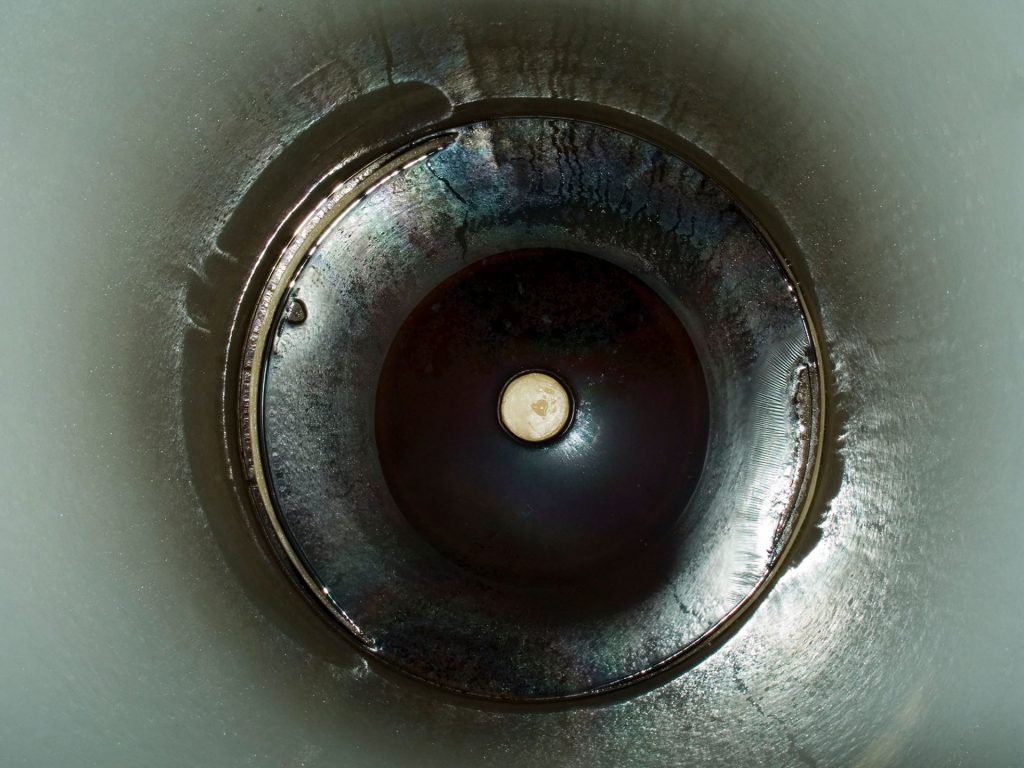
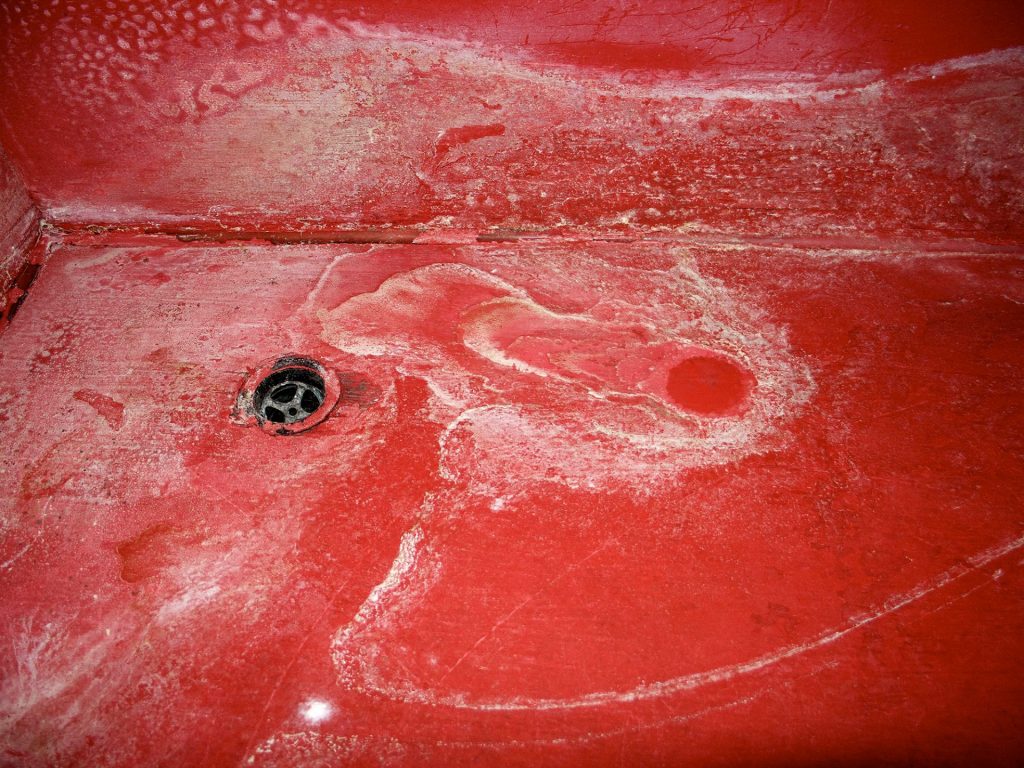
Since 2005, Michel Campeau has documented photographic darkrooms as they disappear in the wake of digital photography. Once essential spaces of image-making, these workplaces are reimagined as sites of ritual, labour and memory. Photographed with a digital camera and direct flash, the series avoids nostalgia, instead revealing the worn surfaces, improvised repairs and handwritten notes that bear witness to the tactile processes of analogue printing. Darkroom reflects on the material culture of photography and the traces of human labour embedded within its disappearing spaces.
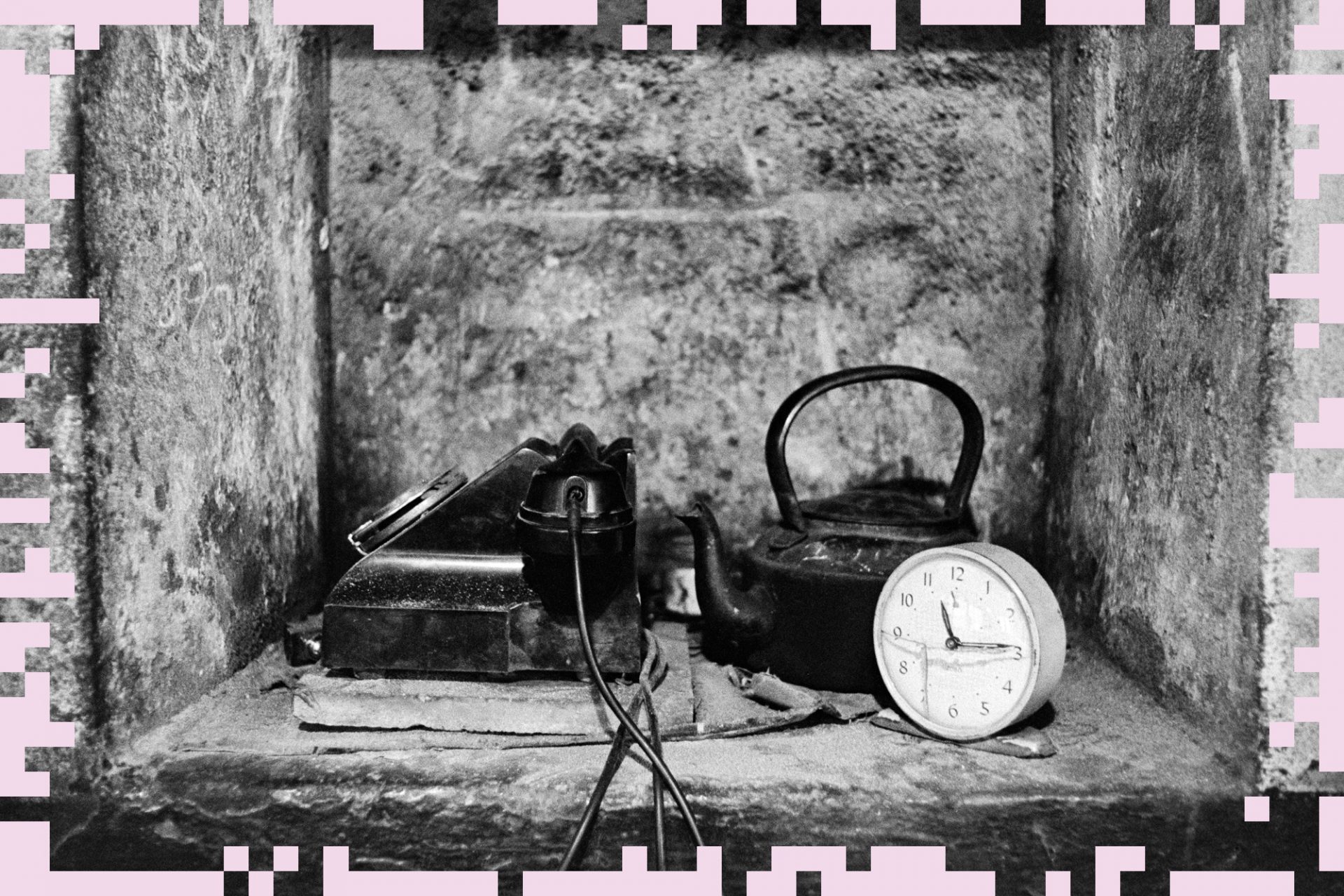
Dark Tales: British Documentary Photography and the Gothic Curated by Isaac Blease 17 Sept – 20 Dec 2026 Martin Parr Foundation Paintworks, 316, Arno’s Vale, Bristol, BS4 3AR In collaboration with Martin Parr Foundation
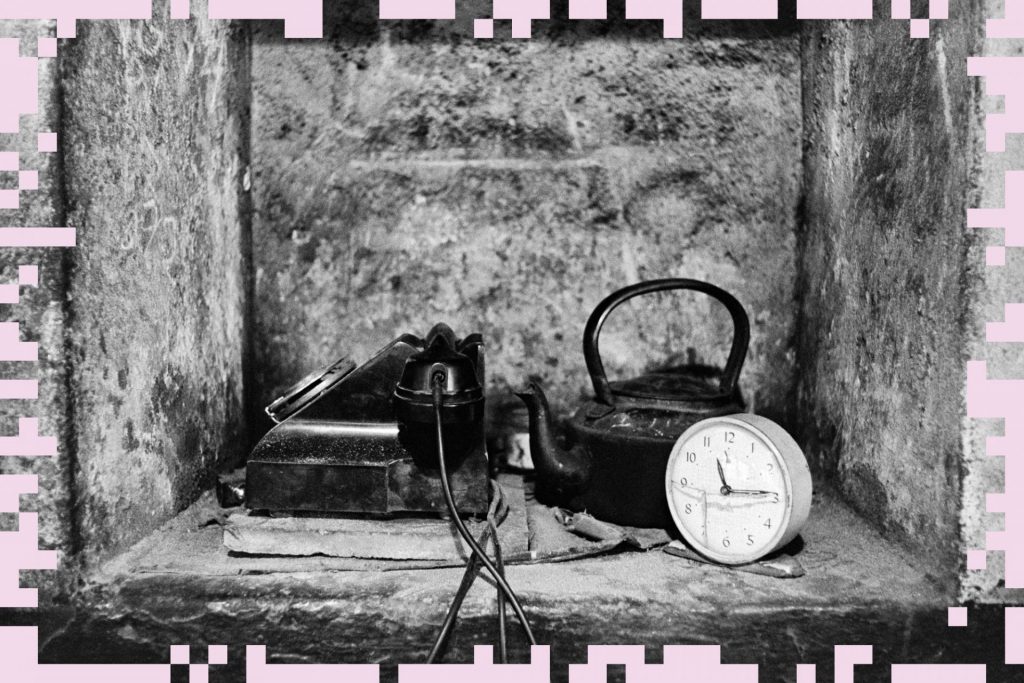
Spanning more than 80 years, Dark Tales explores the relationship between the Gothic and British documentary photography. Drawing primarily from the Martin Parr Foundation Collection, the exhibition brings together celebrated and lesser-known works depicting post-war Britain to the present through waning industries, unsettling domestic scenes and shadowy nocturnal landscapes. Revealing the uncanny within the everyday, the photographs explore fear, desire and uncertainty while reconsidering documentary photography through the Gothic imagination at a moment when the medium itself faces profound technological and cultural change.
Persistence Studies by Sheida Solemani 14 Oct 2026 to 14 Feb 2027 Bristol Museum & Art Gallery Queens Rd, Clifton, Bristol, BS8 1RL In collaboration with Brigstow Institute & Bristol Museum & Art Galleries
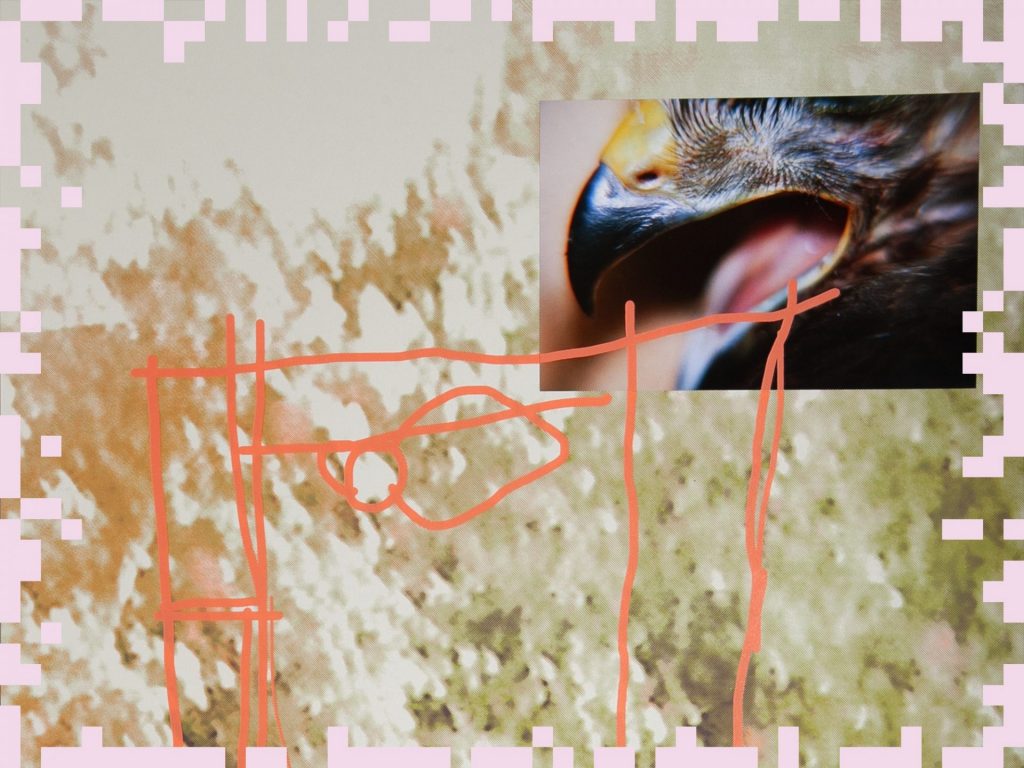
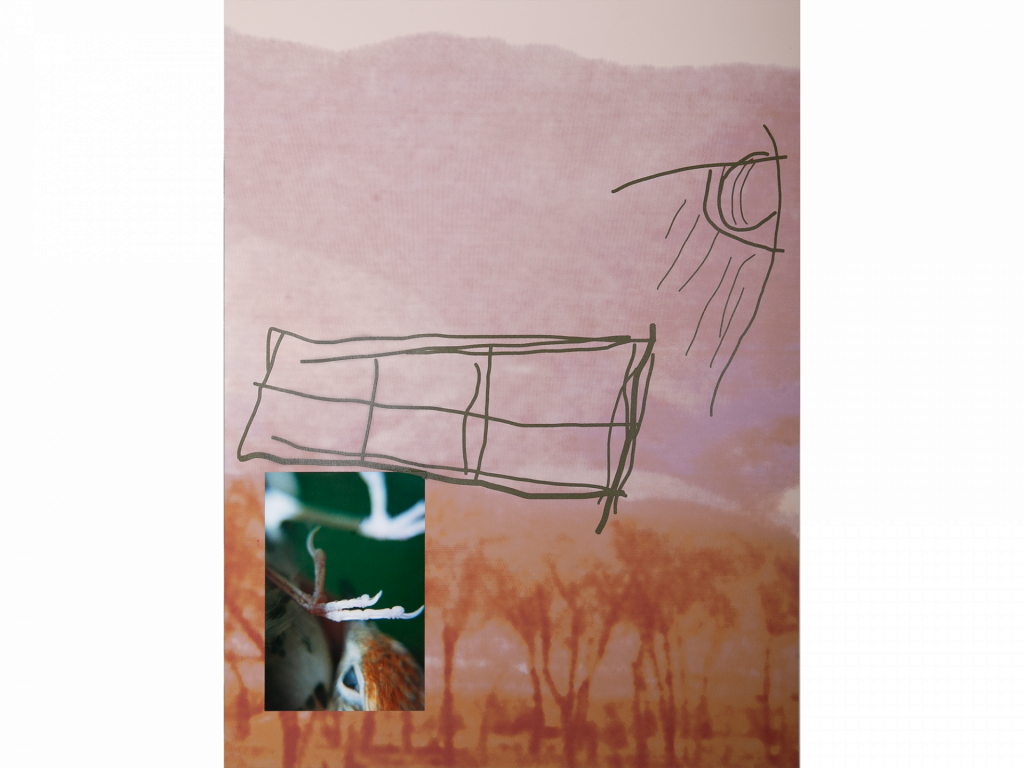
Persistence Studies takes its title from avian ecology, where the term describes research into how long birds remain within a landscape before disappearing. Focusing on European Starlings and House Sparrows, the exhibition explores shifting ideas of nativeness, invasion and belonging. Native to the UK but introduced to North America, these birds are considered invasive in one place while declining in another. Through their contradictory histories, the work examines how value is assigned to life and what it means to persist in landscapes transformed by human activity.
One of Many: An Alternative History of Photography 14 Oct to 15 Nov 2026 Albion Dockside Hanover Place, Bristol, BS1 6XT In collaboration with the French Institute in the UK
Questioning conventional histories of photography, this exhibition challenges the familiar narrative centred on figures such as Nicéphore Niépce and William Henry Fox Talbot. Instead, it proposes that photography’s history is multiple, shaped as much by exclusion as inclusion. Through a dialogue between France and the UK, leading curators, scholars and institutions present alternative perspectives that reconsider how photographic histories are constructed, remembered and reimagined. Invited selectors include Mark Sealy, Taous Dahmani, Christine Eyene, Sergio Valenzuela Escobedo and Annabelle Lacour.
No Pasarán by Anna Jornet, Julián Barón and Natasha Christia 16 Oct to 15 Nov 2026 Redcliffe Caves Phoenix Wharf, Redcliffe Way, Redcliffe, Bristol BS1 6SR In collaboration with Insitut Ramon Llull, Acción Cultural Española and Instituto Cervantes
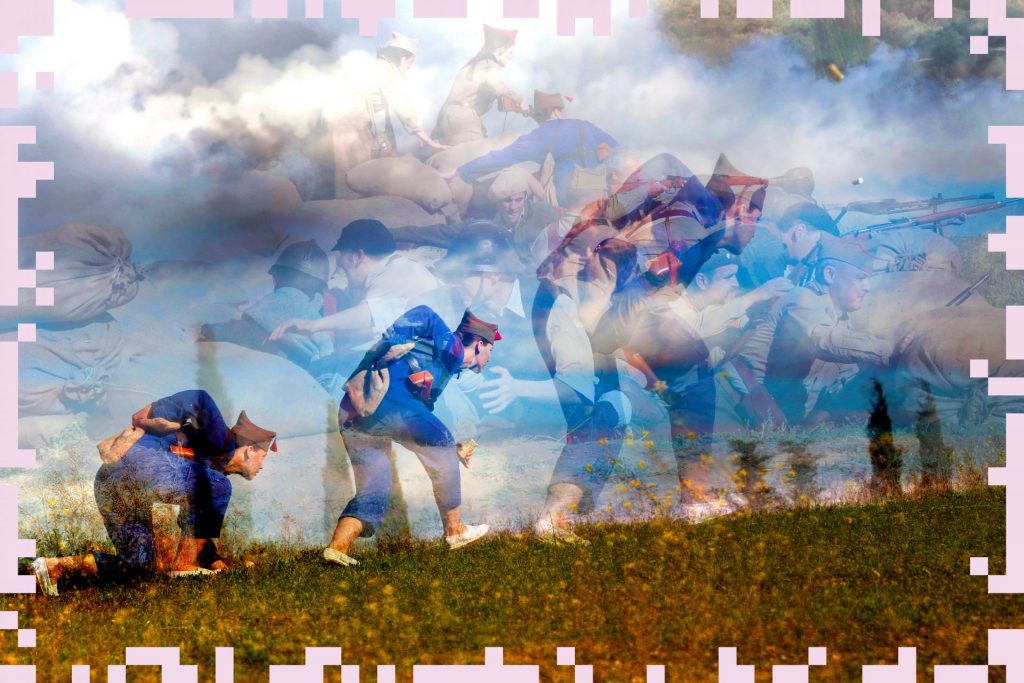
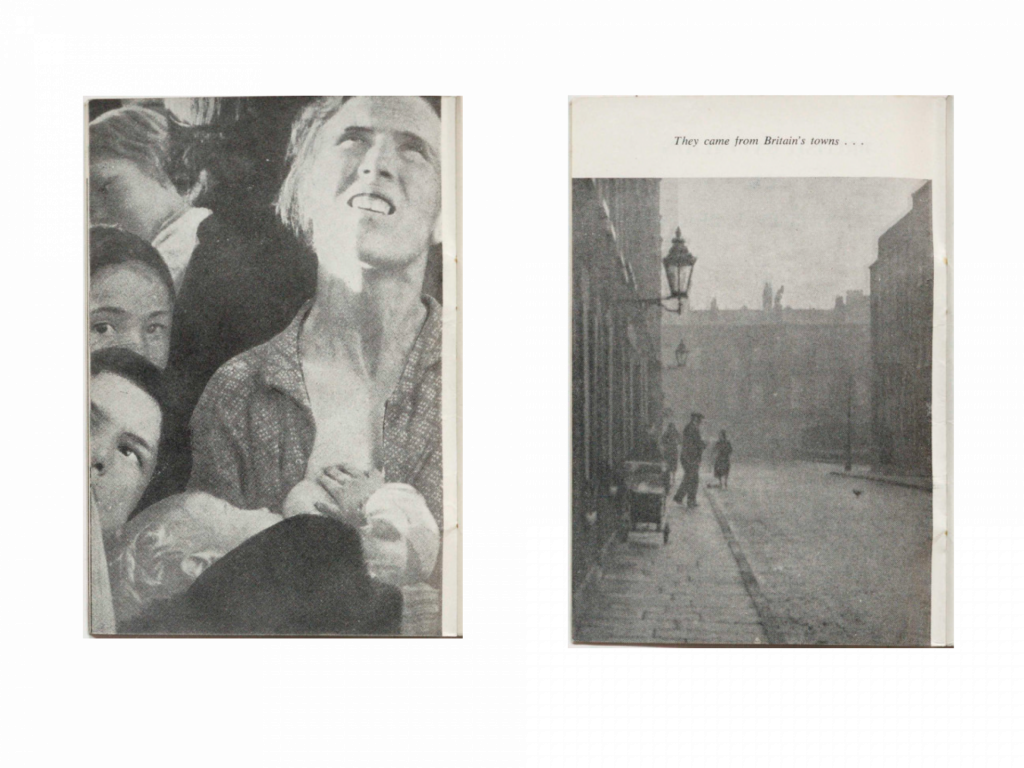
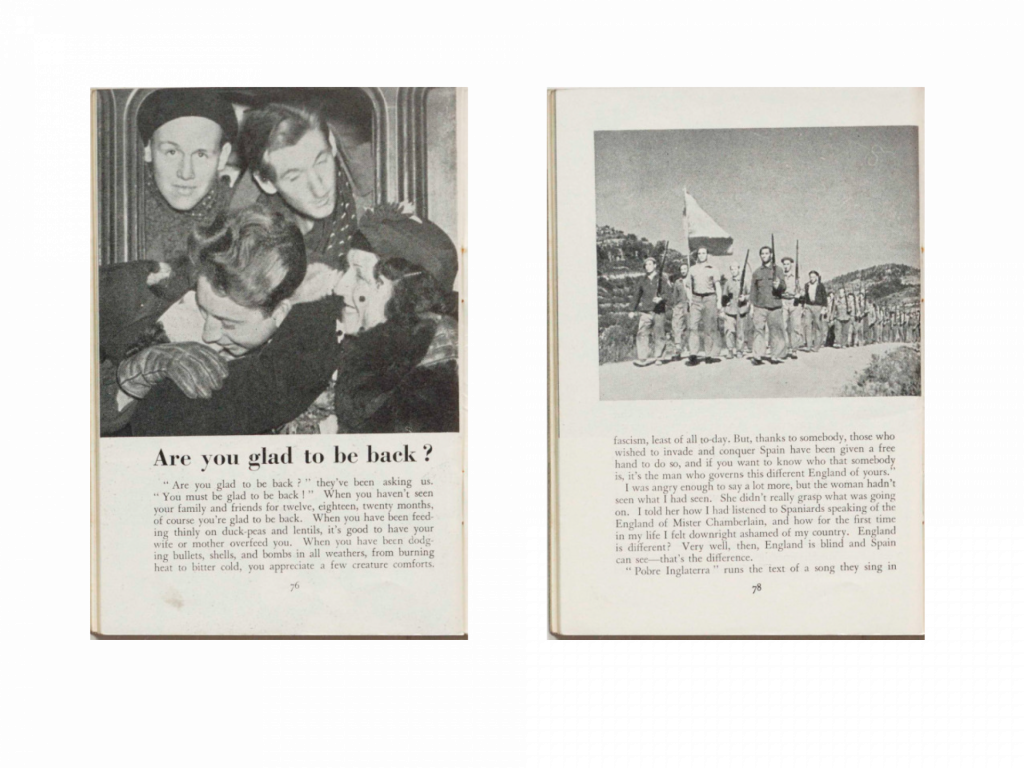
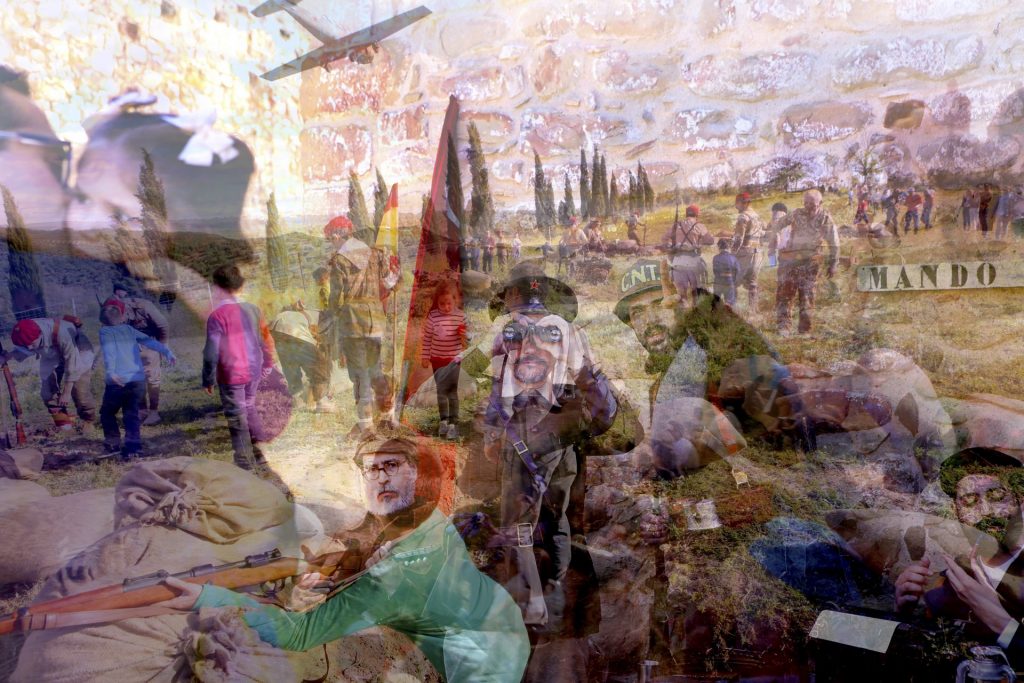
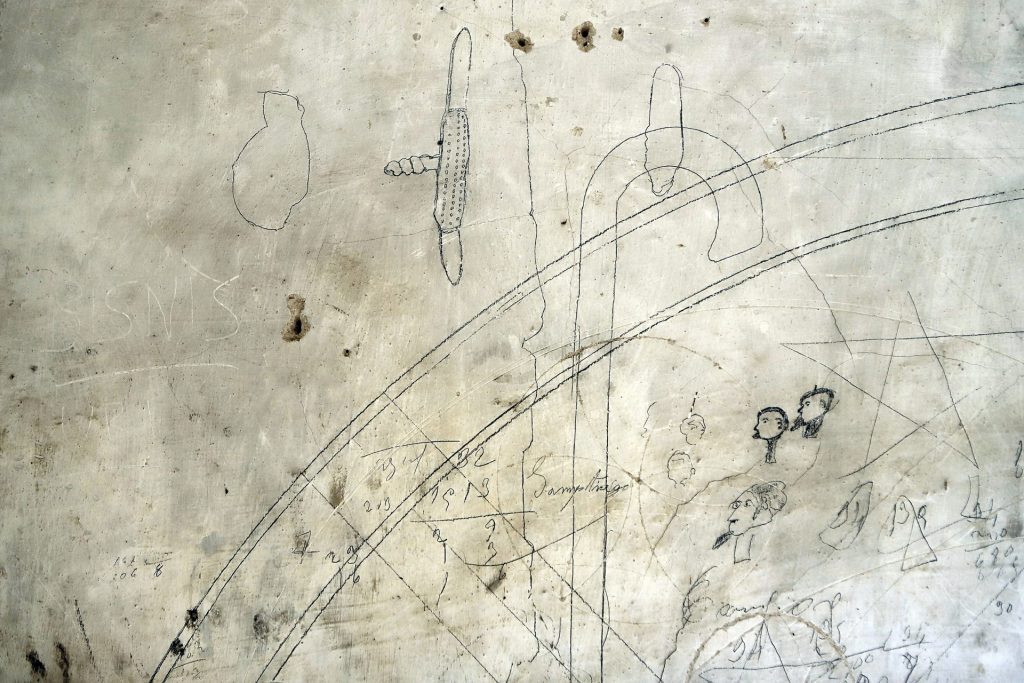
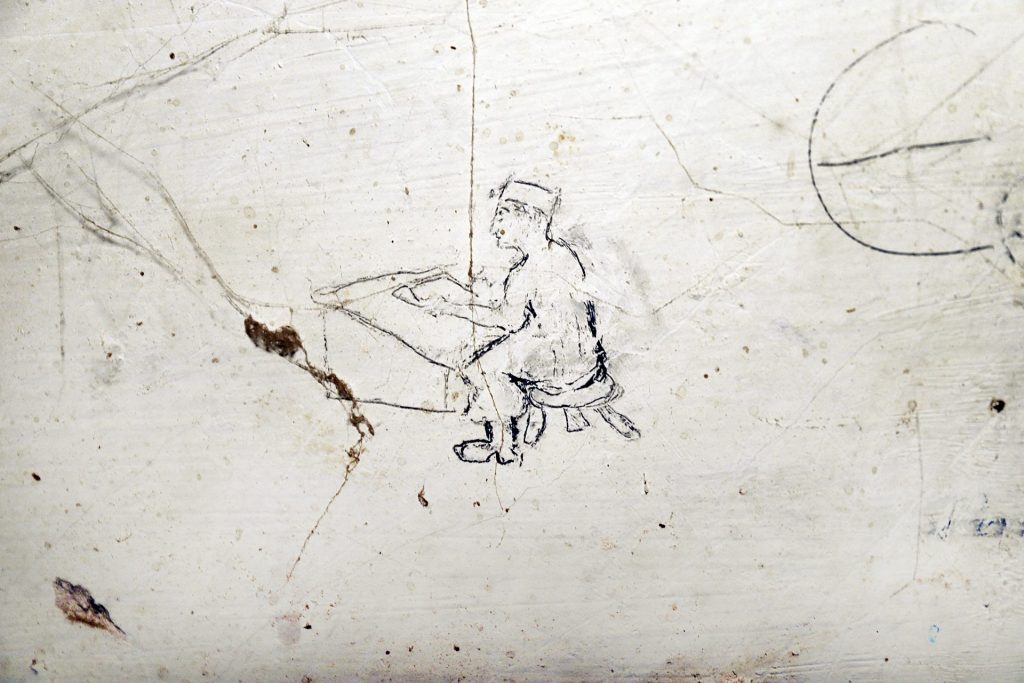
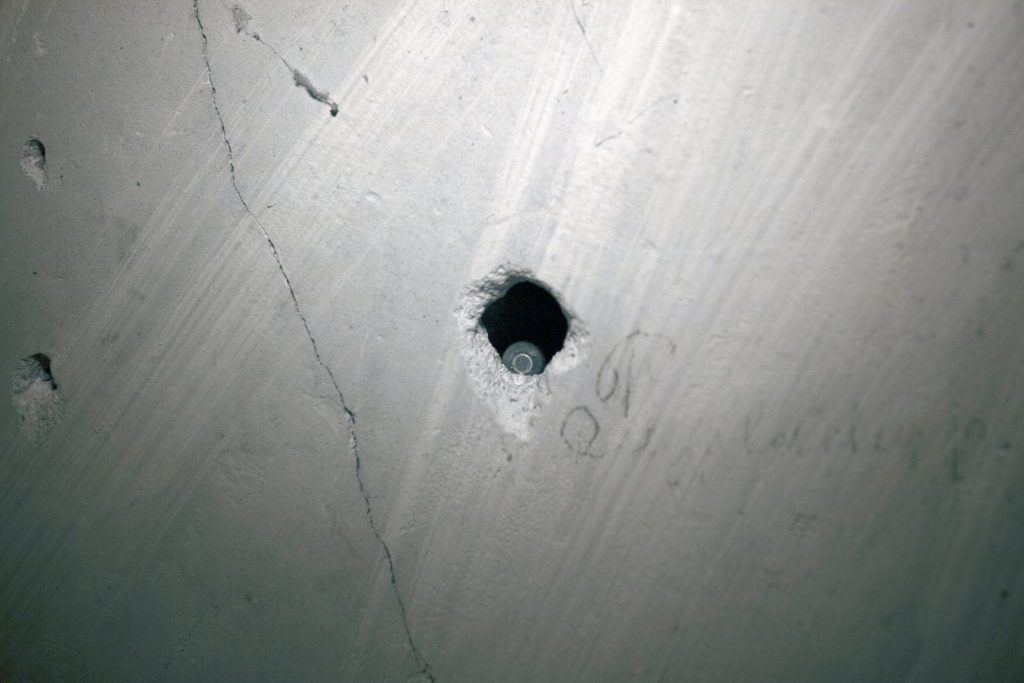
Marking the 90th anniversary of the Spanish Civil War, No Pasarán brings together three artists and researchers exploring history, memory and resistance. Julian Barón examines how the war is remembered through historical reenactments and the fading inscriptions left by Republican militia on the walls of an abandoned barracks. Anna Jornet traces her grandfather’s forced labour under Franco, revealing the hidden histories embedded within everyday infrastructure. Natasha Christia presents archival research into the International Brigades, drawing on collections across Spain, Greece and the UK to illuminate histories of international anti-fascist solidarity.
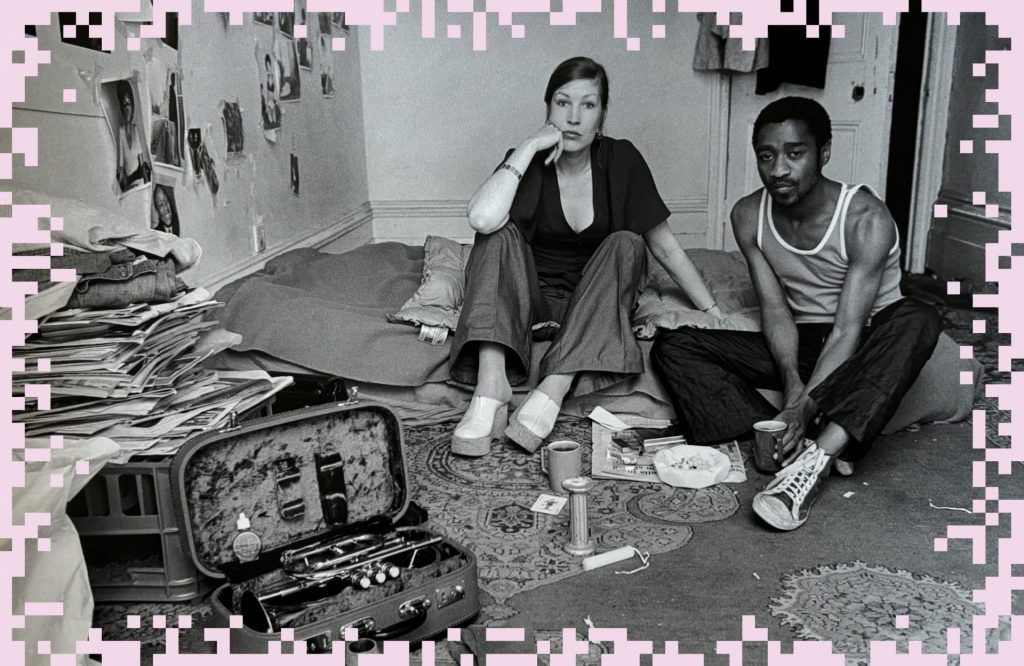
George Hallett, Mongezi Feza (Musician) & friend at home. London, 1973. Courtesy George Hallett Research Collection
George Hallet: Home & Exile Curated by Christine Eyene 14 Oct to 15 Nov 2026 IC Visual Lab 6 West St, St. Phillips, Bristol, BS2 0BH In collaboration with Liverpool John Moores University
South African photographer George Hallett (1942–2020) documented everyday life, cultural identity and resistance throughout apartheid and exile, himself living in exile in Europe from 1970 to the mid-1990s. This exhibition presents a selection of images, archive material, and books around the figure of South African author, journalist, and political activist Alex La Guma (1924-1985) who came to Bristol in 1966 to talk about the injustice of apartheid.
The display also includes photographic compositions featuring exiled South African activists, visual artists, and jazz musicians. These images, selected from a vast body of work, showcase the link between South African exile in Britain in the 1970s and 80s, jazz, and African literature, materialised on the book covers Hallett designed for Heinemann’s African Writers Series during those two decades.
Curated by Christine Eyene and presented at IC Visual Lab – the former home of Bristol’s Southern Africa Resource Centre (SARC).
People of Clay by Akshay Mahajan 14 Oct 2026 to 14 Feb 2027 Bristol Museum & Art Gallery Queens Rd, Clifton, Bristol, BS8 1RL In collaboration with Bristol Museum & Art Galleries, Friends of BMAG, & ArtFund
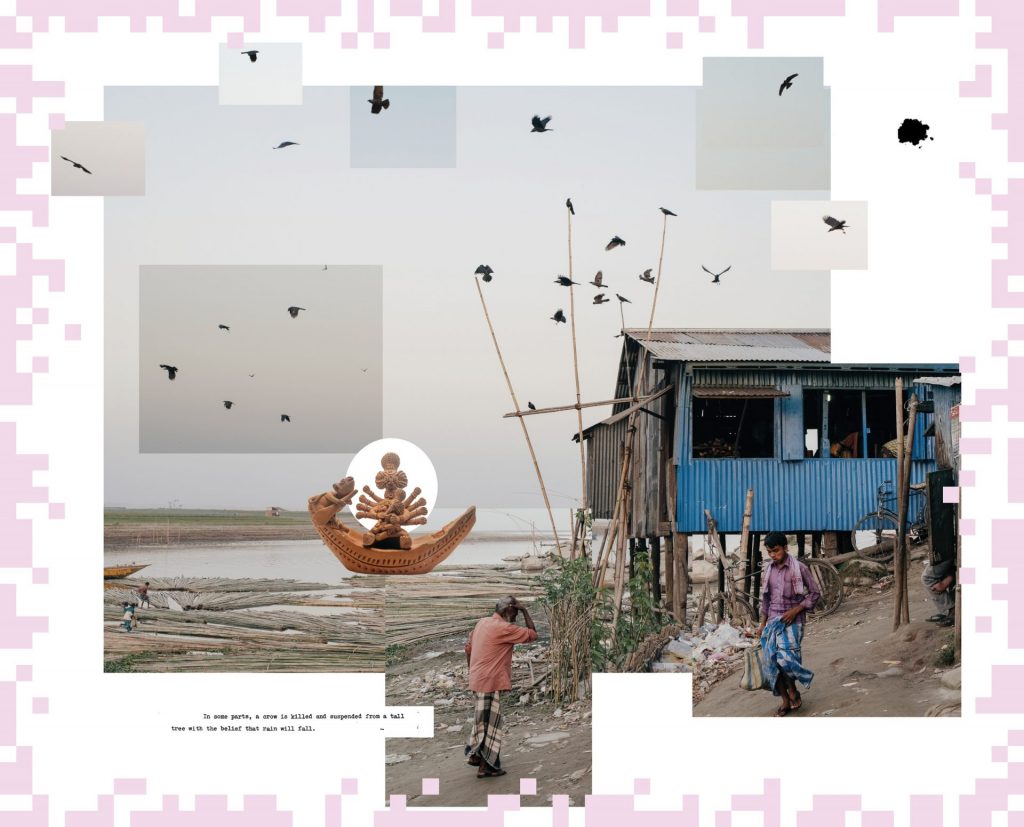
Akshay Mahajan’s People of Clay (2016 – present) traces hidden histories along the Brahmaputra River, exploring the stories, myths and memories of communities divided by colonial borders. Through photography, collage and found materials, Mahajan creates a subjective cartography shaped by listening, observation and engagement. Drawing on local folklore, the work reimagines forgotten narratives and challenges official histories, revealing memory as something constantly transformed and retold. People of Clay becomes an act of remembrance, reflecting on identity, belonging and the fluid landscapes we inherit.
Family Times by Annie Wang & Liu Hsing Yu 16 Oct to 11 Nov 2026 Centrespace Gallery 6 Leonard Ln, Bristol, BS1 1EA In collaboration with Ministry of Culture, Republic of China (Taiwan)
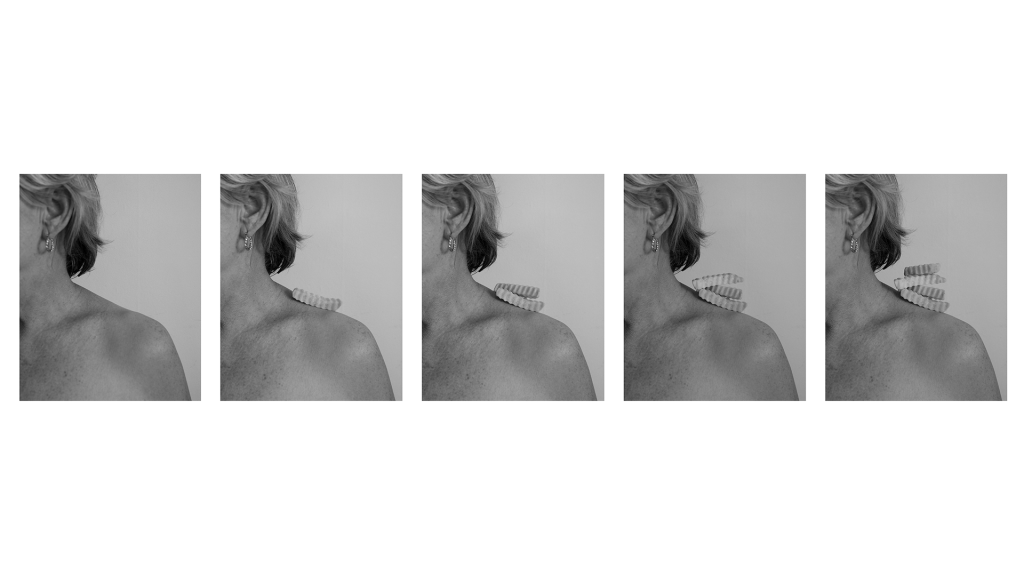
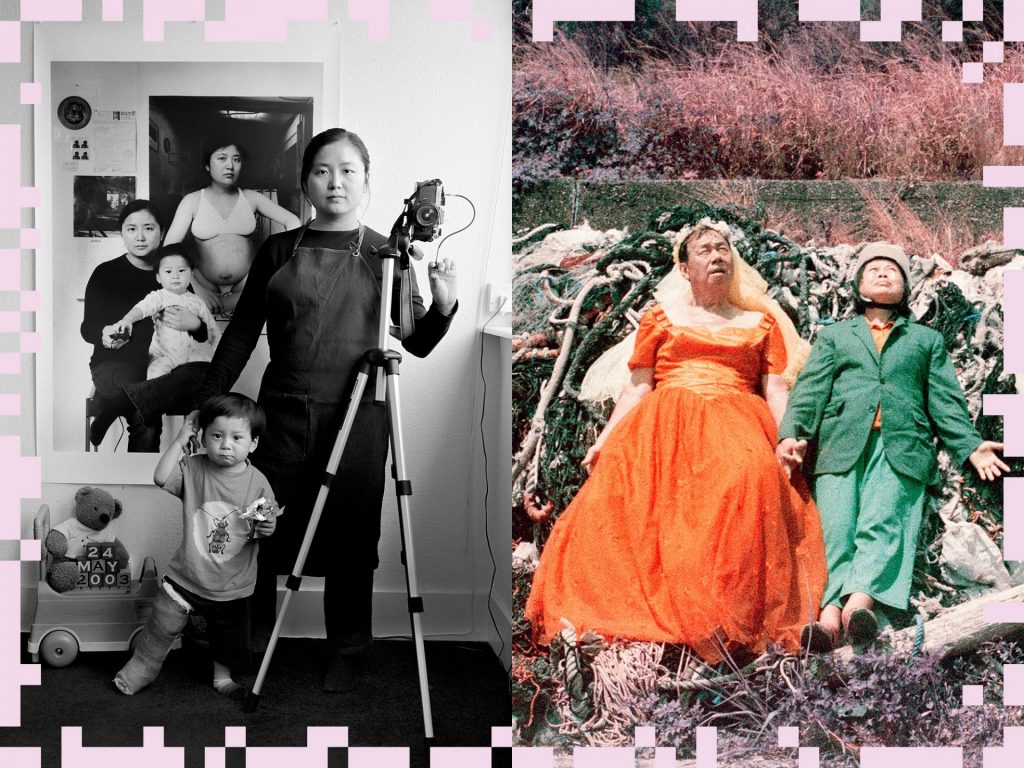
Family Times explores how family relationships are continually reshaped by time, memory, care and social change through the work of Liu Hsing Yu and Annie Wang. In My Father and Mother, Liu recreates his parents’ wedding photograph with their roles reversed, using performance and family history to reflect on identity, belonging and Taiwan’s changing attitudes towards gender and sexuality. In The Mother as a Creator, Wang photographs herself and her son each year, layering past and present into a visual “time tunnel” that reveals motherhood as an evolving relationship. Together, the works show family as something constantly remade through ritual, repetition and care.
Beyond the Bounds by Holly Lynton 16 Oct to 11 Nov 2026 Bristol Cathedral College Green, Bristol, BS1 5TJ In collaboration with Bristol Cathedral, Spectrum & HAPAX
For more than fifteen years, Holly Lynton has explored the intersections of faith, history, labour and landscape across rural communities in the United States. Beyond the Bounds (2019 – present) examines places shaped by spiritual awakenings, from towns founded by psychics to former sites of religious revival. Through a slow, collaborative approach, Lynton reveals how faith persists in everyday life and how landscapes continue to hold the traces of belief, migration and cultural transformation within America’s complex religious history.
Stray Sod by Maria Lax 14 Oct to 15 Nov 2026 Venue TBC In collaboration with Frame | Contemporary Art Finland
Inspired by Irish folklore, Stray Sod explores enchanted patches of earth believed to disorient those who step upon them, leading them into unfamiliar worlds. Drawing on accounts from the Irish National Folklore Collection, Maria Lax reimagines rural Irish landscapes through a supernatural lens. The work reflects on moments of uncertainty and transformation, connecting traditional stories of becoming lost with the destabilising effects of grief, political change and rapid technological shifts in contemporary life.
For further press information on the festival programme, images, and interview requests please contact Sam Trenerry – samtrenerry@yahoo.com/ +44 (0)7780 991 811
NOTES TO EDITORS
About Bristol Photo Festival
Bristol Photo Festival is an international biennial of contemporary photography.
We organise a programme of exhibitions, talks and workshops, bringing together leading photographic voices from across the world. Alongside this work, we develop long-term projects in collaboration with local communities. There is no hierarchy between our engagement and exhibition programmes – both are treated with the same care, rigour and level resource.
As an organisation, we believe in the power of photography as a tool to experience the world anew. Our mission is to present nuanced and unexpected stories that foster greater understanding of shared pasts, presents and futures. Our work is internationally focussed yet locally grounded, built from the urgencies of our city and its inhabitants. As a platform, we support artists to experiment, creating work that breaks with convention, exploring the possibilities of photography as a political tool today. The second edition (2024) drew 115,000 visitors, with 16 exhibitions staged across the city’s museums, galleries and independent spaces.
The third edition of Bristol Photo Festival is managed and produced by IC Visual Lab (ICVL), an independent visual arts organisation based in Bristol (UK). bristolphotofestival.org
Press Contact: Sam Trenerry samtrenerry@yahoo.com +44 (0)7780 991 811
Kegham Djeghalian Sr was born in Anatolia in 1915, with his family shortly forced to flee due to the outbreak of the Armenian genocide. They first moved to Syria, later settling in British Mandate Palestine, where in 1944 he established Photo Kegham, the first commercial photography studio in Gaza. The studio documented Palestinian daily life despite the often violent upheaval that was taking place during this time, most notably marked by the creation of the State of Israel in 1948.
Much of the archive of Photo Kegham has been tragically lost. However, three boxes of photographs remain, now in the possession of Kegham Djeghalian Jr, the grandson of the studio’s original founder. The exhibition presents the images and materials that remain, focusing on the story of Djeghalian Sr, as well as the visual history of Gaza itself. For Djeghalian Jr, the project is a way of connecting with the history of a place to which he cannot physically return, while also disrupting the dominant narratives that surround Gaza.
Biography
Kegham Djeghalian Jr is a Cairo- and Paris-based Palestinian-Armenian visual artist, creative director and fashion practitioner, whose work lies at the intersection of photography, image, the archive and fashion practices. His artistic pieces and interventions have been exhibited and presented internationally at institutions such as the Centre Pompidou, Paris, and The Photographers’ Gallery, London, and they have been published by Afterall Books, Central Saint Martins (UAL), London. He is a professor of Fashion Practices and Visual Culture at the German International University, where he is also the artistic director of the Fashion Design Department.
Djeghalian is working on a multifaceted long-term project activating the endangered archive of his grandfather, Kegham Djeghalian Sr (1915–1981), the founder of Gaza’s first commercial photography studio. Djeghalian Sr is known as the most prominent photographer of mid-twentieth-century Gaza, as he documented the city through its transitions as well as its people.
In 2005, the Canadian photographer Michel Campeau set out to document photographic darkrooms – spaces increasingly rendered obsolete by the rise of digital photography. Once essential sites of image-making, these workspaces are reimagined through Campeau’s photographs as places of ritual, labour and memory, prompting reflection on what is lost as they disappear.
Campeau has photographed more than 75 darkrooms, primarily in his native Canada but also across countries including Cuba and Niger. Each image bears witness to the repetitive, tactile processes of analogue printing. Worn surfaces reveal years of photographers leaning into the same positions to adjust enlargers and equipment; improvised repairs, with duct tape holding together ageing tools that can no longer be easily replaced, speak to the ingenuity of their users. Handwritten notes taped to walls and enlargers hint at the meticulous routines, technical precision and quiet obsession that underpin the printing process.
Photographed with a digital camera and direct flash, the series deliberately resists nostalgia. Rather than advocating a return to analogue photography, Darkroom foregrounds the material culture of photographic practice, revealing the traces of human labour embedded within these spaces. In doing so, Campeau invites viewers to consider how photographs are shaped not only by the images they depict, but also by the technologies, environments and rituals through which they are made.
This exhibition has been produced by Martin Parr Foundation to accompany the MPF exhibition Dark Tales: British Documentary Photography and the Gothic, curated by Isaac Blease.
Biography
Michel Campeau (b. 1948) is a Canadian photographer, writer and collector whose work explores the subjective, narrative and material dimensions of photography. Over the past two decades, his research has focused on the material culture of photographic practice, examining the spaces, tools and histories of analogue image-making. His celebrated Darkroom series (2005–2010) has been exhibited internationally, including at the Rencontres d’Arles and the Musée Nicéphore Niépce, while major solo exhibitions include Icons of Obsolescence at the National Gallery of Canada (2013) and Life Before Digital at the McCord Museum (2018). Campeau received the Jean-Paul Riopelle Career Grant in 2009 and the Duke and Duchess of York Prize in 2010. He lives and works in Montréal.
Dark Tales: British Documentary Photography and the Gothic, curated by Isaac Blease
With images spanning a period of more than 80 years, Dark Tales explores the complex relationship between the Gothic and British documentary photography, depicting Britain from the post-war period to the present day. The photographs in the exhibition reveal waning industrial powers, claustrophobic domestic scenes, and menacing nocturnal activities.
The exhibition brings together a selection of renowned images alongside lesser-known photographs, drawn primarily from the Martin Parr Foundation Collection. Together, they reveal people and places that are both resilient and haunted, charged with both fear and desire. Throughout the exhibition, the Gothic principle that horror thrives in close proximity to the familiar resonates, uncovering the uncanny within the everyday.
“Interest in the Gothic resurfaces during times of uncertainty, and documentary photography itself is in a dark moment, with its purpose and role in question, public distrust of ‘photographers’, and the existential threat posed by artificial intelligence. This moment of turmoil presents intriguing conditions to explore the Gothic imagination as a relevant lens through which to re-examine the medium, while also reveling in the ambiguity of images and the multitude of meanings they evoke.” – Isaac Blease, Curator
The exhibition includes work by Kjell-Åke Andersson, Bill Brandt, Anna Fox, Robert Frank, Don McCullin, Lee Miller, John Myers, Akihiko Okamura, Sue Packer, Martin Parr, Charlie Phillips, Sarah Pickering, Alice Poyzer, Jo Spence, Janine Wiedel and Donovan Wylie, among others.
In avian ecology, ‘persistence studies’ is a field of research measuring how long birds can persist within a given landscape; how long their bodies remain present before ultimately disappearing. Used to estimate mortality, population change and the unseen impacts of human infrastructure, these studies rely on the tension between presence and absence, survival and disappearance.
Focusing on European starlings and house sparrows— species native to the United Kingdom but introduced to North America—the exhibition considers the instability of categories such as native and invasive, alongside broader questions of belonging. While both birds are widely regarded as invasive pests in the United States, their populations have undergone significant declines across parts of their native range. Through these shifting ecological narratives, Persistence Studies examines how value is assigned to life, how movement transforms identity and what it means to endure within landscapes irrevocably altered by human intervention.
This new commissioned work is produced in response to the 30,000 bird collection currently held at the Bristol Museums and Art Galleries.
Biography
Sheida Soleimani’s work explores intersections of art and activism, melding sculpture, performance, film and photography to highlight critical perspectives on events across the Middle East, unpicking the complex power dynamics between the region and western nations. Soleimani’s work interrogates the dissemination of information in digital contexts, adapting found images from press and social media leaks to exist within alternative scenarios. Her photographs document constructed sets within her studio, in which repeating images carve out trompe l’oeil perspectives in a visual metaphor for the competing political narratives relayed by her source materials.
Sheida Soleimani (b. 1990) received her MFA from Cranbrook Academy of Art in 2015. Recent solo exhibitions include Flyways, Harlan Levey Projects, Brussels, Belgium (2026); Forest of Stars, Yancey Richardson Gallery, New York, NY, USA (2026); What a Revolutionary Must Know, Cincinnatti Arts Center, Cincinnatti, OH, US (2025). In 2026 Soleimani was awarded a Guggenheim Fellowship. Sheida Soleimani lives and works in Providence, Rhode Island.
In July 1936, a fascist uprising led by General Franco attempted to overthrow Spain’s democratic government. In response, workers and peasants took up arms to fight back. What followed was a brutal civil war that foreshadowed the global conflict to come. Yet the war was also a moment of social revolution as ordinary workers mobilised to fight for a different vision of society. This sparked unprecedented international solidarity with volunteers from across the world—including Bristol and the surrounding region—joining the International Brigades in defence of the Spanish Republic.
To mark the 90th anniversary of the war, the exhibition No Pasarán brings together the work of three Spanish artists and researchers engaged with themes of history and memory:
Julián Barón’s The Magic Labyrinth documents historical reenactments of the Spanish Civil War, staged across the country by reenactment troupes and attended by local audiences. Often described as the first media war due to its extensive documentation by photographers and filmmakers, the conflict established many of the visual tropes of war. Barón’s images play with these archetypes, creating a visual labyrinth of symbols that connects past and present while questioning how history is remembered, performed, and mediated.
In The Dead Hours (Las Horas Muertas), Barón documents the fading graphite drawings and writings left by Republican militia members on the walls of an abandoned factory in Bajo Aragón that served as a barracks during the war. Through a forensic visual approach, he reveals these fragile inscriptions as an intimate archive of memory, preserving traces of lives that continue to inhabit the ruins.
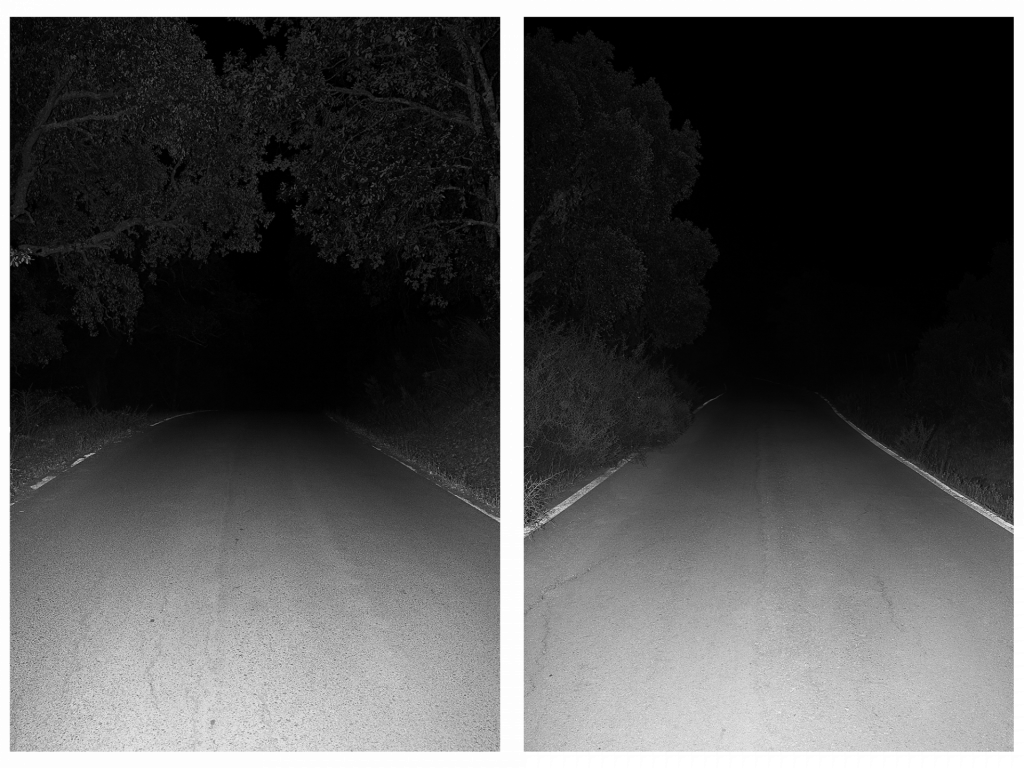
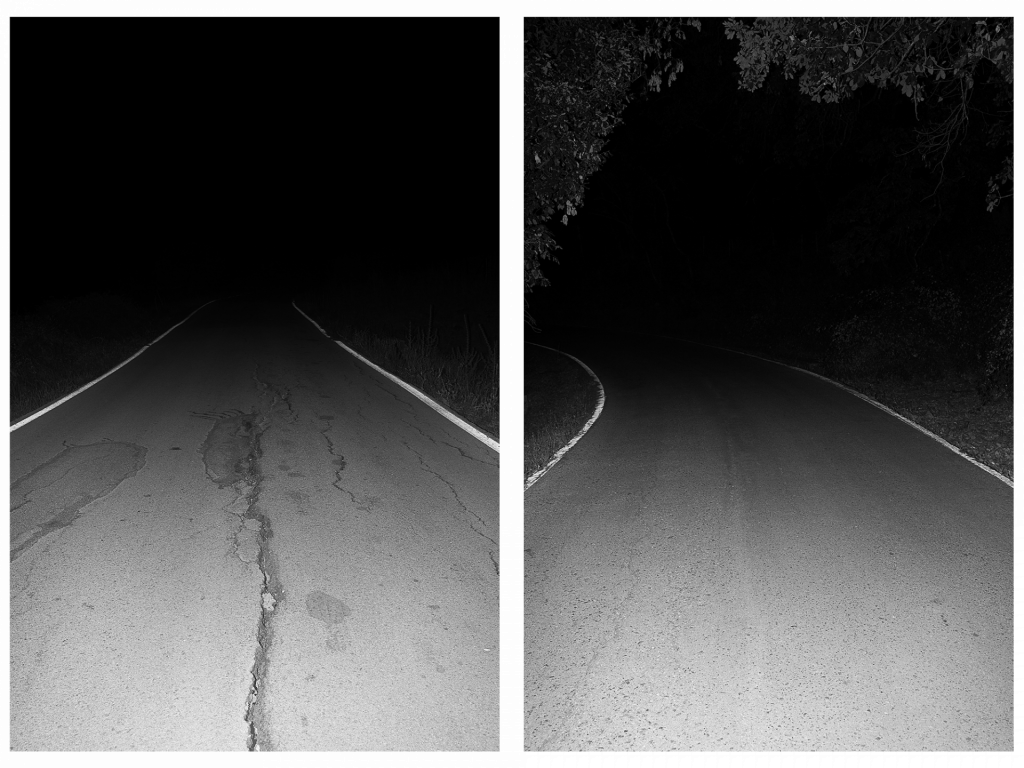
Anna Jornet’s work centres on the story of her grandfather, who, shortly after the Spanish Civil War, was assigned by the Franco regime to a battalion of forced labourers tasked with repairing roads damaged during the conflict. He worked on the construction of a mountain pass intended to facilitate the movement of troops in preparation for a potential attack on British-controlled Gibraltar. The road becomes an allegory for the end of his youth, marking his conscription into a state project founded on coercion and violence. Through this deeply personal history, Jornet reveals the hidden narratives embedded within everyday infrastructure, asking how landscapes continue to bear the physical and psychological traces of authoritarian power.
Best known as a curator and writer, Natasha Christia is currently researching the visual history of the International Brigades, drawing upon state archives and informal collections, found across Spain, Greece and the UK. A selection of Christia’s materials will be presented as part of the exhibition, bringing to life memories of shared resistance.
Biographies
Julián Barón is a photographer and educator, focussed on the role of photography as a catalyst for social thought. His practice examines how images shape memory, history and identity, challenging dominant narratives and collective imaginaries. Originally trained as an industrial engineer, Baron left his job as a quality assurance manager for a road signage company to join Blank Paper Collective, ultimately directing the Blank Paper School in Valencia (2008-2015). His first book, CENSURA (2011), was shortlisted for the Paris Photo/Aperture Foundation First Photobook Award. In 2015, he was nominated for the Discovery Prize at Rencontres d’Arles. Since then, his work has been shown at the Centre d’Art Pompidou-Metz, the Netherlands Fotomuseum, the ChangJiang Biennale and Arts Santa Mònica.
Anna Jornet initially studied economics and law before pursuing a career in photography. Her work explores the relationships between photography, memory and place, with a particular focus on personal and collective histories. She has exhibited widely, including: Ressons de la Memòria (Castell de Montjuïc, Barcelona, 2024-2025); This Story Will Never Get Finished (Museu d’Art Modern de Tarragona, 2023-2024); C-3331/CA-8201 (Casa de Cultura de Girona, 2022); and Ventura (Biennal d’Art de Tarragona, 2021-2022). Her debut book, C-3331/CA-8201, was published by Ventura Edicions (2022).
Natasha Christia is an independent curator, writer and educator based in Barcelona, specialising in photography, photobooks and archives. Her research explores how photographic documents shape and challenge dominant historical narratives and ideological myths. She has led projects for institutions and festivals including DocField Barcelona, Photo Saint Germain, Krakow Photomonth, PHOTO Australia and SCAN Festival. Alongside her curatorial practice, Christia writes extensively on photography and has edited award-winning publications. She has served on numerous international photography juries and has taught photography and visual culture in Spain and internationally since 2008. Born in Athens, she lives and works in Barcelona.