
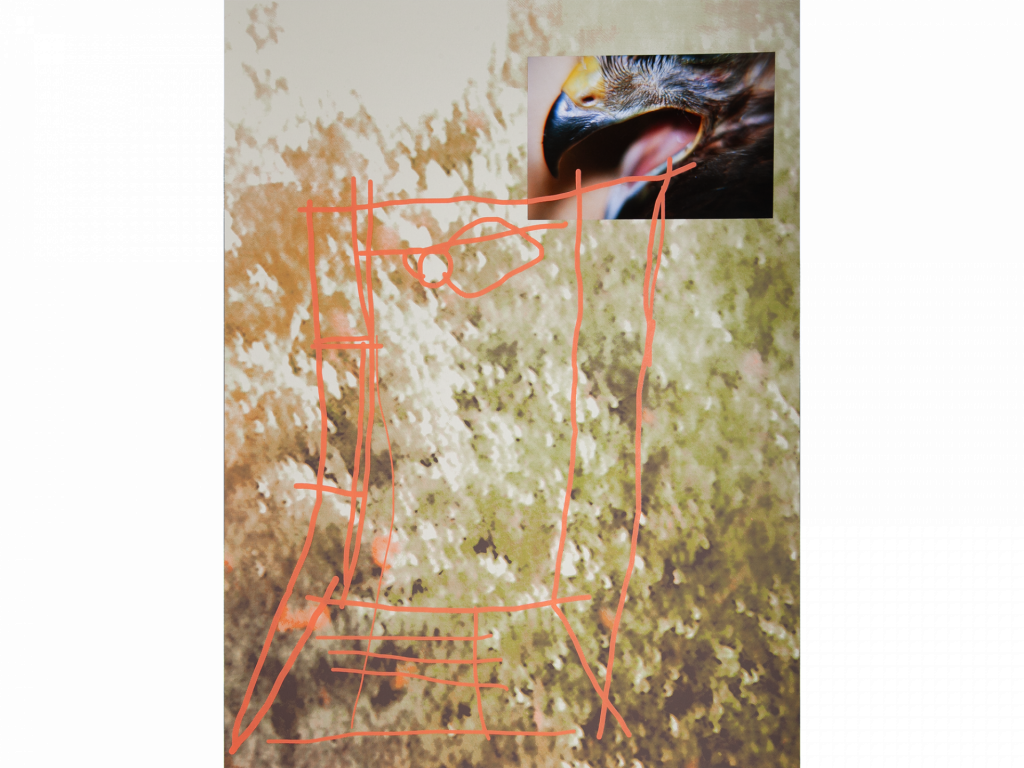
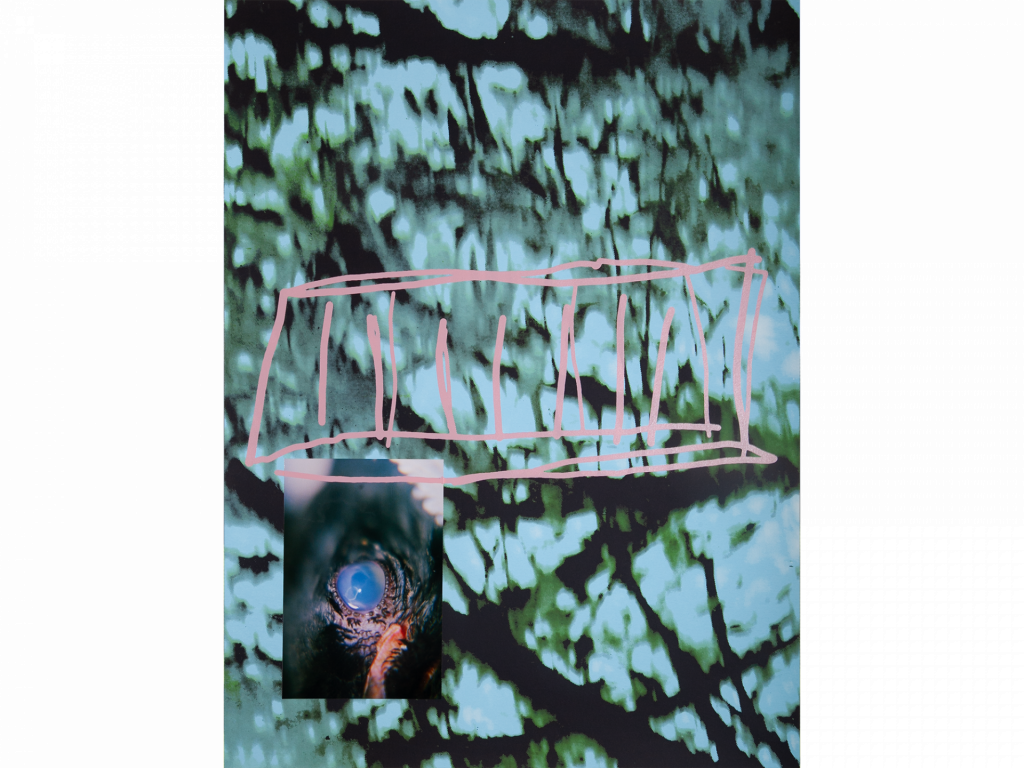
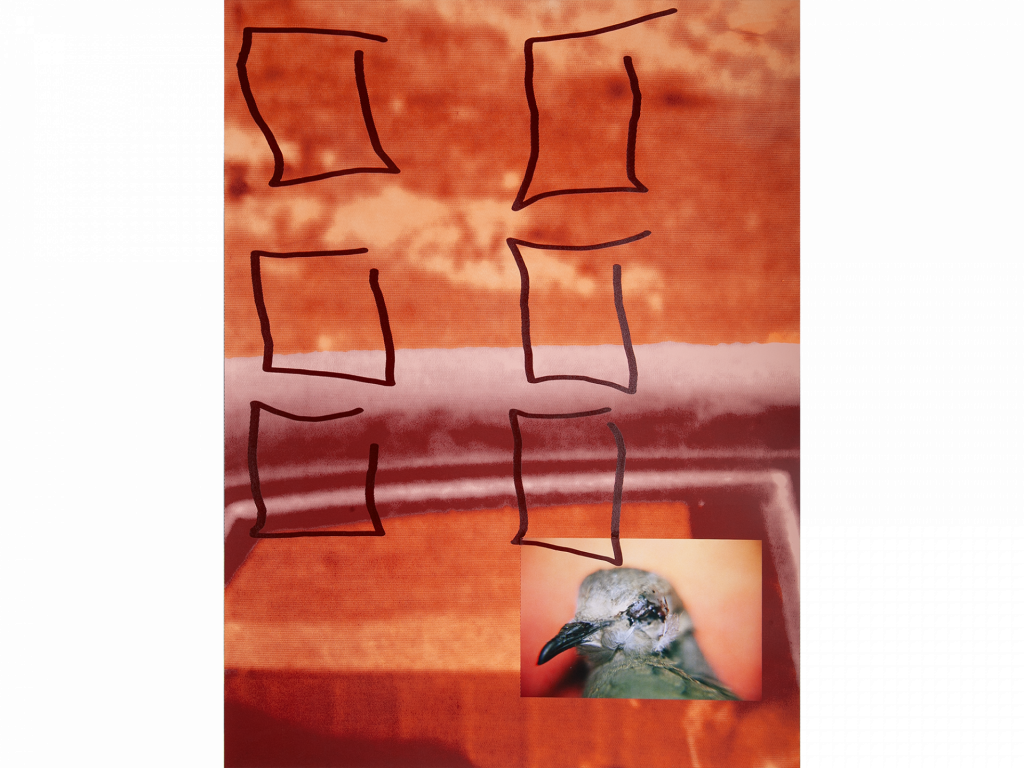
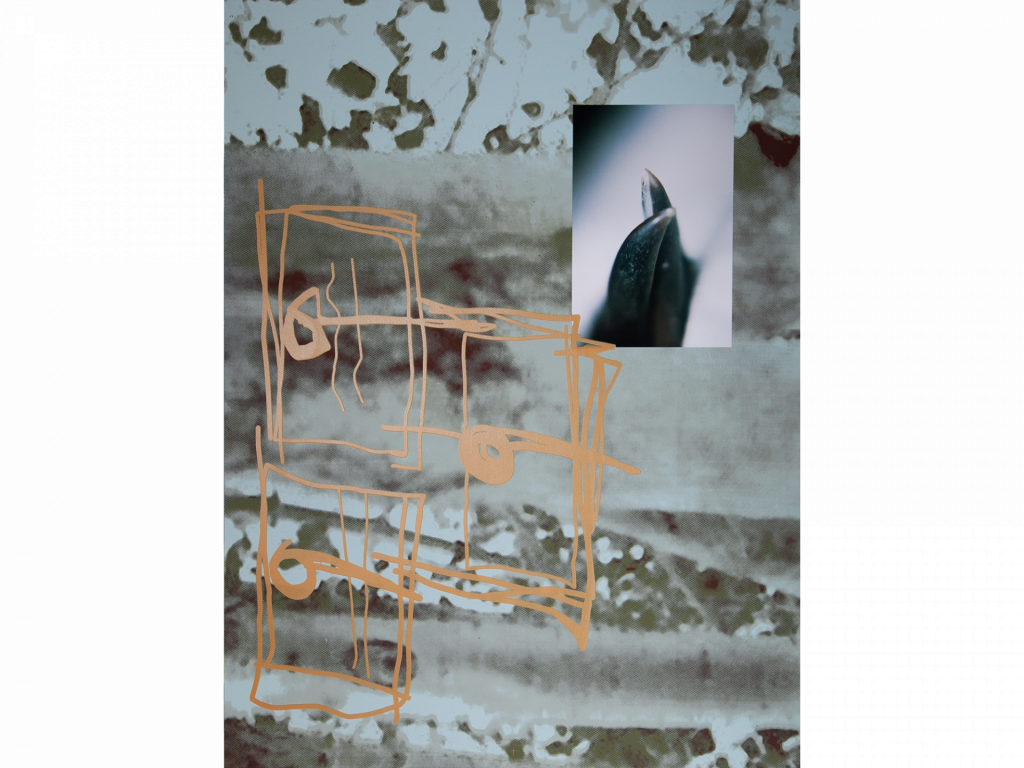
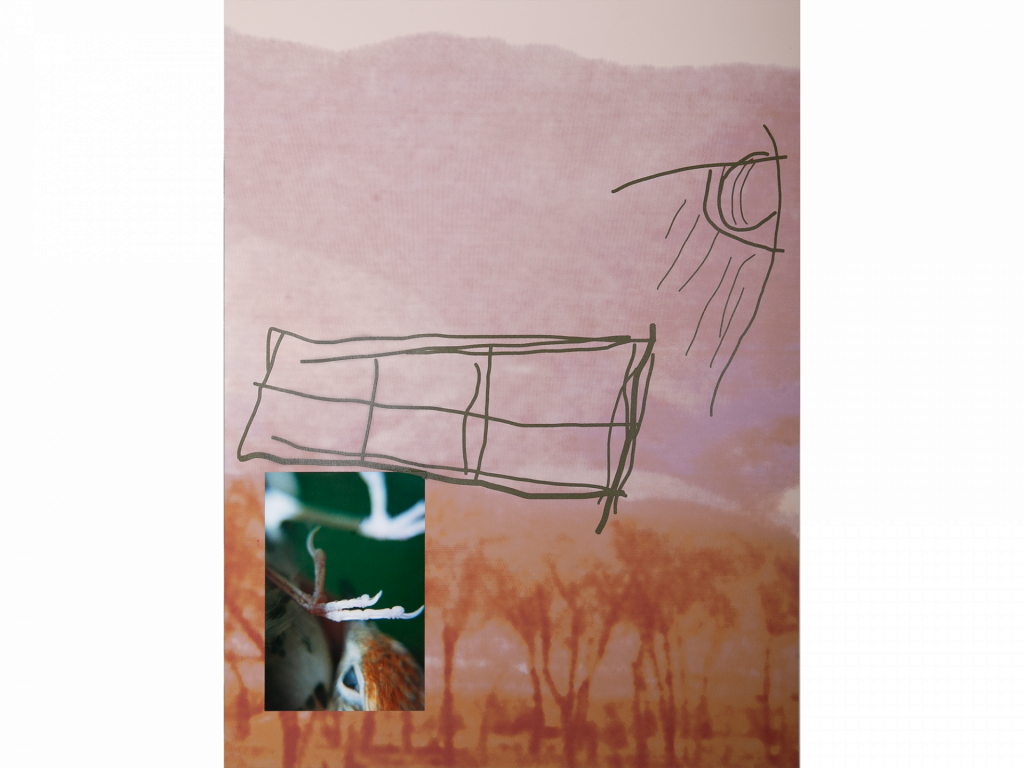
In avian ecology, ‘persistence studies’ is a field of research measuring how long birds can persist within a given landscape; how long their bodies remain present before ultimately disappearing. Used to estimate mortality, population change and the unseen impacts of human infrastructure, these studies rely on the tension between presence and absence, survival and disappearance.
Focusing on European starlings and house sparrows— species native to the United Kingdom but introduced to North America—the exhibition considers the instability of categories such as native and invasive, alongside broader questions of belonging. While both birds are widely regarded as invasive pests in the United States, their populations have undergone significant declines across parts of their native range. Through these shifting ecological narratives, Persistence Studies examines how value is assigned to life, how movement transforms identity and what it means to endure within landscapes irrevocably altered by human intervention.
This new commissioned work is produced in response to the 30,000 bird collection currently held at the Bristol Museums and Art Galleries.
Biography
Sheida Soleimani’s work explores intersections of art and activism, melding sculpture, performance, film and photography to highlight critical perspectives on events across the Middle East, unpicking the complex power dynamics between the region and western nations. Soleimani’s work interrogates the dissemination of information in digital contexts, adapting found images from press and social media leaks to exist within alternative scenarios. Her photographs document constructed sets within her studio, in which repeating images carve out trompe l’oeil perspectives in a visual metaphor for the competing political narratives relayed by her source materials.
Sheida Soleimani (b. 1990) received her MFA from Cranbrook Academy of Art in 2015. Recent solo exhibitions include Flyways, Harlan Levey Projects, Brussels, Belgium (2026); Forest of Stars, Yancey Richardson Gallery, New York, NY, USA (2026); What a Revolutionary Must Know, Cincinnatti Arts Center, Cincinnatti, OH, US (2025). In 2026 Soleimani was awarded a Guggenheim Fellowship. Sheida Soleimani lives and works in Providence, Rhode Island.
In July 1936, a fascist uprising led by General Franco attempted to overthrow Spain’s democratic government. In response, workers and peasants took up arms to fight back. What followed was a brutal civil war that foreshadowed the global conflict to come. Yet the war was also a moment of social revolution as ordinary workers mobilised to fight for a different vision of society. This sparked unprecedented international solidarity with volunteers from across the world—including Bristol and the surrounding region—joining the International Brigades in defence of the Spanish Republic.
To mark the 90th anniversary of the war, the exhibition No Pasarán brings together the work of three Spanish artists and researchers engaged with themes of history and memory:
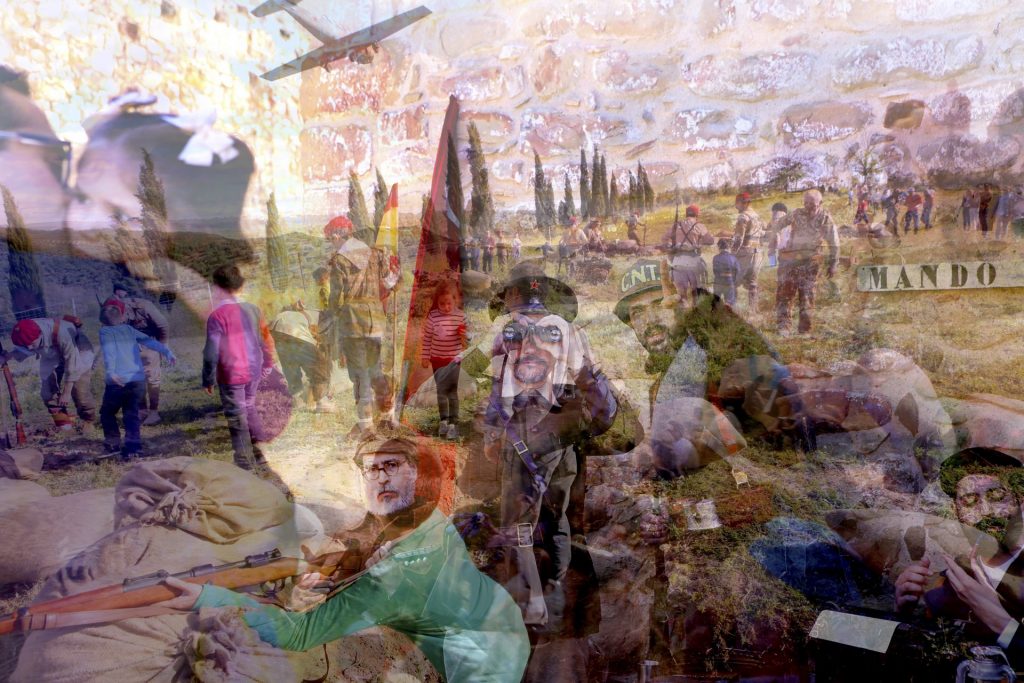
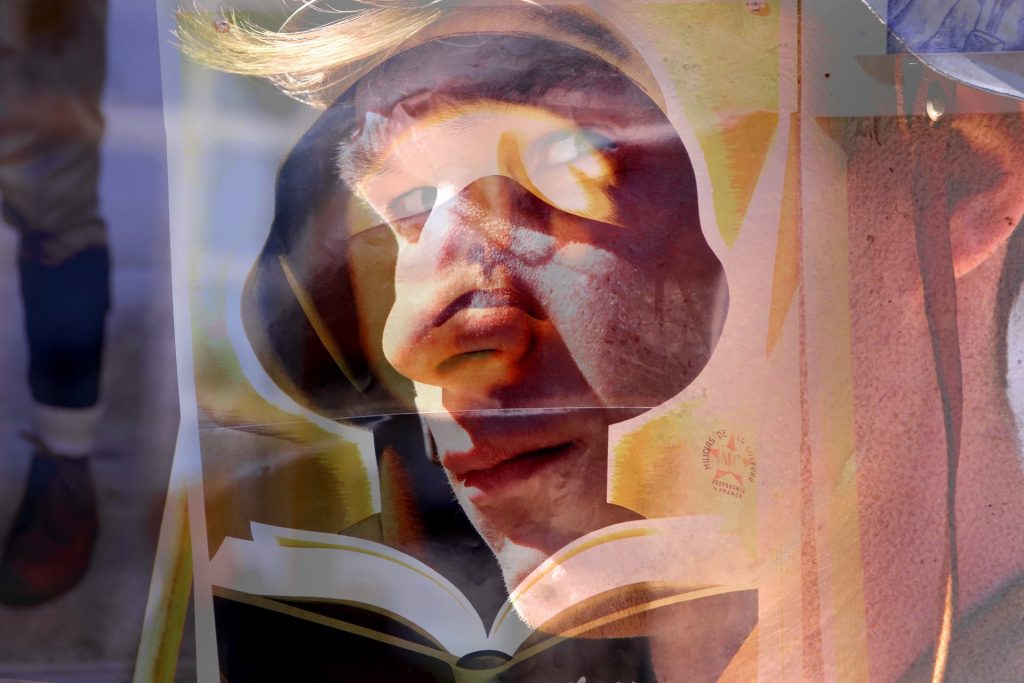
Julián Barón’s The Magic Labyrinth documents historical reenactments of the Spanish Civil War, staged across the country by reenactment troupes and attended by local audiences. Often described as the first media war due to its extensive documentation by photographers and filmmakers, the conflict established many of the visual tropes of war. Barón’s images play with these archetypes, creating a visual labyrinth of symbols that connects past and present while questioning how history is remembered, performed, and mediated.
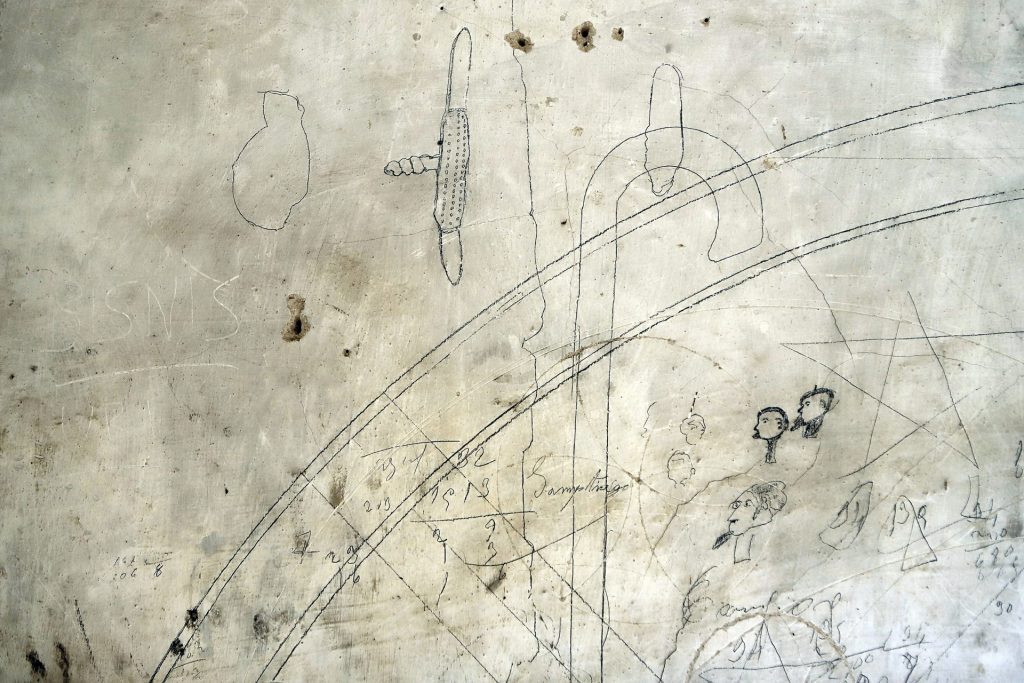
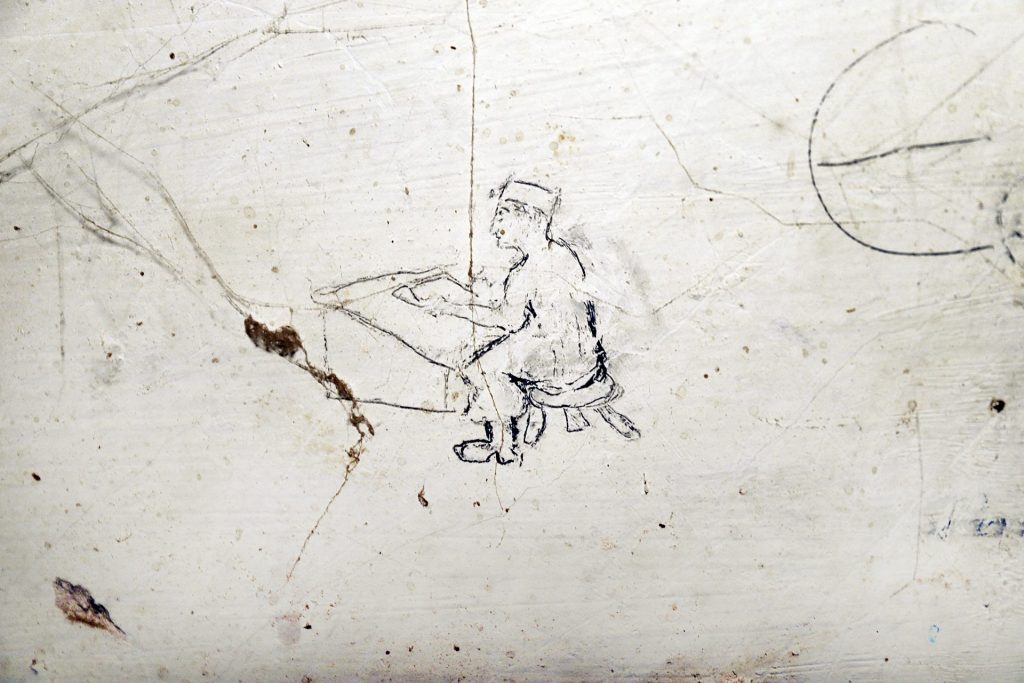
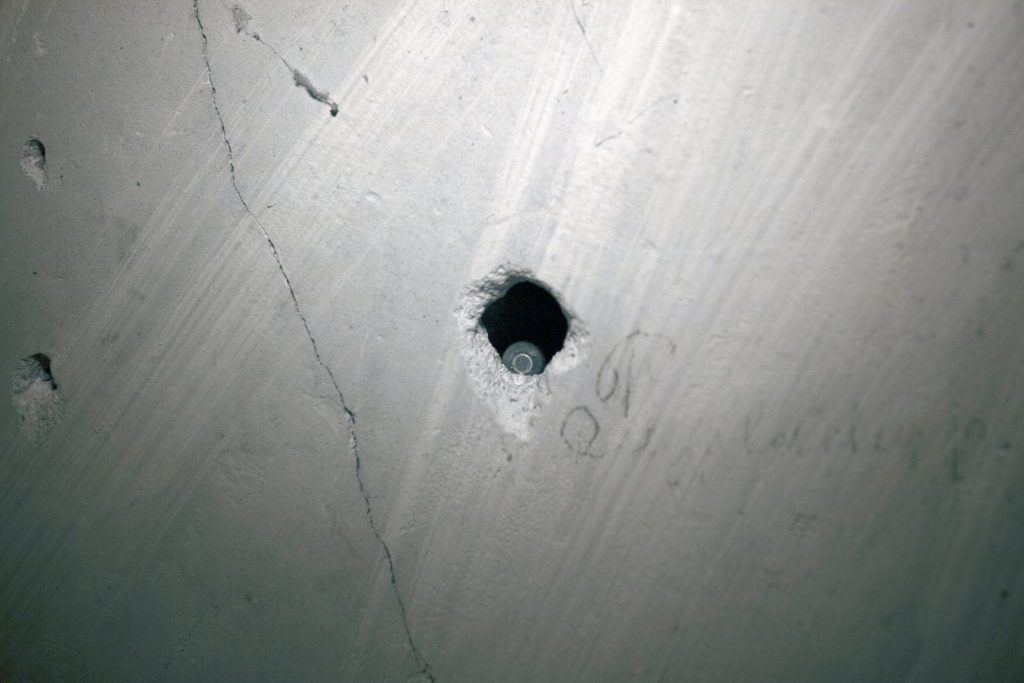
In The Dead Hours (Las Horas Muertas), Barón documents the fading graphite drawings and writings left by Republican militia members on the walls of an abandoned factory in Bajo Aragón that served as a barracks during the war. Through a forensic visual approach, he reveals these fragile inscriptions as an intimate archive of memory, preserving traces of lives that continue to inhabit the ruins.
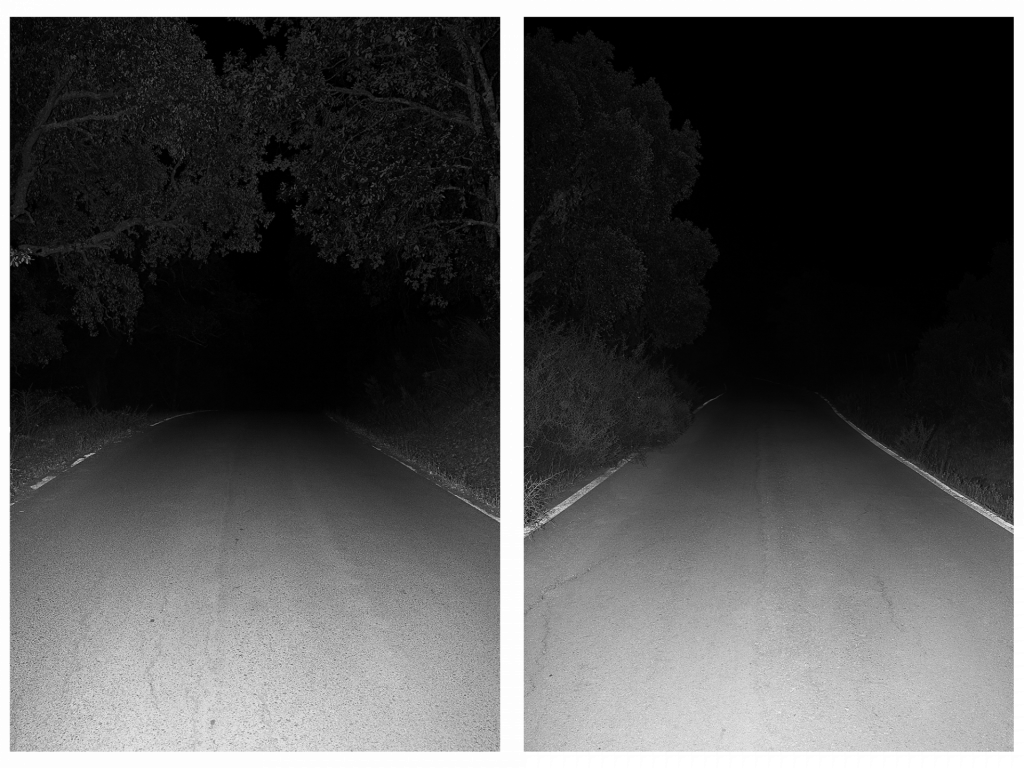
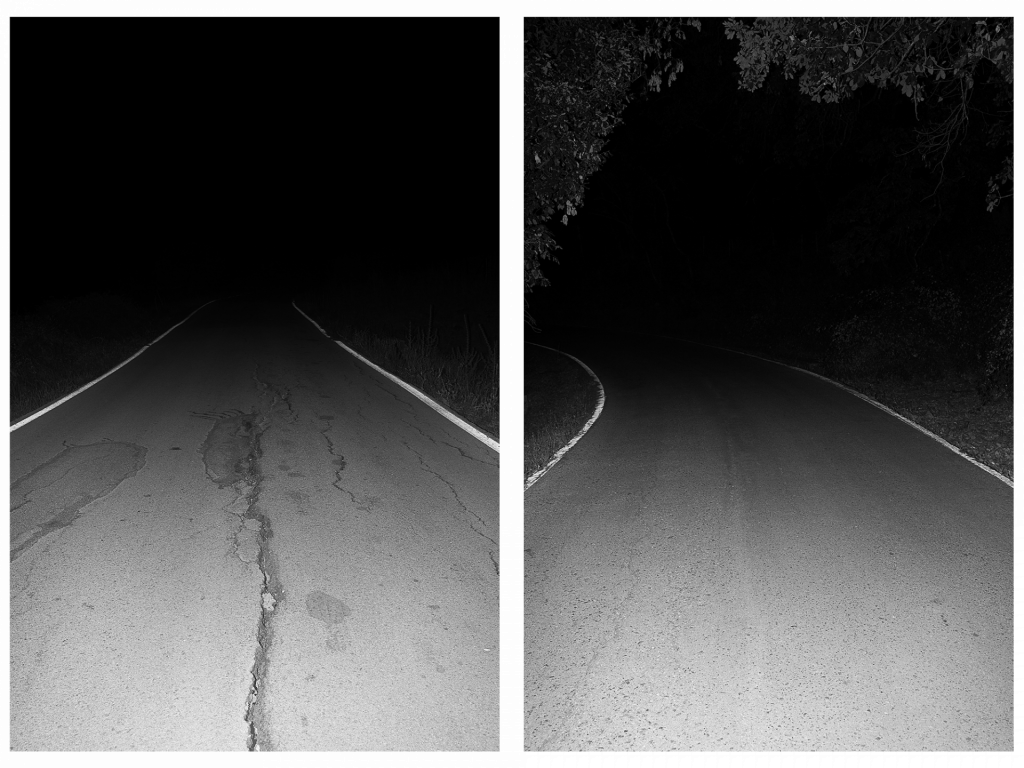
Anna Jornet’s work centres on the story of her grandfather, who, shortly after the Spanish Civil War, was assigned by the Franco regime to a battalion of forced labourers tasked with repairing roads damaged during the conflict. He worked on the construction of a mountain pass intended to facilitate the movement of troops in preparation for a potential attack on British-controlled Gibraltar. The road becomes an allegory for the end of his youth, marking his conscription into a state project founded on coercion and violence. Through this deeply personal history, Jornet reveals the hidden narratives embedded within everyday infrastructure, asking how landscapes continue to bear the physical and psychological traces of authoritarian power.
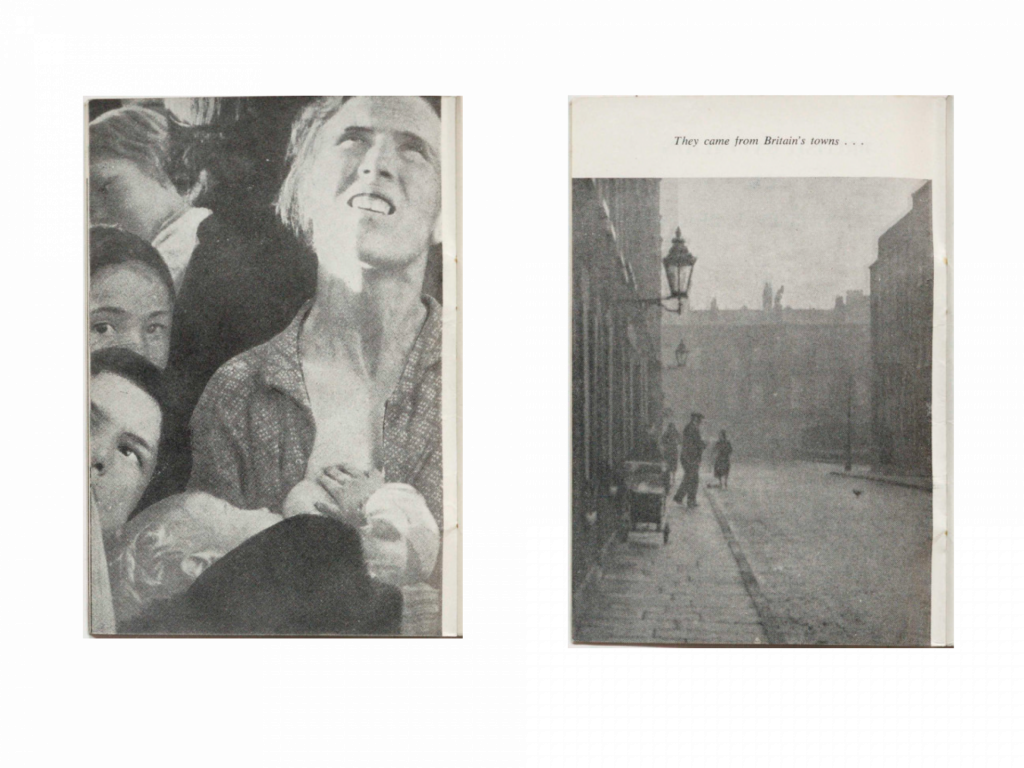
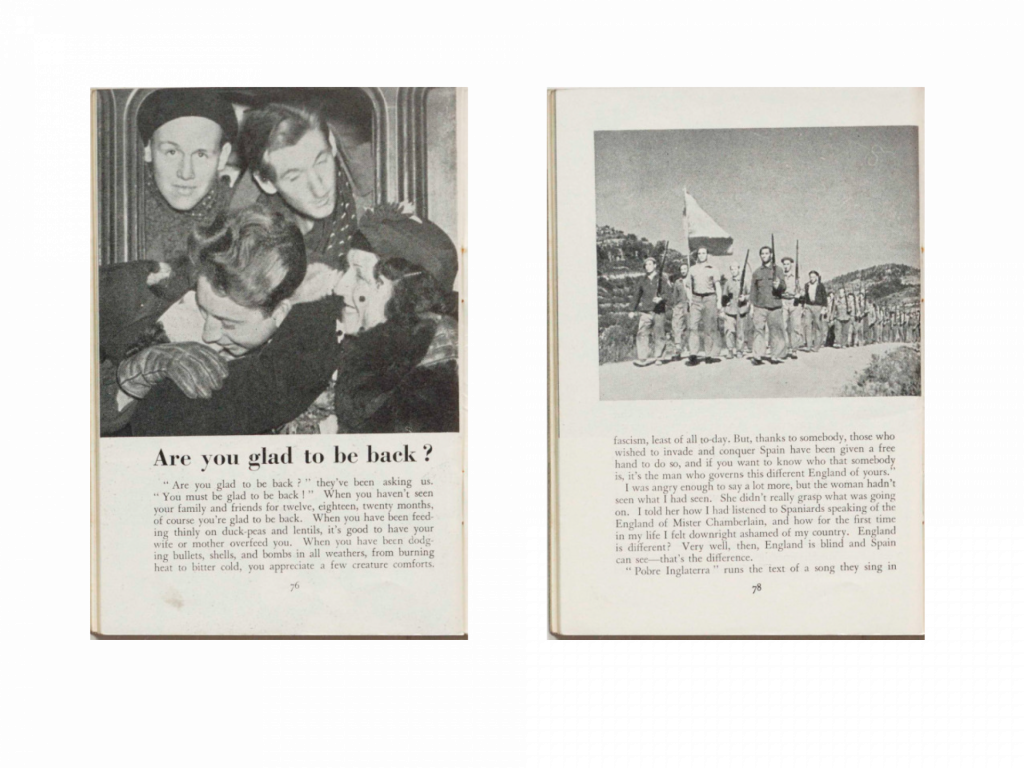
Best known as a curator and writer, Natasha Christia is currently researching the visual history of the International Brigades, drawing upon state archives and informal collections, found across Spain, Greece and the UK. A selection of Christia’s materials will be presented as part of the exhibition, bringing to life memories of shared resistance.
Biographies
Julián Barón is a photographer and educator, focussed on the role of photography as a catalyst for social thought. His practice examines how images shape memory, history and identity, challenging dominant narratives and collective imaginaries. Originally trained as an industrial engineer, Baron left his job as a quality assurance manager for a road signage company to join Blank Paper Collective, ultimately directing the Blank Paper School in Valencia (2008-2015). His first book, CENSURA (2011), was shortlisted for the Paris Photo/Aperture Foundation First Photobook Award. In 2015, he was nominated for the Discovery Prize at Rencontres d’Arles. Since then, his work has been shown at the Centre d’Art Pompidou-Metz, the Netherlands Fotomuseum, the ChangJiang Biennale and Arts Santa Mònica.
Anna Jornet initially studied economics and law before pursuing a career in photography. Her work explores the relationships between photography, memory and place, with a particular focus on personal and collective histories. She has exhibited widely, including: Ressons de la Memòria (Castell de Montjuïc, Barcelona, 2024-2025); This Story Will Never Get Finished (Museu d’Art Modern de Tarragona, 2023-2024); C-3331/CA-8201 (Casa de Cultura de Girona, 2022); and Ventura (Biennal d’Art de Tarragona, 2021-2022). Her debut book, C-3331/CA-8201, was published by Ventura Edicions (2022).
Natasha Christia is an independent curator, writer and educator based in Barcelona, specialising in photography, photobooks and archives. Her research explores how photographic documents shape and challenge dominant historical narratives and ideological myths. She has led projects for institutions and festivals including DocField Barcelona, Photo Saint Germain, Krakow Photomonth, PHOTO Australia and SCAN Festival. Alongside her curatorial practice, Christia writes extensively on photography and has edited award-winning publications. She has served on numerous international photography juries and has taught photography and visual culture in Spain and internationally since 2008. Born in Athens, she lives and works in Barcelona.
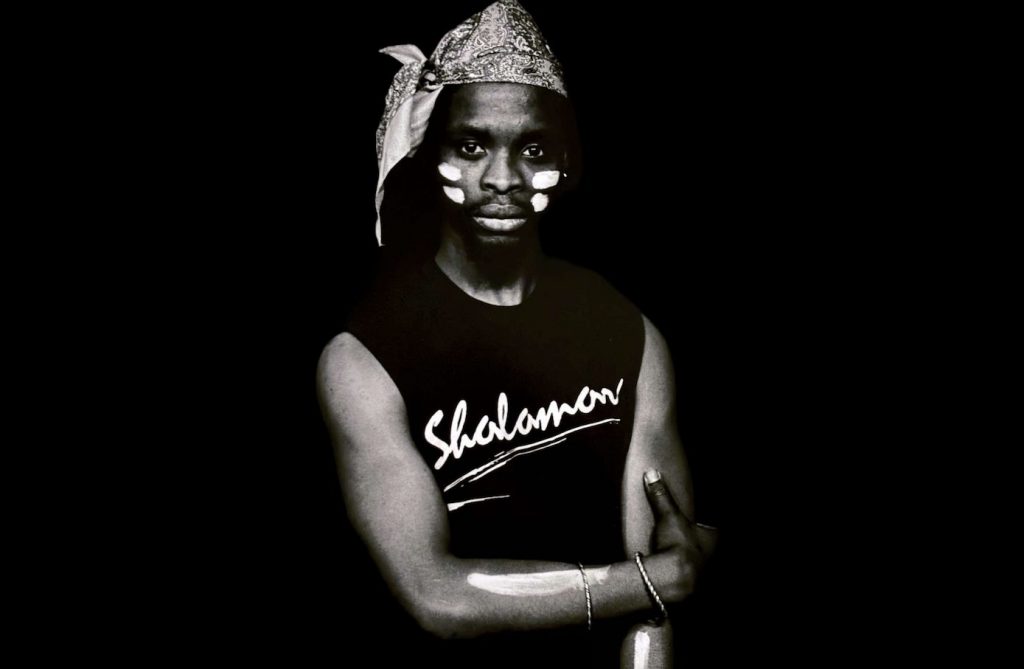
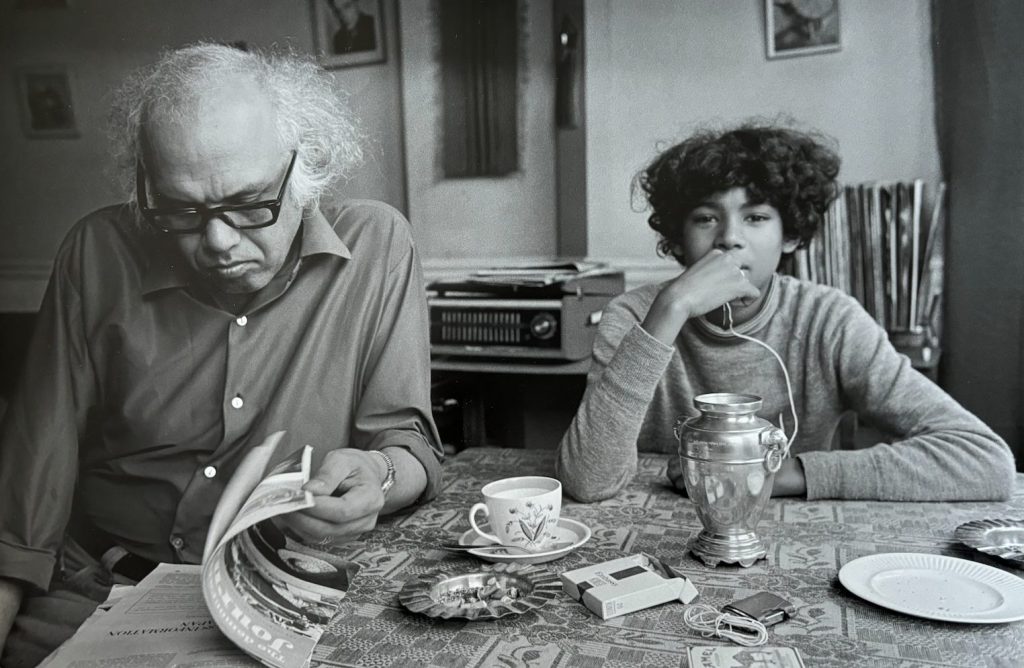
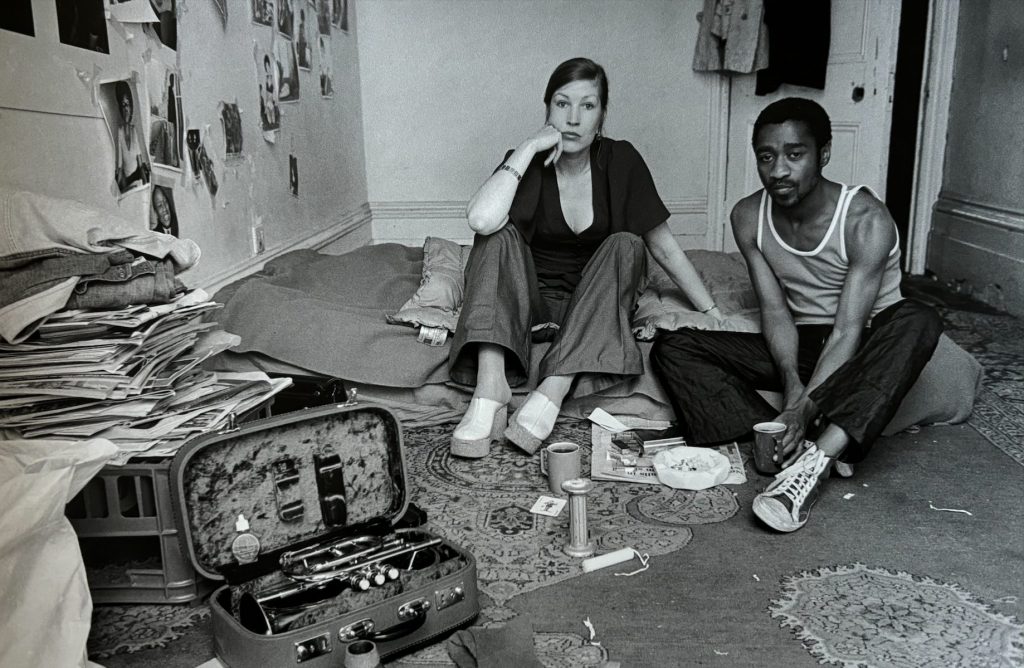
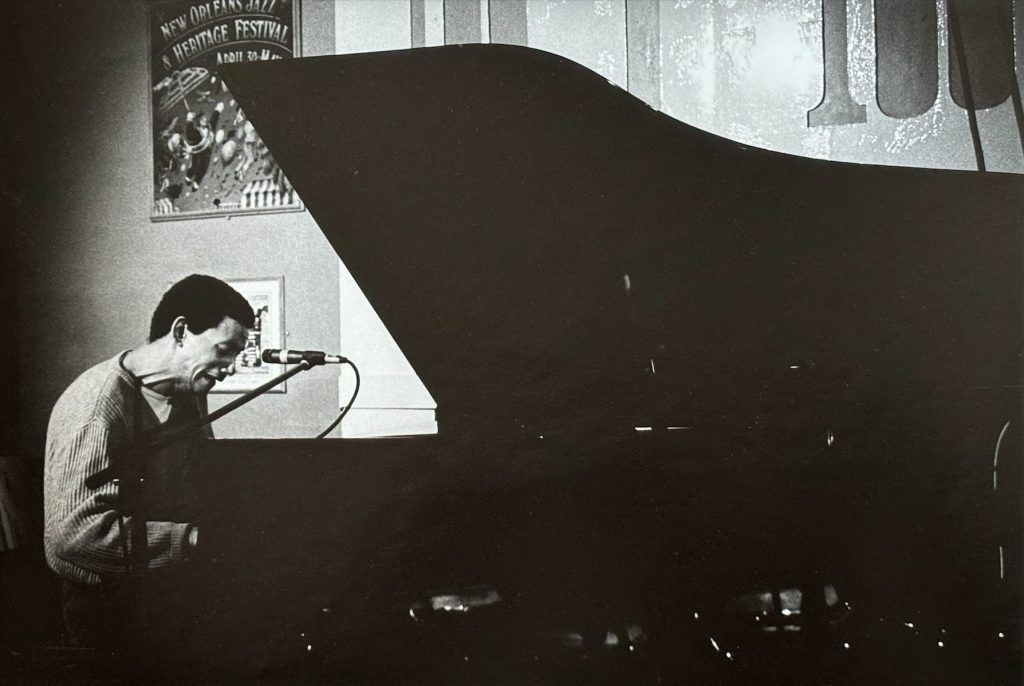
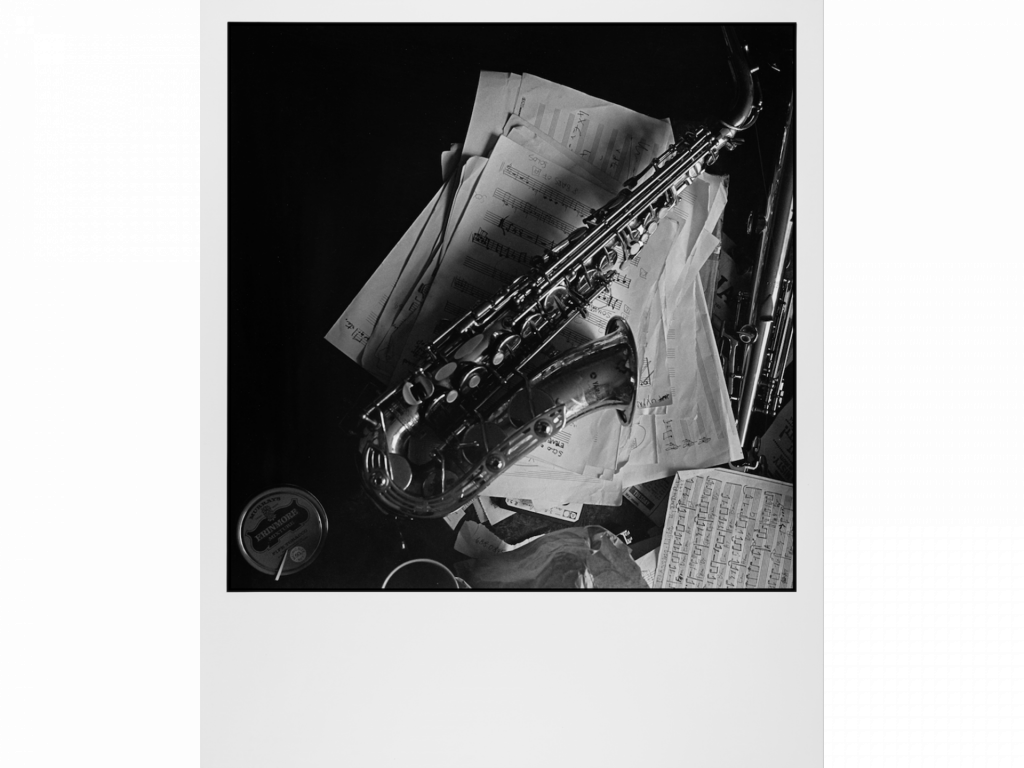
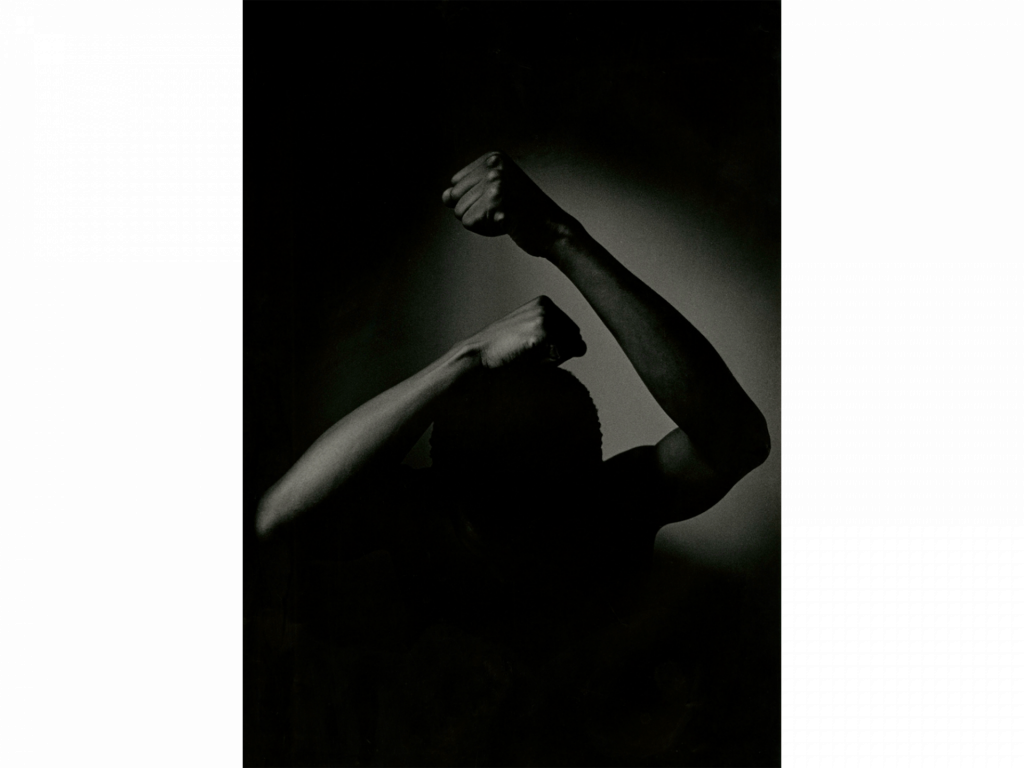
George Hallett (1942–2020) developed his practice as a self-taught street photographer in Cape Town, South Africa, during the 1960s. His early photographs, often made in the District Six neighbourhood, documented everyday life within Black communities alongside portraits of key cultural figures. As a South African of mixed heritage, Hallett experienced the discrimination of apartheid, and the restrictions placed on professional opportunities led him into exile. He first settled in England in the early 1970s before later moving to France and the Netherlands. Throughout this period, he continued to photograph South Africans living in exile, creating a visual record of resistance, resilience and cultural identity while restoring dignity to communities frequently absent or misrepresented in mainstream media.
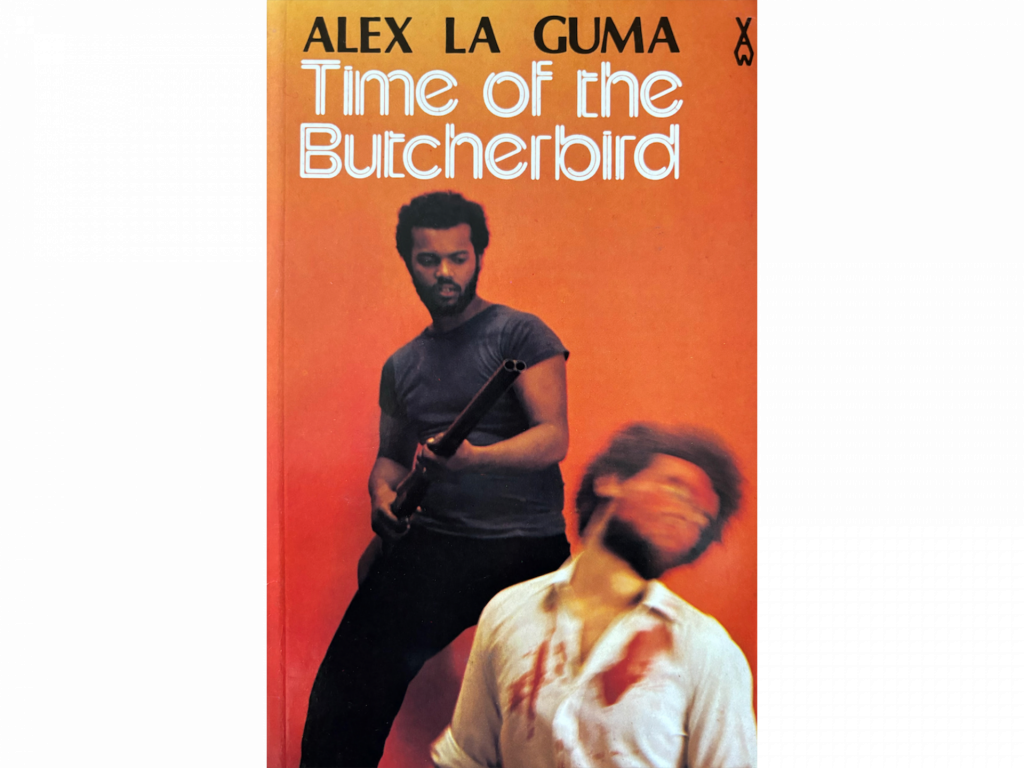
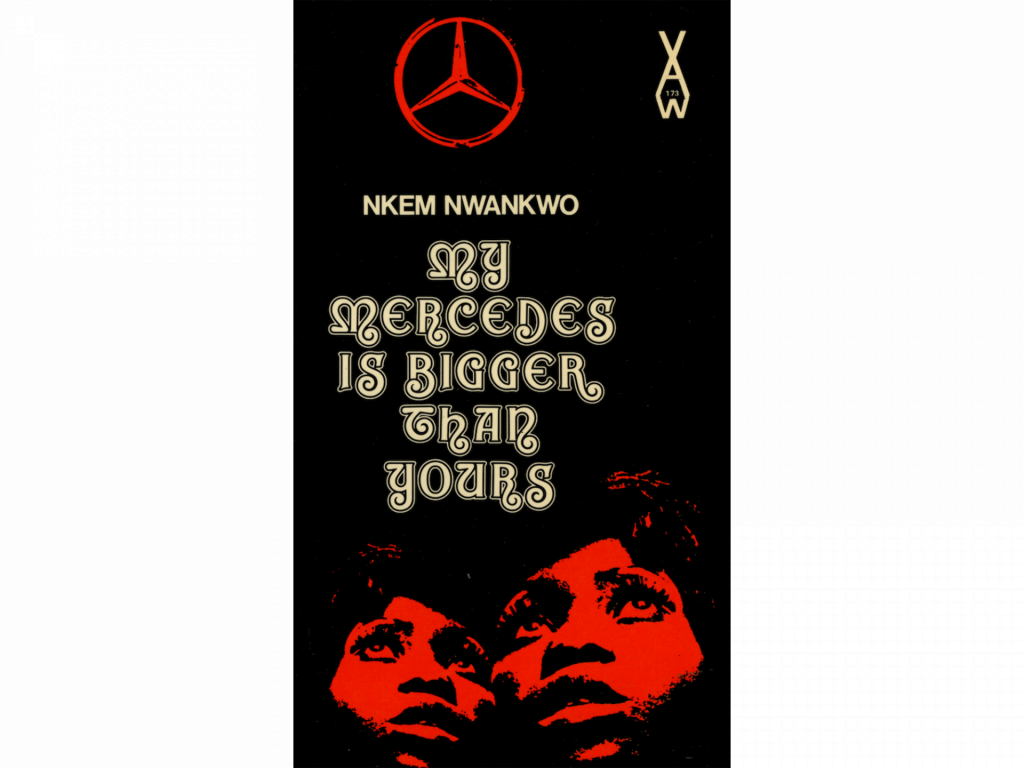
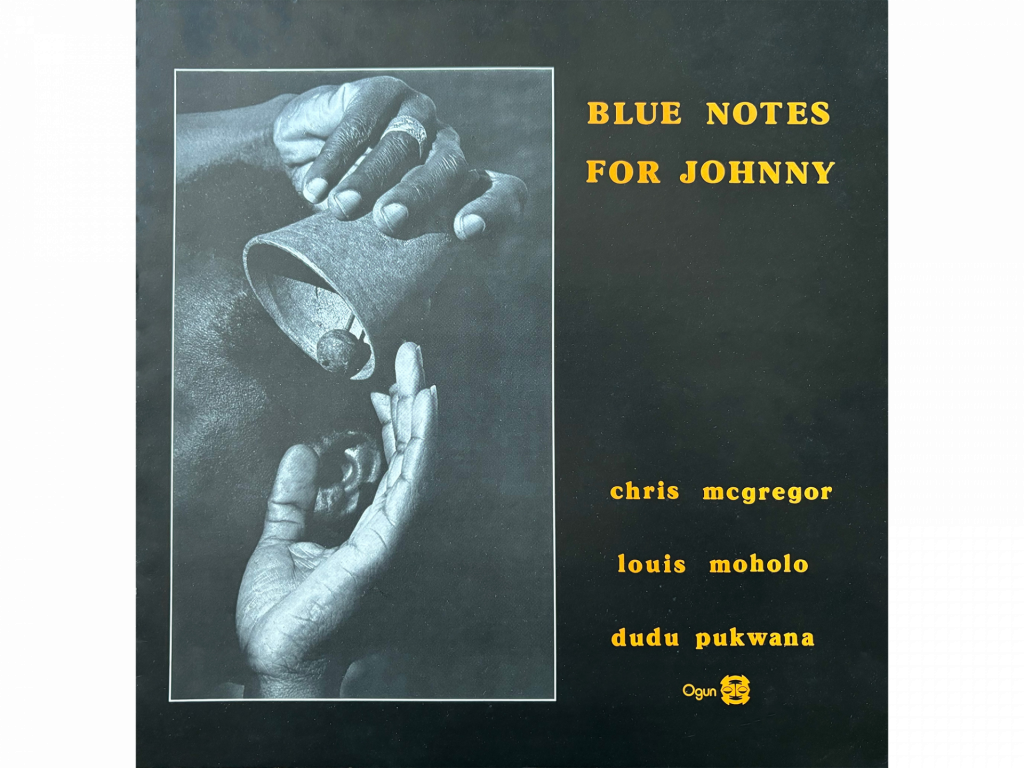
This exhibition focuses on Hallett’s years in England, highlighting his portraits of South African artists, musicians and writers in exile. These include visual artists such as Gerard Sekoto, Deie Feni and Gavin Jantjes; jazz musicians including Chris McGregor, Mongezi Feza, Dudu Pukwana, Johnny Dyani and Louis Moholo; and a series of book covers he designed for Heinemann’s African Writers Series, featuring authors including Nadine Gordimer and Chinua Achebe.
The exhibition concludes with Hallett’s return to South Africa and his celebrated series documenting Nelson Mandela’s campaign for the country’s first democratic elections in 1994. These images earned Hallett the World Press Photo Award for People in the News in 1995.
First presented at Clémentine de la Féronnière in Paris in March 2025 as part of Centre Pompidou’s Échos Paris Noir programme, the exhibition was subsequently shown at Liverpool John Moores University Gallery. For Bristol Photo Festival, it is presented at IC Visual Lab, located at 6 West Street—the former home of the South Africa Resource Centre, an organisation that campaigned against apartheid. The exhibition coincides with the 50th anniversary of the 1976 Soweto Uprising.
Biographies
George Hallett (1942–2020) was a self-taught photographer from Cape Town, South Africa. He exhibited at Clémentine de la Féronnière, Paris (2025); Peltz Gallery, London (2023); Michaelis Galleries, Cape Town (2022); Bozar, Brussels (2018); Bamako Encounters: African Biennale of Photography, Bamako (2017); and EVA International, Ormston House, Limerick (2016). He was also included in Rise and Fall of Apartheid: Photography and the Bureaucracy of Everyday Life, curated by Okwui Enwezor at the International Center of Photography, New York (2012), which toured to Haus der Kunst, Munich and Padiglione d’Arte Contemporanea, Milan (2013), and Museum Africa, Johannesburg (2014–15).
His work is held in numerous private and public collections, including Iziko – South African Art Gallery; Michaelis School of Fine Art, University of Cape Town; District Six Museum and Bo-Kaap Museum, Cape Town; and the Library of Birmingham, UK.
Christine Eyene is an art historian and curator. She is co-Director of Exhibition Research Lab (ERL) at Liverpool John Moores University and Research Curator at Tate Liverpool. She has recently been appointed as curator for French Institute Cameroon’s 2027 cultural season.
Her areas of research and curatorial practice encompass contemporary art from a global perspective, with an interest in African and Diaspora arts. Her practice also engages with socially-engaged initiatives, urban culture, new media, music, design, and architecture.
In 2024 she completed her PhD in Art History at Birkbeck, University of London. Her thesis focused on the relationship between text, African literature, and visual representation in the work of South African photographer George Hallett (1942–2020) under the supervision of Professor Annie E. Coombes.