




Joy Gregory: Catching Flies with Honey

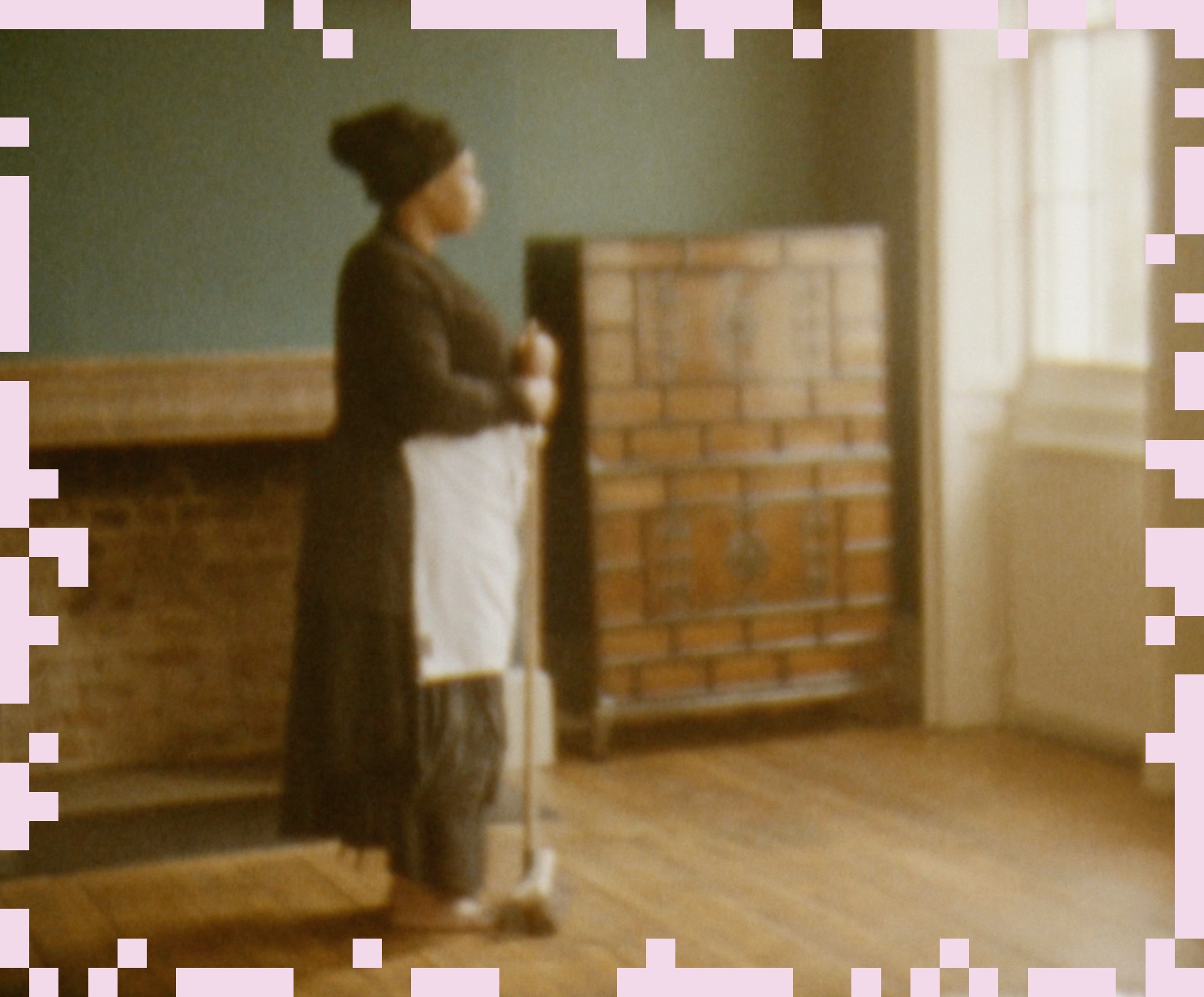
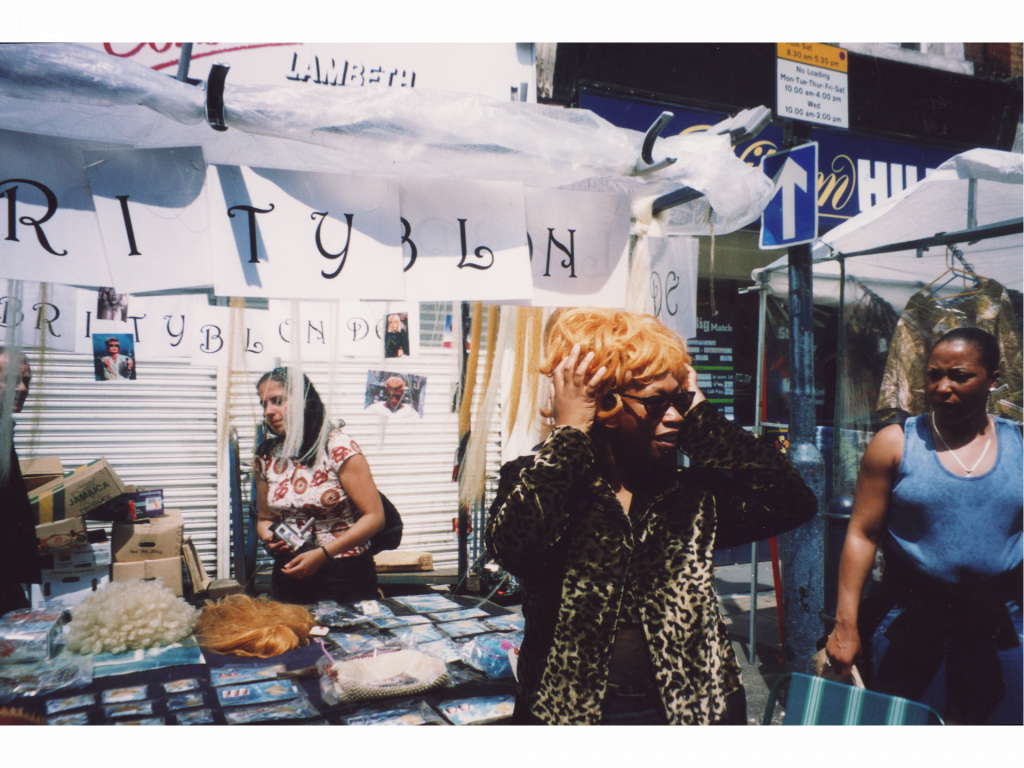
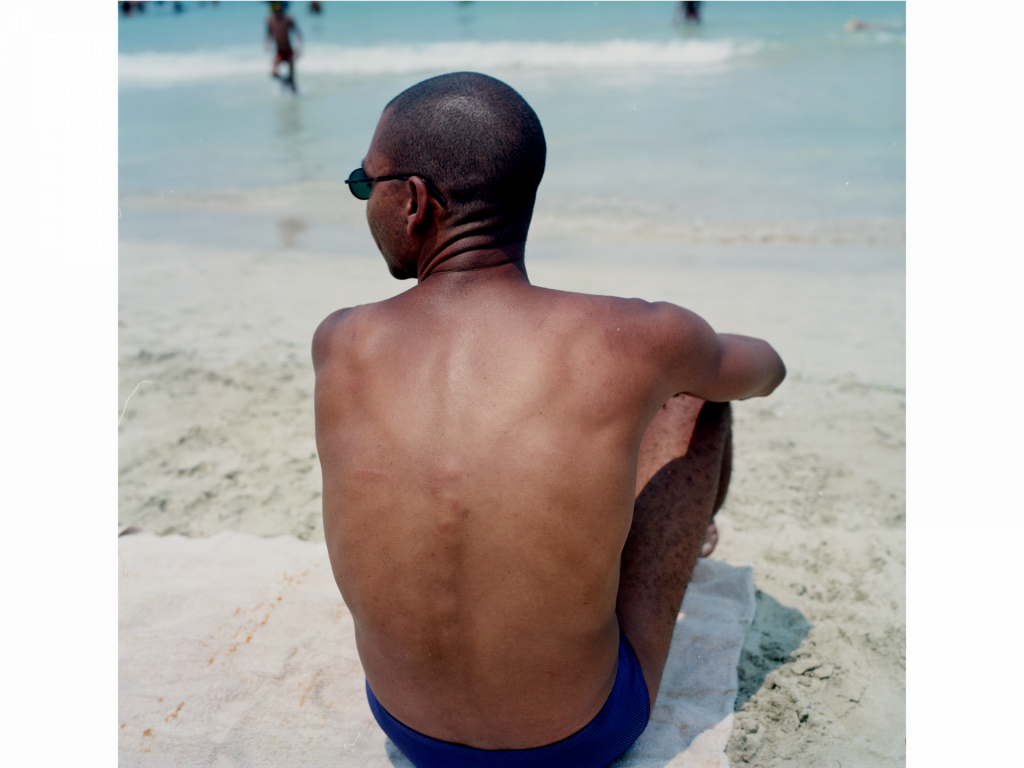
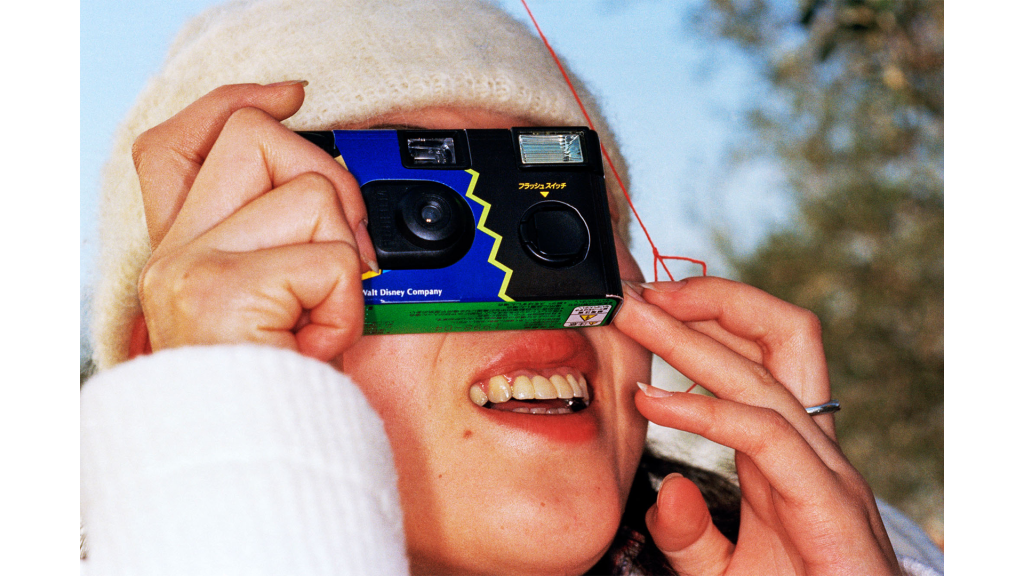
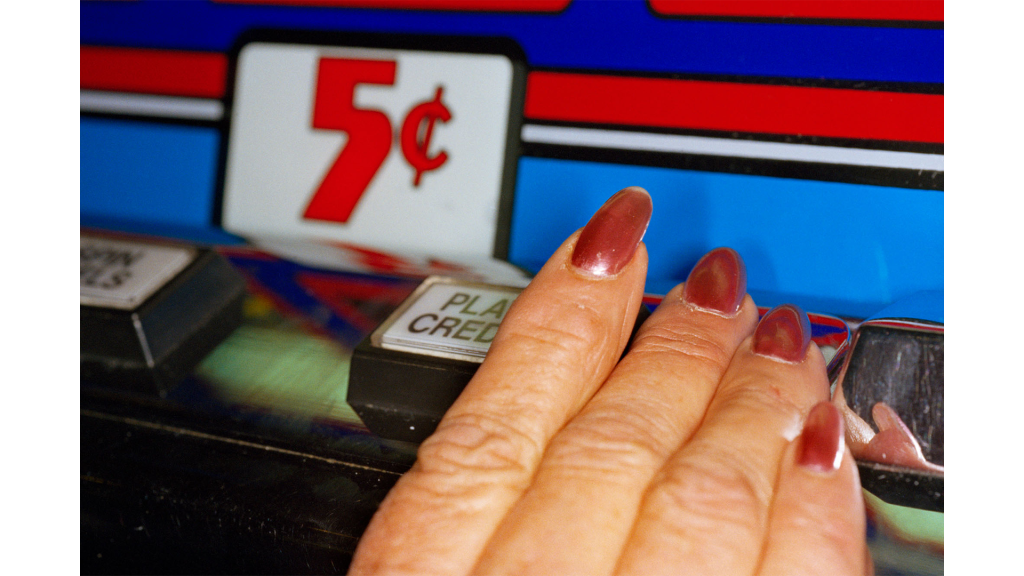
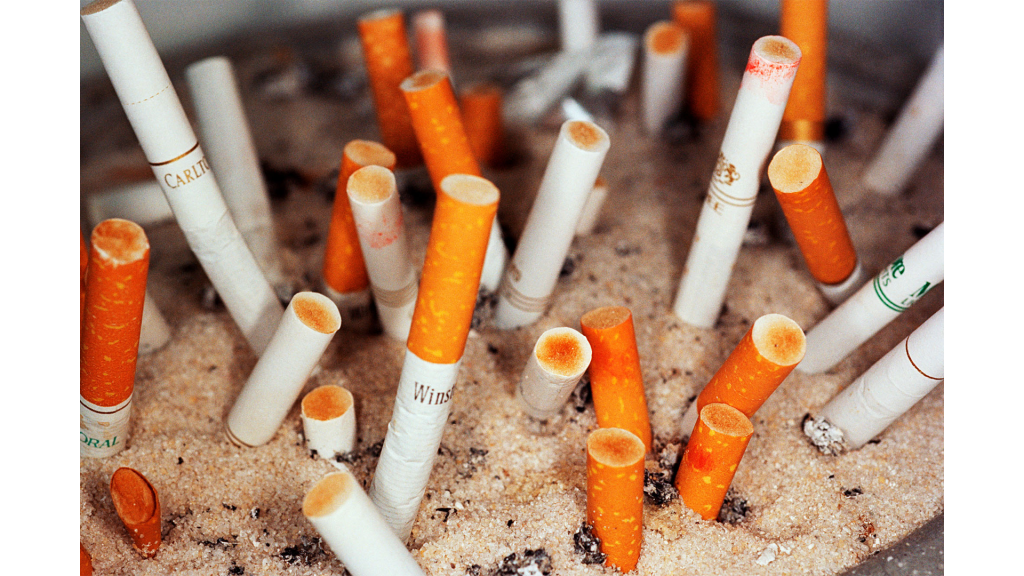
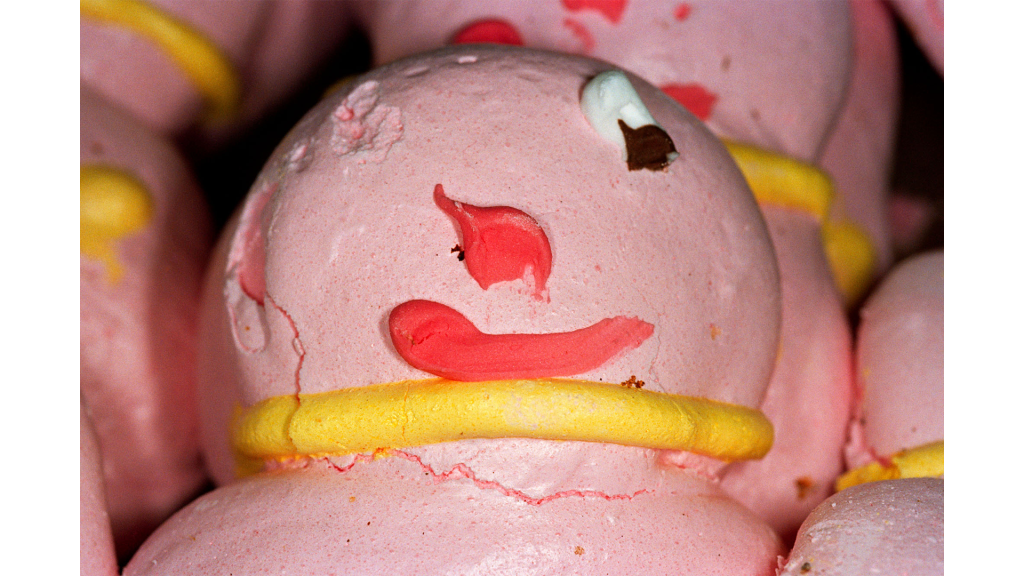
Arnolfini presents a landmark exhibition celebrating four decades of Joy Gregory’s pioneering practice. Catching Flies with Honey is the first major survey exhibition of Joy Gregory’s work, bringing together more than 150 photographs, films, installations and textile works spanning four decades. Across Arnolfini’s galleries, the exhibition reveals an artist who has continually redefined the possibilities of photography, inviting audiences into new ways of thinking about identity, history, beauty and belonging.  

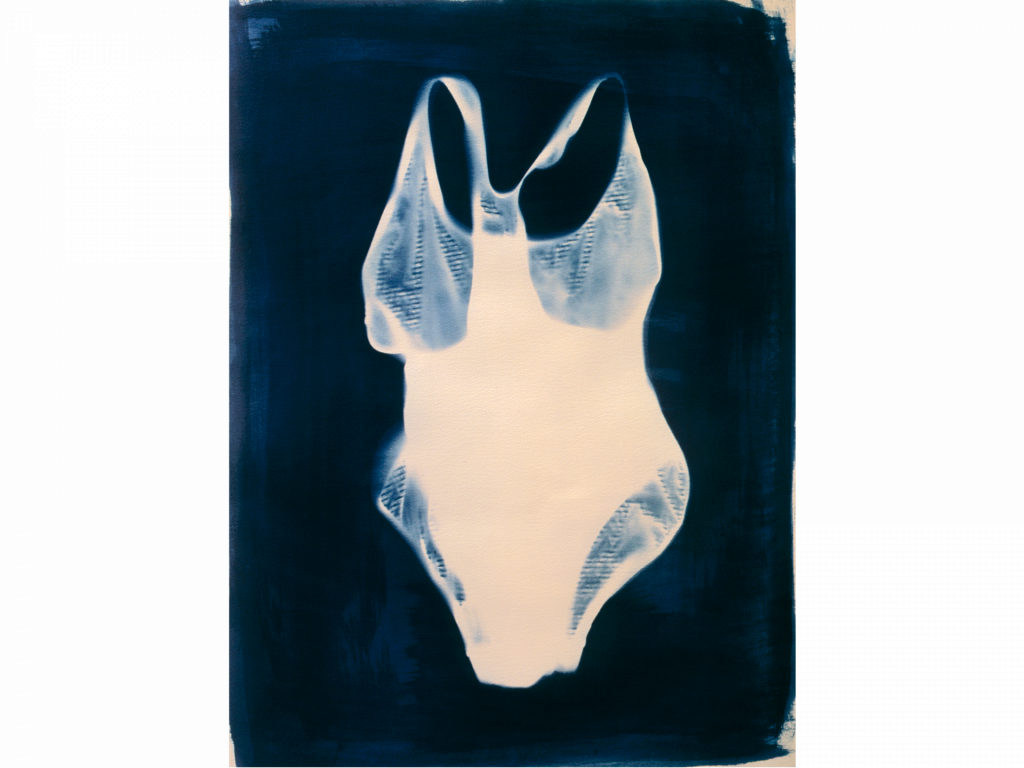
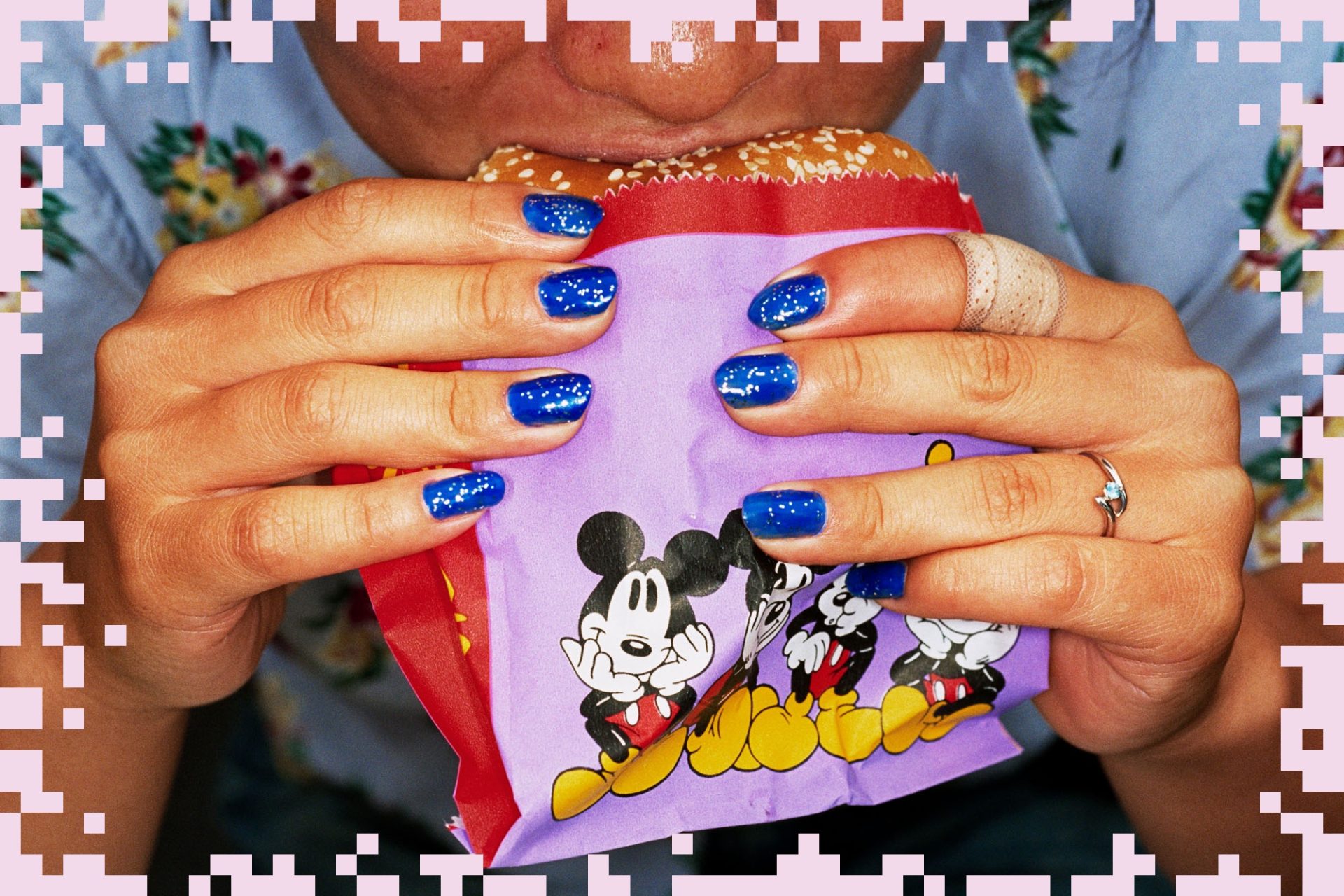
Since the early 1980s, Gregory has been a pioneering force in contemporary photography, challenging expectations of both the medium and what Black or feminist art should look like through work that is visually seductive, materially inventive and conceptually rigorous. Using processes ranging from Victorian cyanotypes and kallitypes to digital media and performance, Gregory continually expands photography’s aesthetic and material possibilities. 

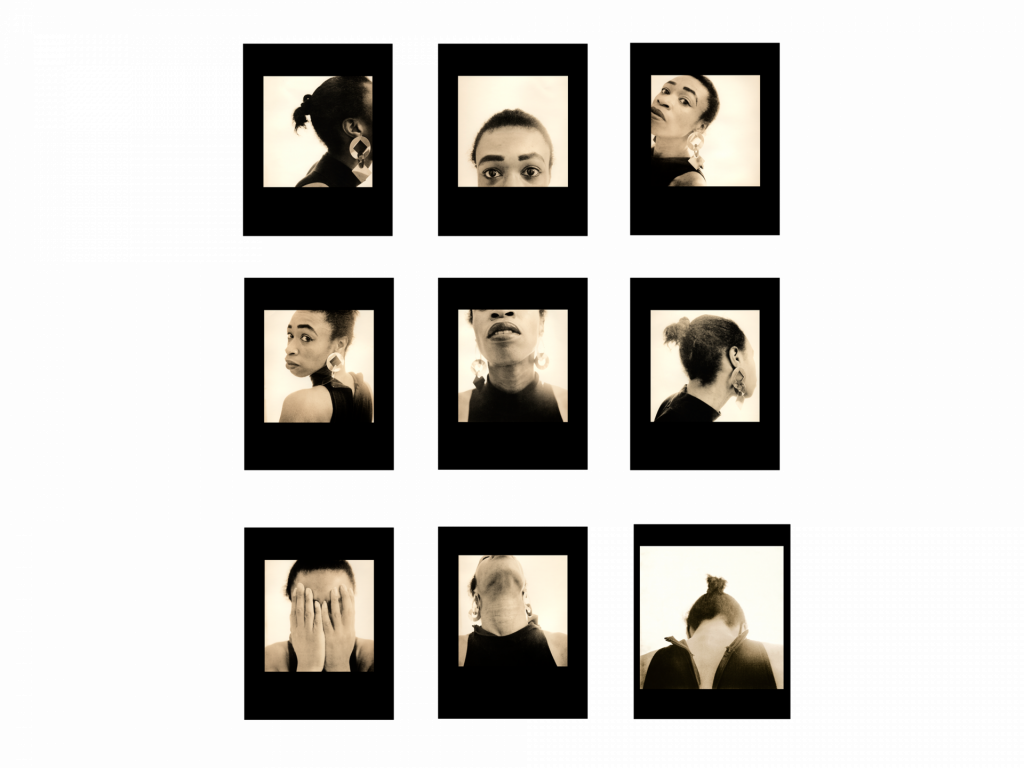
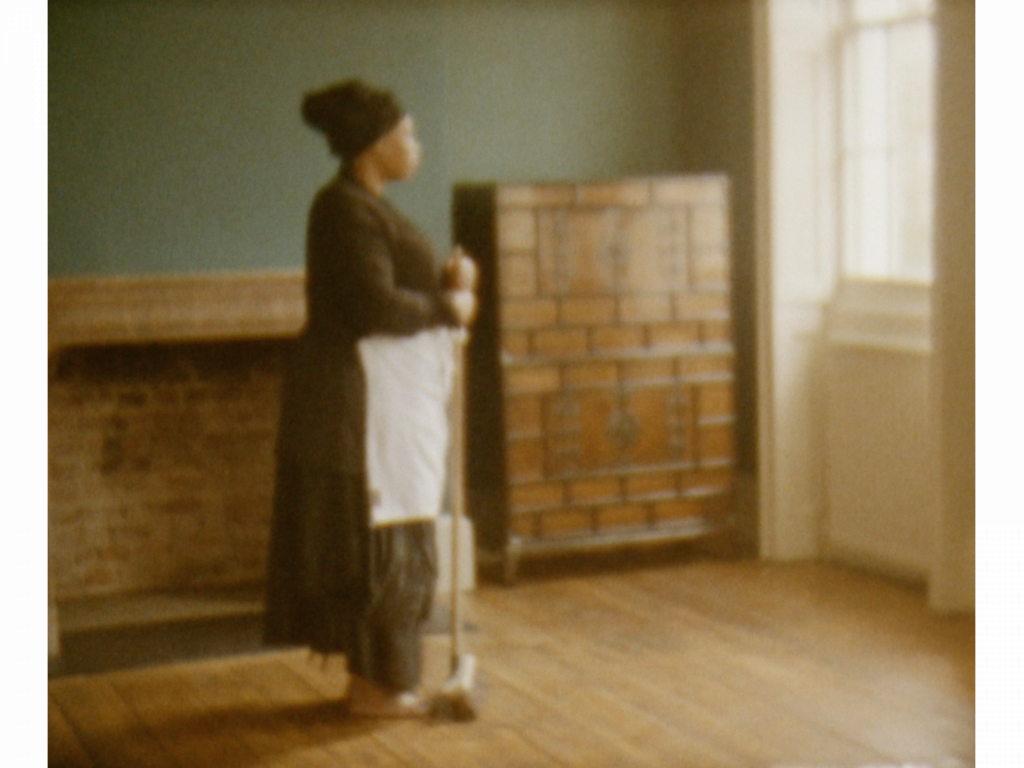
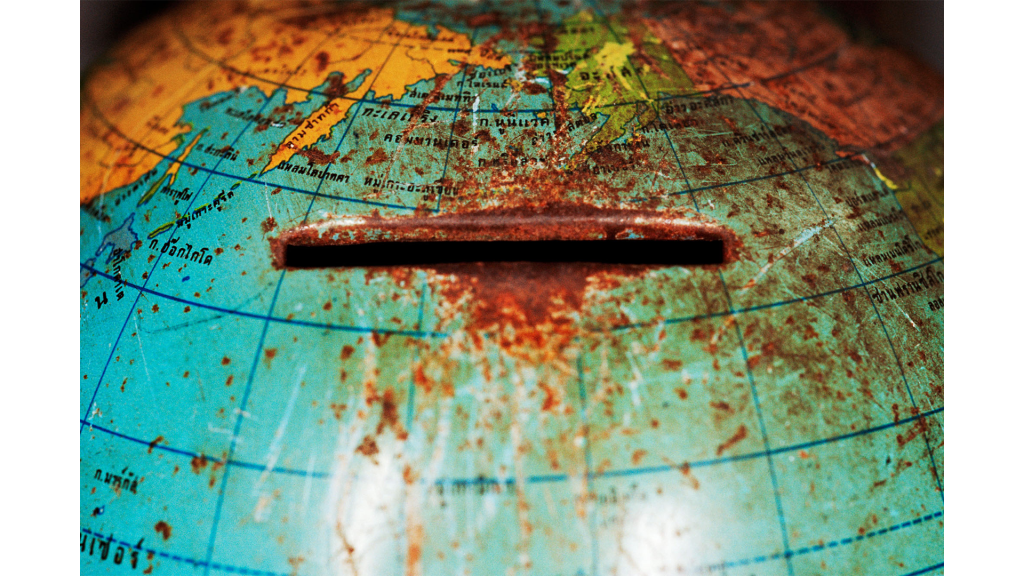
The exhibition will bring together key series spanning Gregory’s career, including Autoportrait (1990), a pivotal body of self-portraits exploring questions of beauty, exoticism and exclusion; The Handbag Project (1998–present), an ongoing study of luxury symbols of femininity through handbags owned by women during the apartheid era in South Africa; and Memory and Skin (1998), a multimedia installation combining photography, film, sound and gathered objects to examine the Caribbean as a layered landscape shaped by colonial legacies, cultural contradictions and hidden histories. These works will be presented alongside further pieces originating from Gregory’s extensive journeys across Sri Lanka, the Caribbean and Europe, as well as a newly commissioned film shot in South Africa’s Kalahari Desert, created as part of a 20-year collaboration with the Indigenous community whose ancestors spoke the critically endangered N|uu language.

Biography

Joy Gregory (b.1959, UK) is a graduate of Manchester Polytechnic and the Royal College of Art. She has developed a practice which is concerned with social and political issues with particular reference to history and cultural differences in contemporary society. As a photographer she makes full use of the media from video, digital and analogue photography to Victorian print processes. In 2002, Gregory received the NESTA Fellowship, which enabled her the time and the freedom to research for a major piece around language endangerment. The first of this series was the video piece Gomera, which premiered at the Sydney Biennale in May 2010. She is the recipient of numerous awards and has exhibited all over the world showing in many festivals and biennales. Her work included in many collections including the UK Arts Council Collection, Victoria and Albert Museum, Institute of Modern Art, Brisbane, Australia, and Yale British Art Collection. She currently lives and works in London.   

It is a real privilege to share this new iteration of the exhibition with new audiences, creating opportunities for conversations around the work and photographic practice to continue to grow. This feels especially meaningful in the context of the Bristol Photography Festival, which opens at the same time.” — Joy Gregory  

The exhibition was originated by Whitechapel Gallery, London, where it was first shown (8 October 2025 – 1 March 2026) with the subsequent tour organised in collaboration with Arnolfini, Bristol. 

Joy Gregory: Catching Flies with Honey has been generously supported by: 
Freelands Foundation through the Freelands Award 2023 

Research for this exhibition has been supported by the Paul Mellon Centre for Studies in British Art 

With additional support for the artist from The Elephant Trust

In collaboration with:

Dark Tales: British Documentary Photography and the Gothic

Dark Tales: British Documentary Photography and the Gothic, curated by Isaac Blease

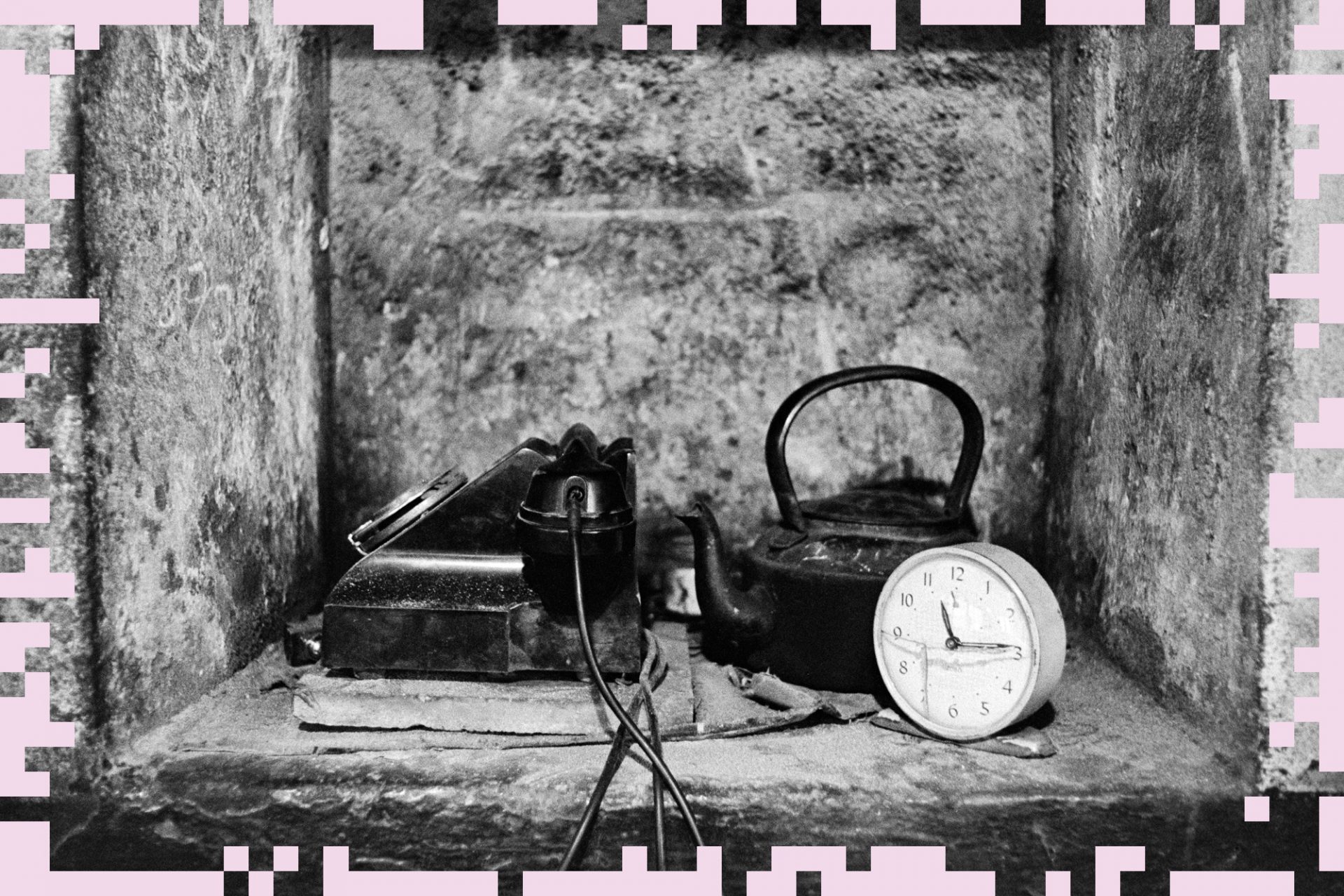
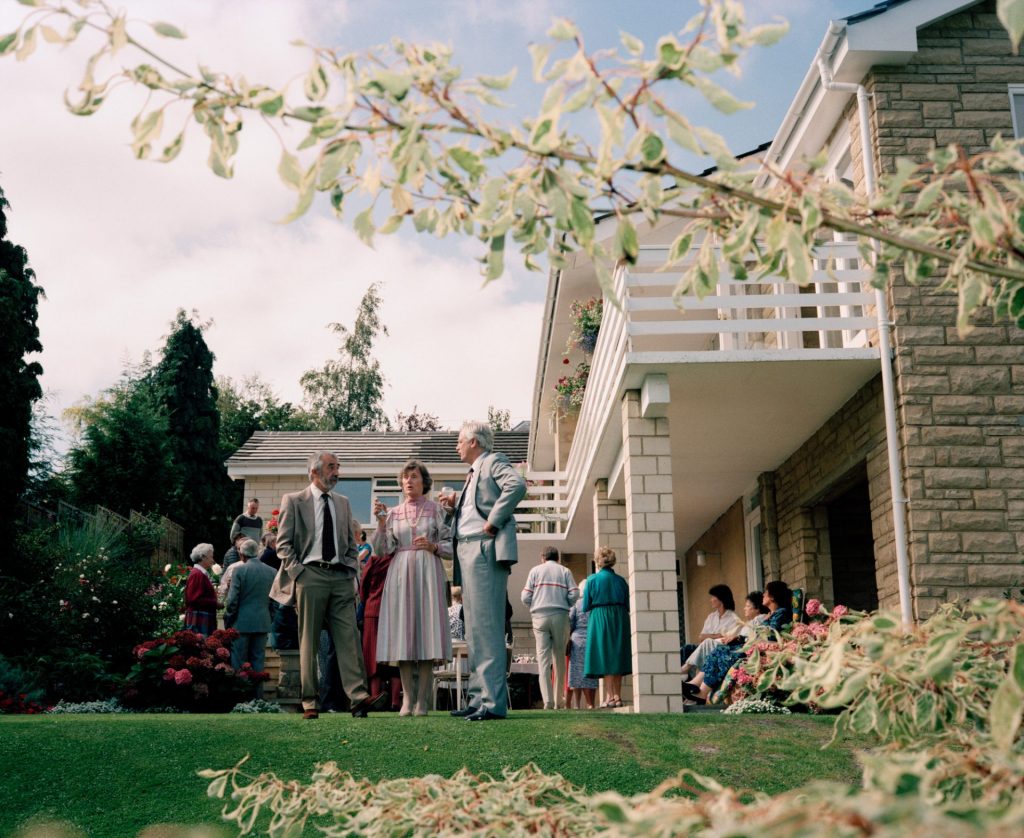
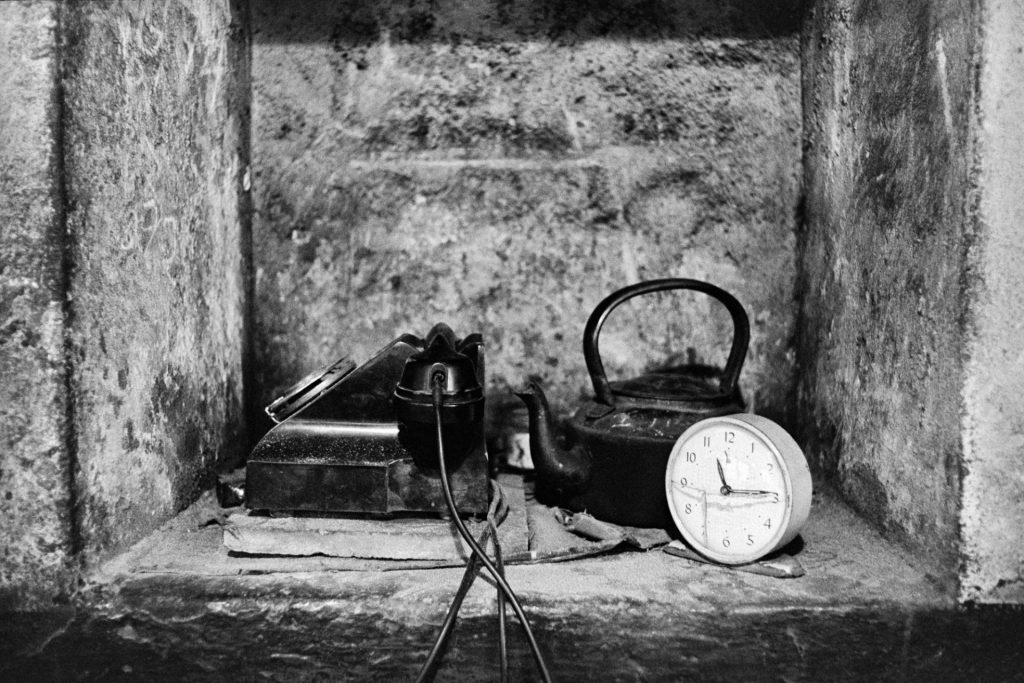
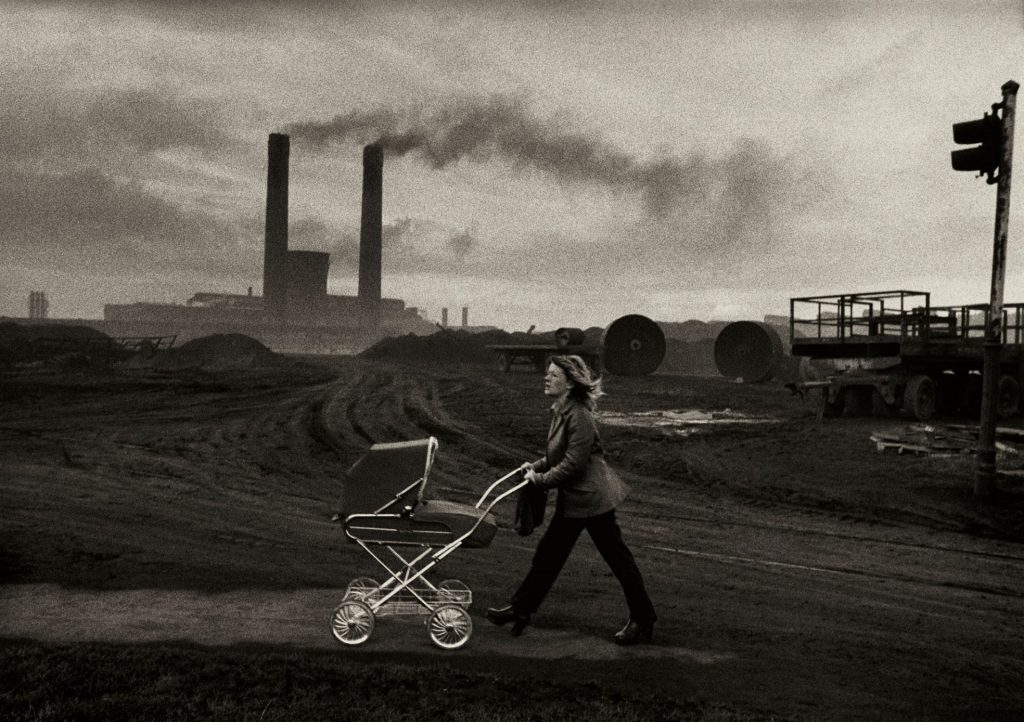
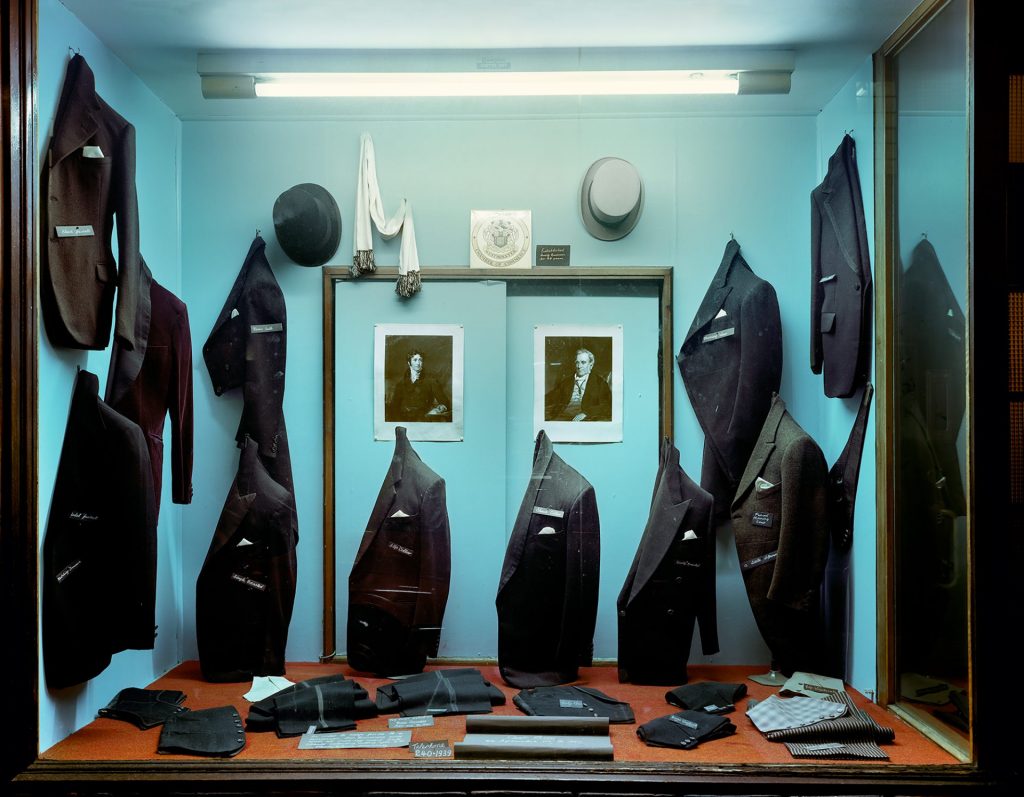
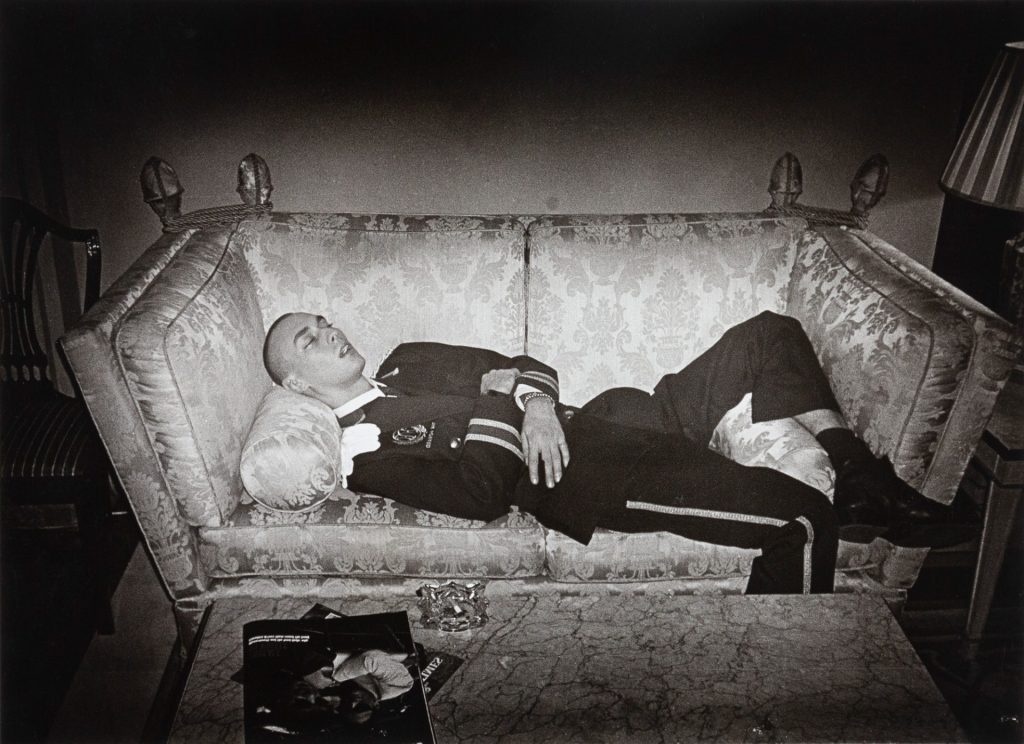
With images spanning a period of more than 80 years, Dark Tales explores the complex relationship between the Gothic and British documentary photography, depicting Britain from the post-war period to the present day. The photographs in the exhibition reveal waning industrial powers, claustrophobic domestic scenes, and menacing nocturnal activities.

The exhibition brings together a selection of renowned images alongside lesser-known photographs, drawn primarily from the Martin Parr Foundation Collection. Together, they reveal people and places that are both resilient and haunted, charged with both fear and desire. Throughout the exhibition, the Gothic principle that horror thrives in close proximity to the familiar resonates, uncovering the uncanny within the everyday.

“Interest in the Gothic resurfaces during times of uncertainty, and documentary photography itself is in a dark moment, with its purpose and role in question, public distrust of ‘photographers’, and the existential threat posed by artificial intelligence. This moment of turmoil presents intriguing conditions to explore the Gothic imagination as a relevant lens through which to re-examine the medium, while also reveling in the ambiguity of images and the multitude of meanings they evoke.” – Isaac Blease, Curator

The exhibition includes work by Kjell-Åke Andersson, Bill Brandt, Anna Fox, Robert Frank, Don McCullin, Lee Miller, John Myers, Akihiko Okamura, Sue Packer, Martin Parr, Charlie Phillips, Sarah Pickering, Alice Poyzer, Jo Spence, Janine Wiedel and Donovan Wylie, among others.

In collaboration with:

People of Clay by Akshay Mahajan

“It took me many years to notice that, in the hush between conversations, she would sing. Simple tunes tinged with a gentle melancholy drifted through the room, sung in a tongue I had yet to decipher — folk songs belonging to a people all but erased from the map. ‘What are folk songs for?’ I once asked her. ‘They’re like prayers, or like roadmaps of a people,’ she answered. Those melodies became my compass.” Akshay Mahajan

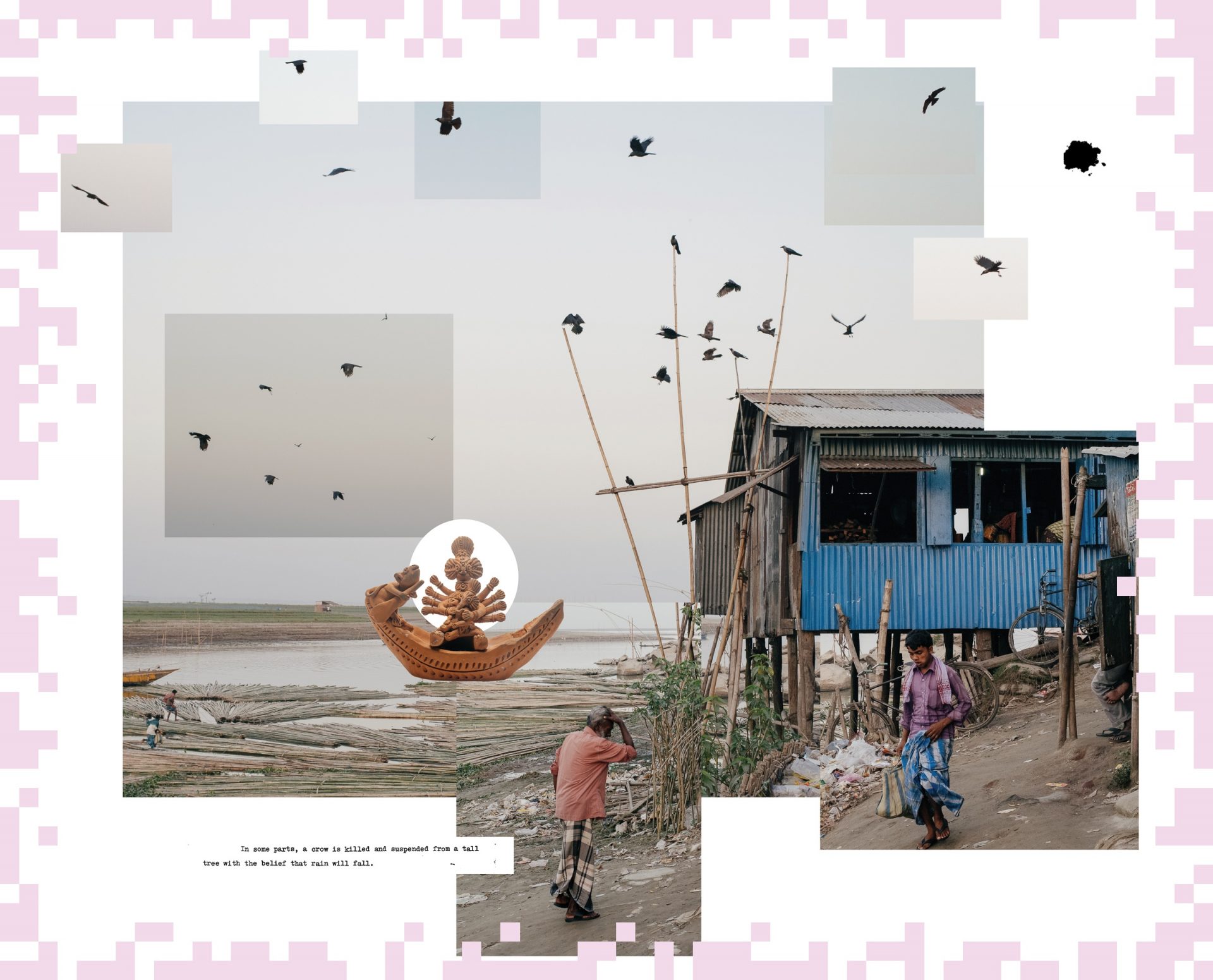
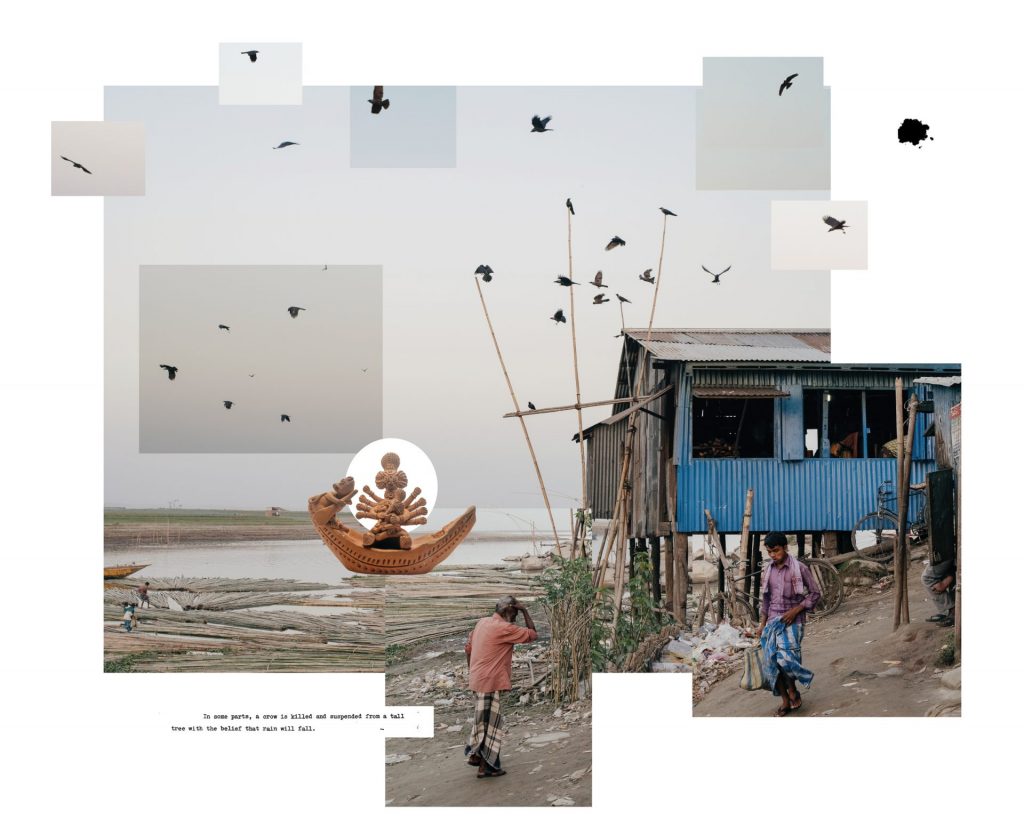
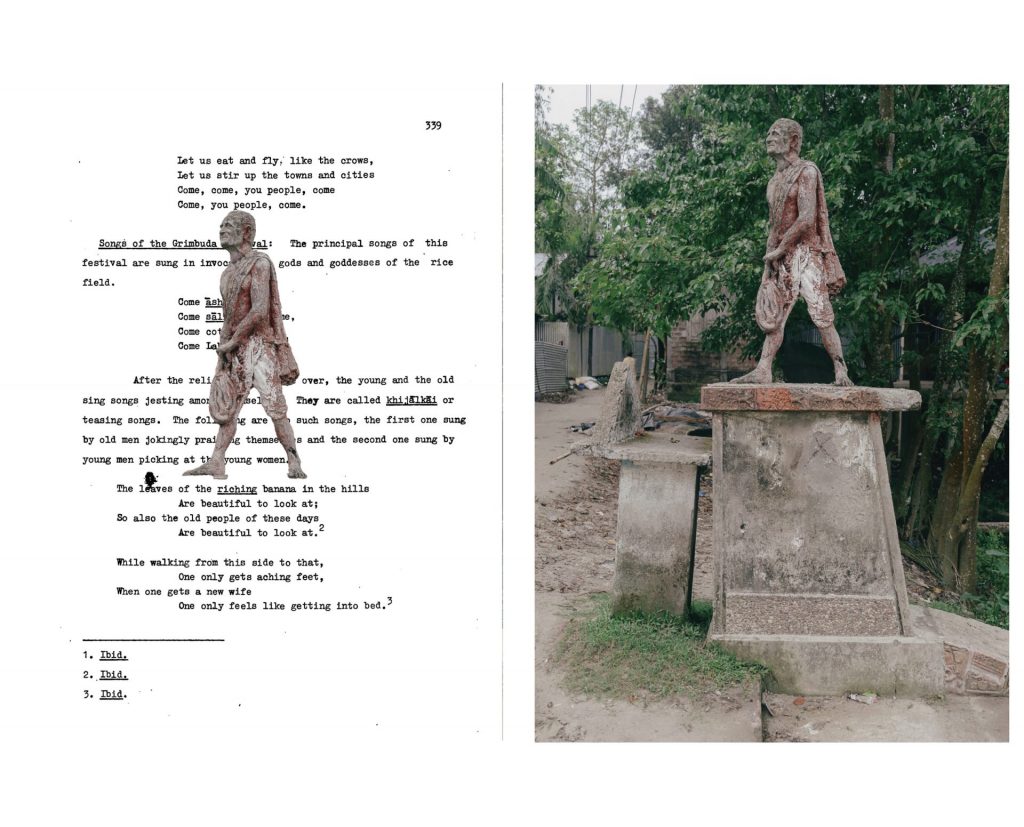
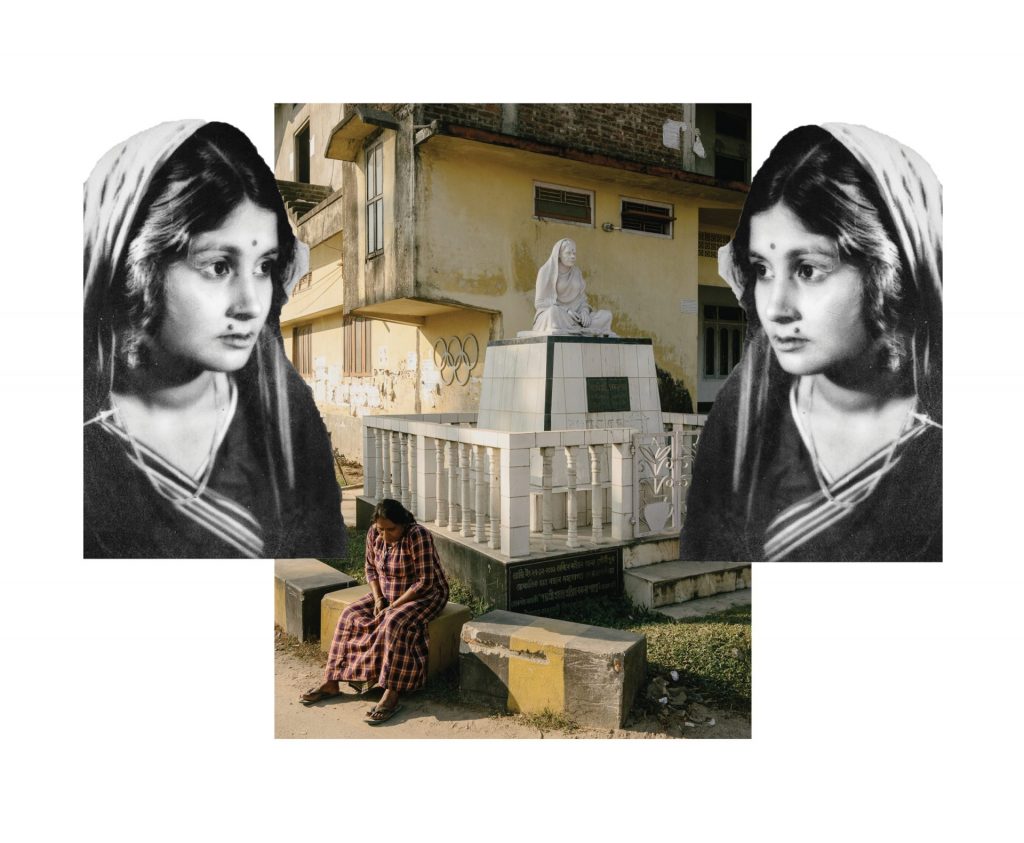
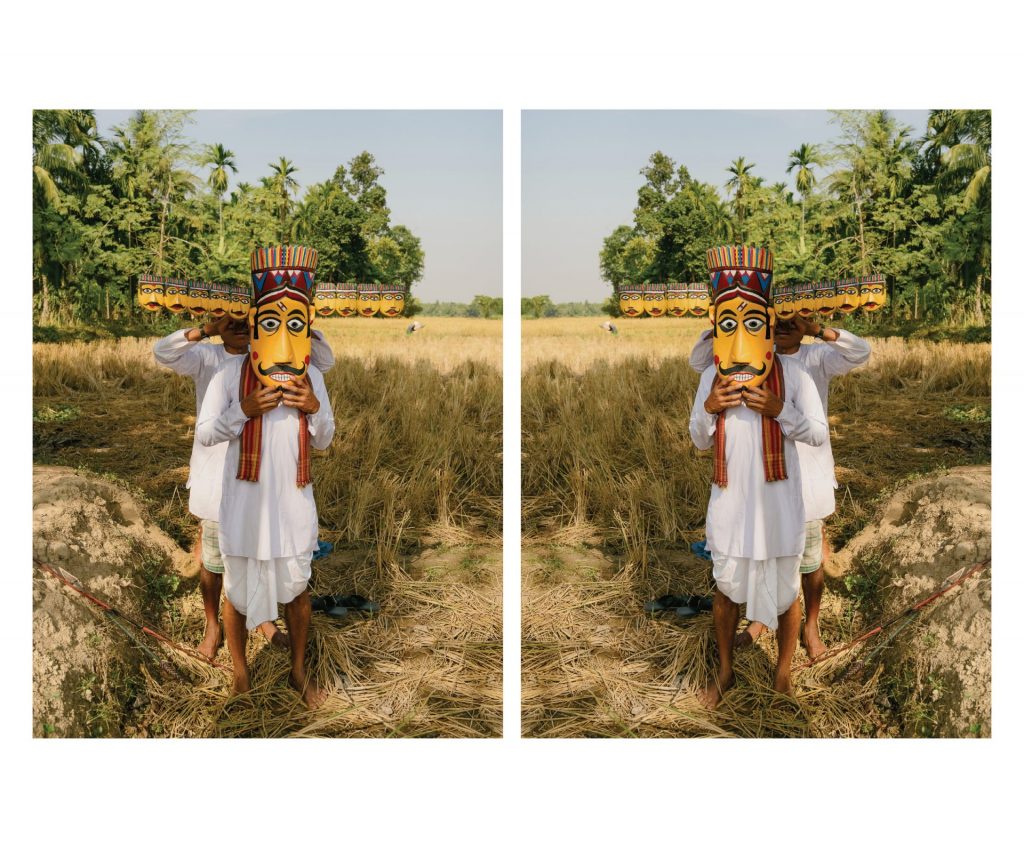
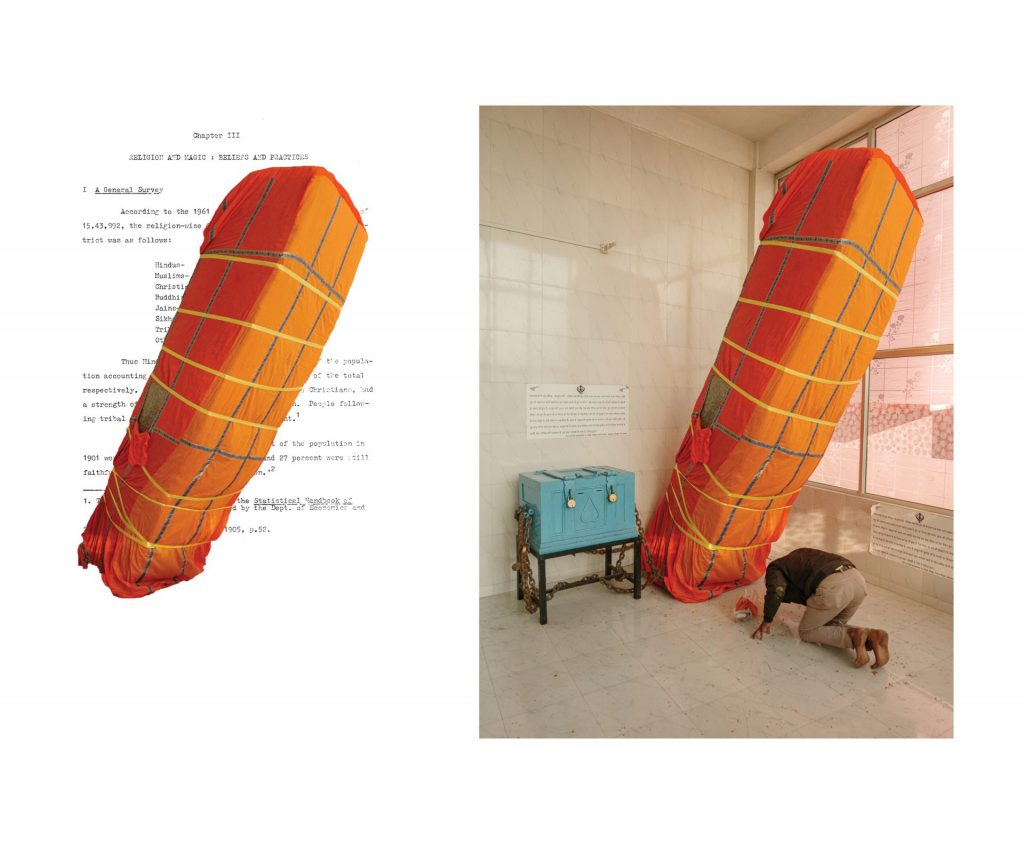
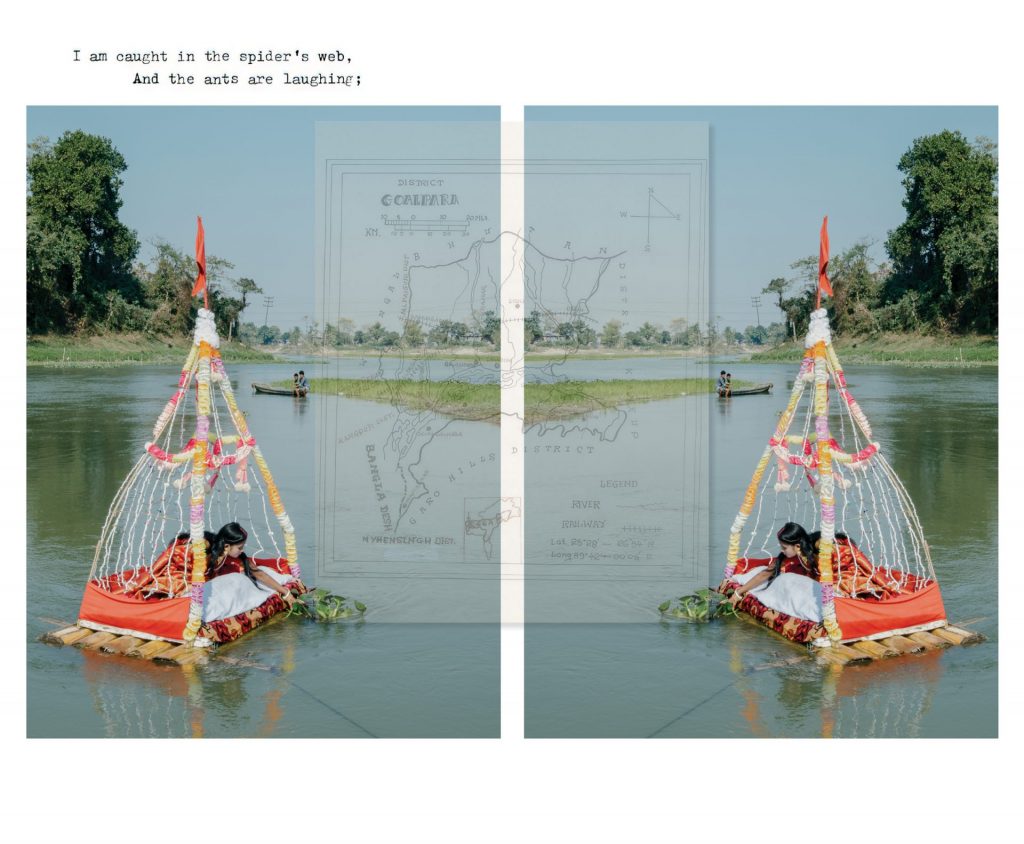
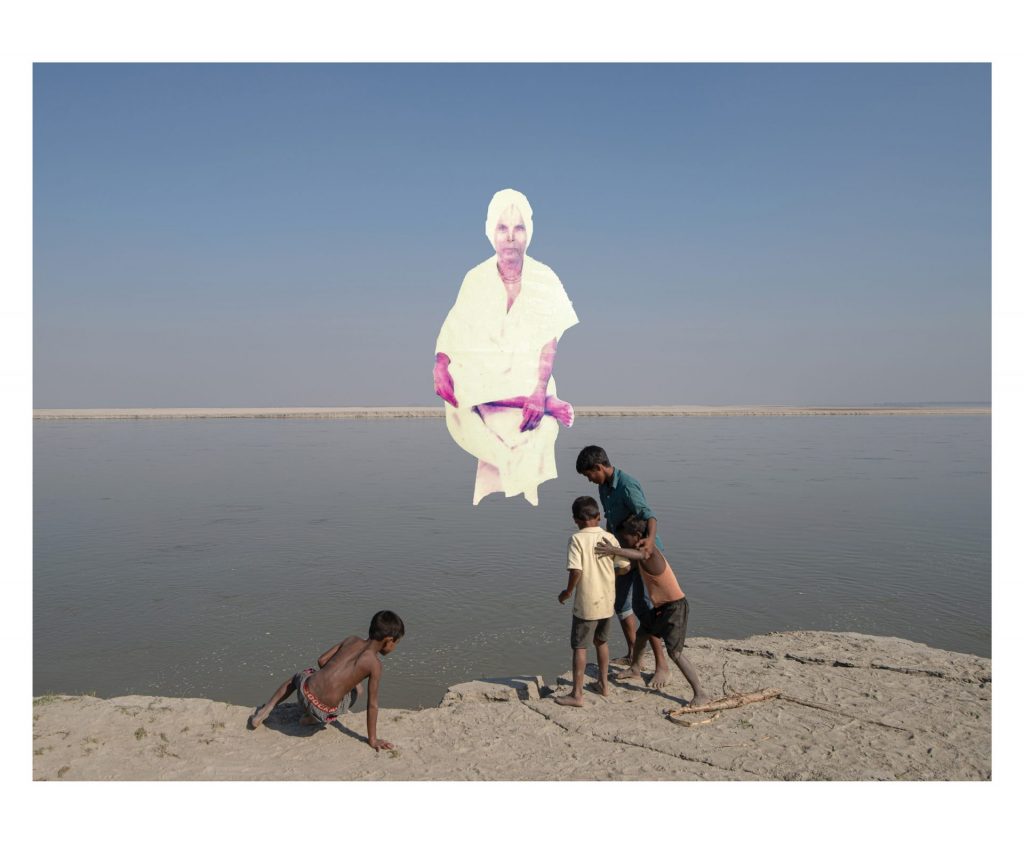
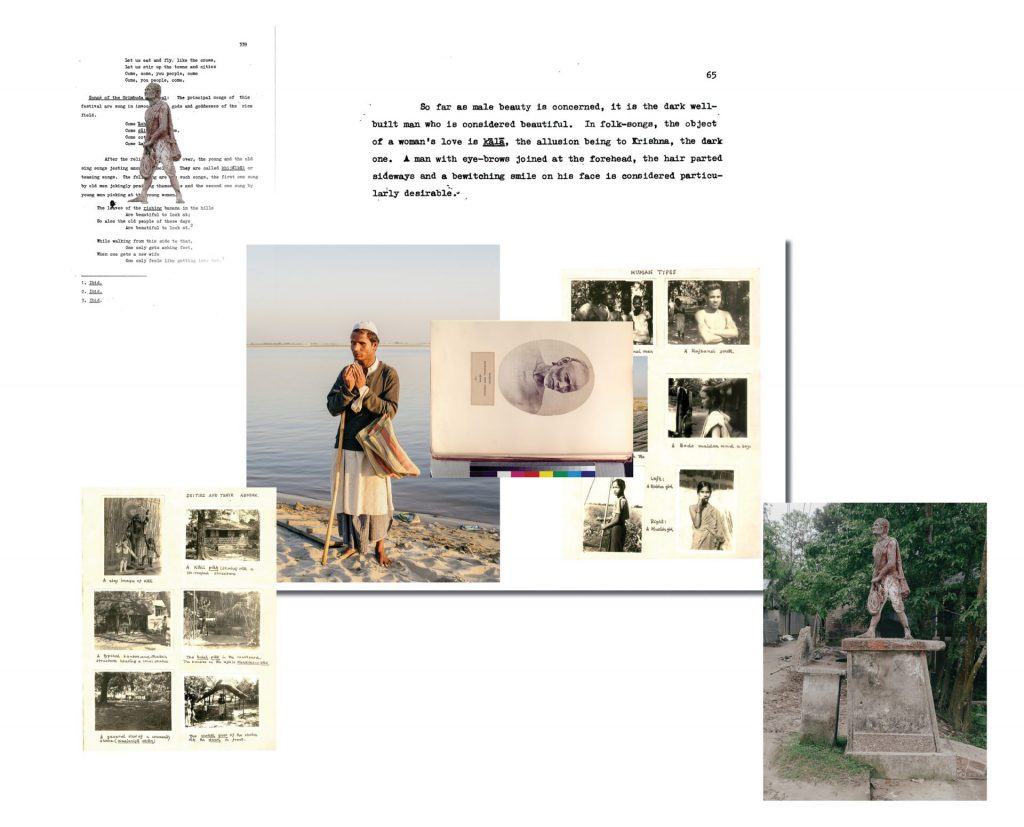
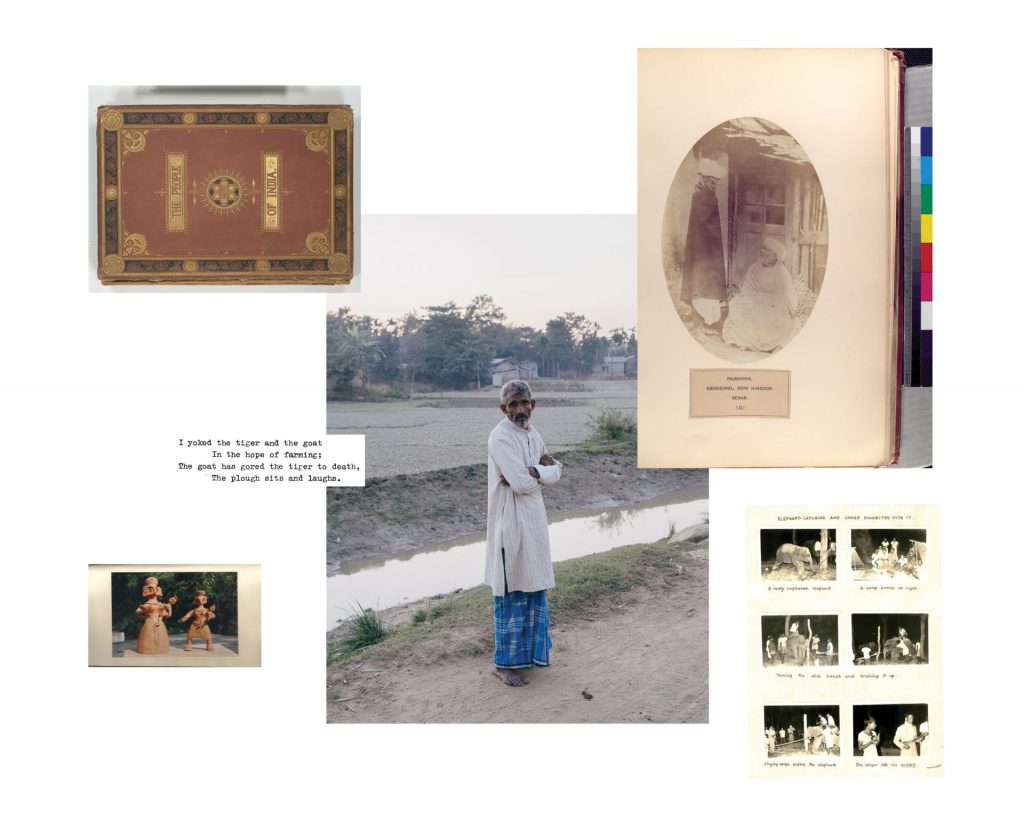
Akshay Mahajan’s People of Clay (2016–present) traces the hidden histories embedded along the Brahmaputra River as it winds through India’s Goalpara region and across the border into northern Bangladesh. As Mahajan writes, “colonial survey lines cleaved one landscape into many, and the people caught in between were flattened into shorthand.” The project seeks to reverse this erasure by reconstructing the layers of story, myth and memory that shape the region. The result is a subjective cartography, formed through slow observation, listening and engagement.

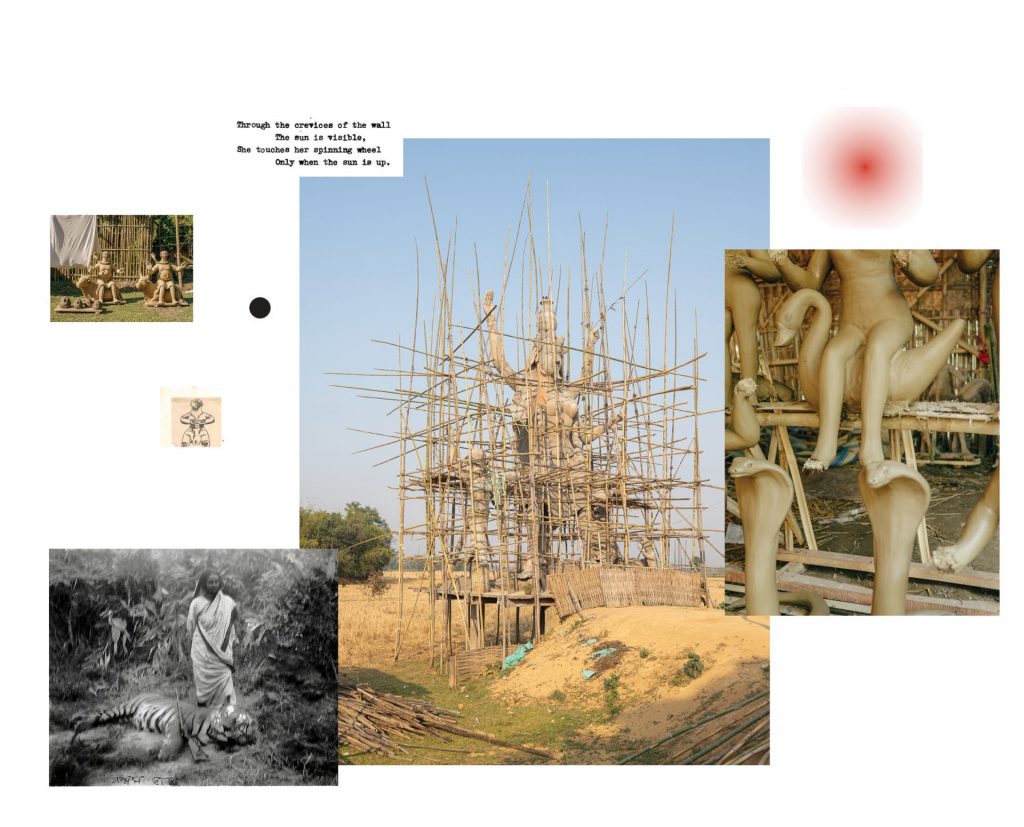
The work draws extensively on myths and folktales. In the legend of Behula, a husband is cursed and killed by a snakebite, his body set adrift on the river. Refusing to abandon him, his grieving wife climbs onto the raft and accompanies him downstream. Though dismissed by others as mad, her devotion is ultimately rewarded when a goddess restores her husband to life. In People of Clay, Mahajan reimagines this moment, depicting Behula leaning gently over her husband’s body to retrieve a water hyacinth. Through such reinterpretations, the artist brings folklore into the present, allowing ancient stories to continue evolving.

Throughout the exhibition, Mahajan combines photography, collage and found materials, working through an iterative process in which a single image becomes the starting point for layers of addition and transformation. He compares this approach to the telling of a grandmother’s tale, where new details emerge with each retelling. The resulting works function as mnemonic devices, revealing narratives and memories overlooked or erased from official archives.

Yet People of Clay is not only an act of remembrance. As Mahajan writes: “My intention is simple: to recall that we are all people of clay, our contours forever provisional, never fully bound to the frontiers we inherit. And, like me, you may find that a single, unguarded song is enough to press a new, more generous outline into being.”

Biography

Akshay Mahajan (b. 1985, India) is an artist that uses photography and collage as tools to explore collective memory. His practice examines postcolonial cities, landscapes, folklore and mythology, to reveal how past, present and future are always entangled, shaped through varied forms of power. His work observes how our postcolonial reality is often anchored in pre-colonial stories and memories, using the camera as a tool to lay bare these connections. With a discerning eye, Mahajan explores how the physical structures and spaces in the non-western world can become emblematic of unfulfilled aspirations and unrealised potentials due to unresolved historiography. In terms of method, he uses images as a starting point to build large-scale assemblages that combine both found and archival materials. He describes this process as one of ‘radical citation’, allowing multiple voices to flow through his work. 

Mahajan has exhibited widely, including: Vezasca Photo Festival, Singapore International Festival of Arts, Jogja Fotografis Festival, Athens International Photo Festival, Foam Museum, Cairo Biennale, Bamako Encounters and the Jakarta International Photography Festival. Awards include the Verzasca Foto Festival Award (2024), Foam Talent (2024), and the Aperture Portfolio Prize shortlist (2023).

In collaboration with:

Supported by: