

Bristol Museum & Art Galleries
Queens Rd, Clifton, Bristol BS8 1RL
14 Oct 2026 to
14 Feb 2027
Tue - Sun | 10am - 5pm
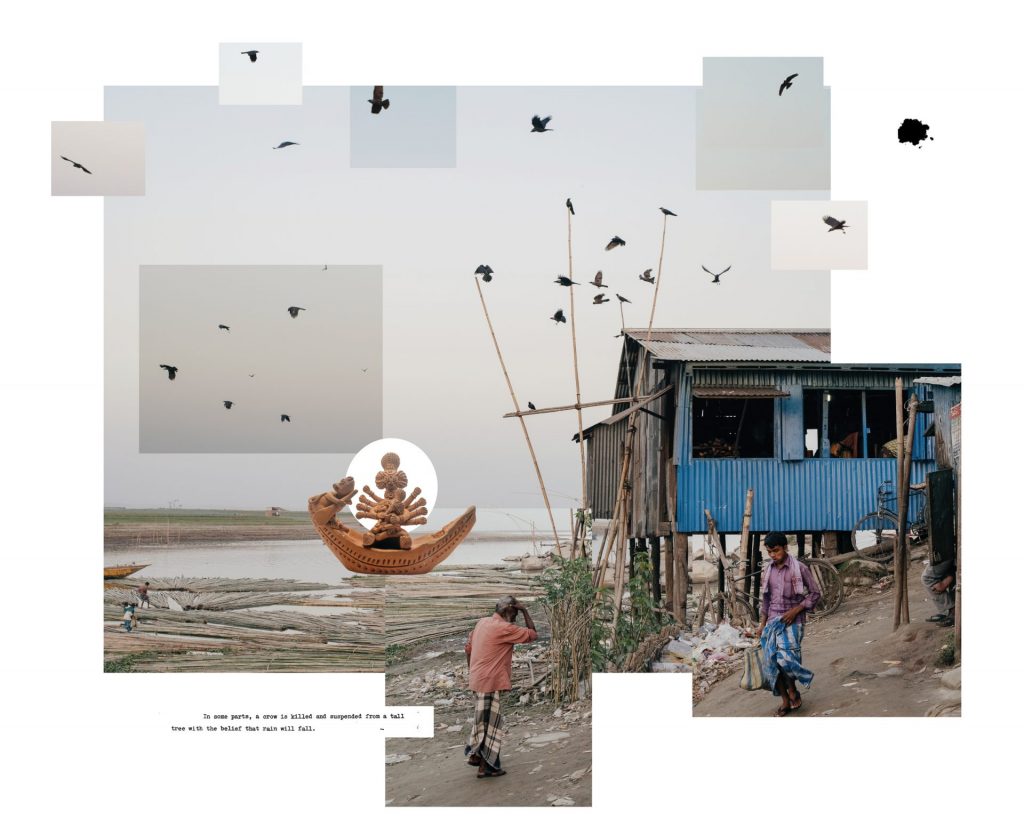
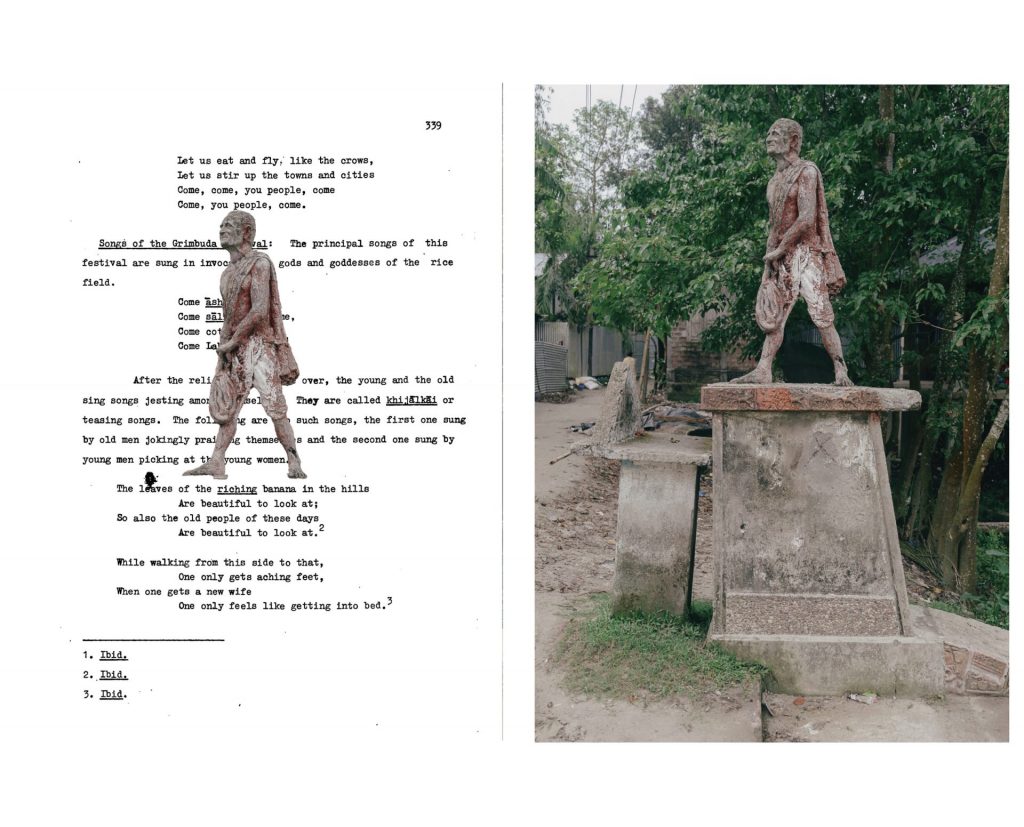
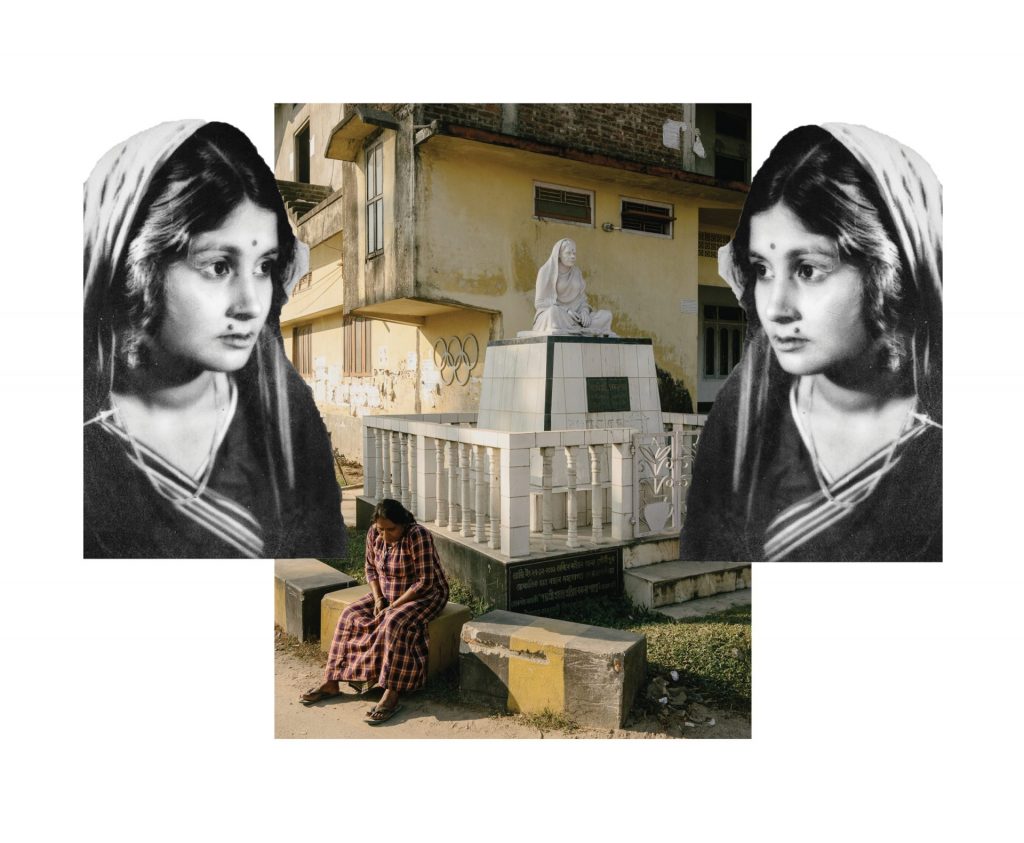
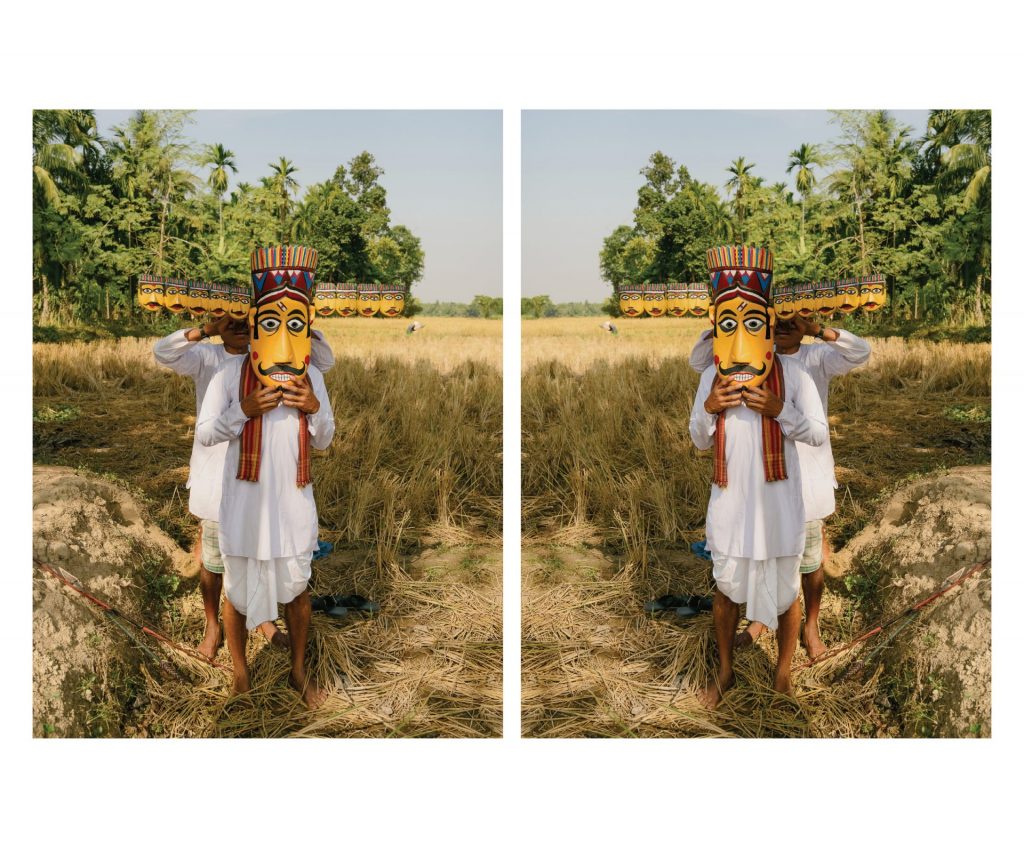
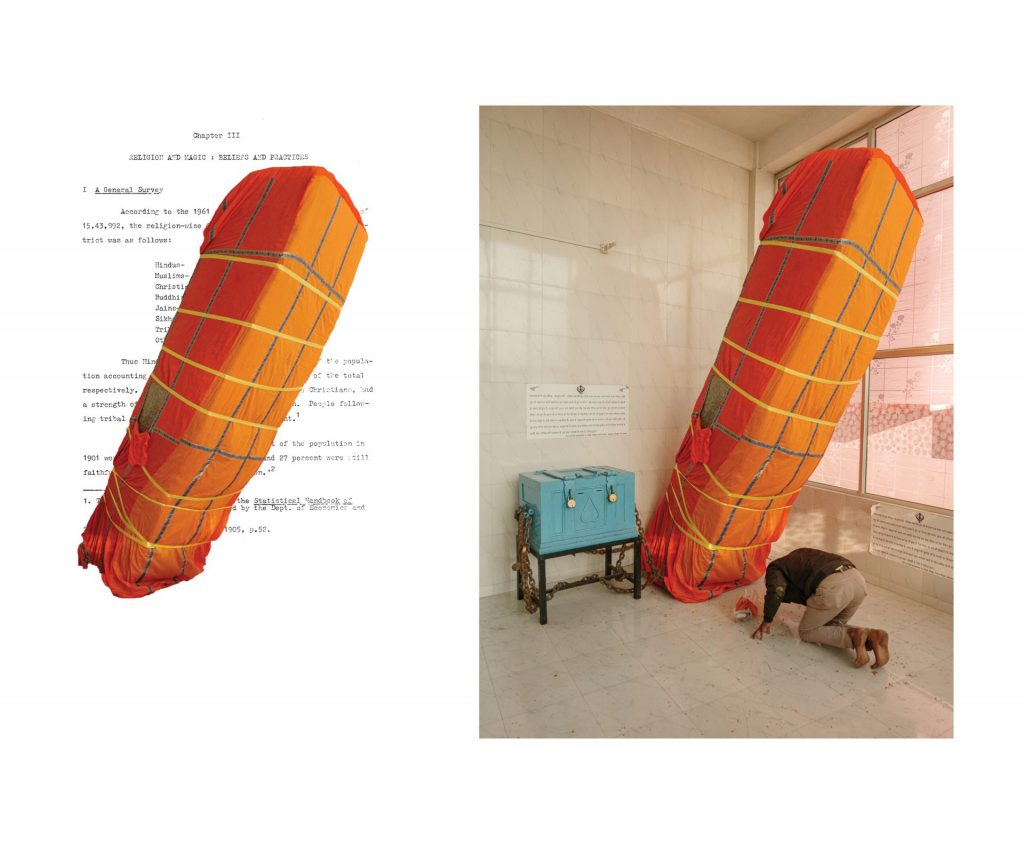
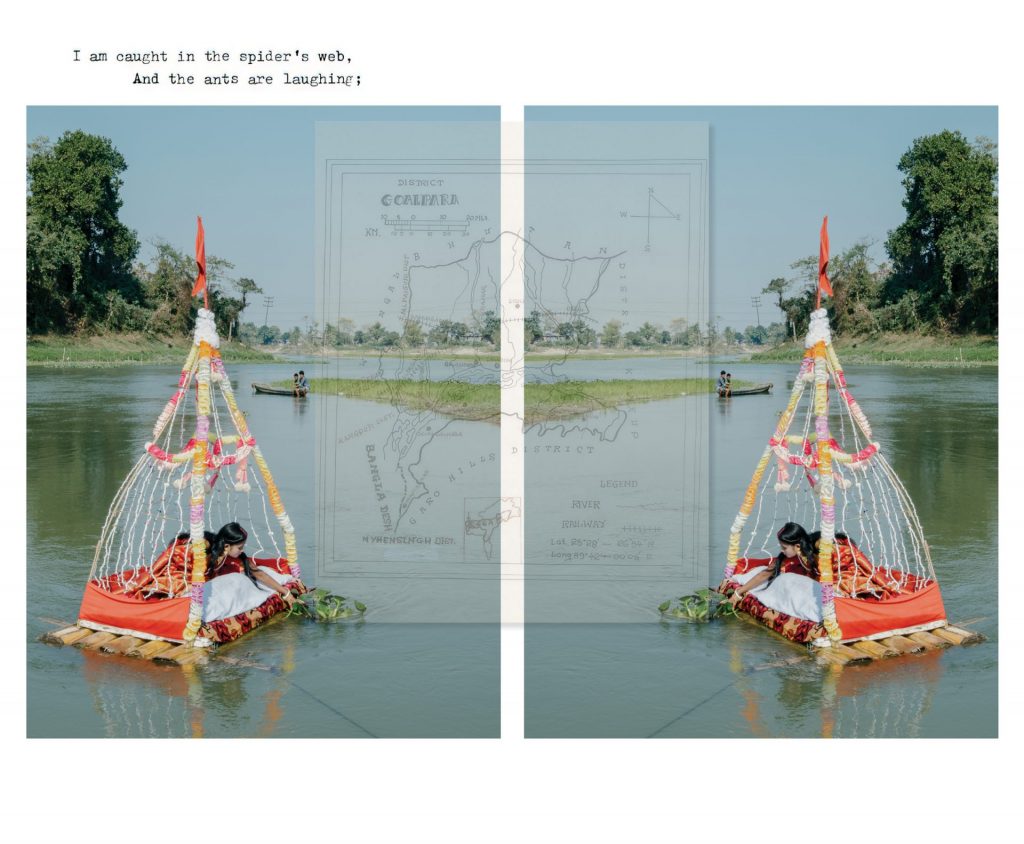
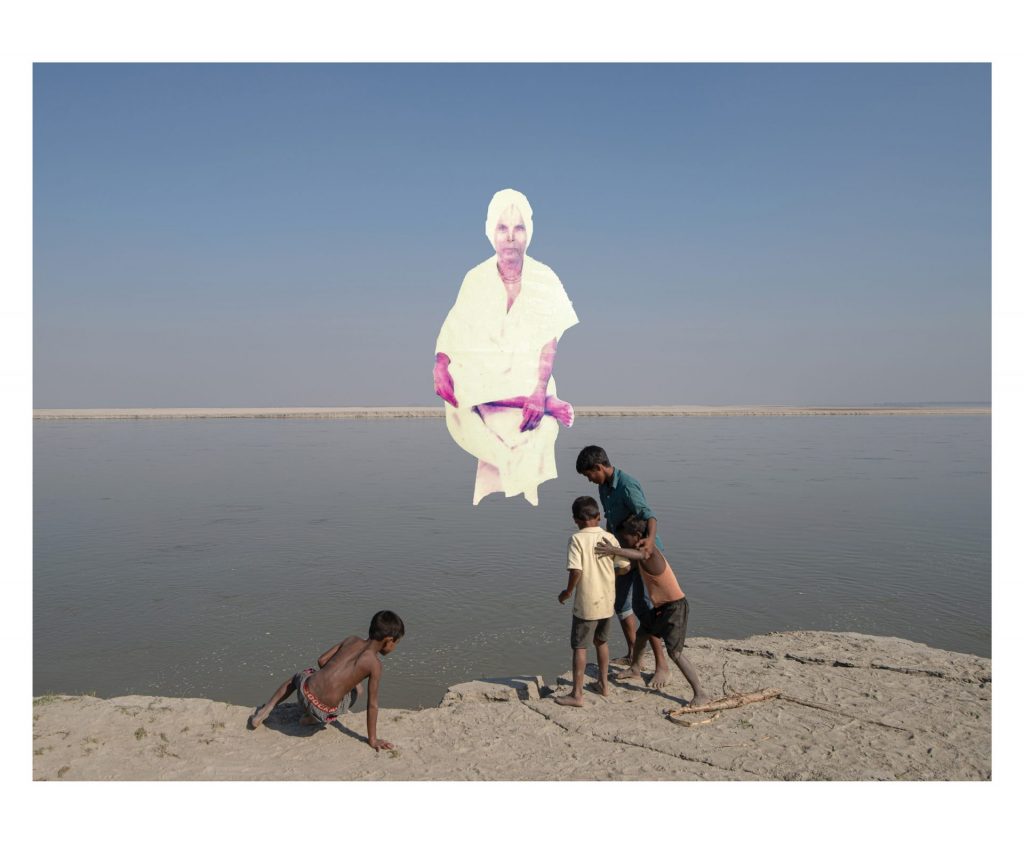
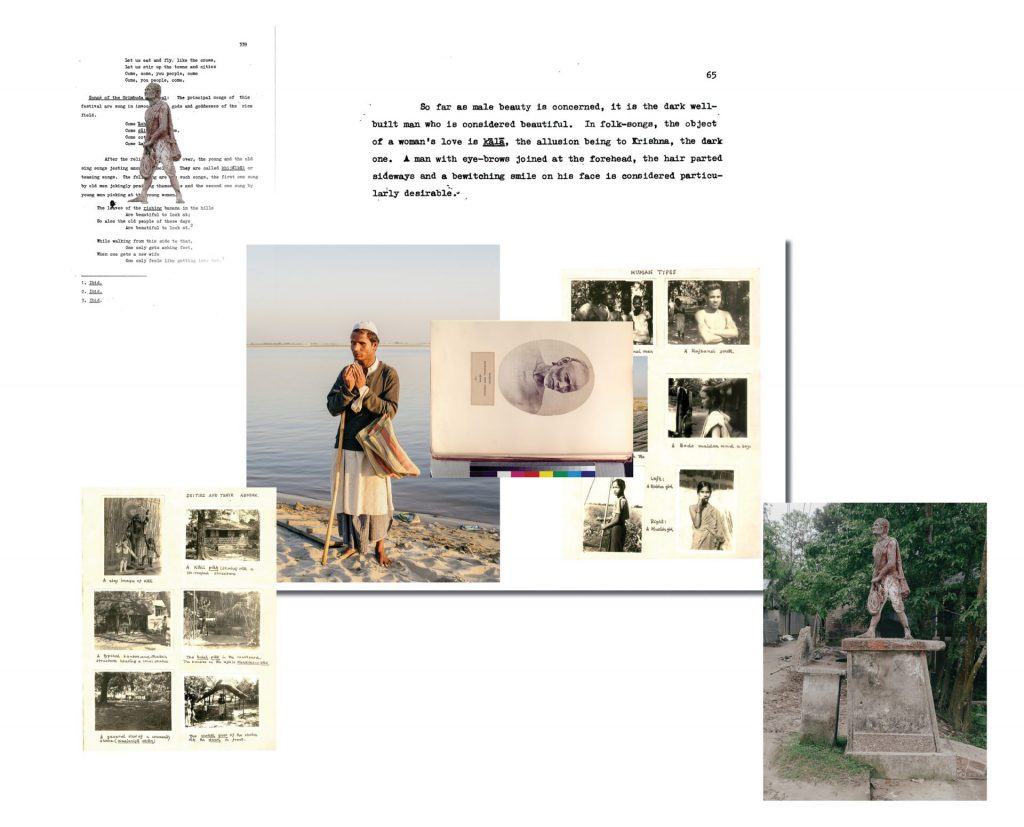
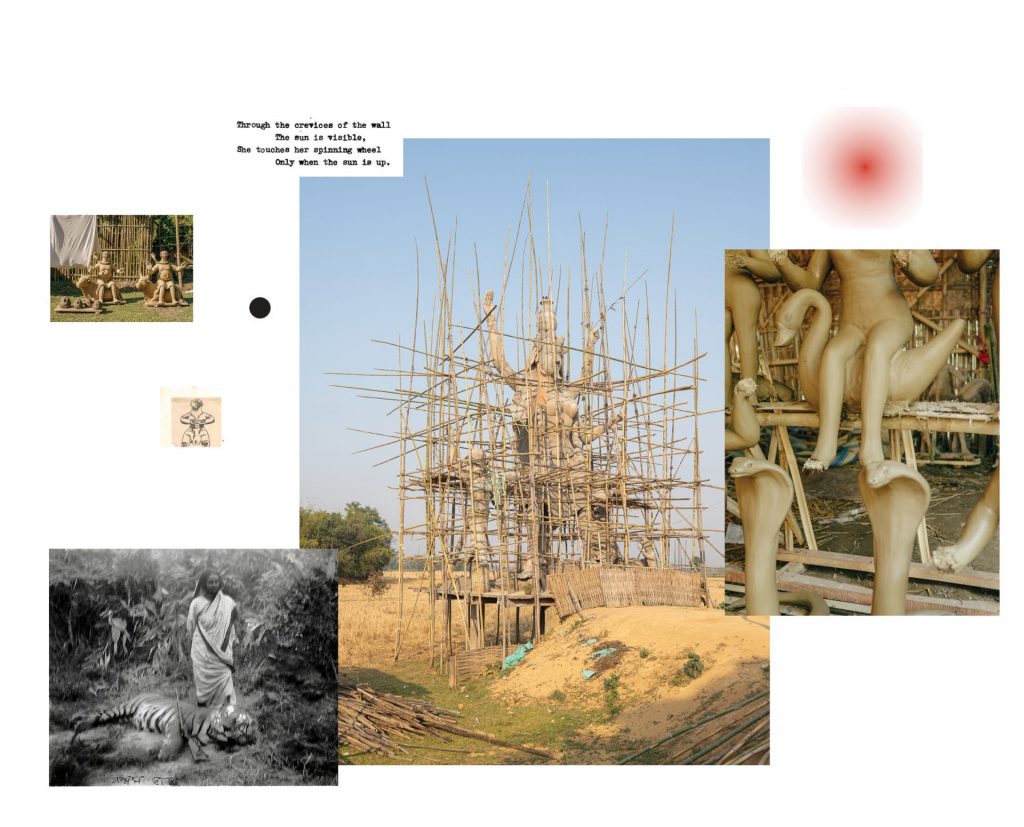
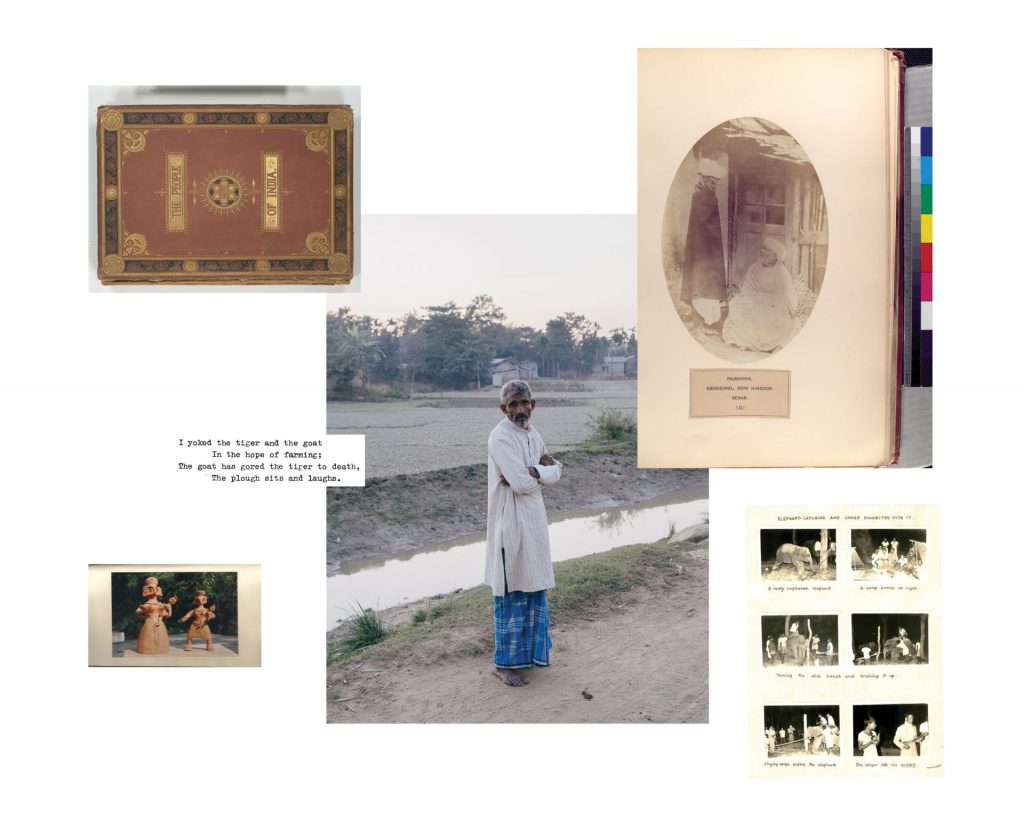
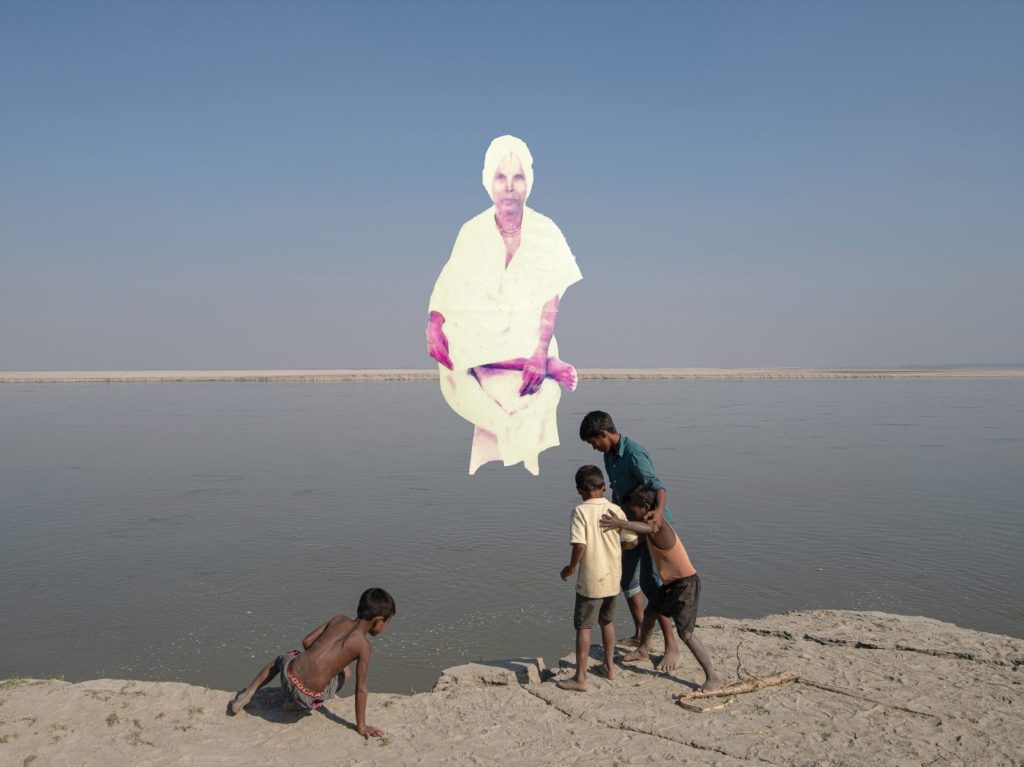
“It took me many years to notice that, in the hush between conversations, she would sing. Simple tunes tinged with a gentle melancholy drifted through the room, sung in a tongue I had yet to decipher — folk songs belonging to a people all but erased from the map. ‘What are folk songs for?’ I once asked her. ‘They’re like prayers, or like roadmaps of a people,’ she answered. Those melodies became my compass.” Akshay Mahajan
Akshay Mahajan’s People of Clay (2016–present) traces the hidden histories embedded along the Brahmaputra River as it winds through India’s Goalpara region and across the border into northern Bangladesh. As Mahajan writes, “colonial survey lines cleaved one landscape into many, and the people caught in between were flattened into shorthand.” The project seeks to reverse this erasure by reconstructing the layers of story, myth and memory that shape the region. The result is a subjective cartography, formed through slow observation, listening and engagement.
The work draws extensively on myths and folktales. In the legend of Behula, a husband is cursed and killed by a snakebite, his body set adrift on the river. Refusing to abandon him, his grieving wife climbs onto the raft and accompanies him downstream. Though dismissed by others as mad, her devotion is ultimately rewarded when a goddess restores her husband to life. In People of Clay, Mahajan reimagines this moment, depicting Behula leaning gently over her husband’s body to retrieve a water hyacinth. Through such reinterpretations, the artist brings folklore into the present, allowing ancient stories to continue evolving.
Throughout the exhibition, Mahajan combines photography, collage and found materials, working through an iterative process in which a single image becomes the starting point for layers of addition and transformation. He compares this approach to the telling of a grandmother’s tale, where new details emerge with each retelling. The resulting works function as mnemonic devices, revealing narratives and memories overlooked or erased from official archives.
Yet People of Clay is not only an act of remembrance. As Mahajan writes: “My intention is simple: to recall that we are all people of clay, our contours forever provisional, never fully bound to the frontiers we inherit. And, like me, you may find that a single, unguarded song is enough to press a new, more generous outline into being.”
Biography
Akshay Mahajan (b. 1985, India) is an artist that uses photography and collage as tools to explore collective memory. His practice examines postcolonial cities, landscapes, folklore and mythology, to reveal how past, present and future are always entangled, shaped through varied forms of power. His work observes how our postcolonial reality is often anchored in pre-colonial stories and memories, using the camera as a tool to lay bare these connections. With a discerning eye, Mahajan explores how the physical structures and spaces in the non-western world can become emblematic of unfulfilled aspirations and unrealised potentials due to unresolved historiography. In terms of method, he uses images as a starting point to build large-scale assemblages that combine both found and archival materials. He describes this process as one of ‘radical citation’, allowing multiple voices to flow through his work.
Mahajan has exhibited widely, including: Vezasca Photo Festival, Singapore International Festival of Arts, Jogja Fotografis Festival, Athens International Photo Festival, Foam Museum, Cairo Biennale, Bamako Encounters and the Jakarta International Photography Festival. Awards include the Verzasca Foto Festival Award (2024), Foam Talent (2024), and the Aperture Portfolio Prize shortlist (2023).
In collaboration with:

Supported by: