
Inherited with Kelly O’Brien and Yuko Edwards

© Kelly O’Brien
© Kelly O’Brien
© Kelly O’Brien
© Kelly O’Brien
© Kelly O’Brien
© Yuko Edwards
© Yuko Edwards
© Yuko Edwards
© Yuko Edwards

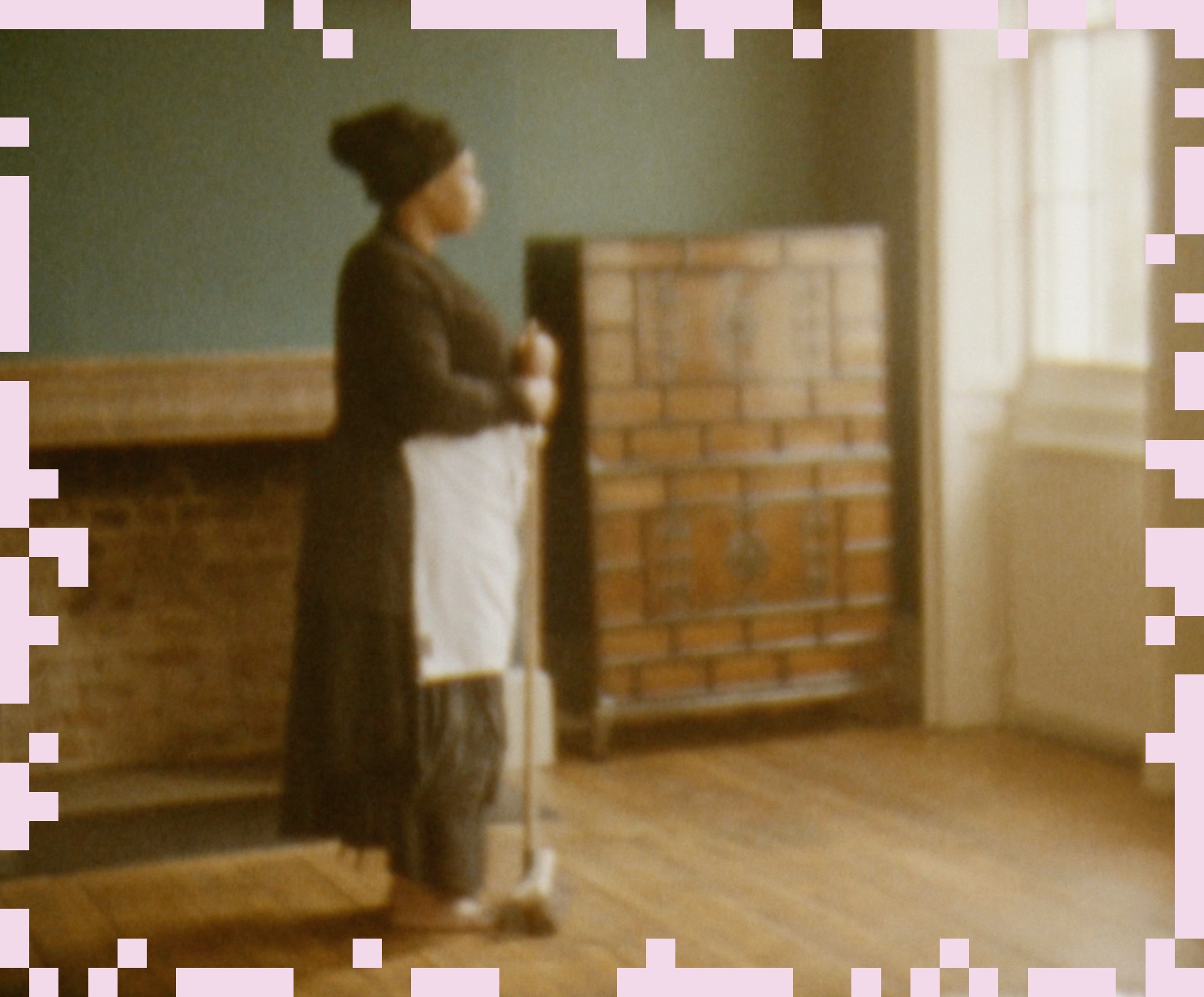
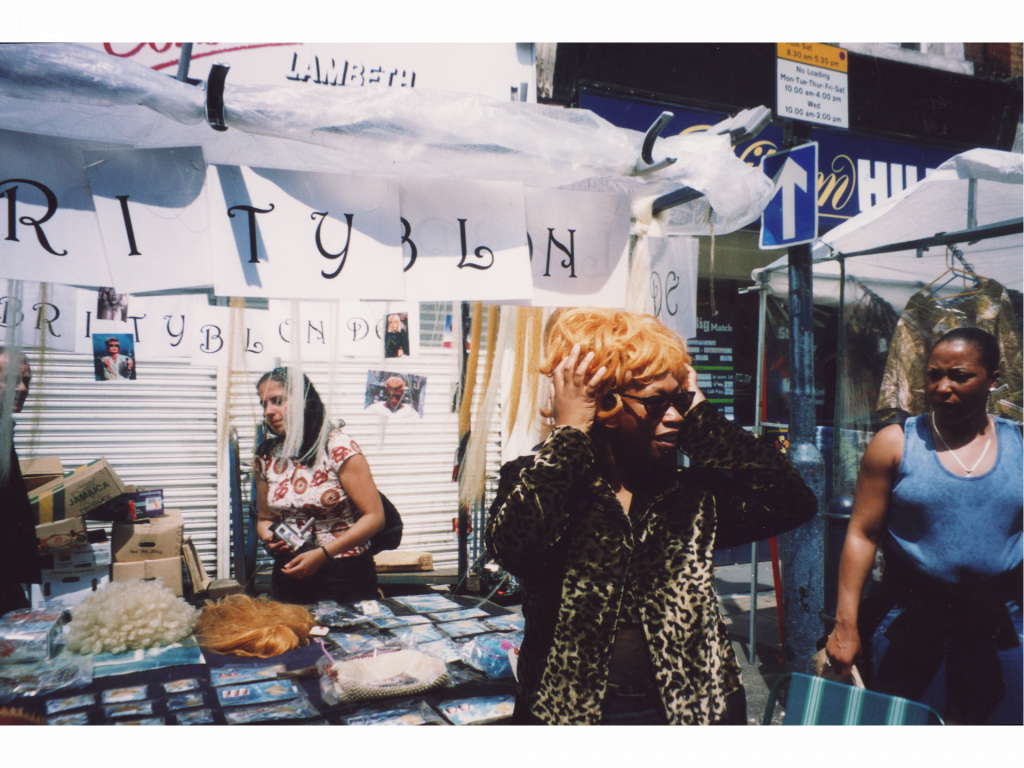
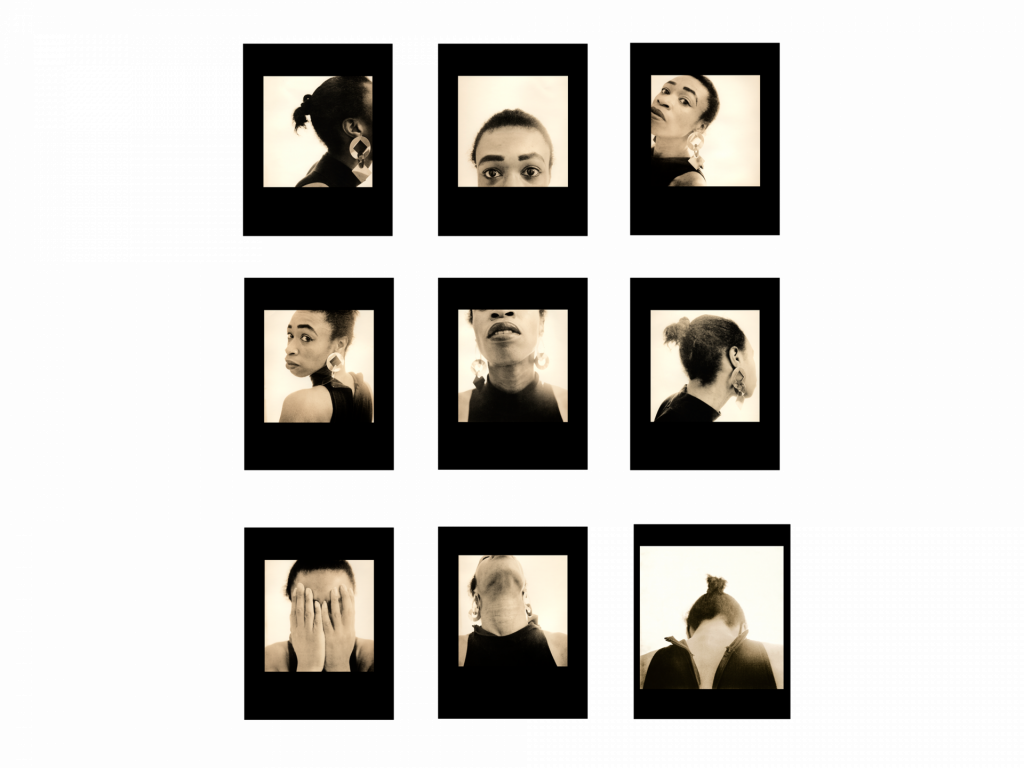
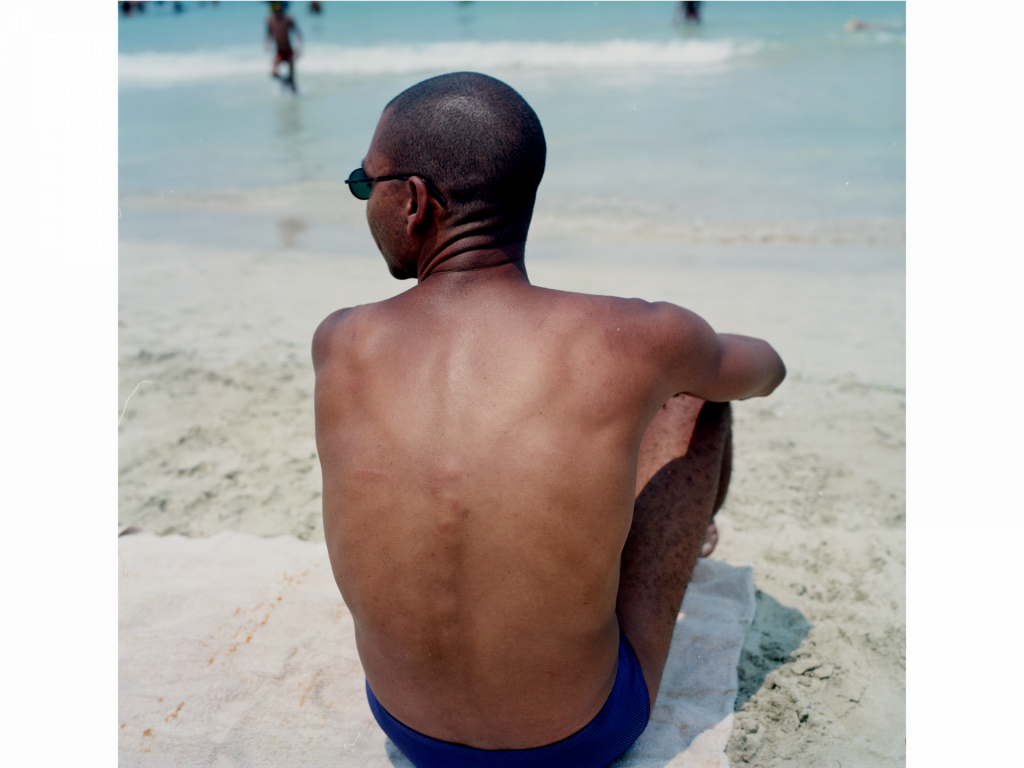
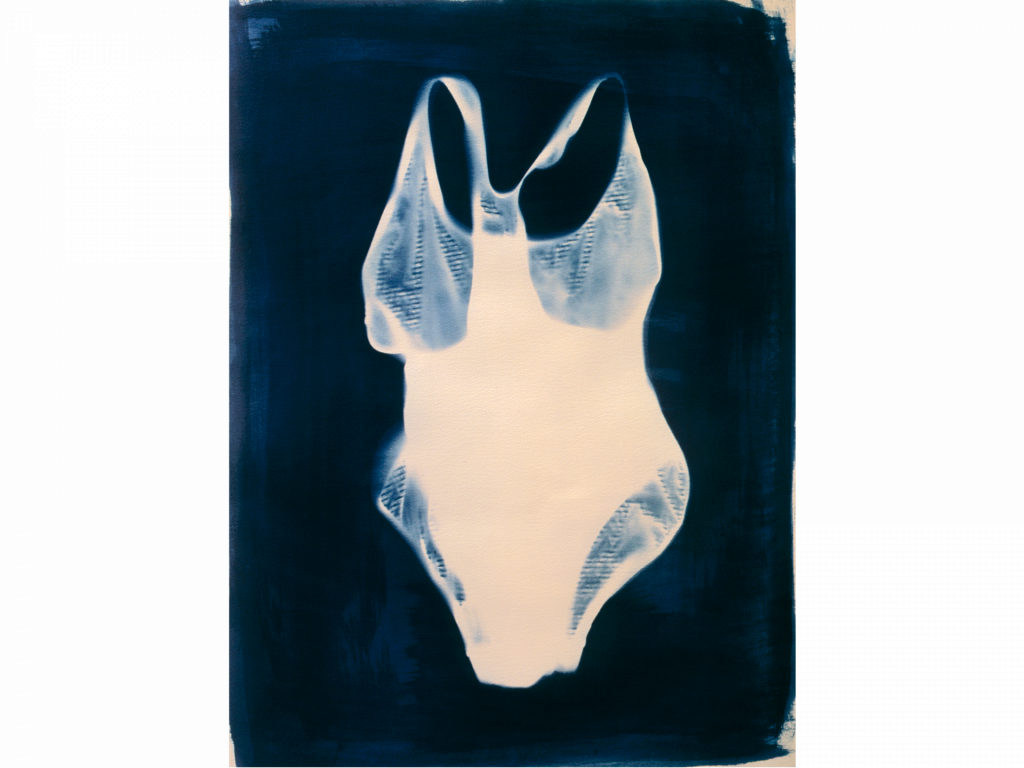
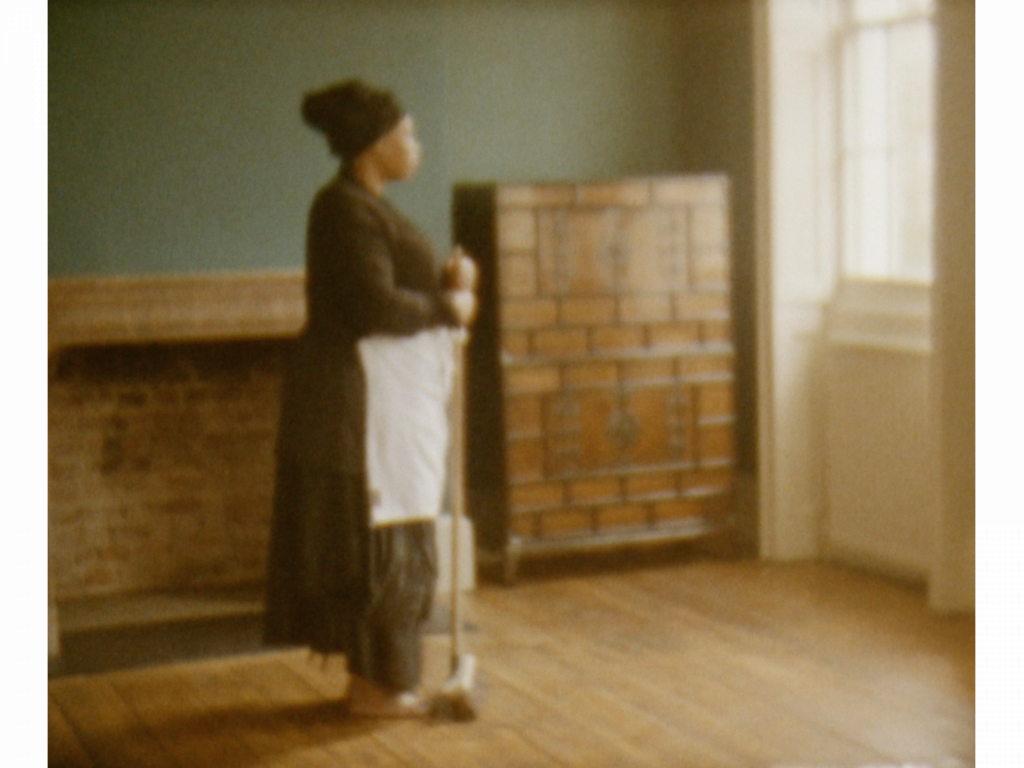
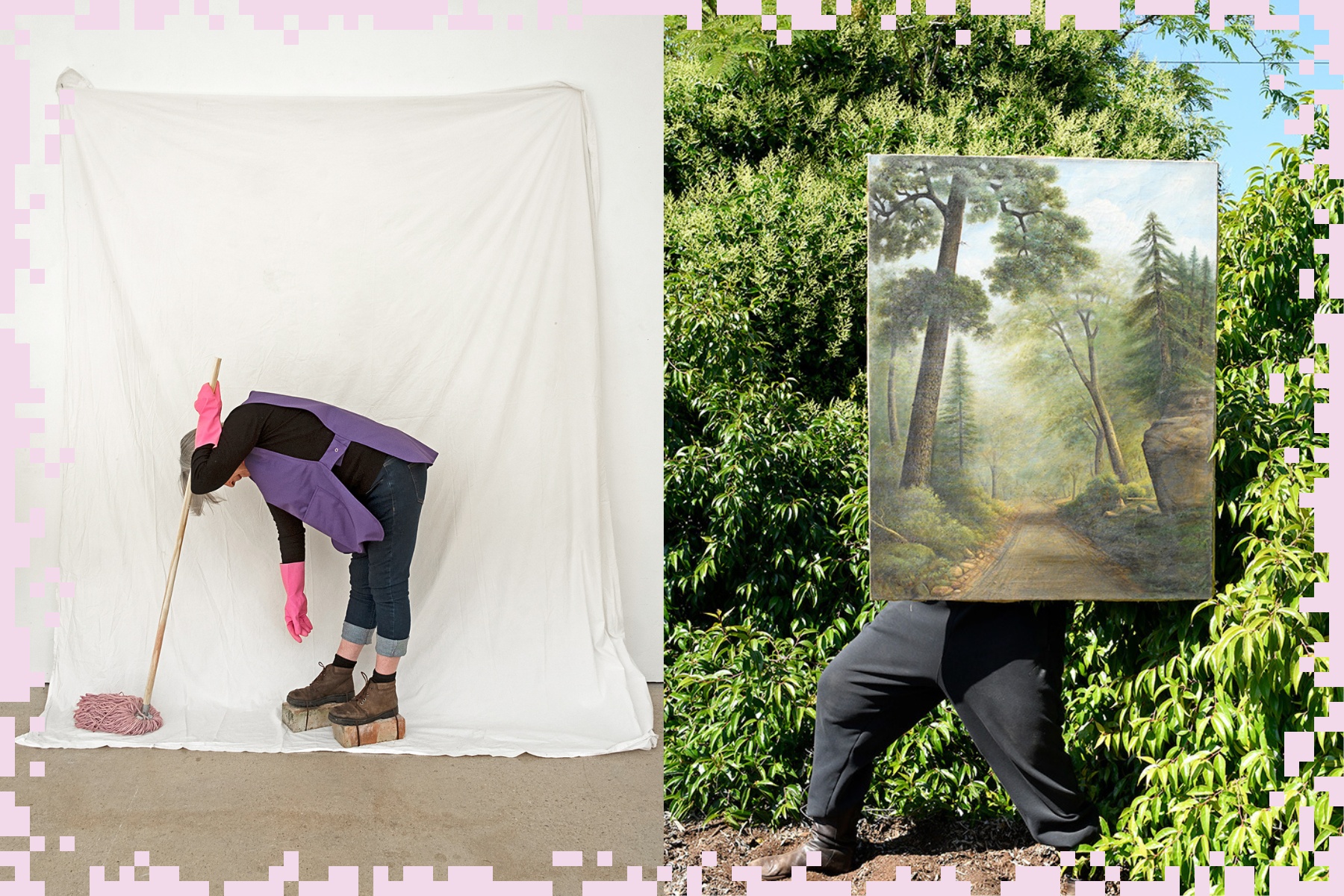
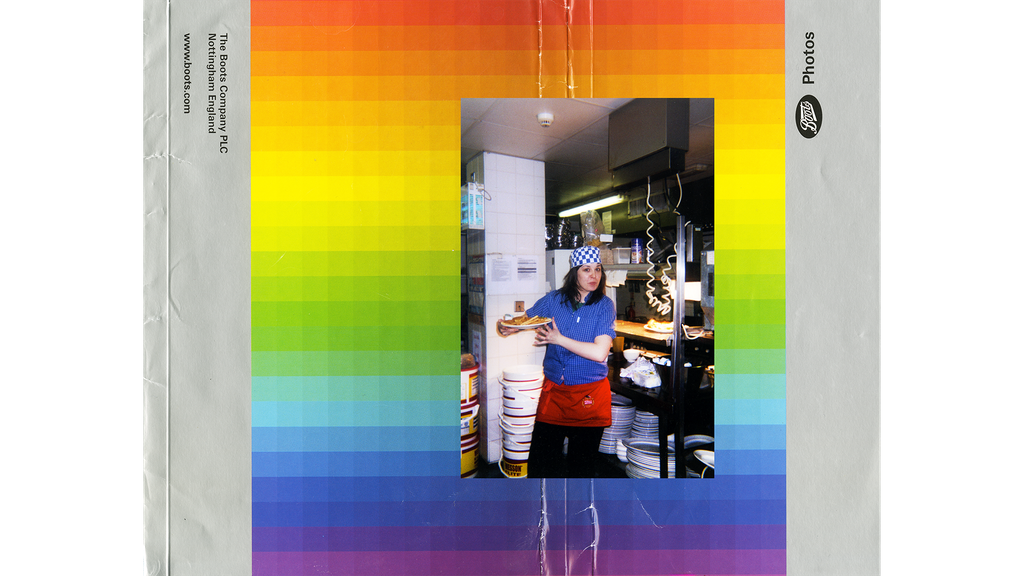
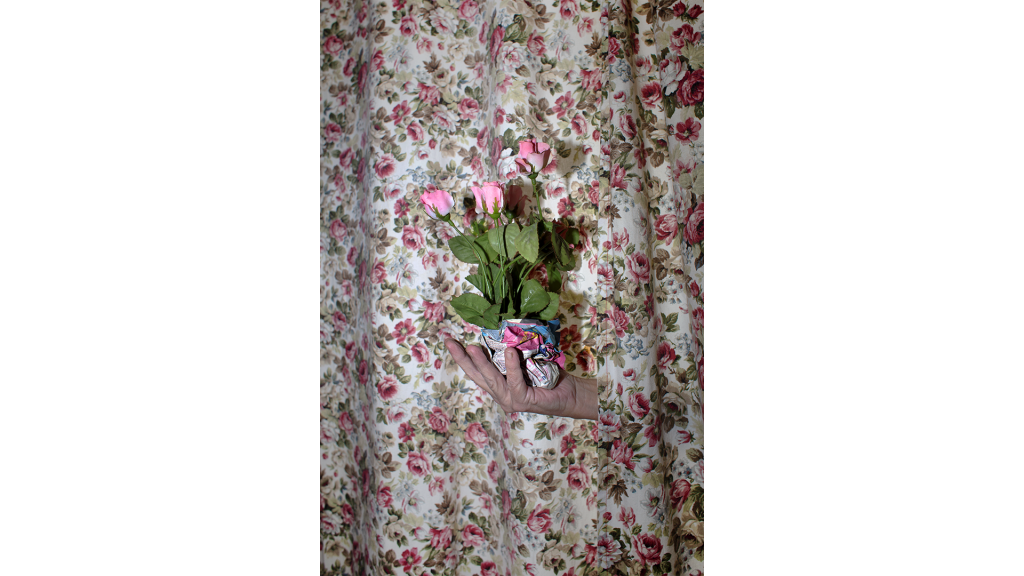
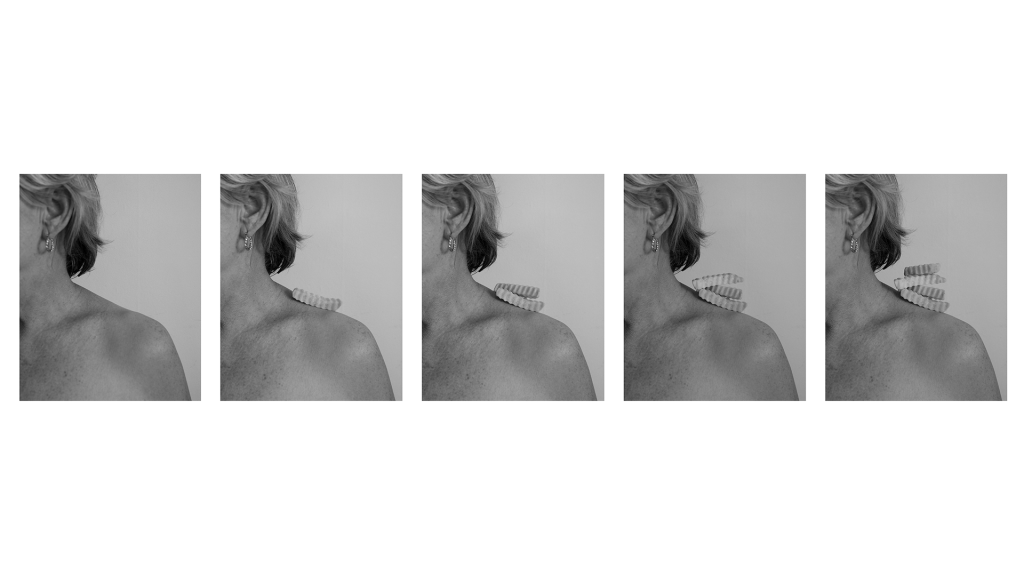
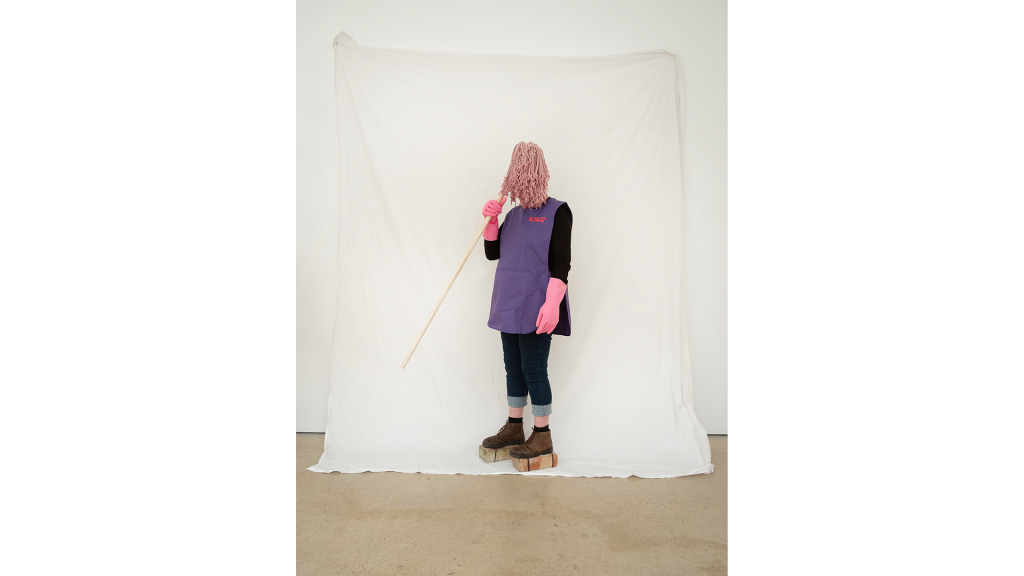
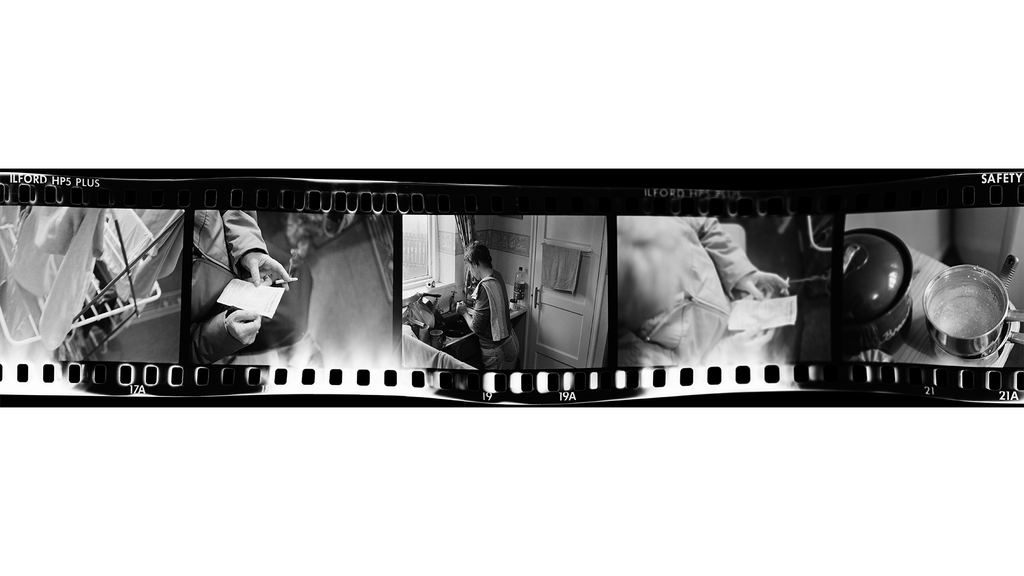
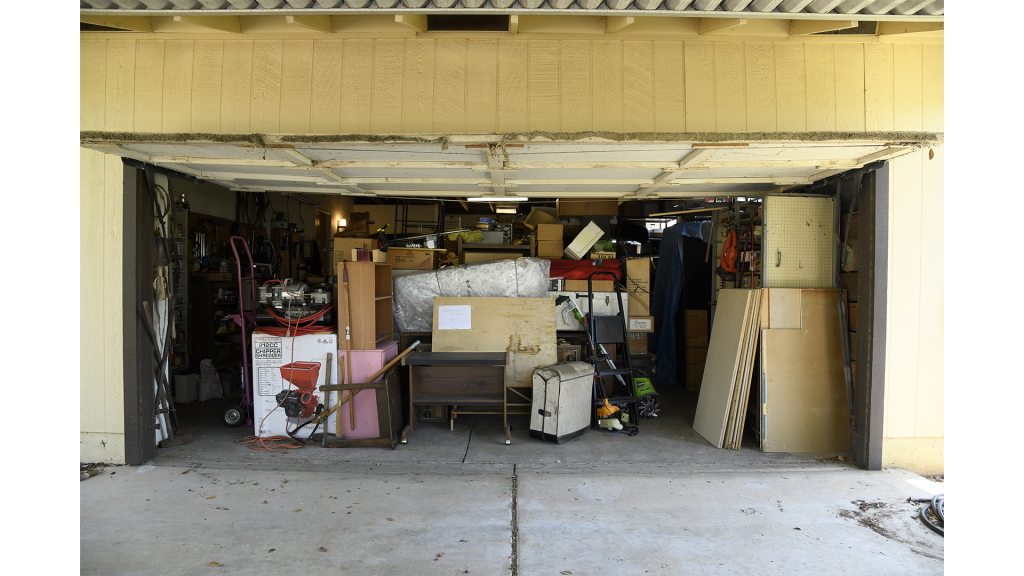
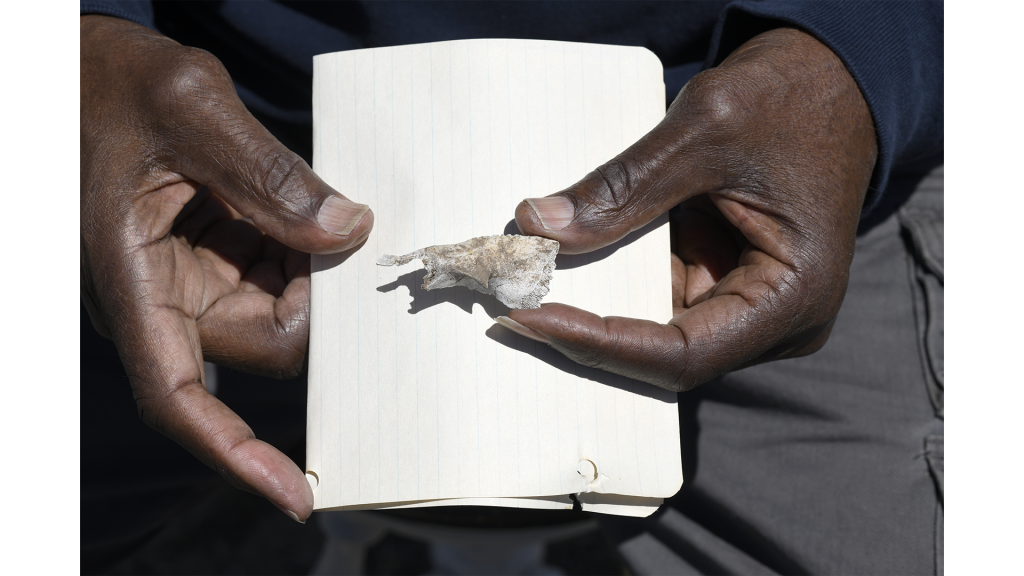
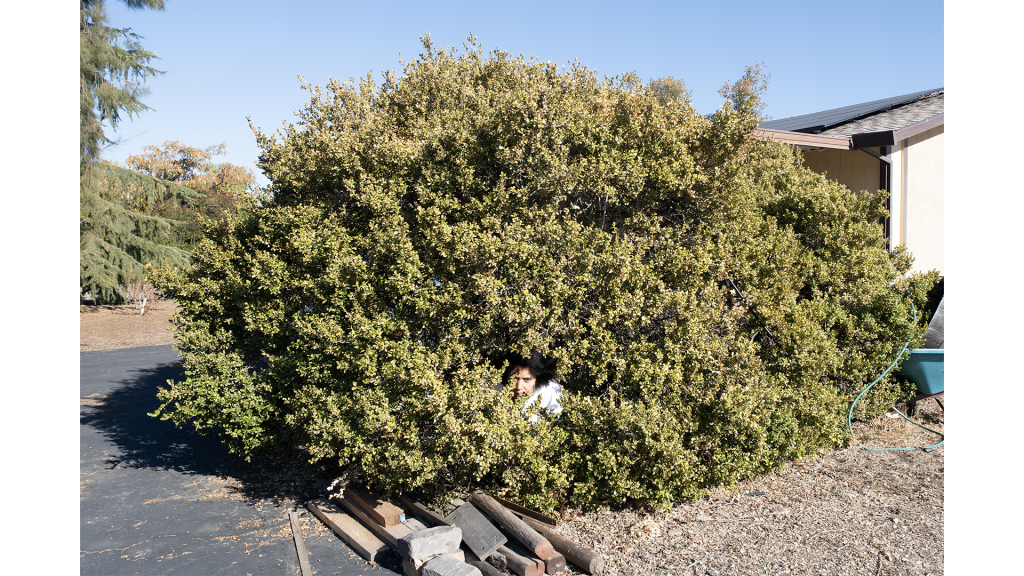
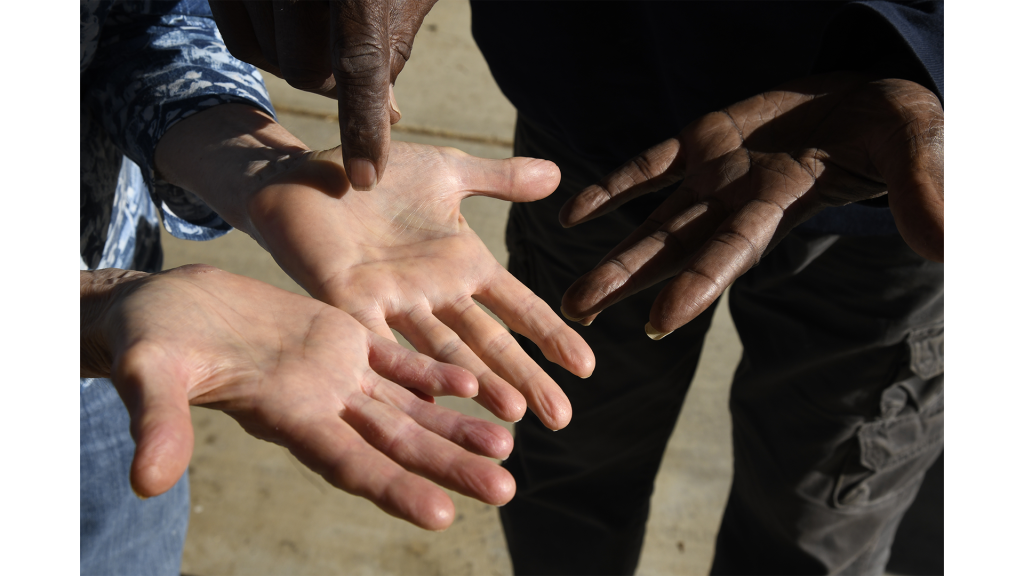
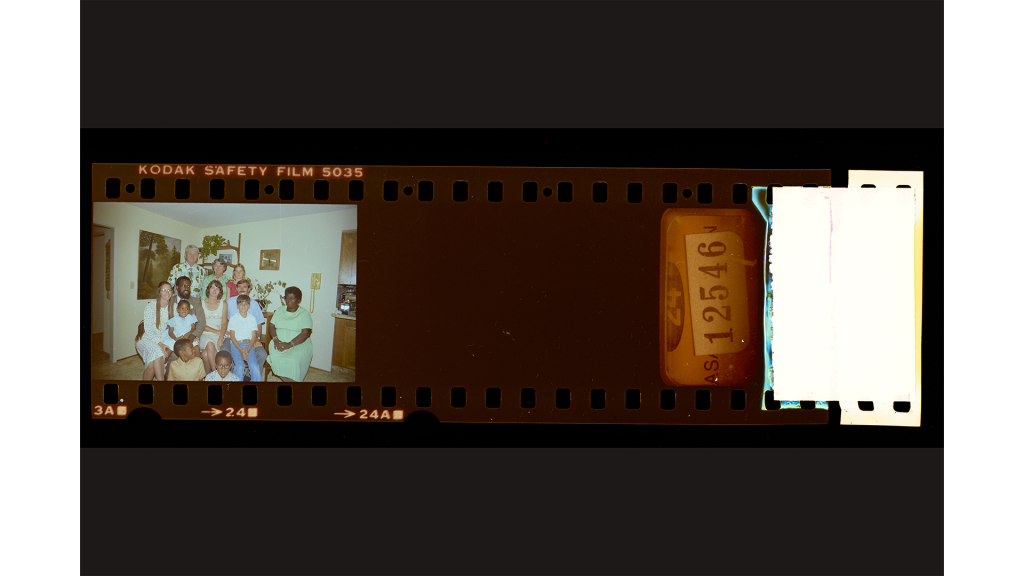
The exhibition at KIT FORM brings together the work of two local artists, Yuko Edwards and Kelly O’Brien. Both artists explore what is valued, inherited and made visible within family histories. Kelly O’Brien’s No Rest for the Wicked explores the cycle of labour endured by poor and working class women across three generations. She uses photography to examine what is passed between generations—not only objects and images, but identities, knowledge, labour and social histories.  She examines the often-unrecognised labour of women and the knowledge passed between generations. Yuko Edwards’ What You See in my Face is a look into a racially blended family and the shift in time and place that occurs when a family combines within a generation. When the restructuring of love, land and stories move along race and class lines, is the family ever really blended?  The work demonstrates inherited knowledge and draws heavily from the family’s archive and new pictures that reflect that progression through time and space.  When the restructuring of love, land and stories shifted again along race and class lines, was the family ever really blended? The work describes inherited knowledge and draws heavily from the family’s archive and new pictures that reflect that progression through time and disinheritance. 

Both practices reveal inheritance as something more complex than property or bloodline: it is also a selective and uneven transmission of memory, work, resilience and unequal social value.Together, the projects ask who and what is remembered, what is hidden? What does memory do and when does it count? And, how photography can challenge the structures that determine whose lives, histories and labour are considered valuable.

Kelly O’Brien — No Rest for the Wicked

Kelly O’Brien explores domestic work by intertwining her family’s stories with issues of class, gender, and occupation, advocating for the visibility of working women and their struggles. In her works, the narrative shifts between the tensions of domestic burdens—a shadowed space where gender disparities persist—and the paradox of the home as a sanctuary. No Rest for the Wicked celebrates the home to reveal the invisible labour that underlies it. The project highlights the experiences of women whose work, both inside and outside the home, often goes unrecognised.

Bio

Kelly O’Brien is an artist, researcher, and lecturer based in England. Her Irish immigrant, working class background shapes a multidisciplinary practice spanning image‑making, sculpture, and installation. She explores the politics of in/visibility, using absence to rethink how people, places, and histories are shown and understood. Her work centres on restorative representation, collaboration, and working class feminist perspectives. She focuses on what is often overlooked, treating invisibility not as a lack but as a space for imagination and collective possibility.

Recent exhibitions – The Wellcome Collection (ENG), Two Temple Place (ENG), Fondazione MAST (IT), Sunny Bank Mills (ENG),The ALBERTINA Museum (AUT), and The Women’s Art Collection (ENG) and The Glynn Vivian (WLS). Recent Collection Acquisitions – The Arts Council Collection (UK) and The Vurbund Collection (AUT).

Yuko Edwards — What You See in my Face

What You See in my Face begins with Yuko Edwards’ discovery of historical family negatives, prints, postcards and letters in her stepmother’s family home, recently inherited by her interracial parents. Within her work, the house becomes a living archive, containing traces of those who have belonged to the family and those yet to come. Edwards uses these materials to question how inheritance shapes identity within blended and mixed-race families, and how family histories exceed the fixed narratives suggested by biology or DNA.

Through reprinting, layering, reframing and annotating archival images, alongside family conversations and the insertion of her own image, voice and material traces, Edwards explores the archive as both evidence and omission. Her work asks where Black presence sits within an inherited visual history, and what happens when previously fragmented narratives are re-read and re-contextualised. Photography becomes not simply a record of the past, but an active space for negotiating memory, belonging, absence and connection.

Bio

Yuko Edwards is a multidisciplinary artist who lives and works in Bristol, England. Whether the work manifests itself as video, photography or mixed media, her art is always an ongoing conversation about place, space, identity, self-identity and how we each live within these frameworks.

Archival material, including found family photographs, are often used as starting points for storytelling and to question existing social structures. Her photographic approach combines documentary with an imaginative and often personal dimension. History is used as a reference point in Edwards’ work to help us understand where we’ve been and where we are going. Since 2018, her work has been shown in festivals and exhibitions in the UK including Somerset House, M-Shed and the RWA.

Supported by:

Joy Gregory: Catching Flies with Honey

Arnolfini presents a landmark exhibition celebrating four decades of Joy Gregory’s pioneering practice. Catching Flies with Honey is the first major survey exhibition of Joy Gregory’s work, bringing together more than 150 photographs, films, installations and textile works spanning four decades. Across Arnolfini’s galleries, the exhibition reveals an artist who has continually redefined the possibilities of photography, inviting audiences into new ways of thinking about identity, history, beauty and belonging.  

Since the early 1980s, Gregory has been a pioneering force in contemporary photography, challenging expectations of both the medium and what Black or feminist art should look like through work that is visually seductive, materially inventive and conceptually rigorous. Using processes ranging from Victorian cyanotypes and kallitypes to digital media and performance, Gregory continually expands photography’s aesthetic and material possibilities. 

The exhibition will bring together key series spanning Gregory’s career, including Autoportrait (1990), a pivotal body of self-portraits exploring questions of beauty, exoticism and exclusion; The Handbag Project (1998–present), an ongoing study of luxury symbols of femininity through handbags owned by women during the apartheid era in South Africa; and Memory and Skin (1998), a multimedia installation combining photography, film, sound and gathered objects to examine the Caribbean as a layered landscape shaped by colonial legacies, cultural contradictions and hidden histories. These works will be presented alongside further pieces originating from Gregory’s extensive journeys across Sri Lanka, the Caribbean and Europe, as well as a newly commissioned film shot in South Africa’s Kalahari Desert, created as part of a 20-year collaboration with the Indigenous community whose ancestors spoke the critically endangered N|uu language.

Biography

Joy Gregory (b.1959, UK) is a graduate of Manchester Polytechnic and the Royal College of Art. She has developed a practice which is concerned with social and political issues with particular reference to history and cultural differences in contemporary society. As a photographer she makes full use of the media from video, digital and analogue photography to Victorian print processes. In 2002, Gregory received the NESTA Fellowship, which enabled her the time and the freedom to research for a major piece around language endangerment. The first of this series was the video piece Gomera, which premiered at the Sydney Biennale in May 2010. She is the recipient of numerous awards and has exhibited all over the world showing in many festivals and biennales. Her work included in many collections including the UK Arts Council Collection, Victoria and Albert Museum, Institute of Modern Art, Brisbane, Australia, and Yale British Art Collection. She currently lives and works in London.   

It is a real privilege to share this new iteration of the exhibition with new audiences, creating opportunities for conversations around the work and photographic practice to continue to grow. This feels especially meaningful in the context of the Bristol Photography Festival, which opens at the same time.” — Joy Gregory  

The exhibition was originated by Whitechapel Gallery, London, where it was first shown (8 October 2025 – 1 March 2026) with the subsequent tour organised in collaboration with Arnolfini, Bristol. 

Joy Gregory: Catching Flies with Honey has been generously supported by: 

Freelands Foundation through the Freelands Award 2023 

Research for this exhibition has been supported by the Paul Mellon Centre for Studies in British Art 

With additional support for the artist from The Elephant Trust

In collaboration with: