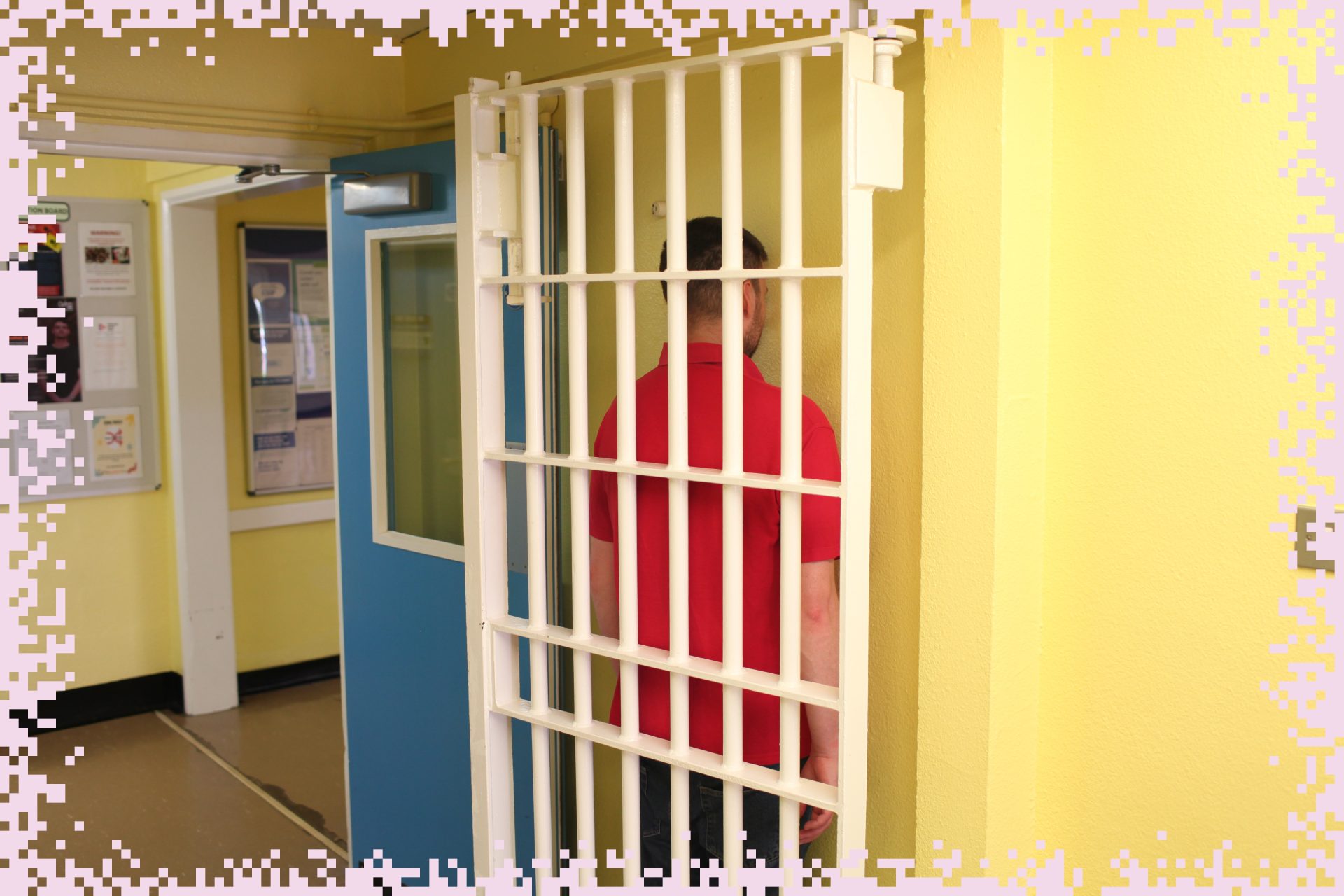
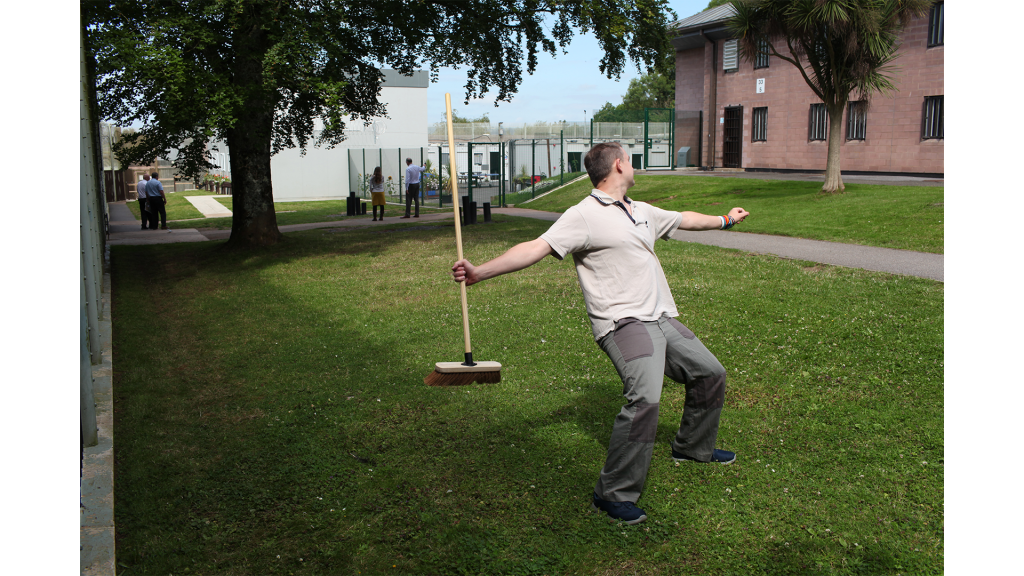
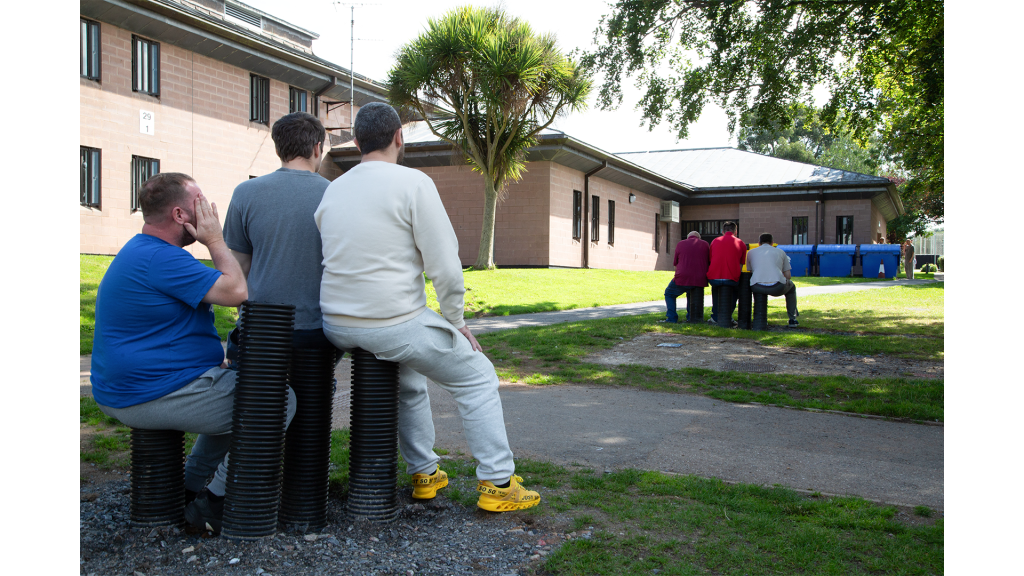
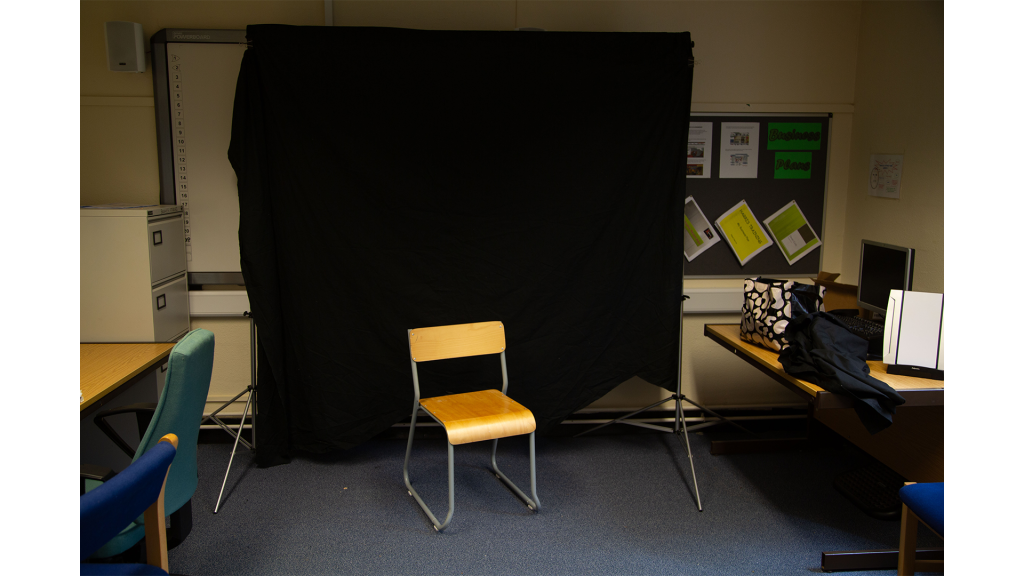
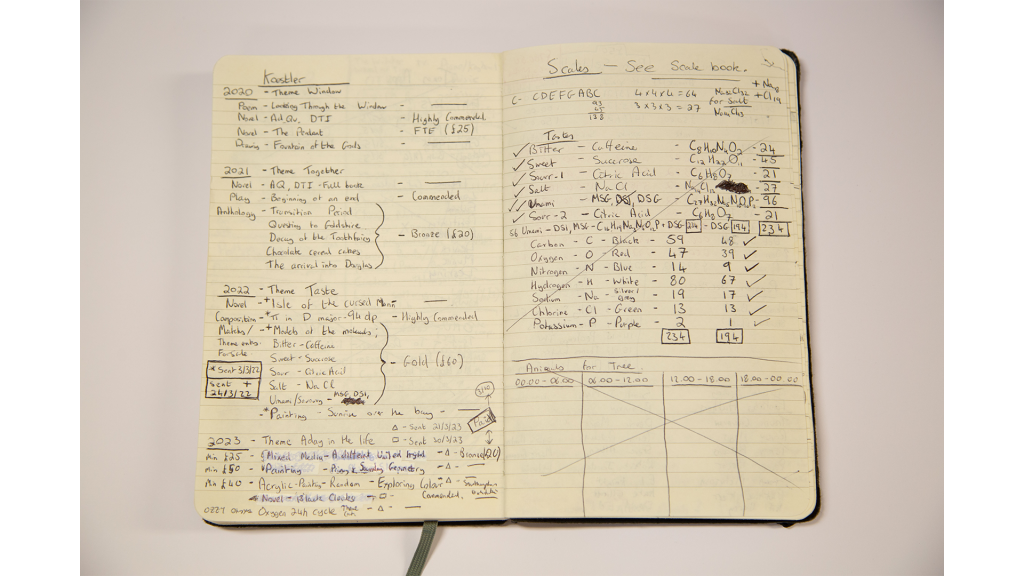
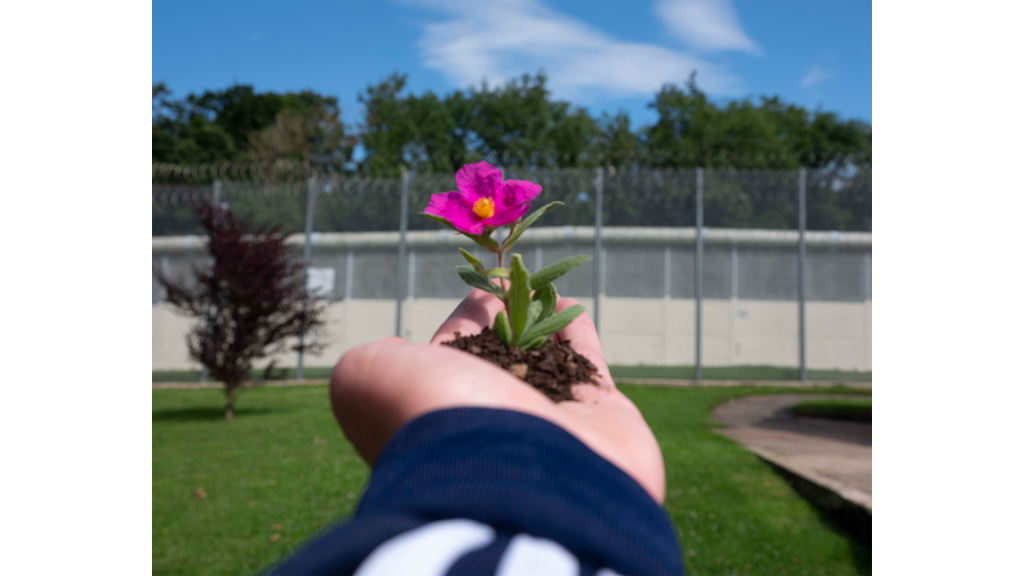
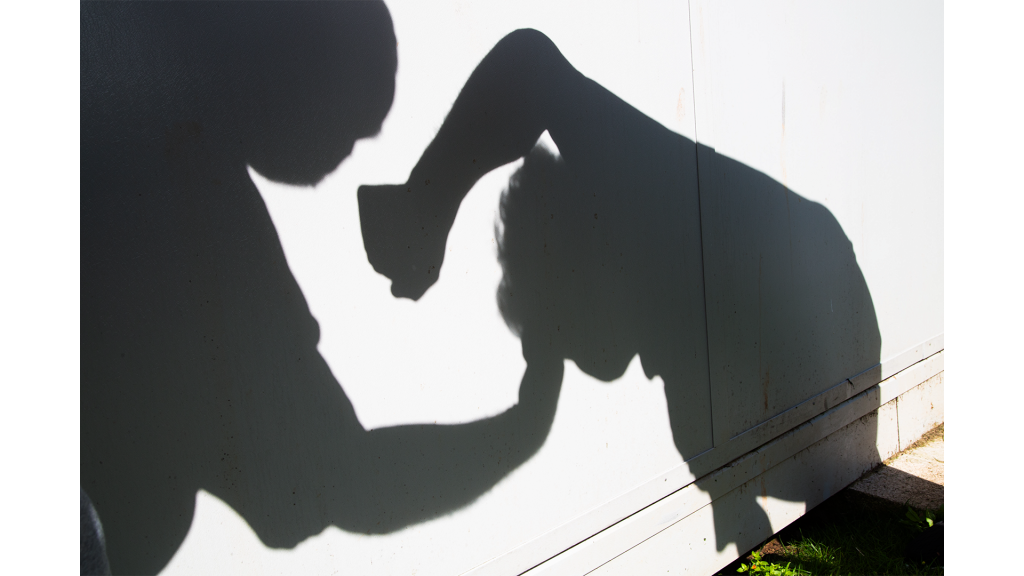
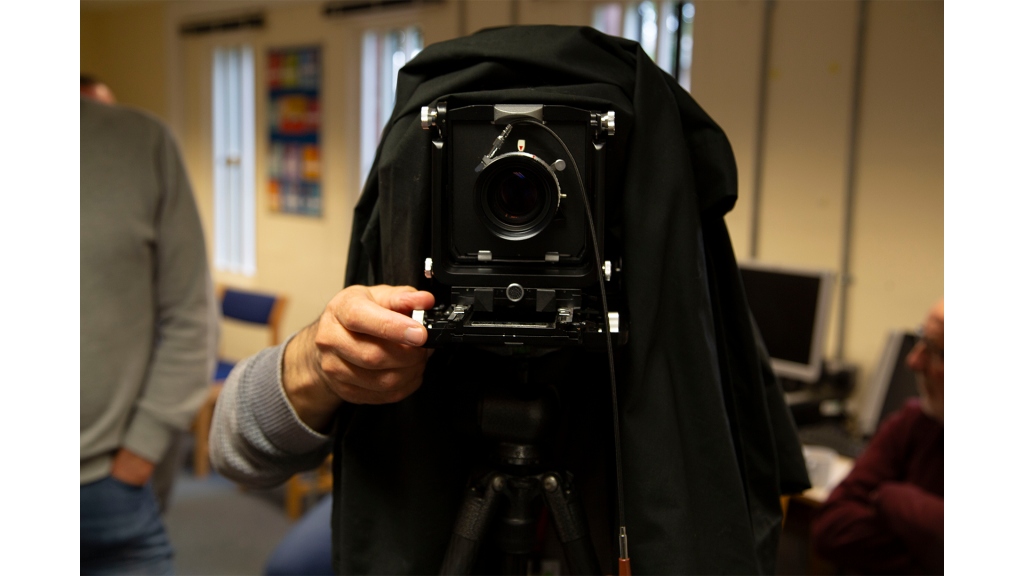
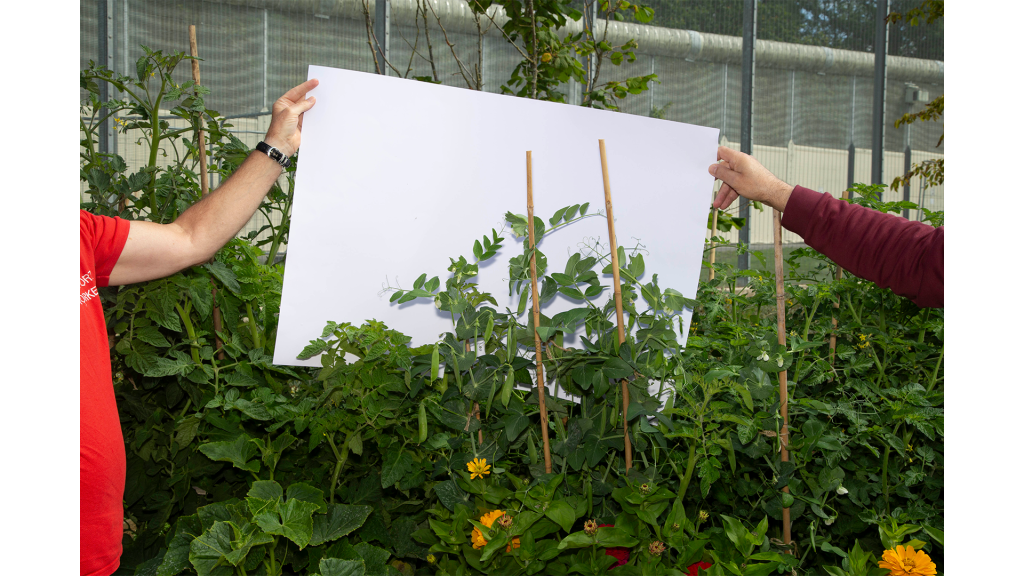
The Prison Mobile Library is a participatory project produced by IC Visual Lab that brings together writing and photography created by people in prison, reflecting on life before, during and after incarceration. Through creative workshops, participants explore their experiences, memories and hopes for the future, creating original work to be shared with others across the prison system.
Within prison, there are limited opportunities to collectively reflect on personal experiences and the journeys that have led to incarceration. The project creates a space for shared reflection and learning, using photography and writing to open conversations, build trust and break down barriers.
The workshops encourage participants to consider the events, relationships and patterns that have shaped their lives, while developing greater self-awareness and understanding of their own journeys. Through making and sharing, they can revisit their personal stories and consider how they might be understood differently.
The resulting works form a unique library authored by people with first-hand experience of imprisonment—an archive of personal voices and lived experience. Rather than defining people solely through incarceration, the project creates space for more complex narratives to emerge, exploring how creative practice can support reflection, connection and transformation.
The exhibition presents a selection of publications from the library alongside material documenting the creative process undertaken during the workshops.
This project has been supported by Weston College, John James Bristol Foundation, and the Van Neste Foundation.
Biography
IC Visual Lab (ICVL) is a Bristol-based independent arts organisation working across photography, film, visual archives, and education. Founded to create new ways of producing, sharing and understanding visual culture, ICVL brings together artists, communities, researchers and cultural organisations through exhibitions, commissions, participatory projects and alternative forms of learning.
Its work focuses on making visual culture more accessible, collaborative and socially engaged, with a particular interest in underrepresented stories, archives and communities. Through long-term partnerships and experimental approaches to cultural production, ICVL aims to democratise who gets to make, shape and preserve culture.
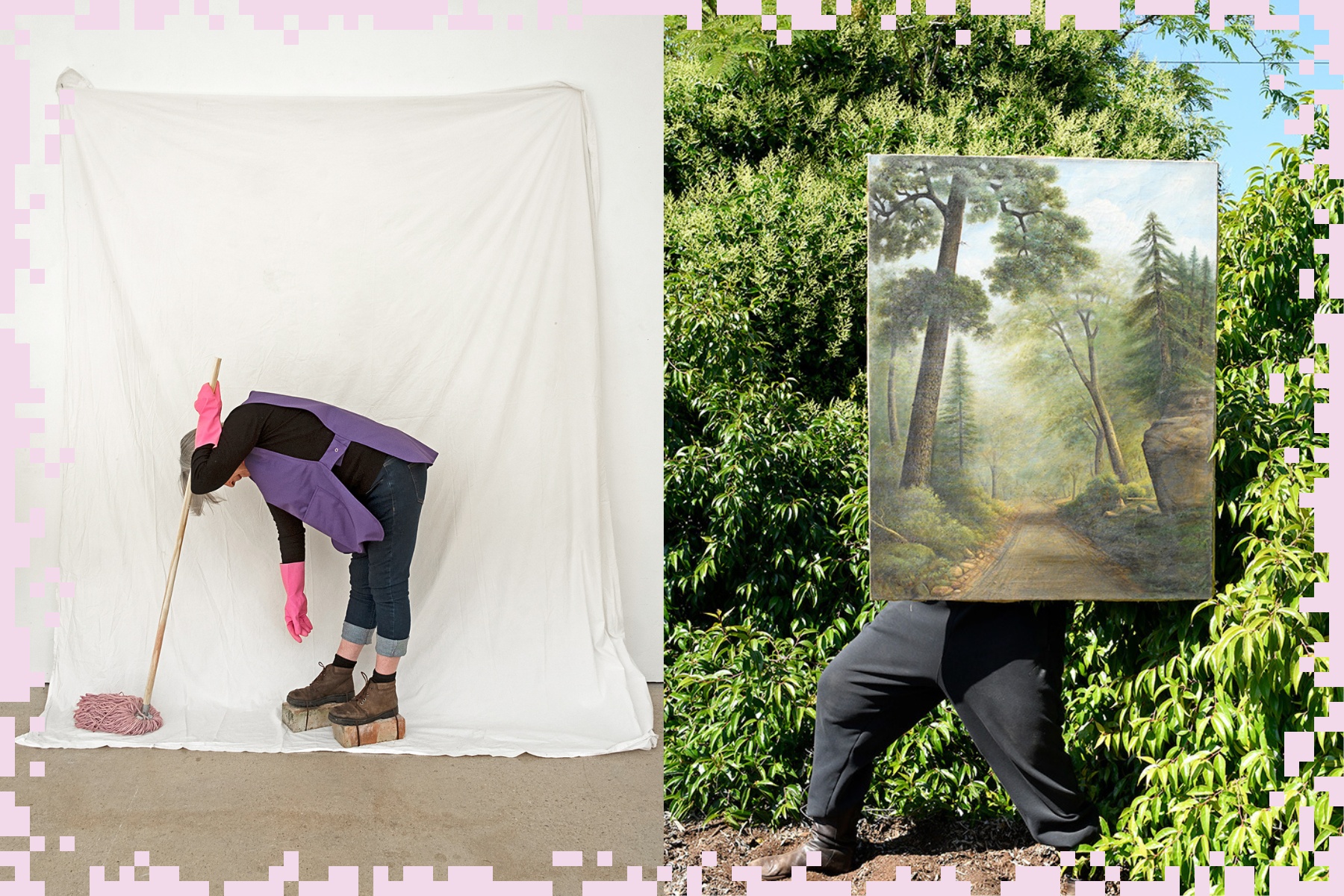
The exhibition at KIT FORM brings together the work of two local artists, Yuko Edwards and Kelly O’Brien. Both artists explore what is valued, inherited and made visible within family histories:
Kelly O’Brien —No Rest for the Wicked
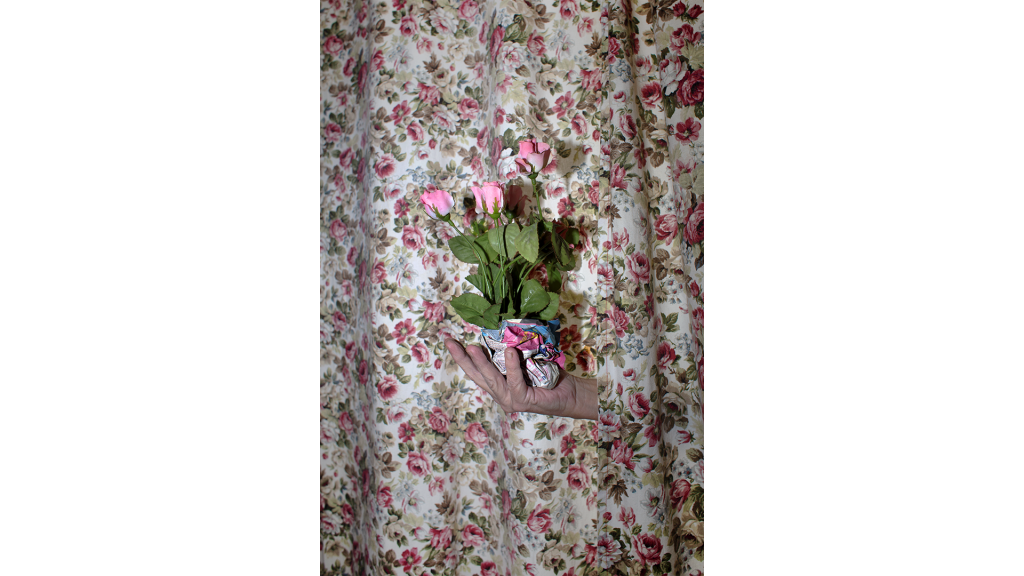
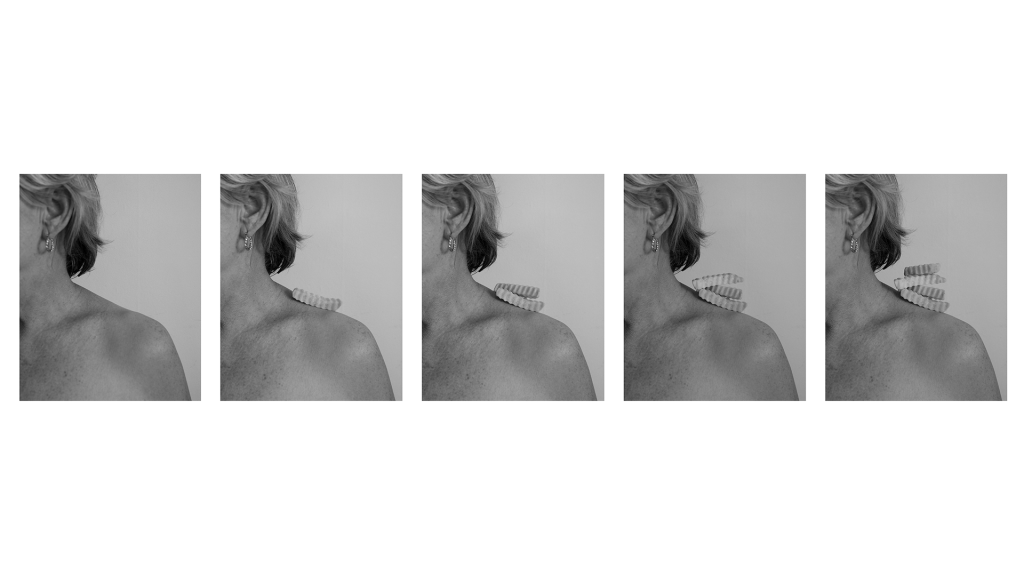
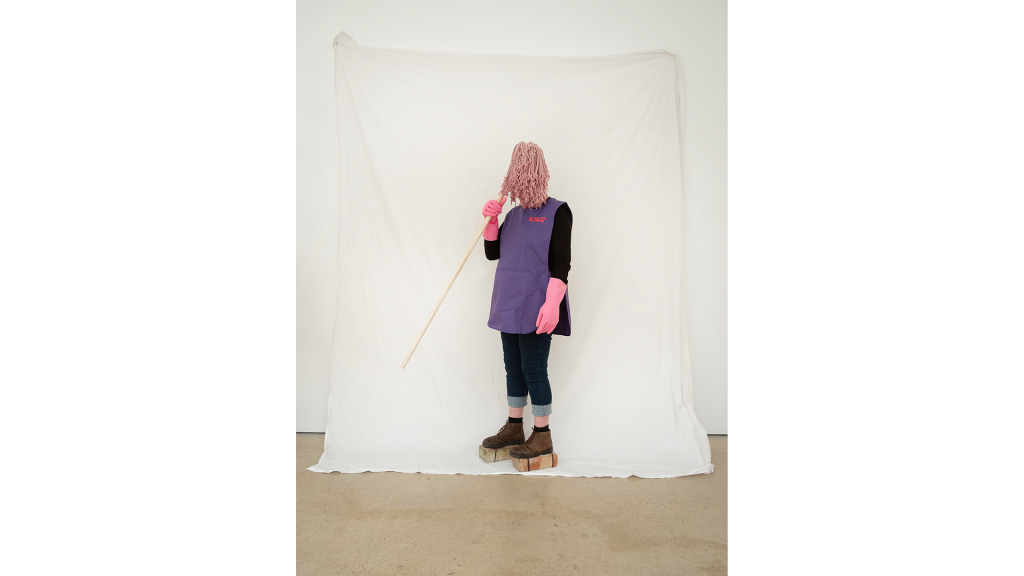
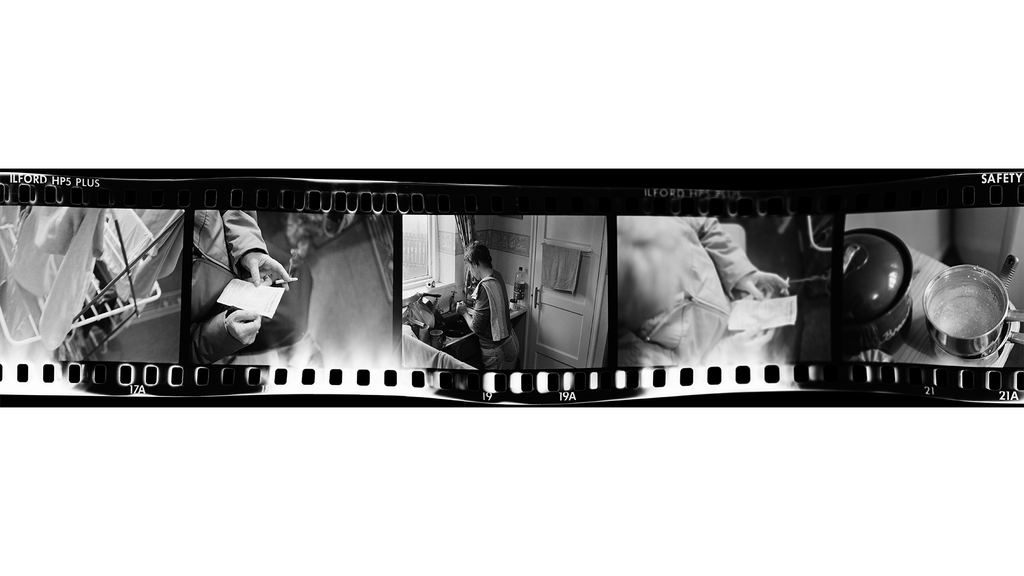
Kelly O’Brien explores domestic work by intertwining her family’s stories with issues of class, gender, and occupation, advocating for the visibility of working women and their struggles. In her works, the narrative shifts between the tensions of domestic burdens—a shadowed space where gender disparities persist—and the paradox of the home as a sanctuary. No Rest for the Wicked celebrates the home to reveal the invisible labour that underlies it. The project highlights the experiences of women whose work, both inside and outside the home, often goes unrecognised.
Yuko Edwards —What You See in my Face
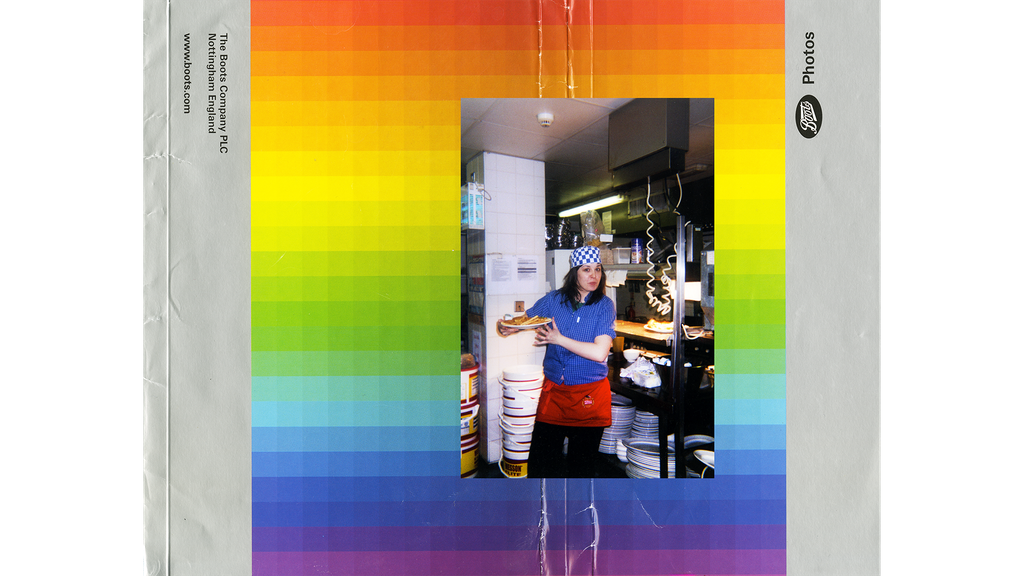
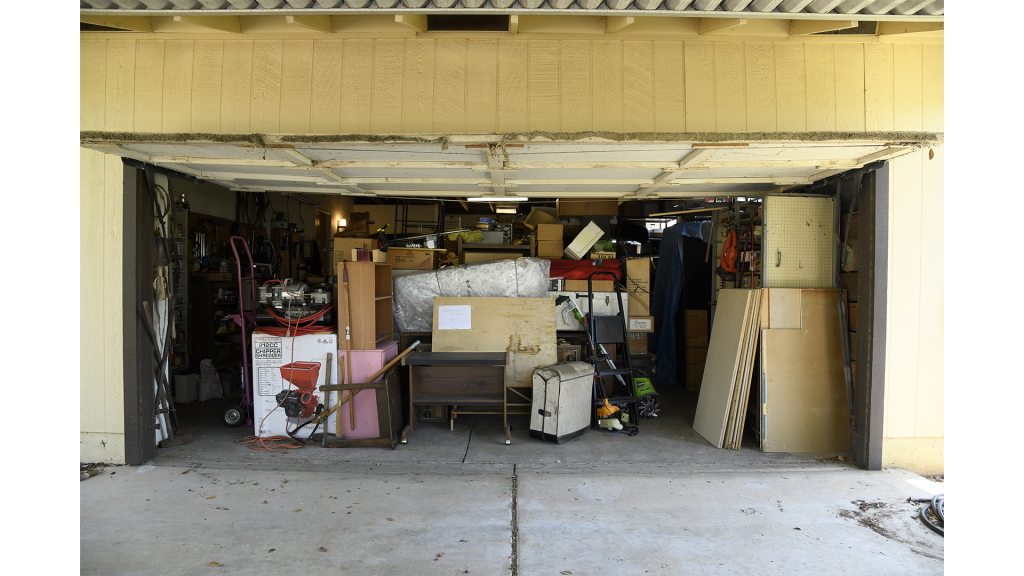
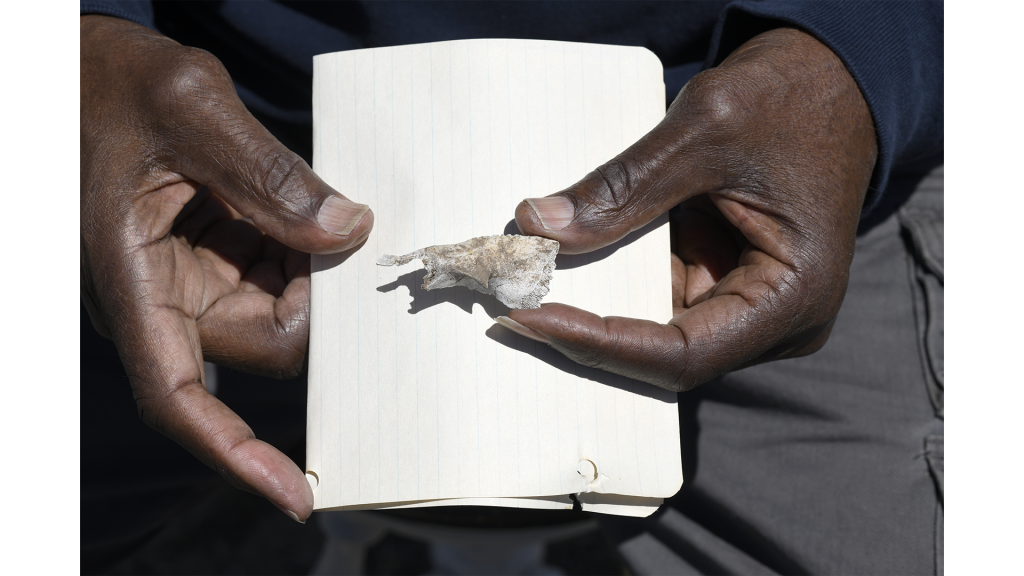
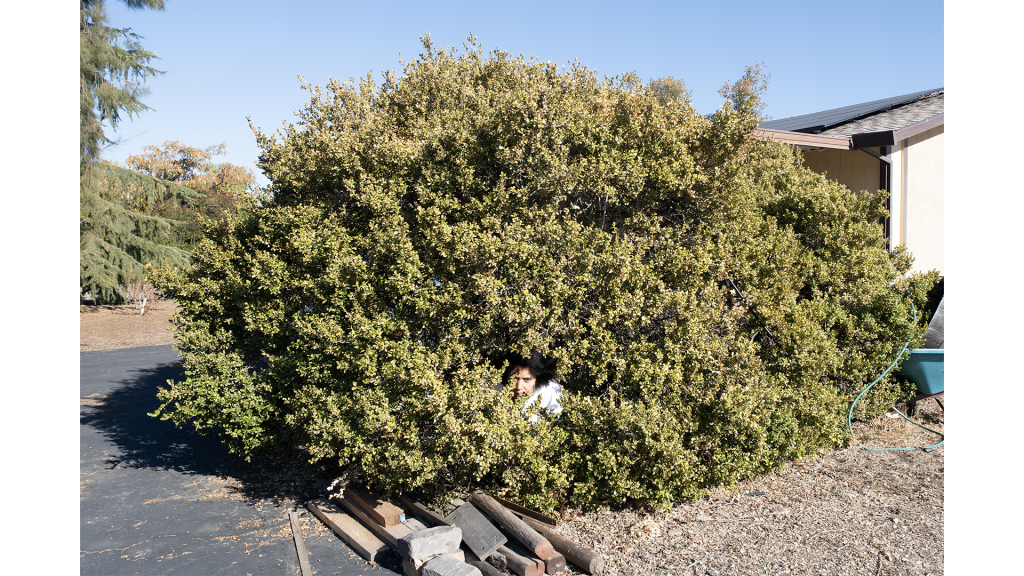
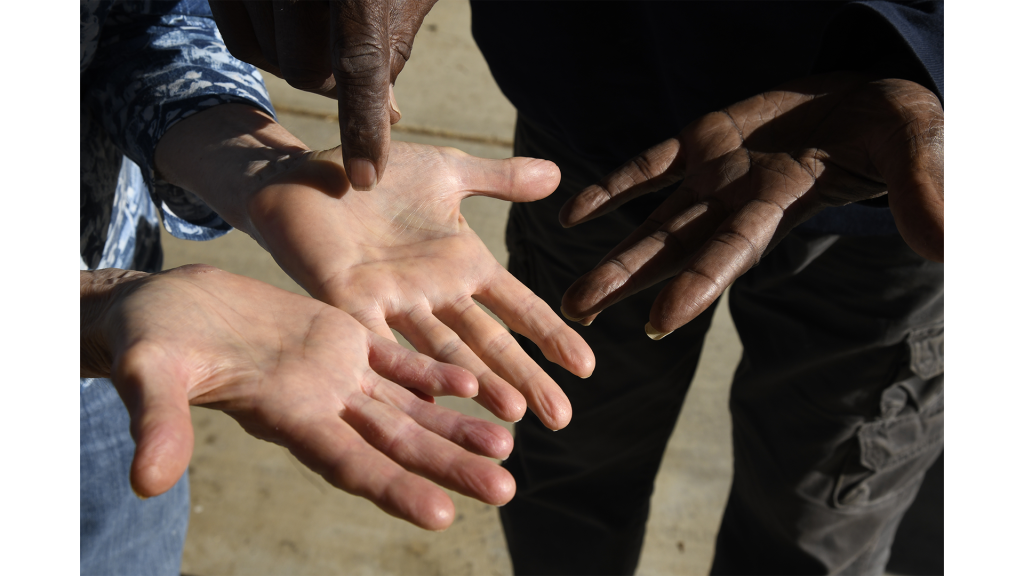
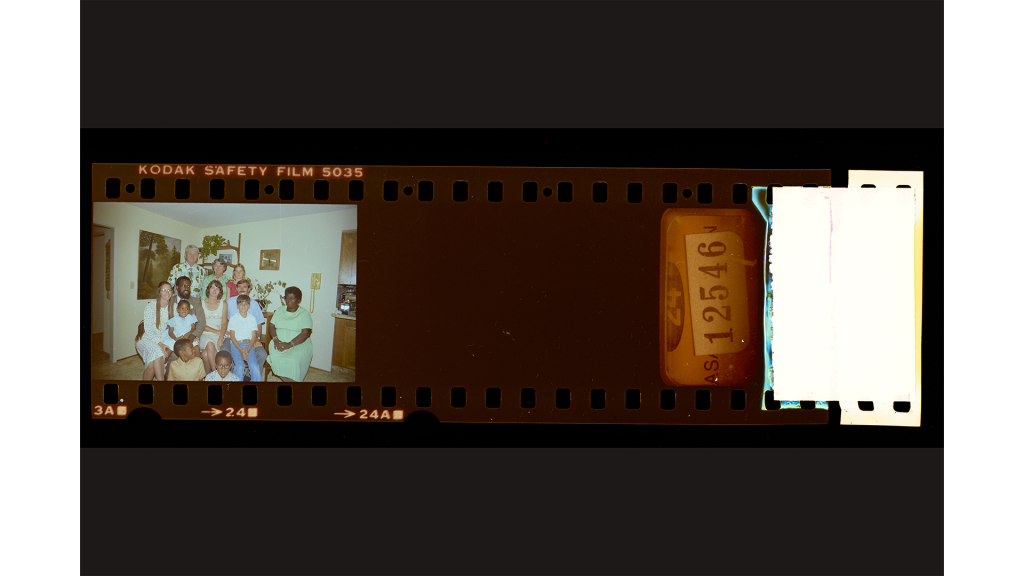
What You See in my Face begins with Yuko Edwards’ discovery of historical family negatives, prints, postcards and letters in her stepmother’s family home, recently inherited by her interracial parents. Within her work, the house becomes a living archive, containing traces of those who have belonged to the family and those yet to come. Edwards uses these materials to question how inheritance shapes identity within blended and mixed-race families, and how family histories exceed the fixed narratives suggested by biology or DNA.
Through reprinting, layering, reframing and annotating archival images, alongside family conversations and the insertion of her own image, voice and material traces, Edwards explores the archive as both evidence and omission. Her work asks where Black presence sits within an inherited visual history, and what happens when previously fragmented narratives are re-read and re-contextualised. Photography becomes not simply a record of the past, but an active space for negotiating memory, belonging, absence and connection.
Biographies
Kelly O’Brien is an artist, researcher, and lecturer based in England. Her Irish immigrant, working class background shapes a multidisciplinary practice spanning image‑making, sculpture, and installation. She explores the politics of in/visibility, using absence to rethink how people, places, and histories are shown and understood. Her work centres on restorative representation, collaboration, and working class feminist perspectives. She focuses on what is often overlooked, treating invisibility not as a lack but as a space for imagination and collective possibility.
Recent exhibitions – The Wellcome Collection (ENG), Two Temple Place (ENG), Fondazione MAST (IT), Sunny Bank Mills (ENG), The ALBERTINA Museum (AUT), and The Women’s Art Collection (ENG) and The Glynn Vivian (WLS). Recent Collection Acquisitions – The Arts Council Collection (UK) and The Vurbund Collection (AUT).
Yuko Edwards is a multidisciplinary artist who lives and works in Bristol, England. Whether the work manifests itself as video, photography or mixed media, her art is always an ongoing conversation about place, space, identity, self-identity and how we each live within these frameworks.
Archival material, including found family photographs, are often used as starting points for storytelling and to question existing social structures. Her photographic approach combines documentary with an imaginative and often personal dimension. History is used as a reference point in Edwards’ work to help us understand where we’ve been and where we are going. Since 2018, her work has been shown in festivals and exhibitions in the UK including Somerset House, M-Shed and the RWA.
Both practices reveal inheritance as something more complex than property or bloodline: it is also a selective and uneven transmission of memory, work, resilience and unequal social value.Together, the projects ask who and what is remembered, what is hidden? What does memory do and when does it count? And, how photography can challenge the structures that determine whose lives, histories and labour are considered valuable.
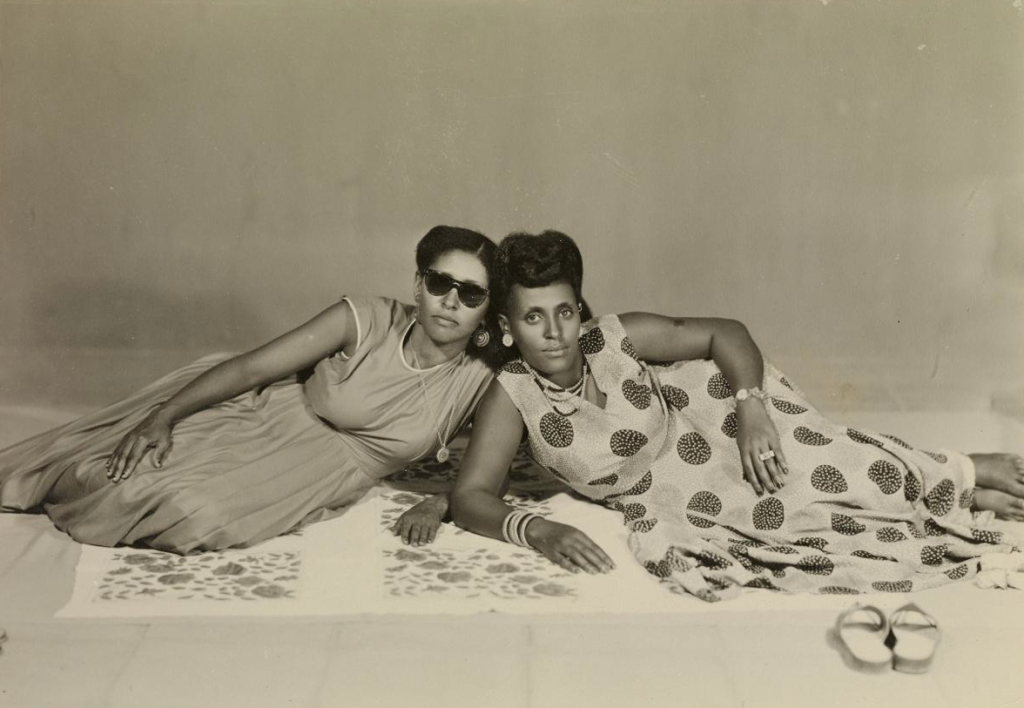
Sans titre [portrait de deux hommes, dont Rashid Mahdi à gauche de l’image] Rashid Mahdi, 1923 – 2008. c1955. Musée du quai Branly-Jacques Chirac, Paris
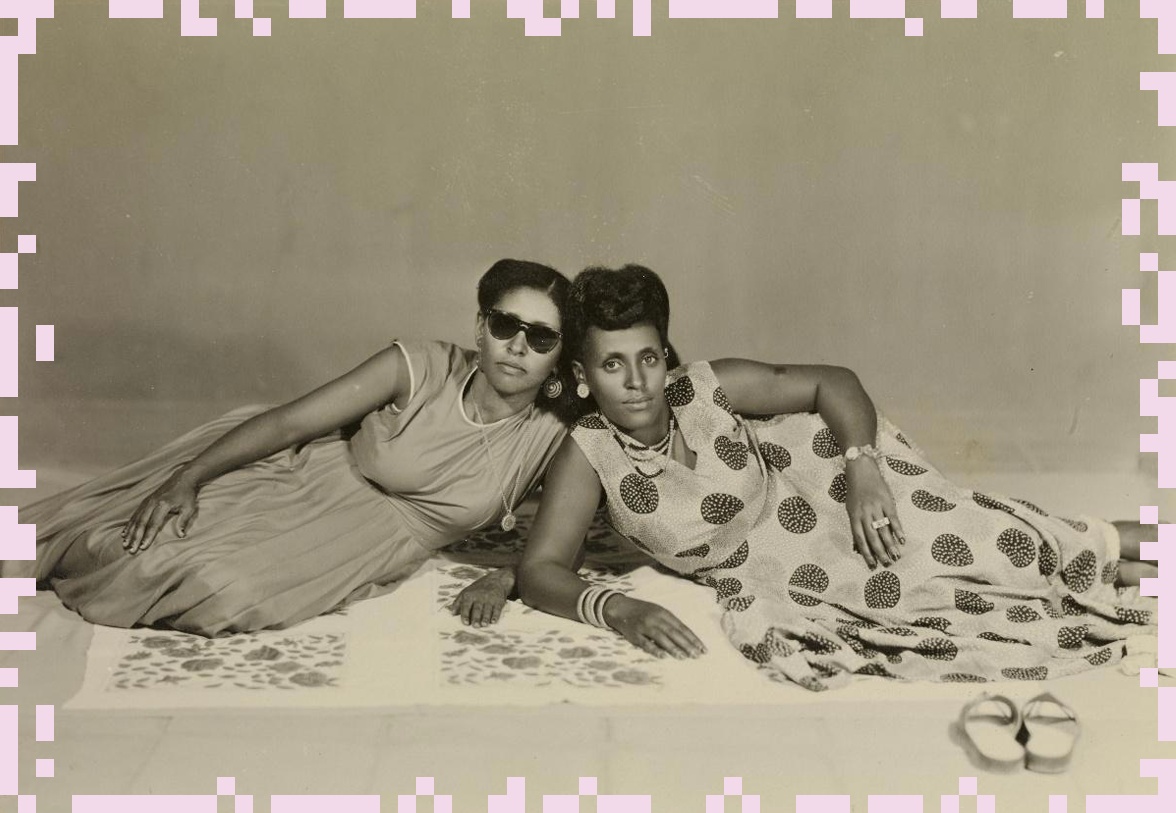
The birth of photography has long been a contested narrative between the United Kingdom and France, often centred around figures such as Nicéphore Niépce and William Henry Fox Talbot. One of Many opens that conversation outwards, acknowledging that the history of photography is not singular but multiple. Histories are shaped as much by what they exclude as by what they include this project seeks to foreground those omissions and propose alternative viewpoints.
Through a cross-cultural dialogue between France and the United Kingdom, we bring together perspectives from leading curators, scholars, and institutions to explore how photographic histories are constructed and how they might be reimagined.
Invited selectors: Mark Sealy (Autograph), Taous Dahmani (The Photographers’ Gallery), Christine Eyene (Independent Curator), Sergio Valenzuela Escobedo (ENSP Arles) and Annabel Lacour (Musée du quai Branly – Jacques Chirac).
Biographies
Annabelle Lacour (Musée du quai Branly – Jacques Chirac, Paris)
Annabelle Lacour has been Curator of the Photographic collection at the musée du quai Branly – Jacques Chirac since 2018. She curated the exhibition Hoda Afshar: Performing the Invisible (2025) and co-curated several international exhibitions, including Reinventing One’s Past (musée Théodore Monod – IFAN, 2026), Re-enchanting Our Lives (IFAN, 2025),Inhabiting This World ( IFAN, 2024), and Opening the World Album: Photographs 1842–1911 (musée du quai Branly – Jacques Chirac, 2023). At the musée du quai Branly – Jacques Chirac, she has also curated numerous installations within the permanent galleries. She was co-editor of Mondes photographiques, histoires des débuts, a landmark reference work devoted to the early histories of photography beyond Europe, bringing together contributions from forty-eight international authors. Annabelle Lacour is a member of the selection committee of the Photography Award of the musée du quai Branly – Jacques Chirac, dedicated to contemporary photography. Her research focuses on the uses of photography in colonial and postcolonial contexts, as well as on contemporary artistic practices that examine the medium’s legacies, the history of ways of seeing, and the power relations embedded in photographic mechanisms.
Christine Eyene (Independent Curator)
Christine Eyene is an art historian and curator. She is currently Curator of Institut français du Cameroun’s 2027 Cultural Season. She is the founder of Bikoka Art Project, an independent initiative bringing together art, nature, and community in the rural municipality of Lolodorf (Cameroon). She also developed the George Hallett Research Collection aiming to research, preserve, and disseminate the work of South African photographer George Hallett (1942-2020).
Mark Sealy (Autograph, London)
Professor Mark Sealy is Executive Director of Autograph, a position he has held since 1991, and Professor of Photography, Rights and Representation at University of the Arts London, London College of Communication. He is currently serving as the Artistic Director of the Triennial of Photography Hamburg 2026. His research and curatorial practice critically examine the relationships between photography and art, social change, identity politics, race, and human rights. He holds a PhD from Durham University and has written extensively for leading international photography journals and photographic publications. He has curated major exhibitions and photograph festivals, produced numerous artist publications, and commissioned photographers and filmmakers and worldwide. He jointly initiated and co-led the development of Rivington Place which is now home to Autograph, an £8 million capital arts building in London, which opened in 2007. His contributions to photography and the visual arts have been widely recognised. He was awarded the Hood Medal by the Royal Photographic Society in 2007, appointed Member of the Order of the British Empire (MBE) in 2013 for services to photography, and further appointed Officer of the Order of the British Empire (OBE) in 2022 for services to art.
Sergio ValenzuelaEscobedo (École Nationale Supérieure de la Photographie (ENSP), Arles)
Artist, researcher and publisher Sergio Valenzuela Escobedo holds a PhD in photography from the École nationale supérieure de la photographie in Arles. After a year at the National School of Art in Johannesburg (NSA), he earned a photography degree in Chile and completed his MFA at the Villa Arson in Nice. He has curated the exhibitions Mapuche at the Musée de l’Homme in Paris and Monsanto: A Photographic Investigation at the Rencontres d’Arles. He has been invited to teach at various schools and institutions, including Parsons Paris, ISSP and Atelier Noua. He also collaborated in ‘1000words’ and co-founded ‘doubledummy’, a platform of critical reflection about documentary photography.
Taous Dahmani (The Photographers’ Gallery, London)
Dr Taous Dahmani is a London-based French, British, and Algerian art historian specialising in photography. She has curated both group and solo exhibitions internationally, including the 2022 Louis Roederer Discovery Award at Les Rencontres d’Arles (France) and the 2024 Jaou Photo Biennale in Tunis (Tunisia). Her solo curatorial projects include SMITH at NOUA (Bodø, Norway), Anastasia Samoylova at the Saatchi Gallery (London, UK), and Adam Rouhana at Kyotographie (Kyoto, Japan). Since September 2025, she is Curator at The Photographers’ Gallery (London, UK). Dahmani’s writing has been widely published in photobooks and journals. She edited Shining Lights: Black Women Photographers in 1980s–90s Britain (MACK/Autograph ABP, 2024), and Assemblies (2025, FOMU/FW:Books).