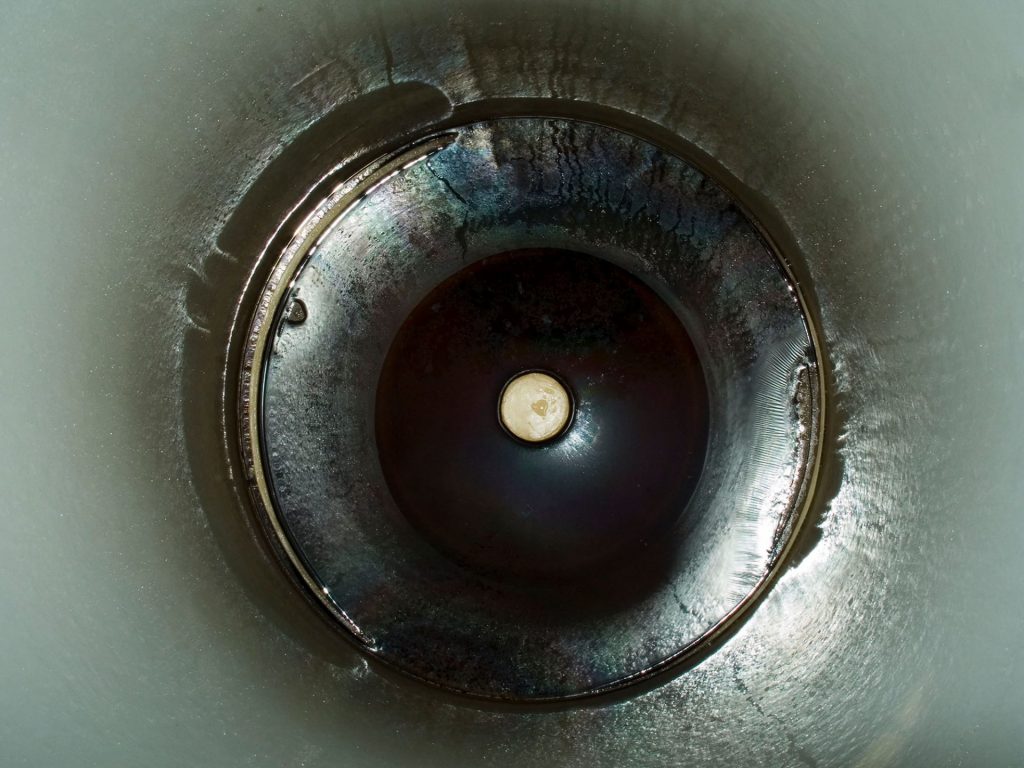
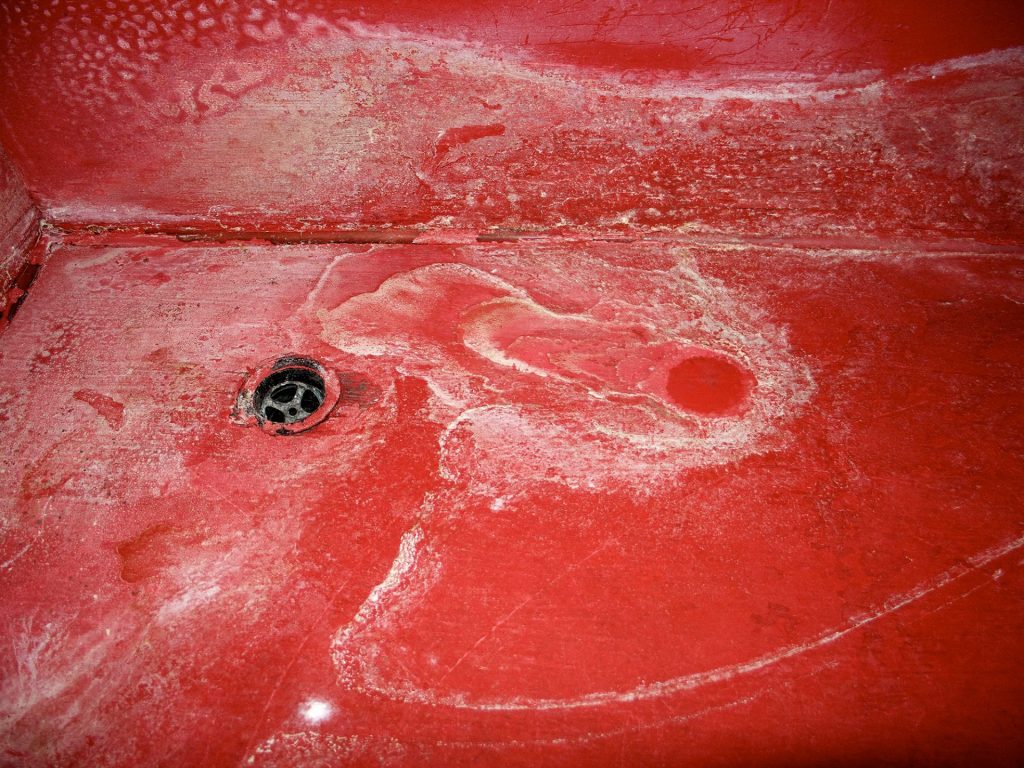
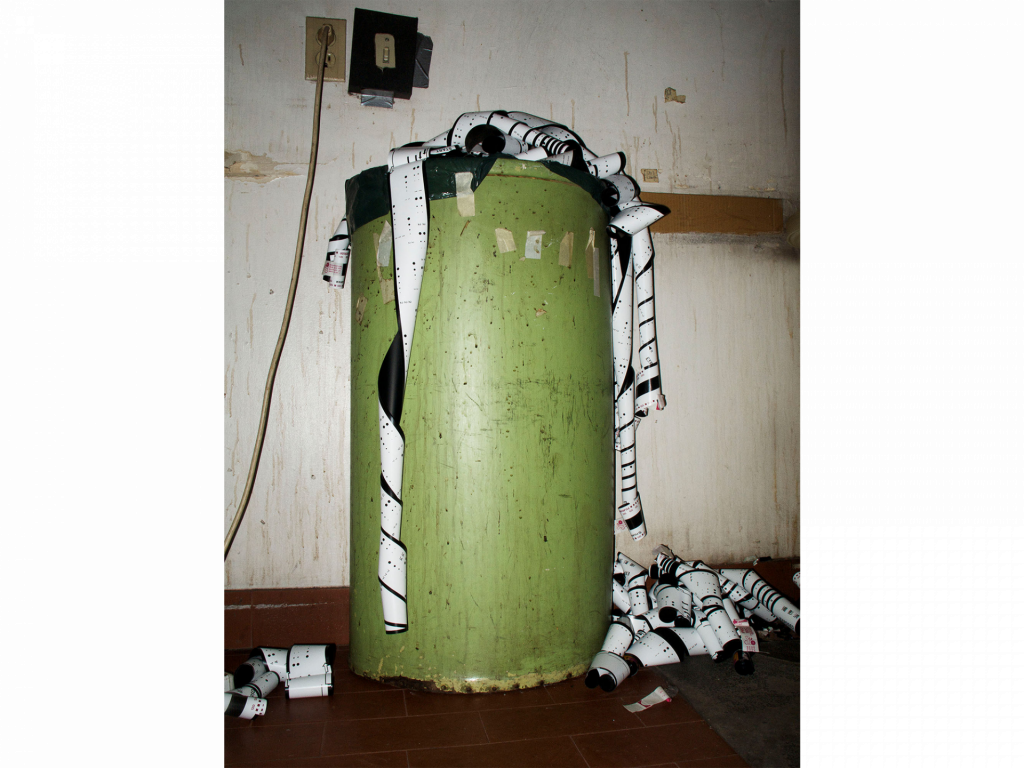
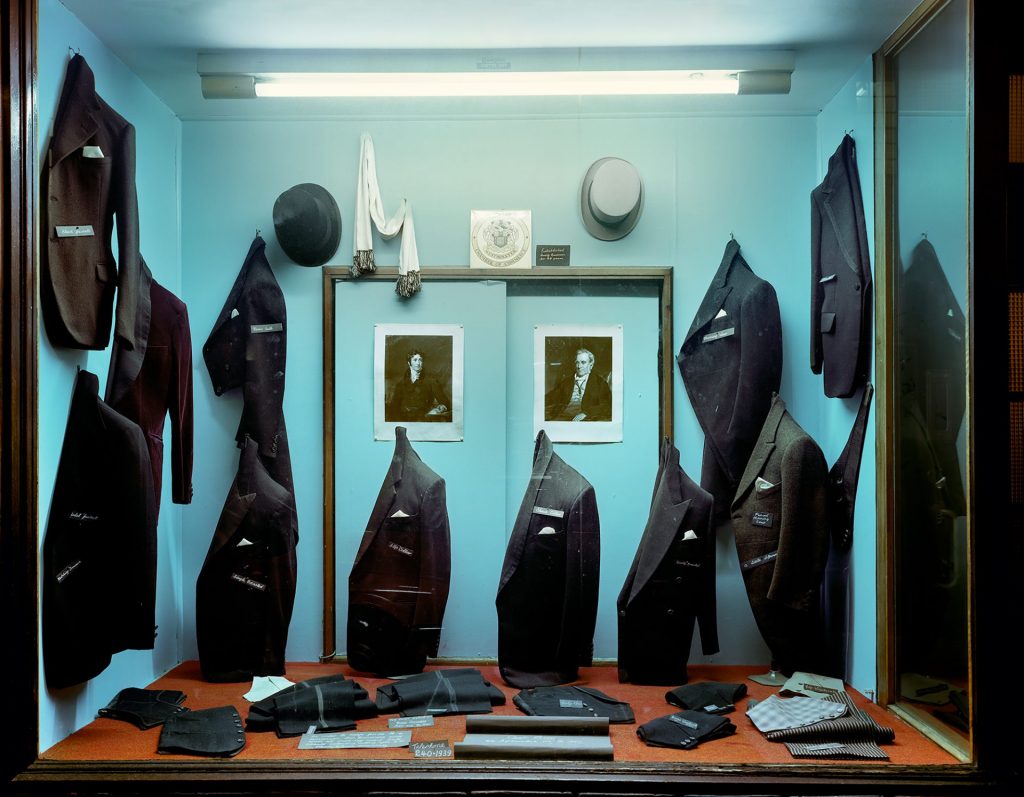
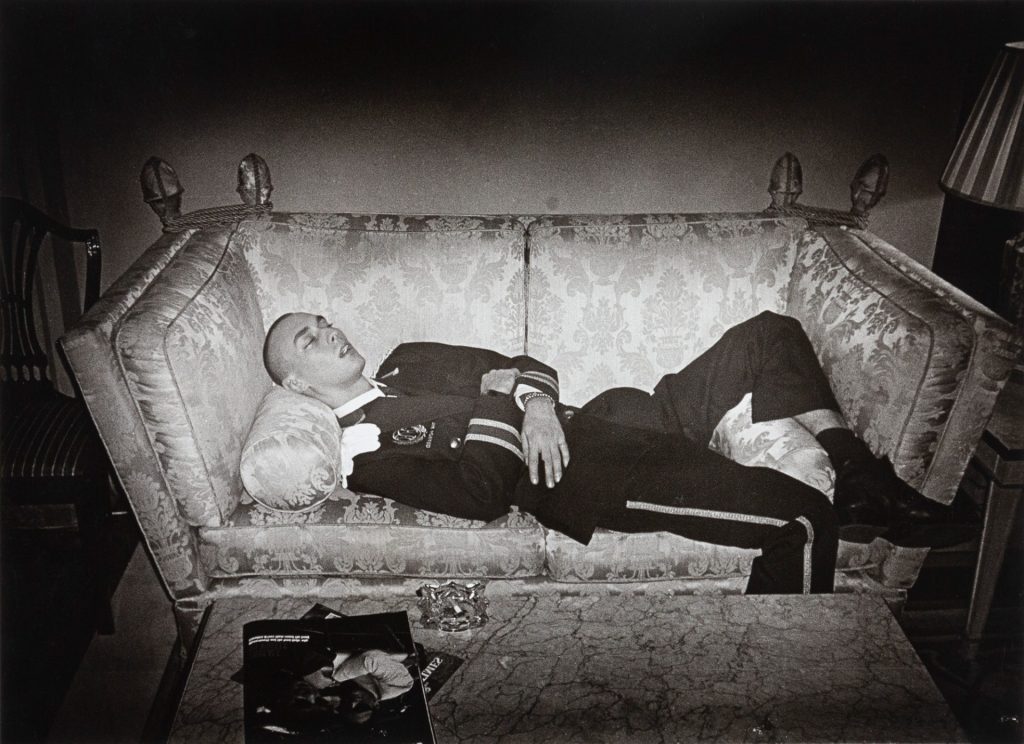
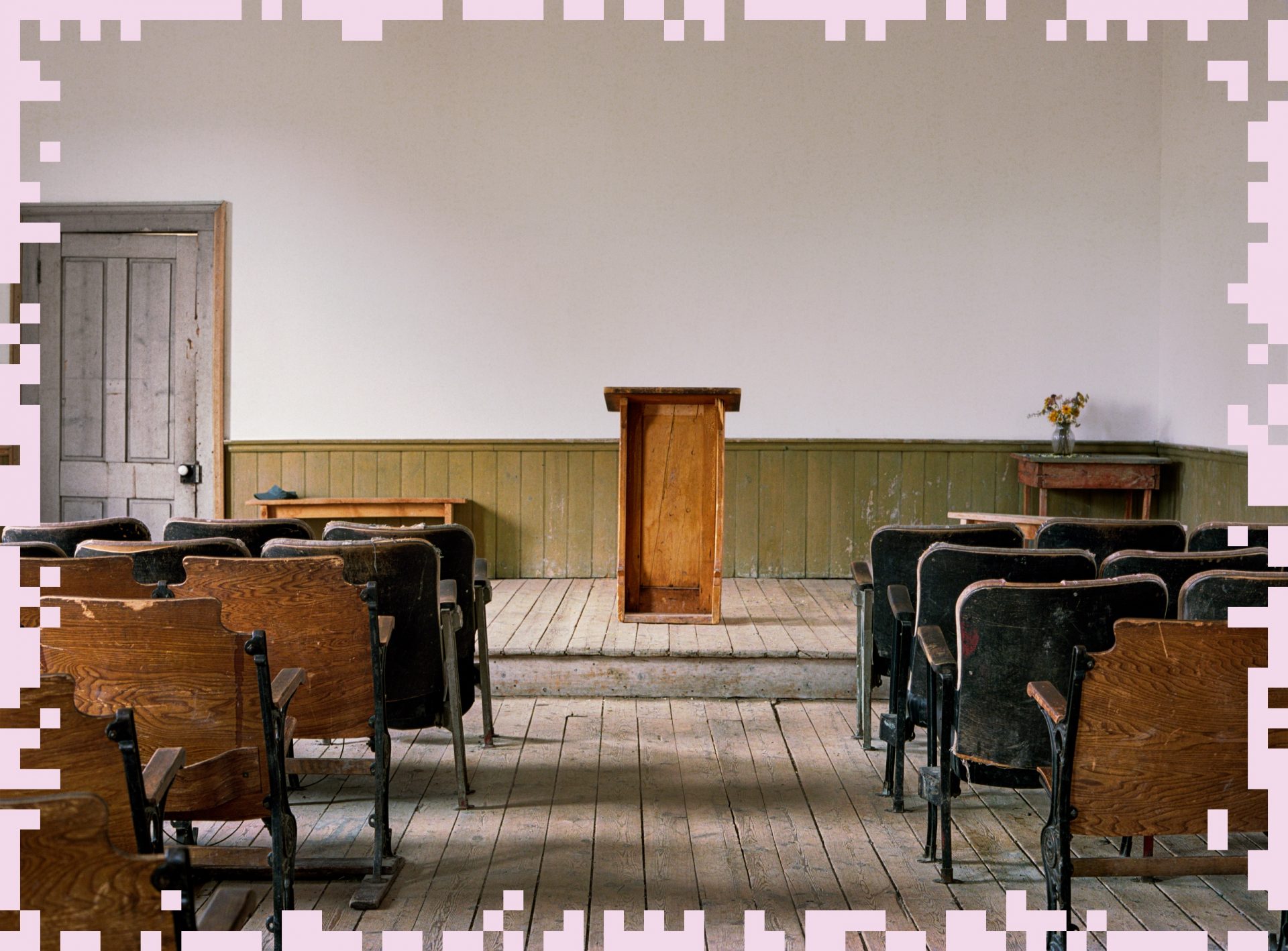
In 2005, the Canadian photographer Michel Campeau set out to document photographic darkrooms – spaces increasingly rendered obsolete by the rise of digital photography. Once essential sites of image-making, these workspaces are reimagined through Campeau’s photographs as places of ritual, labour and memory, prompting reflection on what is lost as they disappear.
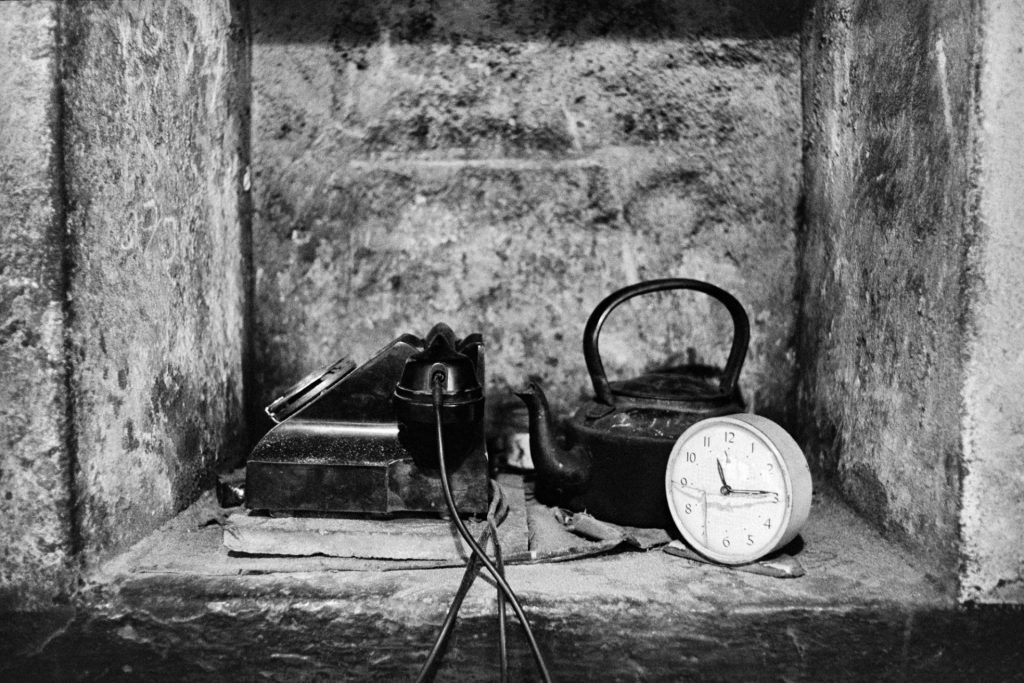
Campeau has photographed more than 75 darkrooms, primarily in his native Canada but also across countries including Cuba and Niger. Each image bears witness to the repetitive, tactile processes of analogue printing. Worn surfaces reveal years of photographers leaning into the same positions to adjust enlargers and equipment; improvised repairs, with duct tape holding together ageing tools that can no longer be easily replaced, speak to the ingenuity of their users. Handwritten notes taped to walls and enlargers hint at the meticulous routines, technical precision and quiet obsession that underpin the printing process.
Photographed with a digital camera and direct flash, the series deliberately resists nostalgia. Rather than advocating a return to analogue photography, Darkroom foregrounds the material culture of photographic practice, revealing the traces of human labour embedded within these spaces. In doing so, Campeau invites viewers to consider how photographs are shaped not only by the images they depict, but also by the technologies, environments and rituals through which they are made.
This exhibition has been produced by Martin Parr Foundation to accompany the MPF exhibition Dark Tales: British Documentary Photography and the Gothic, curated by Isaac Blease.
Biography
Michel Campeau (b. 1948) is a Canadian photographer, writer and collector whose work explores the subjective, narrative and material dimensions of photography. Over the past two decades, his research has focused on the material culture of photographic practice, examining the spaces, tools and histories of analogue image-making. His celebrated Darkroom series (2005–2010) has been exhibited internationally, including at the Rencontres d’Arles and the Musée Nicéphore Niépce, while major solo exhibitions include Icons of Obsolescence at the National Gallery of Canada (2013) and Life Before Digital at the McCord Museum (2018). Campeau received the Jean-Paul Riopelle Career Grant in 2009 and the Duke and Duchess of York Prize in 2010. He lives and works in Montréal.
Dark Tales: British Documentary Photography and the Gothic, curated by Isaac Blease
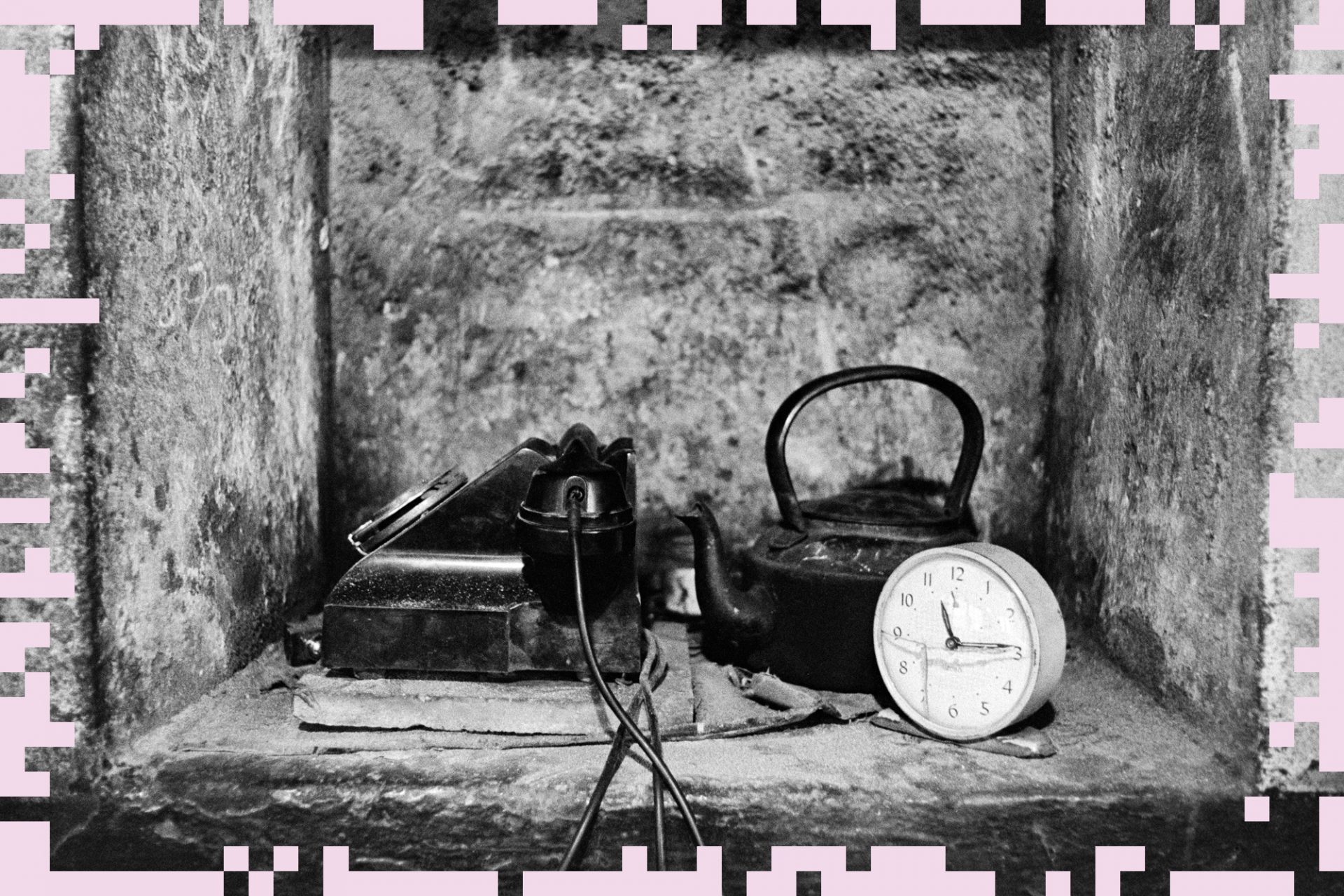
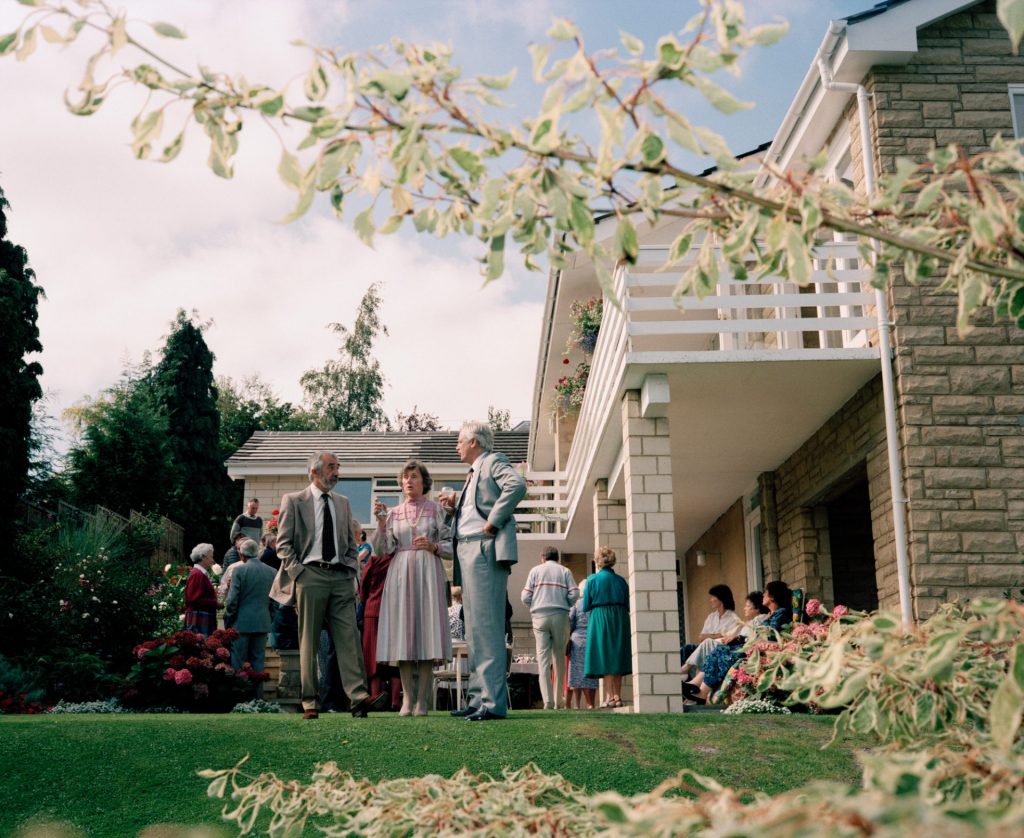
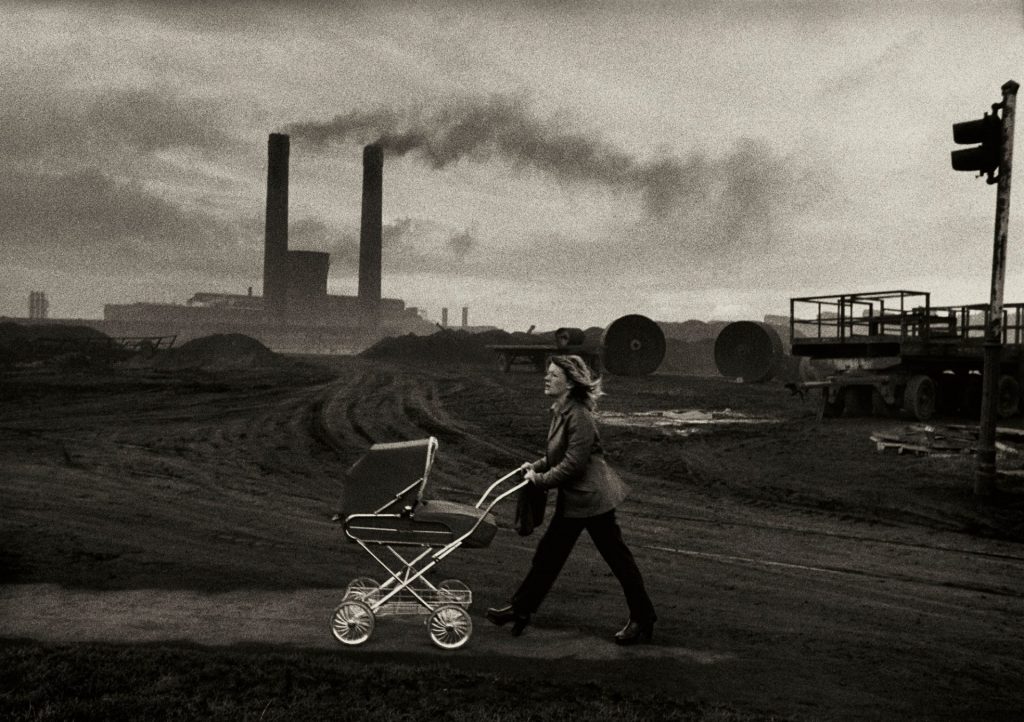
With images spanning a period of more than 80 years, Dark Tales explores the complex relationship between the Gothic and British documentary photography, depicting Britain from the post-war period to the present day. The photographs in the exhibition reveal waning industrial powers, claustrophobic domestic scenes, and menacing nocturnal activities.
The exhibition brings together a selection of renowned images alongside lesser-known photographs, drawn primarily from the Martin Parr Foundation Collection. Together, they reveal people and places that are both resilient and haunted, charged with both fear and desire. Throughout the exhibition, the Gothic principle that horror thrives in close proximity to the familiar resonates, uncovering the uncanny within the everyday.
“Interest in the Gothic resurfaces during times of uncertainty, and documentary photography itself is in a dark moment, with its purpose and role in question, public distrust of ‘photographers’, and the existential threat posed by artificial intelligence. This moment of turmoil presents intriguing conditions to explore the Gothic imagination as a relevant lens through which to re-examine the medium, while also reveling in the ambiguity of images and the multitude of meanings they evoke.” – Isaac Blease, Curator
The exhibition includes work by Kjell-Åke Andersson, Bill Brandt, Anna Fox, Robert Frank, Don McCullin, Lee Miller, John Myers, Akihiko Okamura, Sue Packer, Martin Parr, Charlie Phillips, Sarah Pickering, Alice Poyzer, Jo Spence, Janine Wiedel and Donovan Wylie, among others.
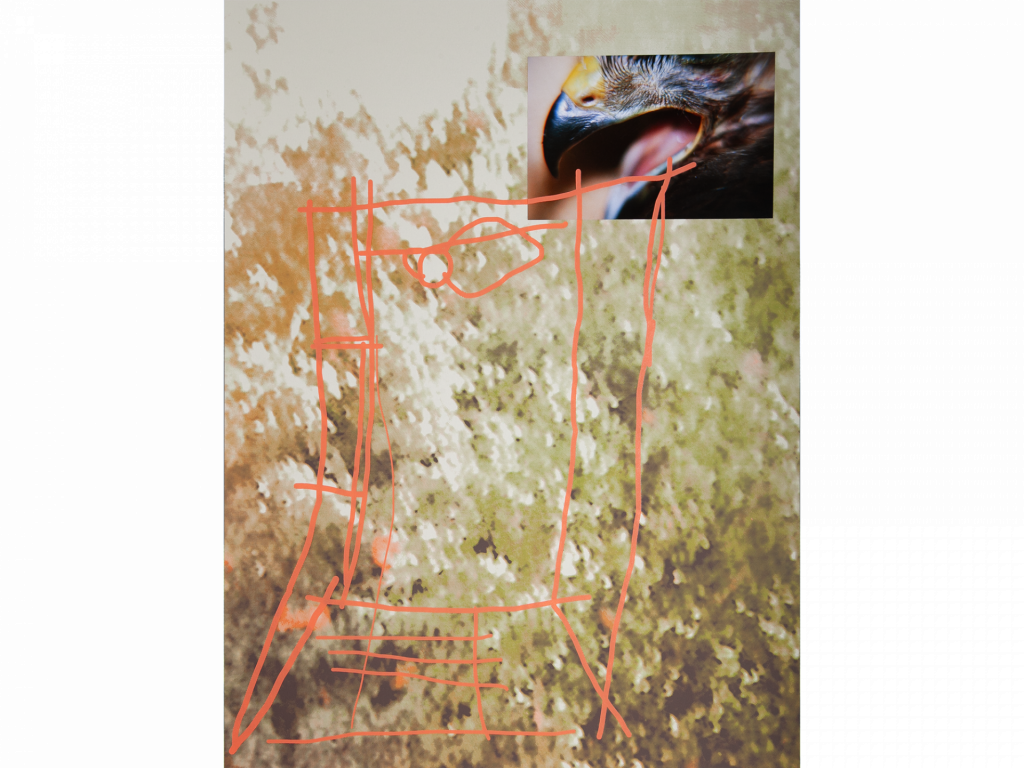
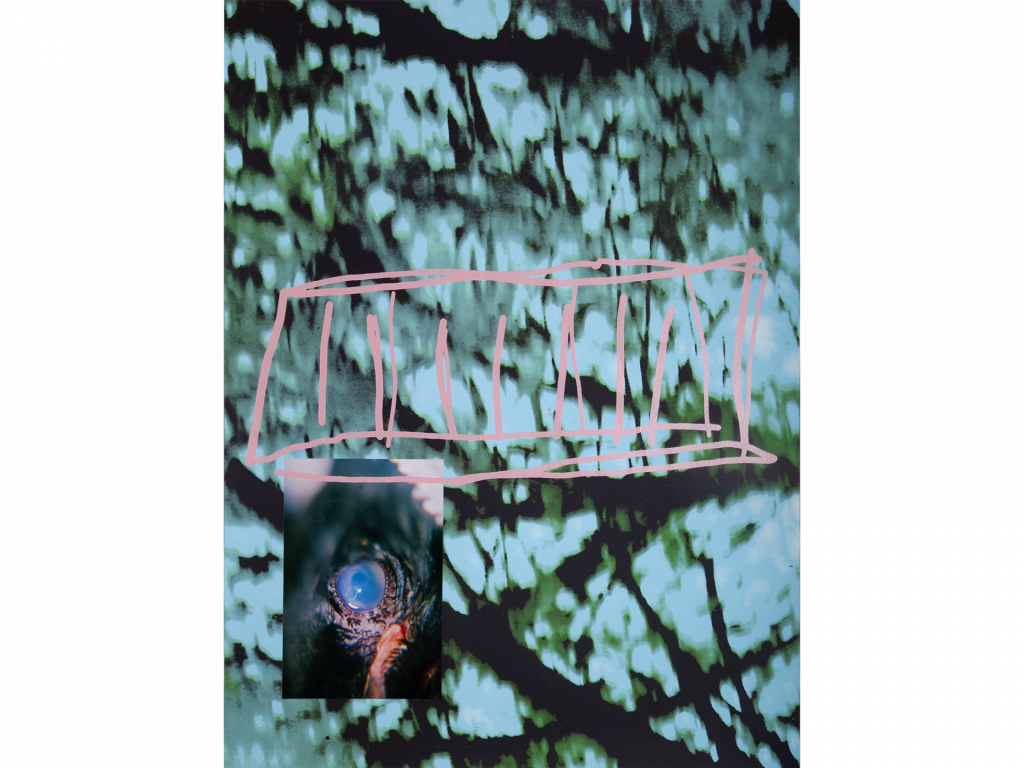
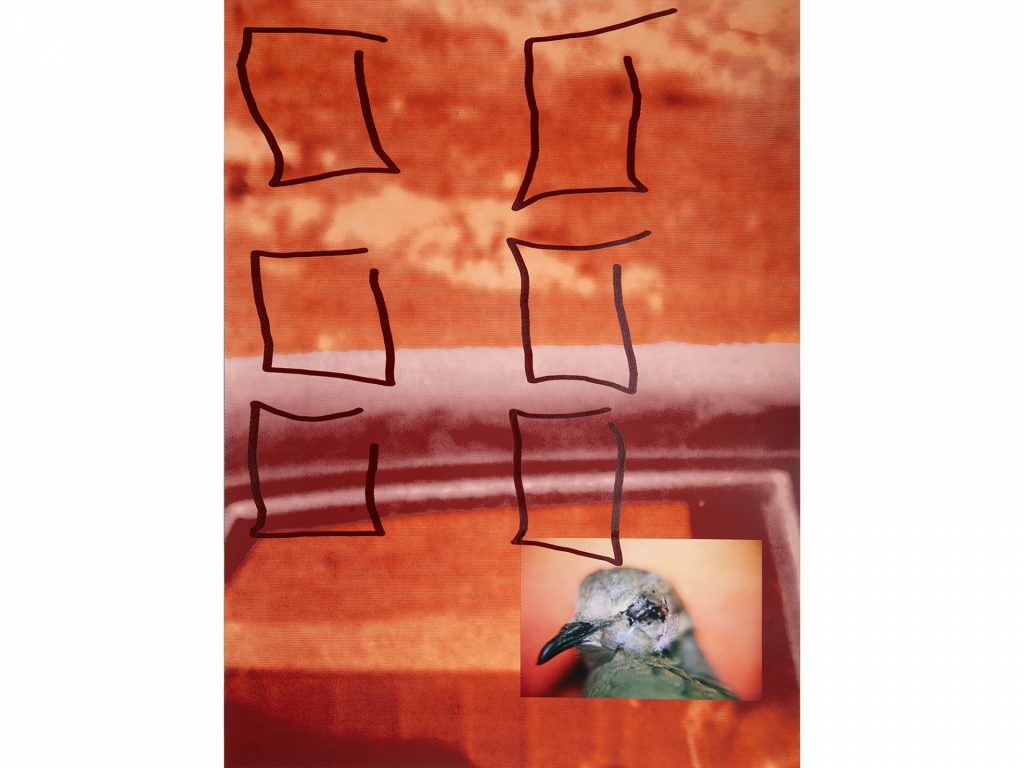
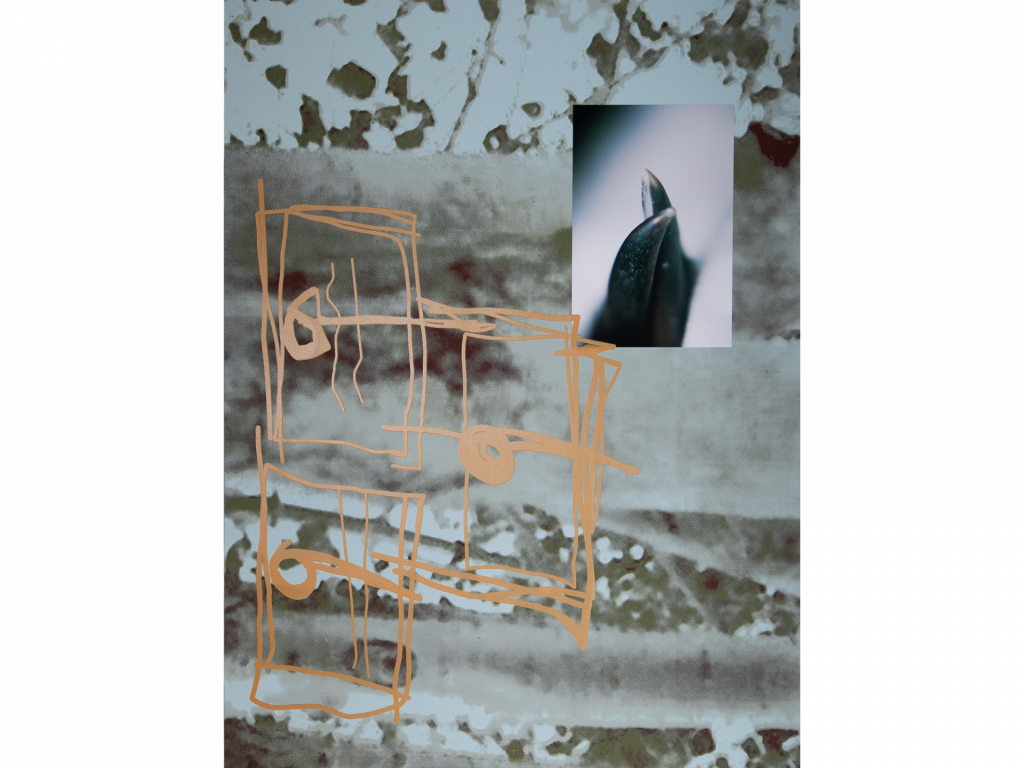
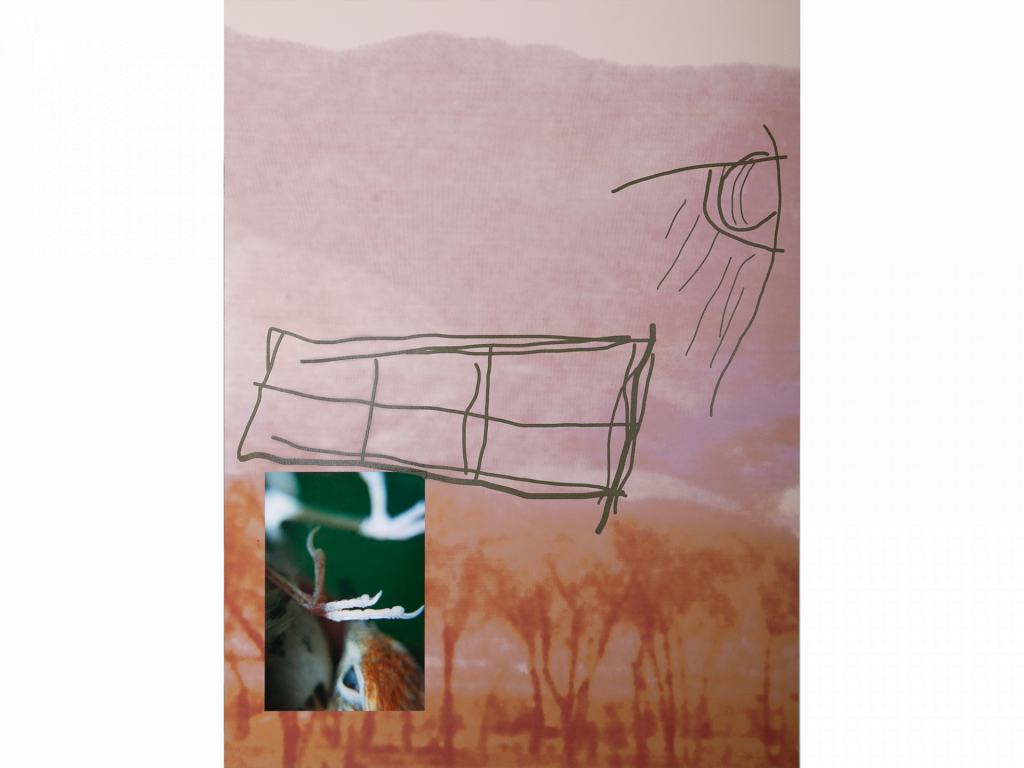
In avian ecology, ‘persistence studies’ is a field of research measuring how long birds can persist within a given landscape; how long their bodies remain present before ultimately disappearing. Used to estimate mortality, population change and the unseen impacts of human infrastructure, these studies rely on the tension between presence and absence, survival and disappearance.
Focusing on European starlings and house sparrows— species native to the United Kingdom but introduced to North America—the exhibition considers the instability of categories such as native and invasive, alongside broader questions of belonging. While both birds are widely regarded as invasive pests in the United States, their populations have undergone significant declines across parts of their native range. Through these shifting ecological narratives, Persistence Studies examines how value is assigned to life, how movement transforms identity and what it means to endure within landscapes irrevocably altered by human intervention.
This new commissioned work is produced in response to the 30,000 bird collection currently held at the Bristol Museums and Art Galleries.
Biography
Sheida Soleimani’s work explores intersections of art and activism, melding sculpture, performance, film and photography to highlight critical perspectives on events across the Middle East, unpicking the complex power dynamics between the region and western nations. Soleimani’s work interrogates the dissemination of information in digital contexts, adapting found images from press and social media leaks to exist within alternative scenarios. Her photographs document constructed sets within her studio, in which repeating images carve out trompe l’oeil perspectives in a visual metaphor for the competing political narratives relayed by her source materials.
Sheida Soleimani (b. 1990) received her MFA from Cranbrook Academy of Art in 2015. Recent solo exhibitions include Flyways, Harlan Levey Projects, Brussels, Belgium (2026); Forest of Stars, Yancey Richardson Gallery, New York, NY, USA (2026); What a Revolutionary Must Know, Cincinnatti Arts Center, Cincinnatti, OH, US (2025). In 2026 Soleimani was awarded a Guggenheim Fellowship. Sheida Soleimani lives and works in Providence, Rhode Island.
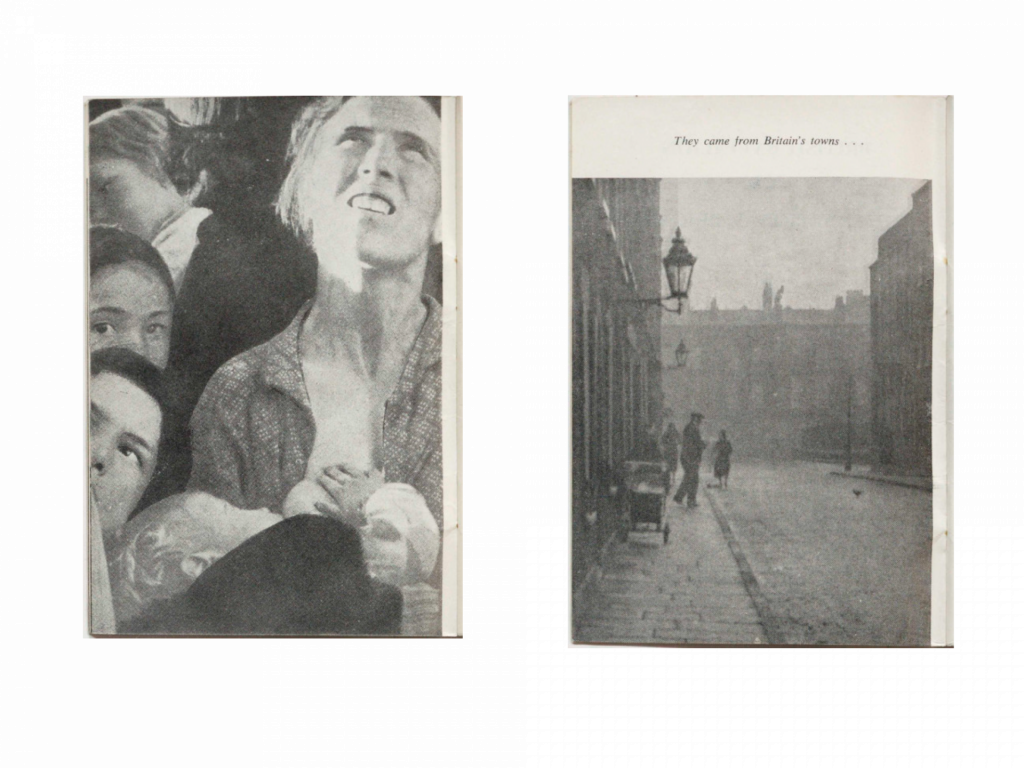
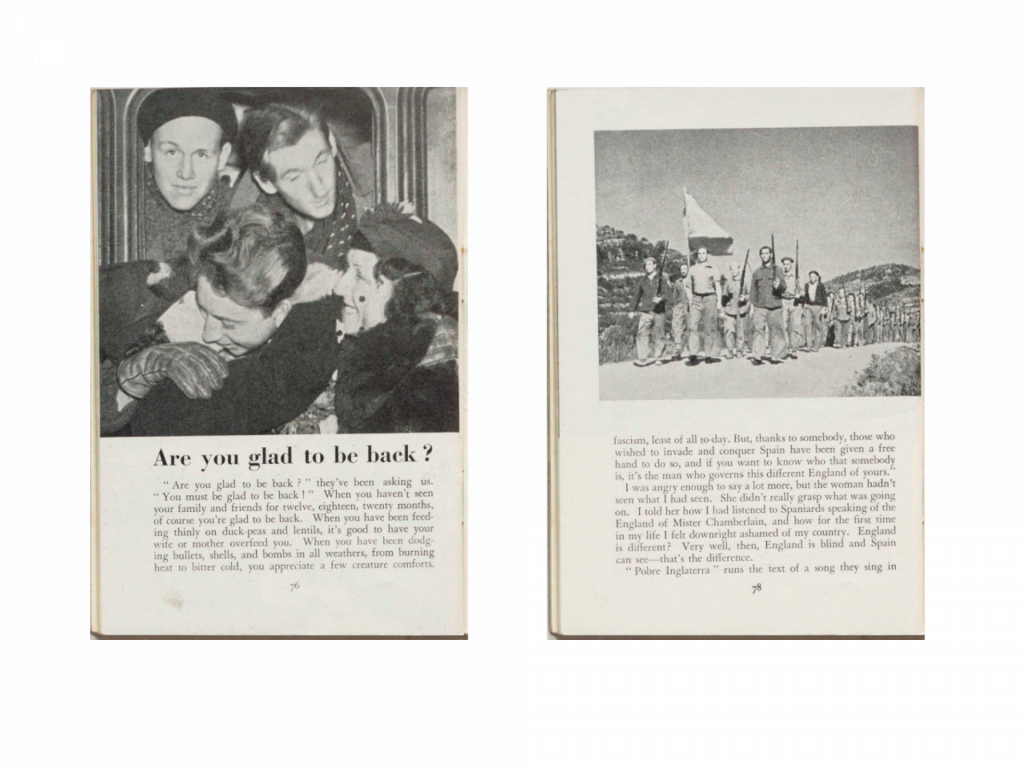
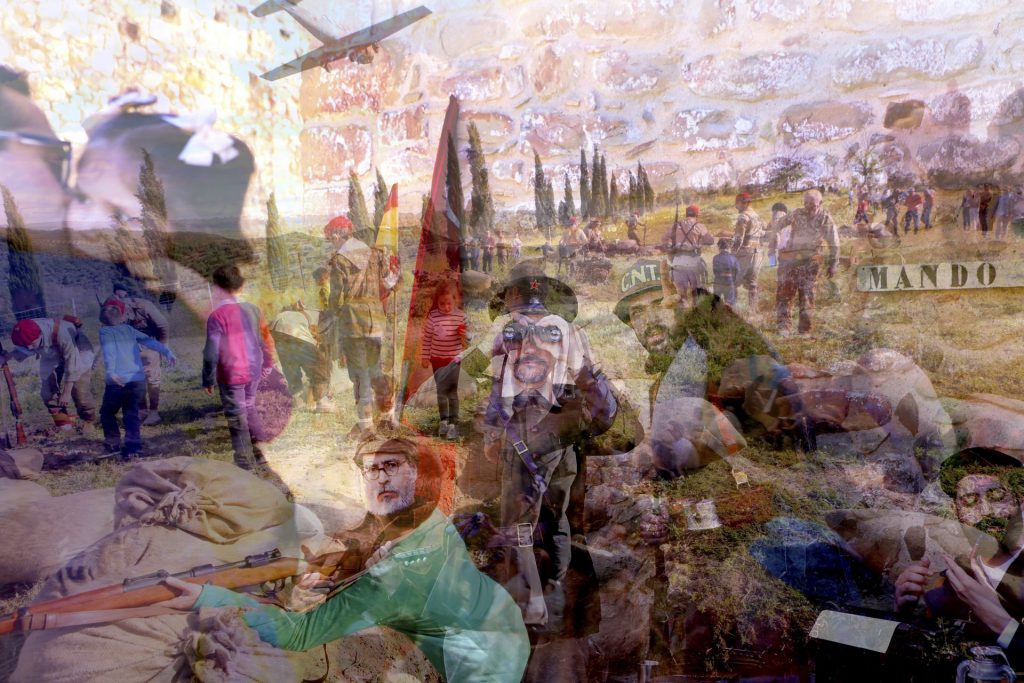
In July 1936, a fascist military uprising led by General Franco attempted to overthrow Spain’s democratically elected government. In response, workers, peasants and militias mobilised in its defence. What followed was a brutal civil war that foreshadowed the global conflict to come, but also a moment of profound social and political transformation. The conflict sparked unprecedented international solidarity. Volunteers from across the world — including Bristol and the surrounding region — travelled to Spain to join the International Brigades and defend the Spanish Republic.
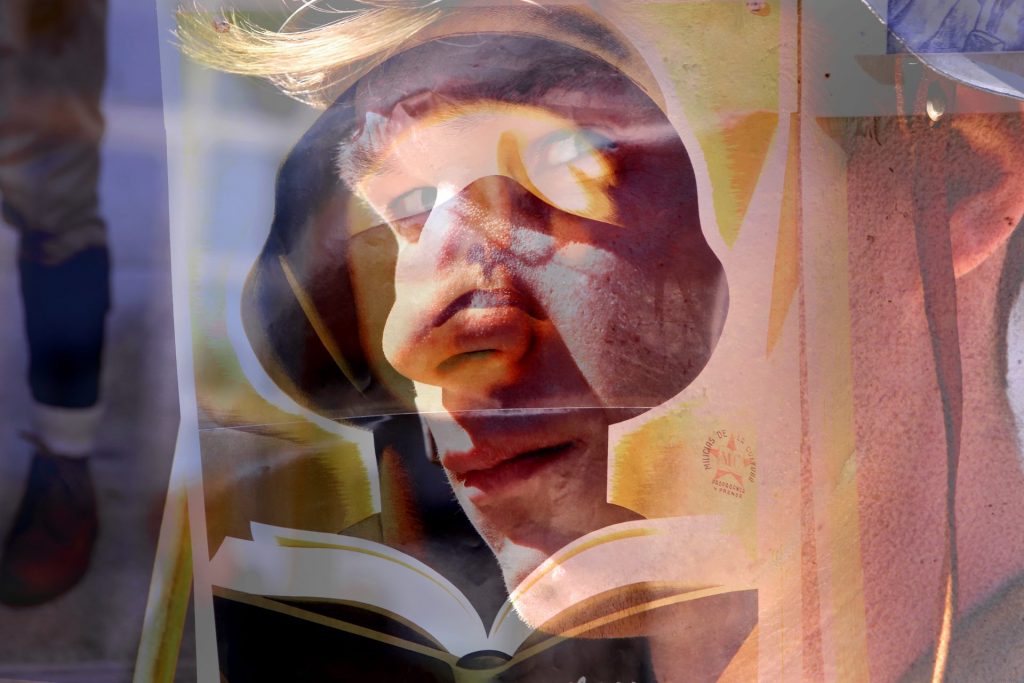
Marking the 90th anniversary of the outbreak of the Spanish Civil War, No Pasarán brings together the work of Natasha Christia, Julián Barón and Anna Jornet. Moving between past, present and future, the exhibition considers how the conflict continues to inhabit images, landscapes, architecture and collective memory.
Through newly commissioned work, Natasha Christia explores the past through archival material connected to international solidarity and the International Brigades. Moving beyond familiar representations of the conflict, her interventions uncover multiple, parallel stories of those who travelled to Spain, revealing moments of everyday life, friendship and shared experience.
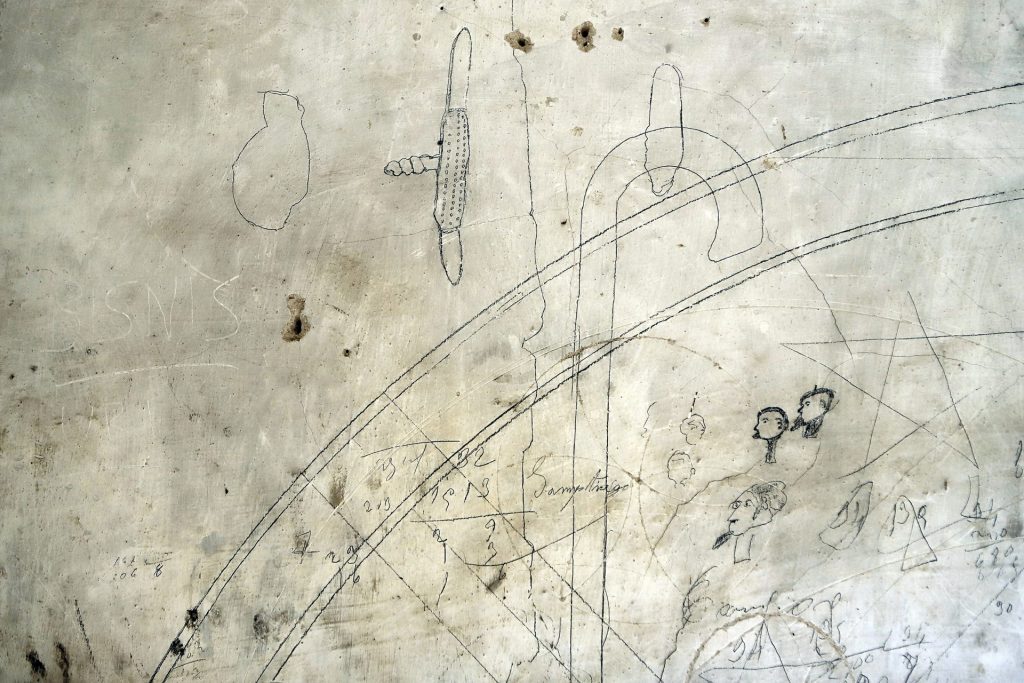
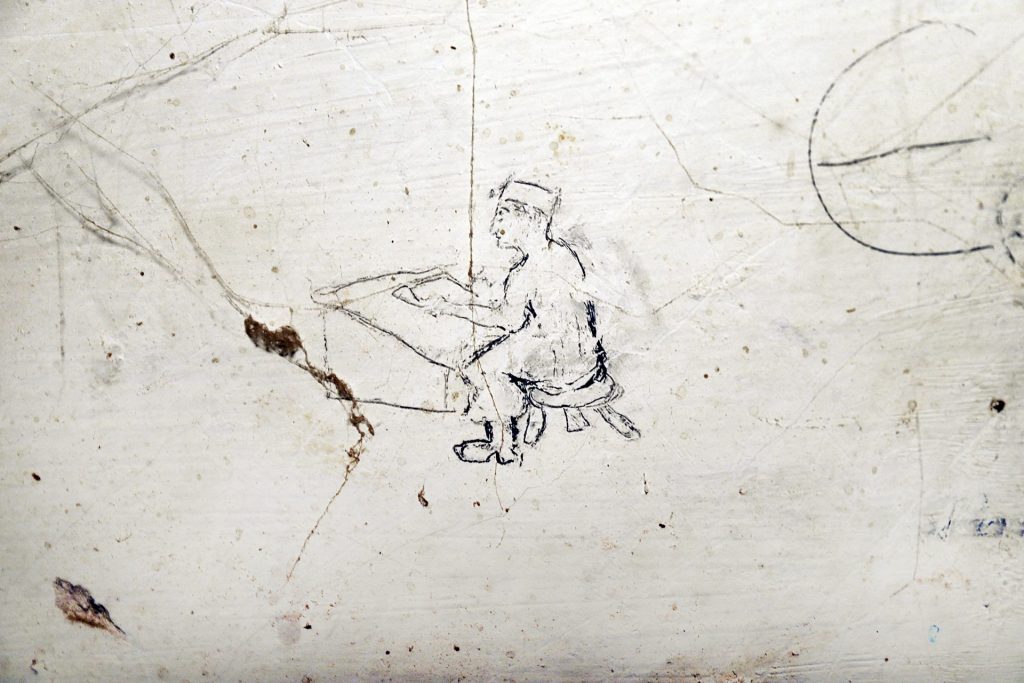
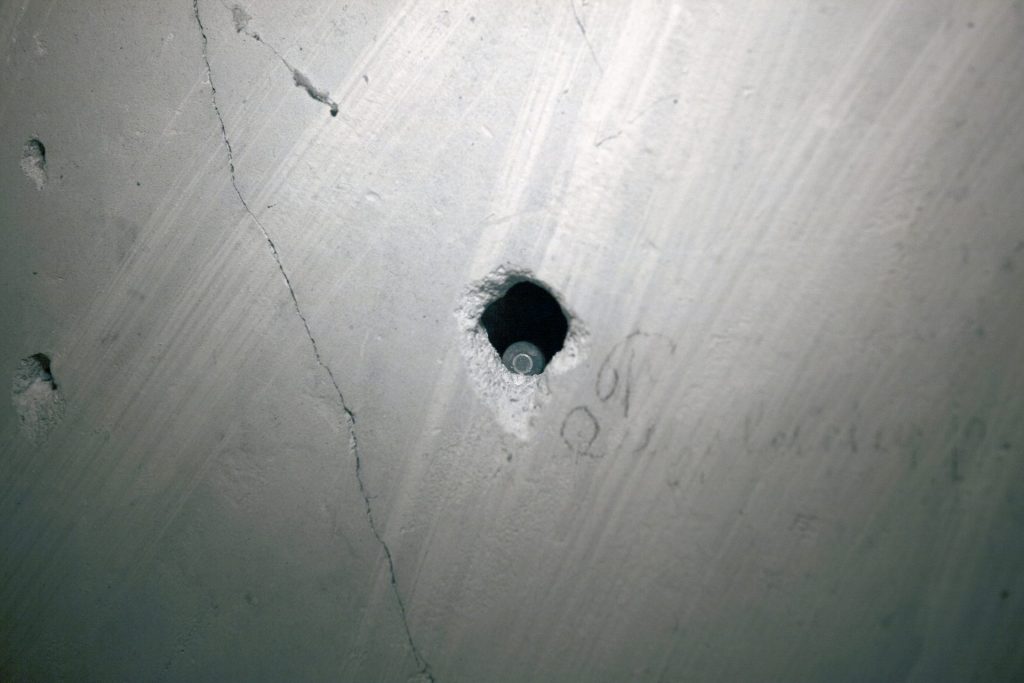
Julián Barón turns to the present, tracing the physical and psychological residues of violence that remain embedded in contemporary Spain. From bullet-marked walls to collective re-enactments, his work considers how conflict persists within places, bodies and social memory, and how its traces continue to be encountered and reinterpreted by successive generations.
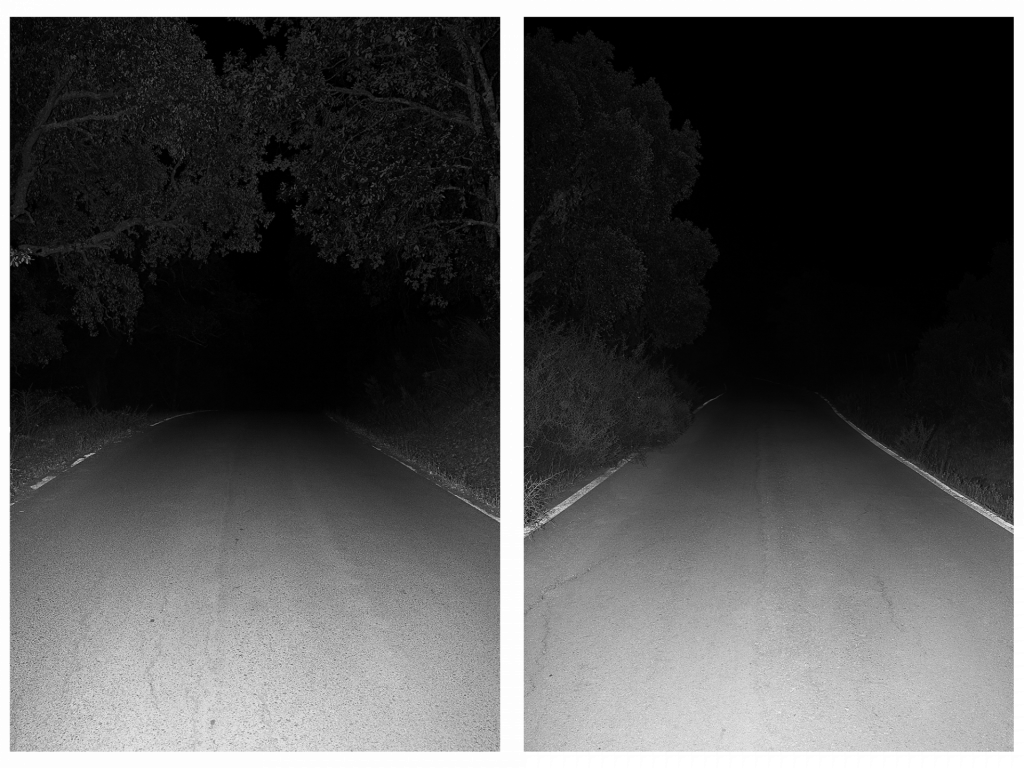
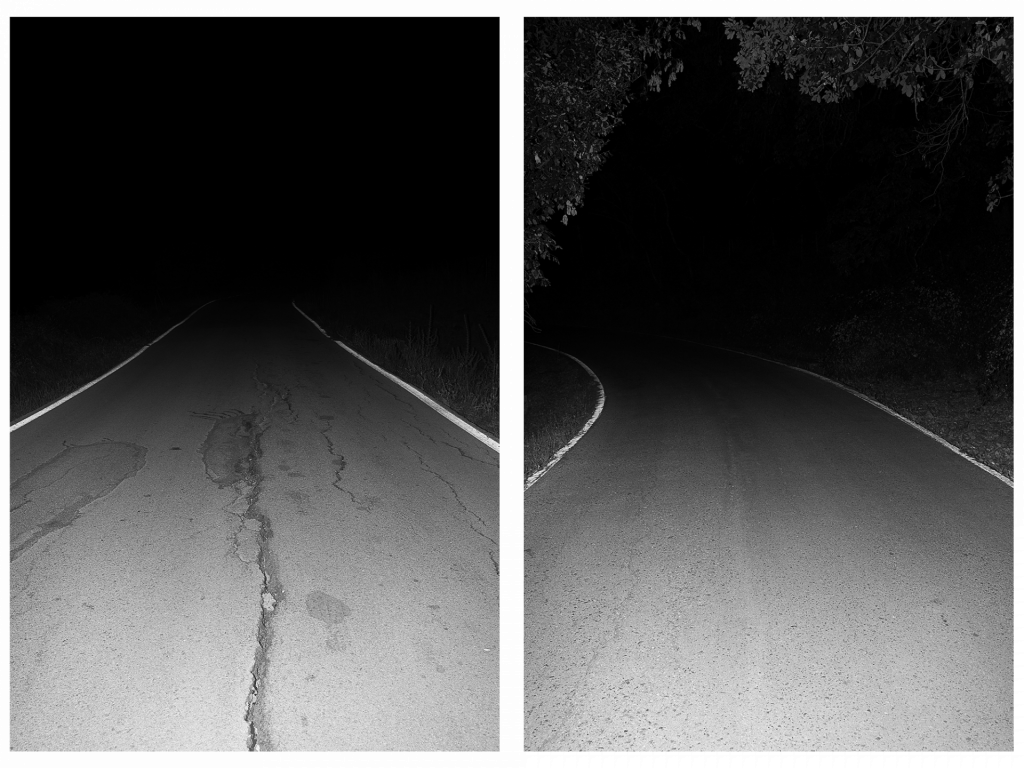
Anna Jornet looks towards an uncertain future through a deeply personal history. Her photographs document a road that her grandfather was forced to build as a political prisoner during Franco’s dictatorship and which remains in use today. The road becomes both evidence and allegorical monument: a physical inheritance from the dictatorship extending into the present, but also a path towards a future understanding of the conflict. A dark terrain that can only be imagined. Together, these works resist treating the Spanish Civil War as a closed historical episode.
No Pasarán asks how the past is continually reconstructed and contested, and how its images, stories and physical traces shape both our understanding of the present and the futures we are able to imagine.
Biographies
Julián Barón is a photographer and educator, focussed on the role of photography as a catalyst for social thought. His practice examines how images shape memory, history and identity, challenging dominant narratives and collective imaginaries. Originally trained as an industrial engineer, Baron left his job as a quality assurance manager for a road signage company to join Blank Paper Collective, ultimately directing the Blank Paper School in Valencia (2008-2015). His first book, CENSURA (2011), was shortlisted for the Paris Photo/Aperture Foundation First Photobook Award. In 2015, he was nominated for the Discovery Prize at Rencontres d’Arles. Since then, his work has been shown at the Centre d’Art Pompidou-Metz, the Netherlands Fotomuseum, the ChangJiang Biennale and Arts Santa Mònica.
Anna Jornet initially studied economics and law before pursuing a career in photography. Her work explores the relationships between photography, memory and place, with a particular focus on personal and collective histories. She has exhibited widely, including: Ressons de la Memòria (Castell de Montjuïc, Barcelona, 2024-2025); This Story Will Never Get Finished (Museu d’Art Modern de Tarragona, 2023-2024); C-3331/CA-8201 (Casa de Cultura de Girona, 2022); and Ventura (Biennal d’Art de Tarragona, 2021-2022). Her debut book, C-3331/CA-8201, was published by Ventura Edicions (2022).
Natasha Christia is an independent curator, writer and educator based in Barcelona, specialising in photography, photobooks and archives. Her research explores how photographic documents shape and challenge dominant historical narratives and ideological myths. She has led projects for institutions and festivals including DocField Barcelona, Photo Saint Germain, Krakow Photomonth, PHOTO Australia and SCAN Festival. Alongside her curatorial practice, Christia writes extensively on photography and has edited award-winning publications. She has served on numerous international photography juries and has taught photography and visual culture in Spain and internationally since 2008. Born in Athens, she lives and works in Barcelona.
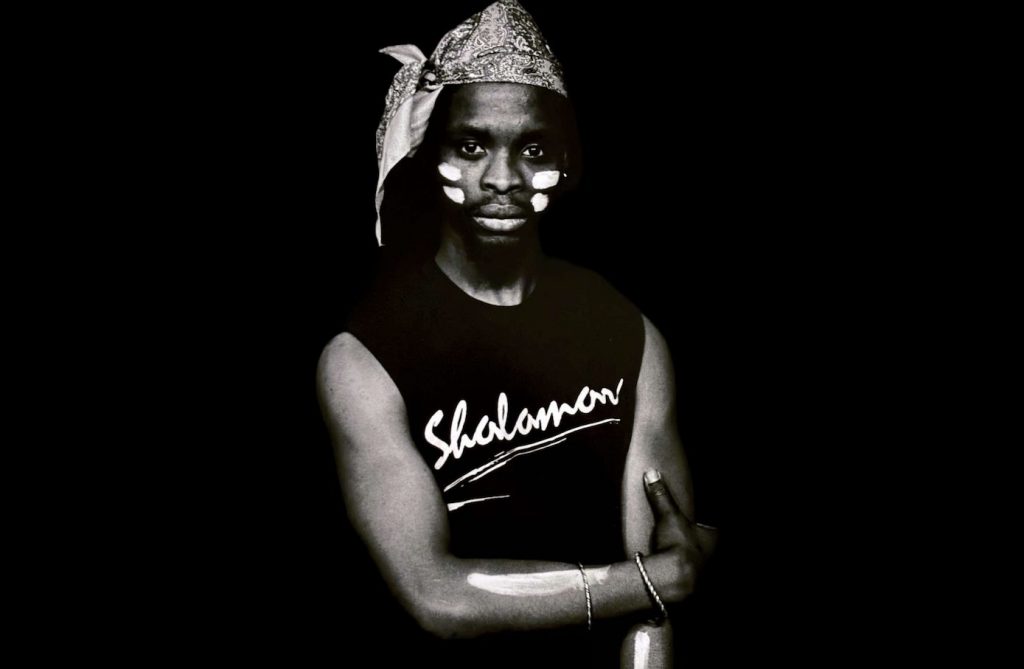
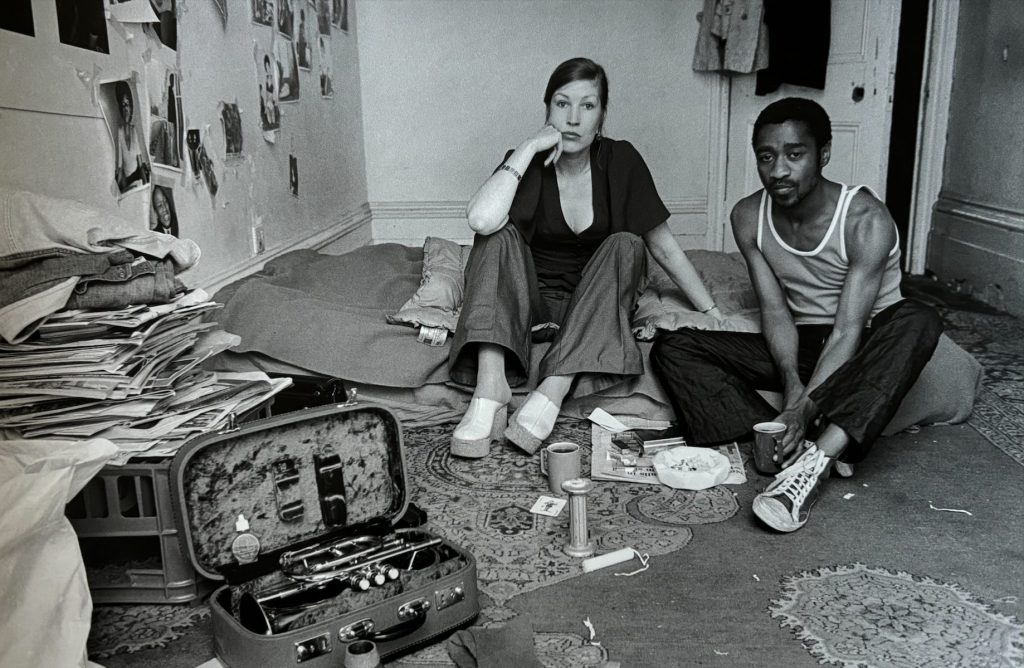
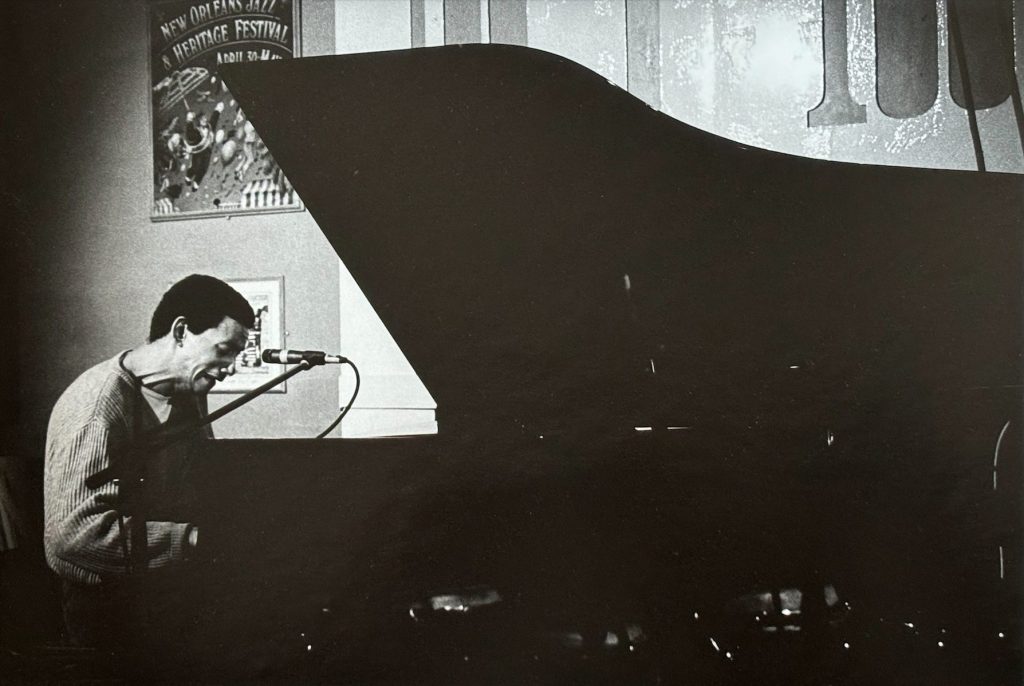
George Hallett: Home and Exile brings together works by Cape Town-born South African photographer George Hallett (1942-2020) who lived in exile in Europe from 1970 to the mid-1990s.
Introduced to literature, music and visual arts by South African authors Richard Rive (1931-1989), James Matthews (1929-2024), and visual artist Peter Clarke (1929-2014), Hallett developed his practice as a self-taught street photographer in Cape Town in the 1960s. His early images depict street scenes in places such as the neighbourhood of District Six, Black communities, and cultural figures and moments that were to become a major theme throughout his career.
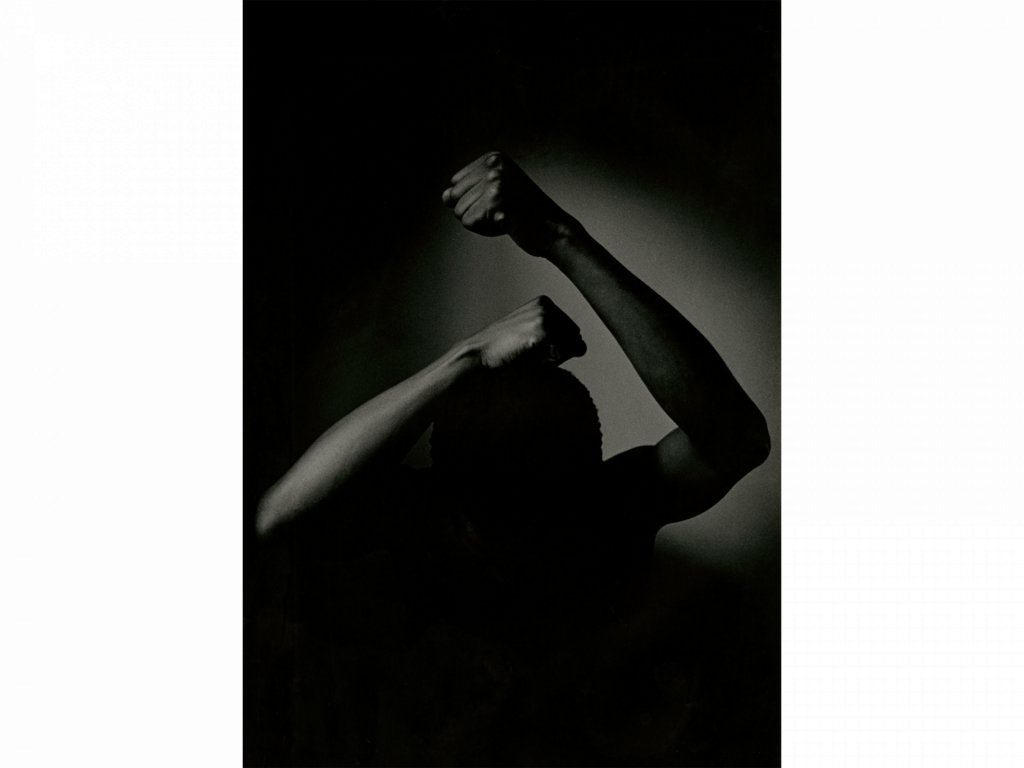
As a South African of mixed heritage, his experience of discrimination during apartheid, and the lack of professional opportunities, led him to exile. He first settled in England in the early 1970s before moving to France and the Netherlands. In Europe, and on visits to the United States and other parts of the world, Hallett photographed both South African exile and Black life with the intention of creating a visual record that restored dignity to a people that was either absent or misrepresented in mainstream media. In doing so, he created an incredible photographic archive of Black resistance and resilience both in the place from which he was exiled, and the places that he called home.
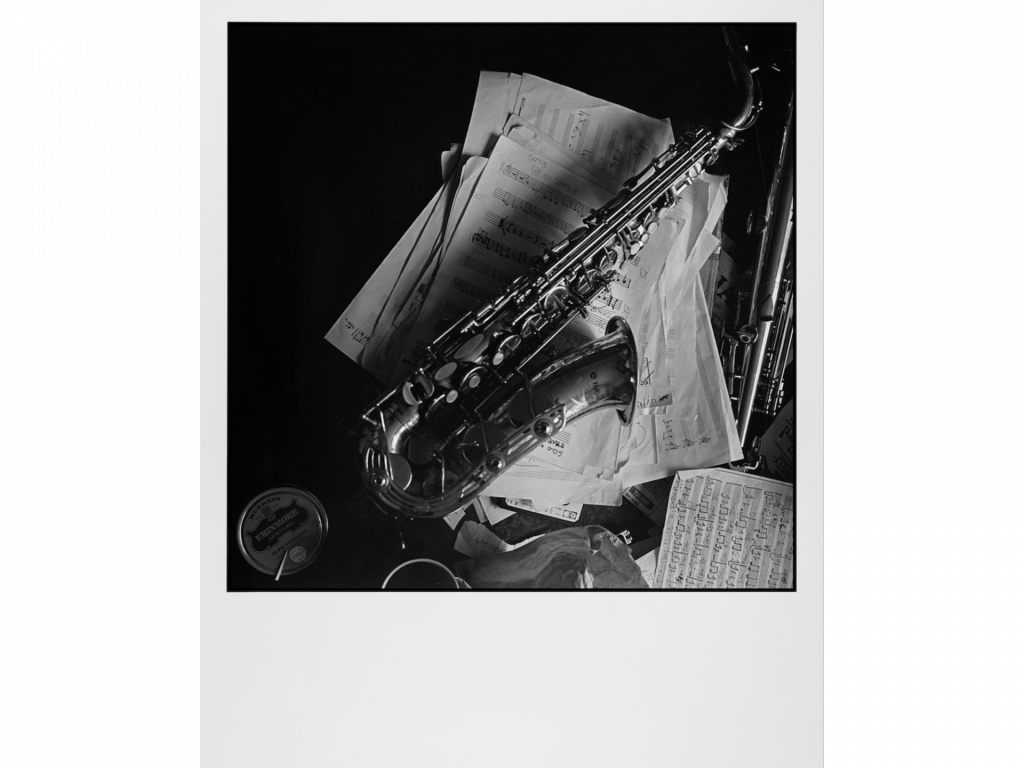
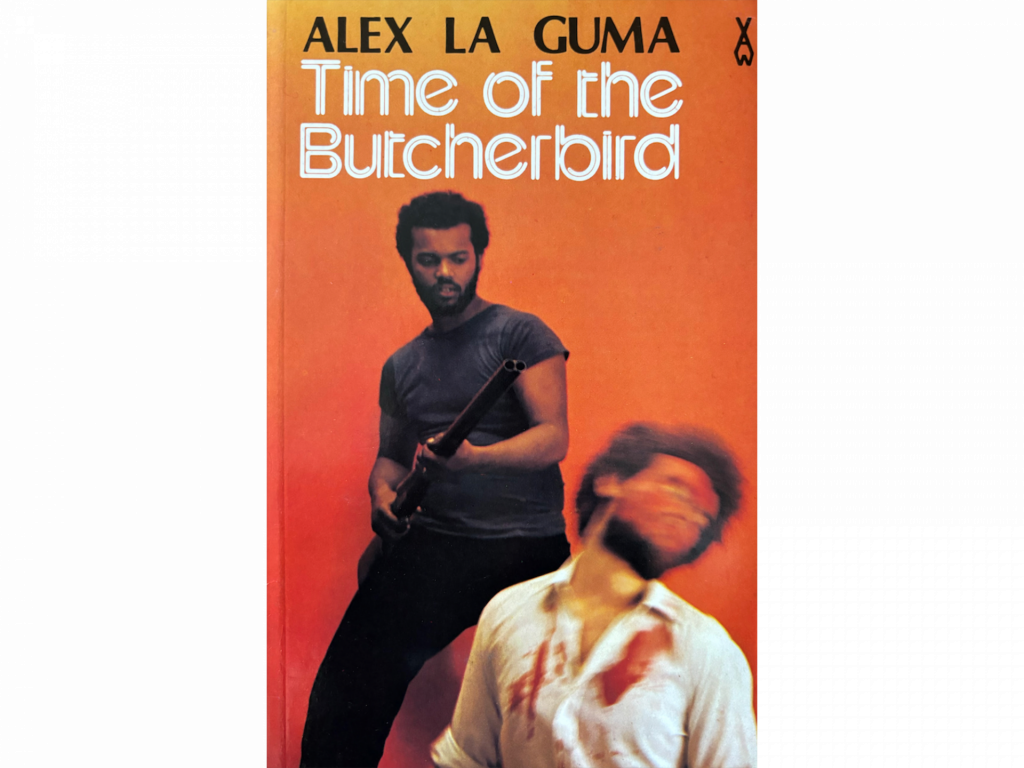
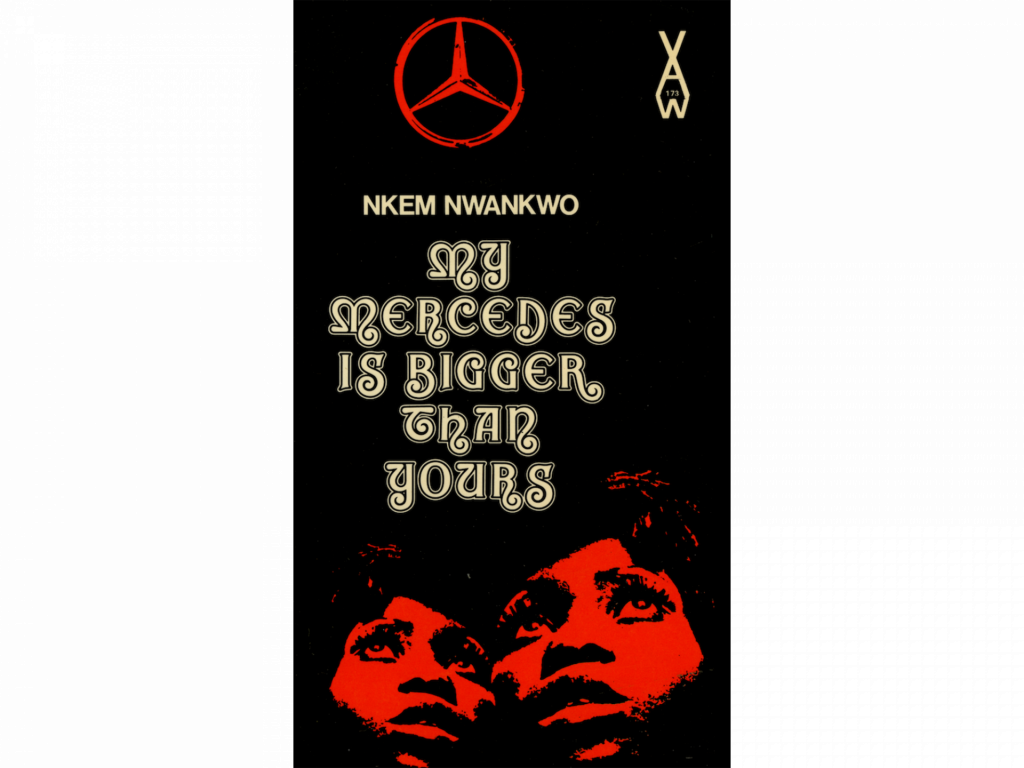
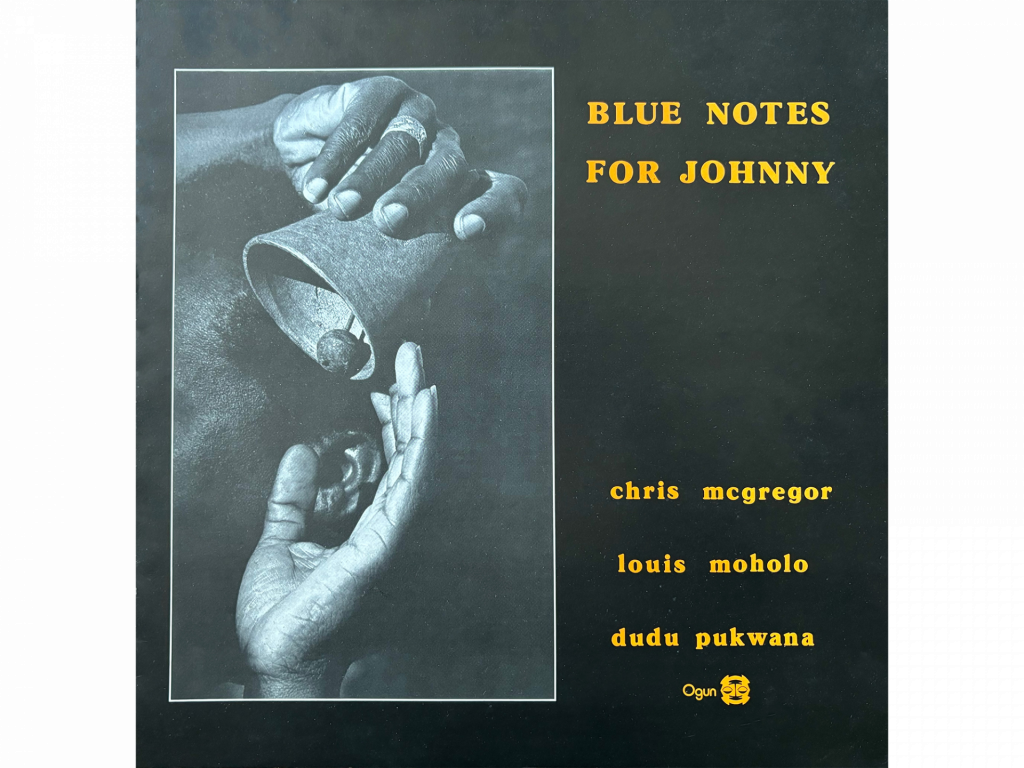
In Bristol, George Hallett: Home and Exile takes its cue from an article published in 1966 in the Western Daily Press announcing a talk by South African author, journalist, and political activist Alex La Guma (1924-1985) in the venue formerly known as Colston Hall. The exhibition presents a selection of images around the figure of La Guma, as well as other South African writers, visual artists, and jazz musicians who left their country because of apartheid’s repressive laws. The display also includes examples of Hallett’s designs for book covers of the African Writers Series published in Britain by Heinemann, and record sleeves created for the jazz label Ogun Records.
First presented at Clémentine de la Féronnière in Paris in March 2025 as part of Centre Pompidou’s programme “Échos Paris noir”, the exhibition was subsequently shown at Exhibition Research Lab (ERL) Gallery, Liverpool. For Bristol Photo Festival, it is presented at IC Visual Lab, located at 6 West Street—the former home of the Southern Africa Resource Centre (SARC), an organisation that campaigned against apartheid.
Biographies
George Hallett (1942–2020) was a self-taught photographer from Cape Town, South Africa. He exhibited at Clémentine de la Féronnière, Paris (2025); Peltz Gallery, London (2023); Michaelis Galleries, Cape Town (2022); Bozar, Brussels (2018); Bamako Encounters: African Biennale of Photography, Bamako (2017); and EVA International, Ormston House, Limerick (2016). He was also included in Rise and Fall of Apartheid: Photography and the Bureaucracy of Everyday Life, curated by Okwui Enwezor at the International Center of Photography, New York (2012), which toured to Haus der Kunst, Munich and Padiglione d’Arte Contemporanea, Milan (2013), and Museum Africa, Johannesburg (2014–15).
His work is held in numerous private and public collections, including Iziko – South African Art Gallery; Michaelis School of Fine Art, University of Cape Town; District Six Museum and Bo-Kaap Museum, Cape Town; and the Library of Birmingham, UK.
Christine Eyene is an art historian and curator. She is currently Curator of French Institute Cameroon’s 2027 cultural season. From 2022 to 2026, she was Senior Lecturer in Contemporary Art and Co-Director of ERL Gallery, Liverpool John Moores University. Prior to that, she worked for 10 years with Pr. Lubaina Himid CBE RA on the project Making Histories Visible at the University of Lancashire.
Her research and curating encompass contemporary art from a global perspective, with an interest in African and Diaspora arts. Her practice also engages with socially oriented initiatives, urban culture, new media, music, design, and architecture.
In 2024 she completed her PhD in History of Art at Birkbeck, University of London, under the supervision of Professor Annie E. Coombes. Her thesis focuses on the relationship between text, African literature, and visual representation in the work of George Hallett.
“It took me many years to notice that, in the hush between conversations, she would sing. Simple tunes tinged with a gentle melancholy drifted through the room, sung in a tongue I had yet to decipher — folk songs belonging to a people all but erased from the map. ‘What are folk songs for?’ I once asked her. ‘They’re like prayers, or like roadmaps of a people,’ she answered. Those melodies became my compass.” Akshay Mahajan
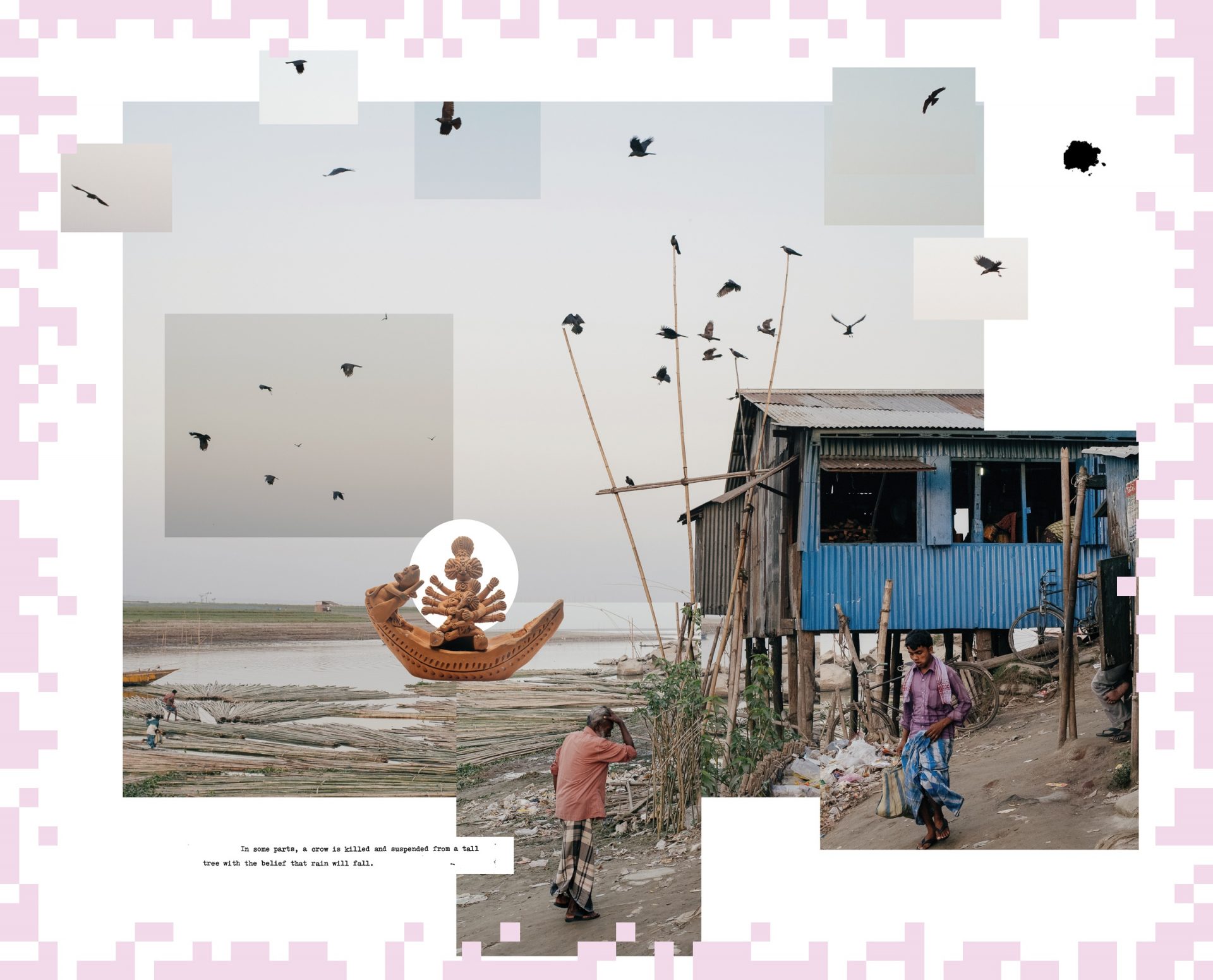
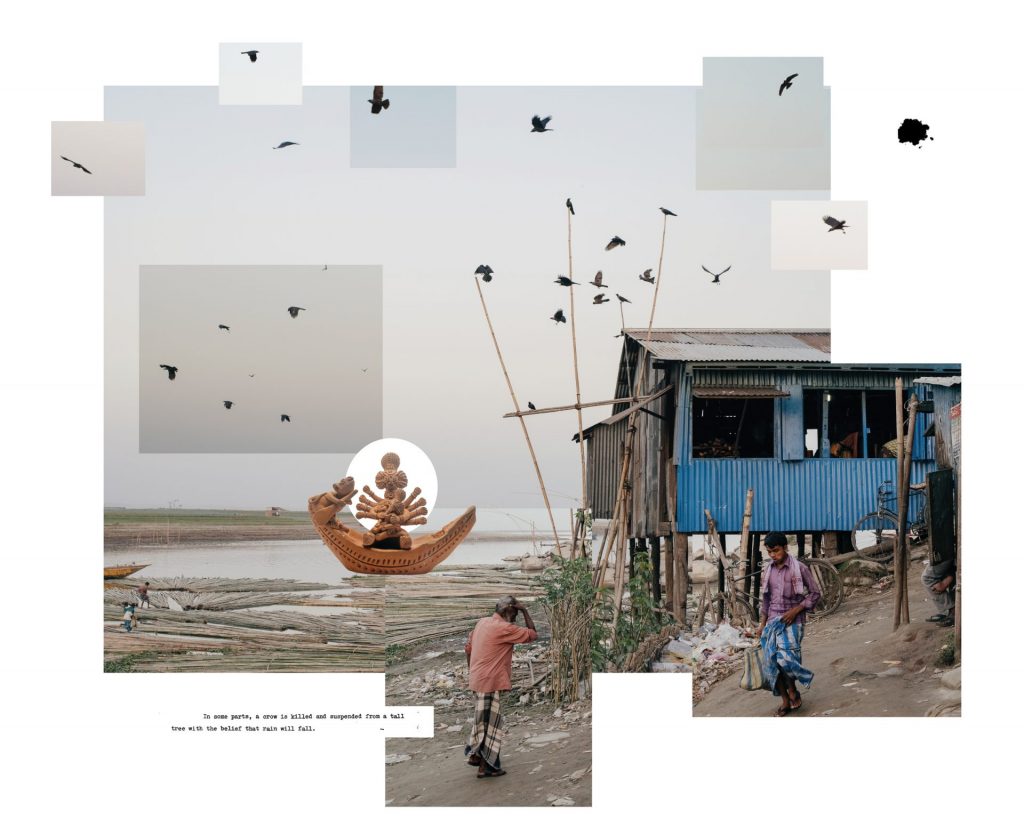
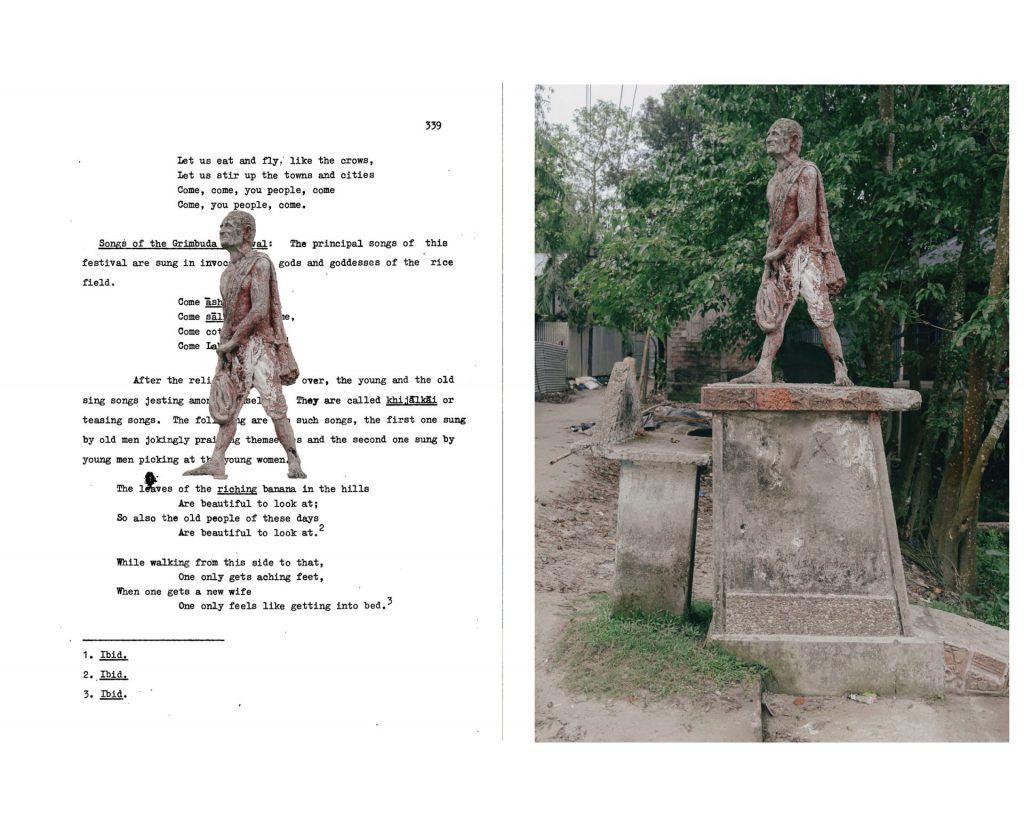
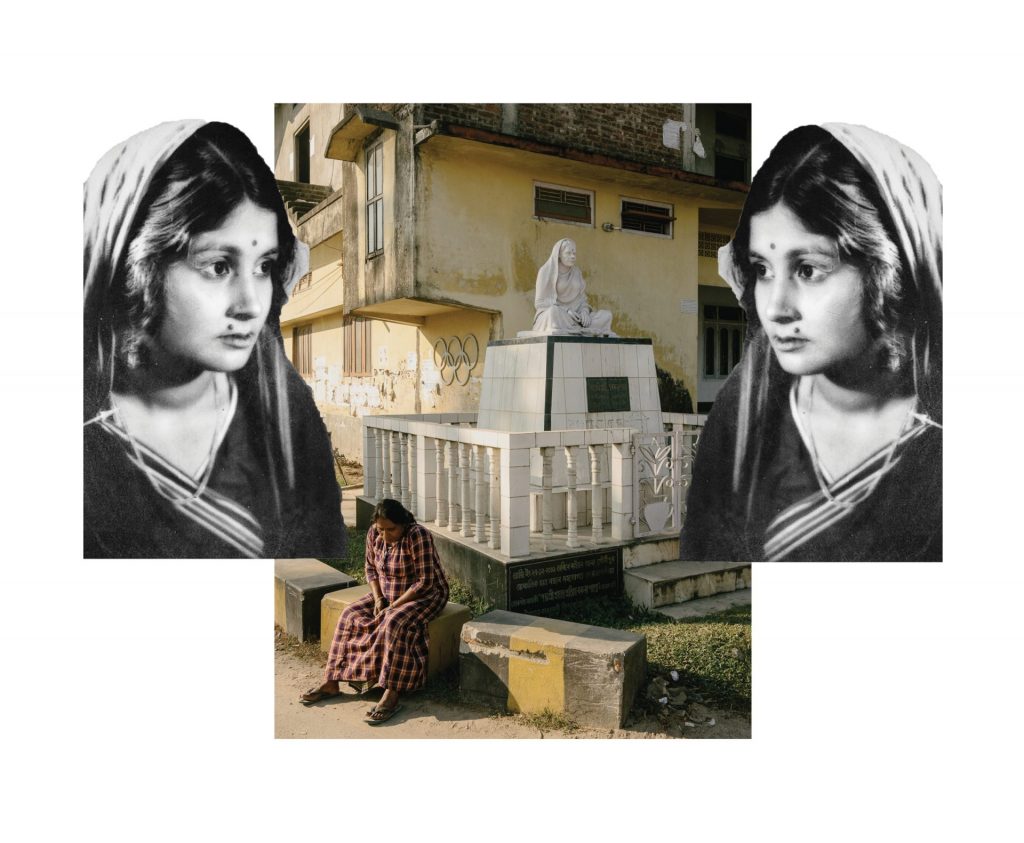
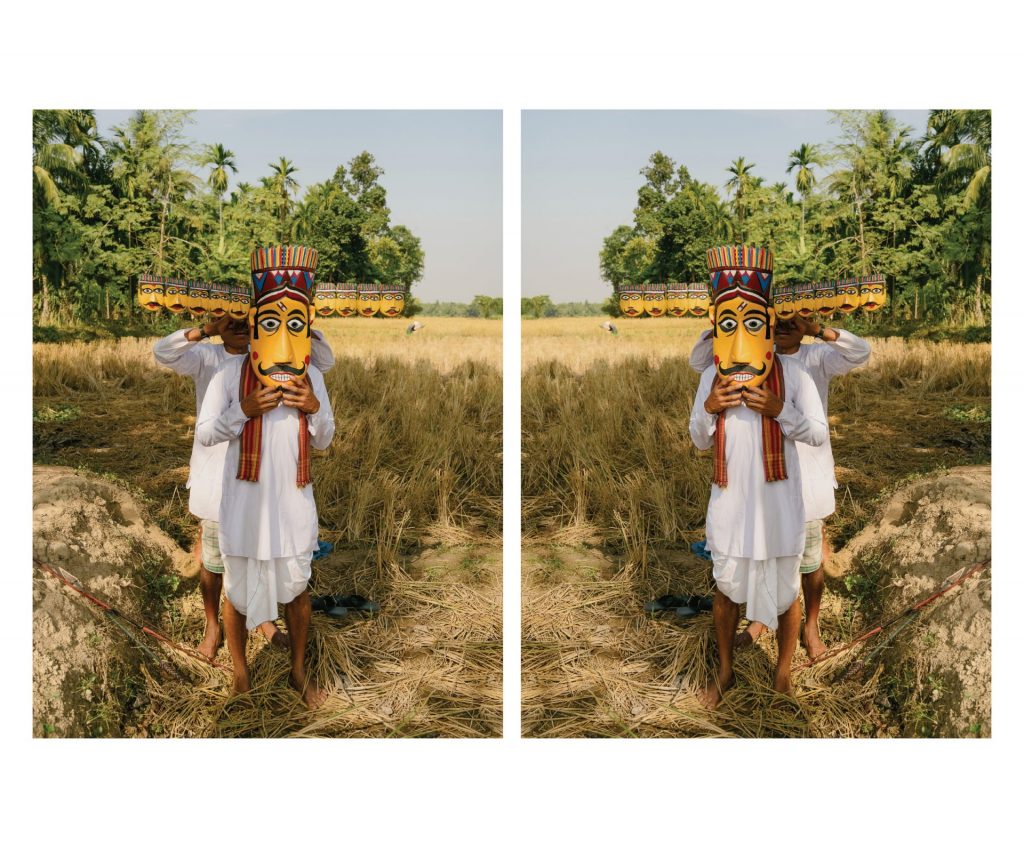
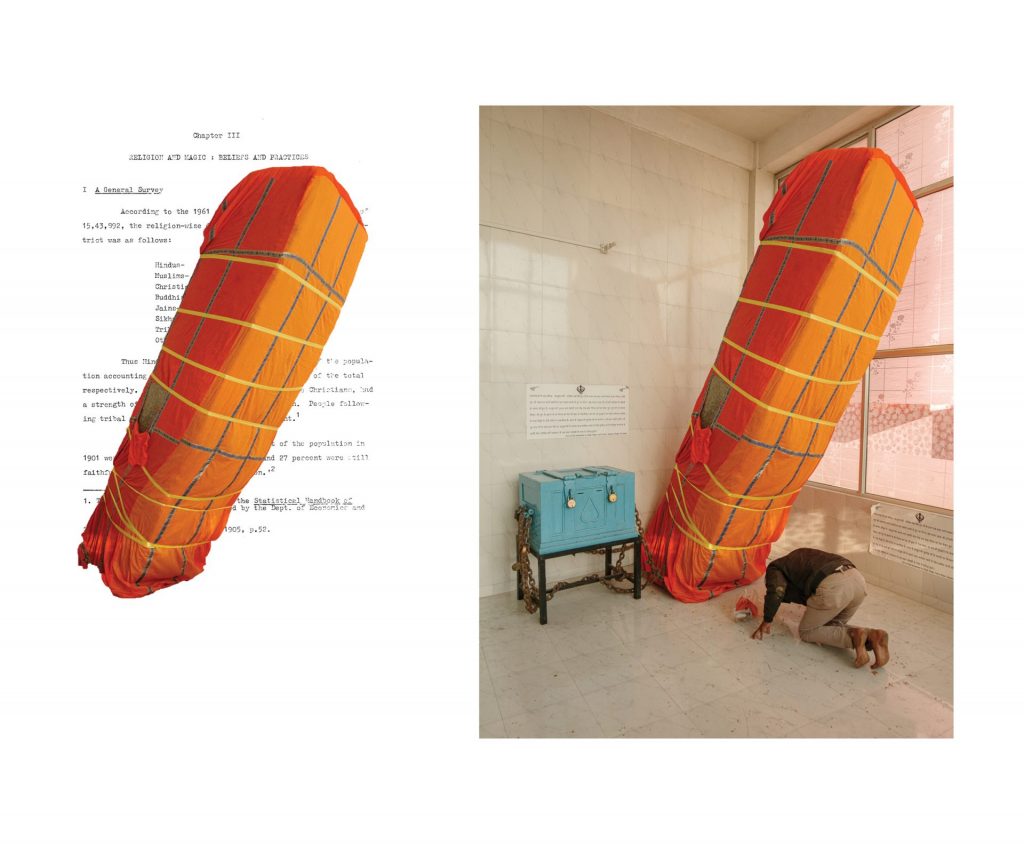
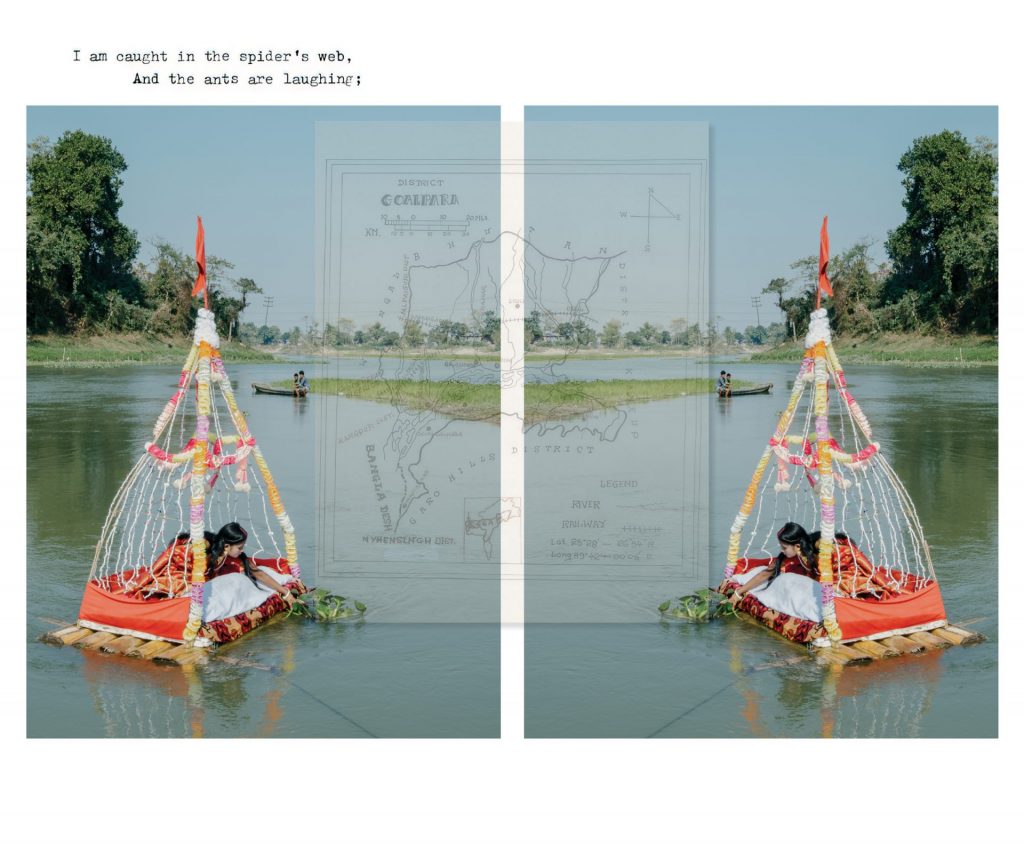
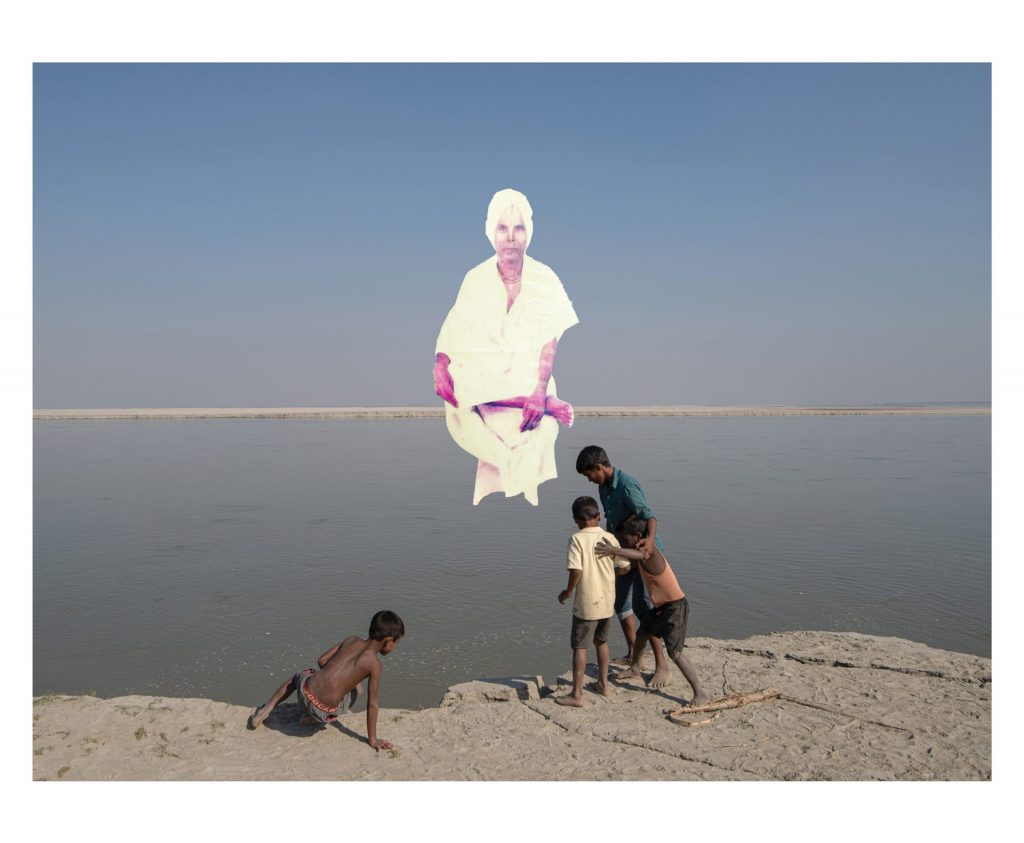
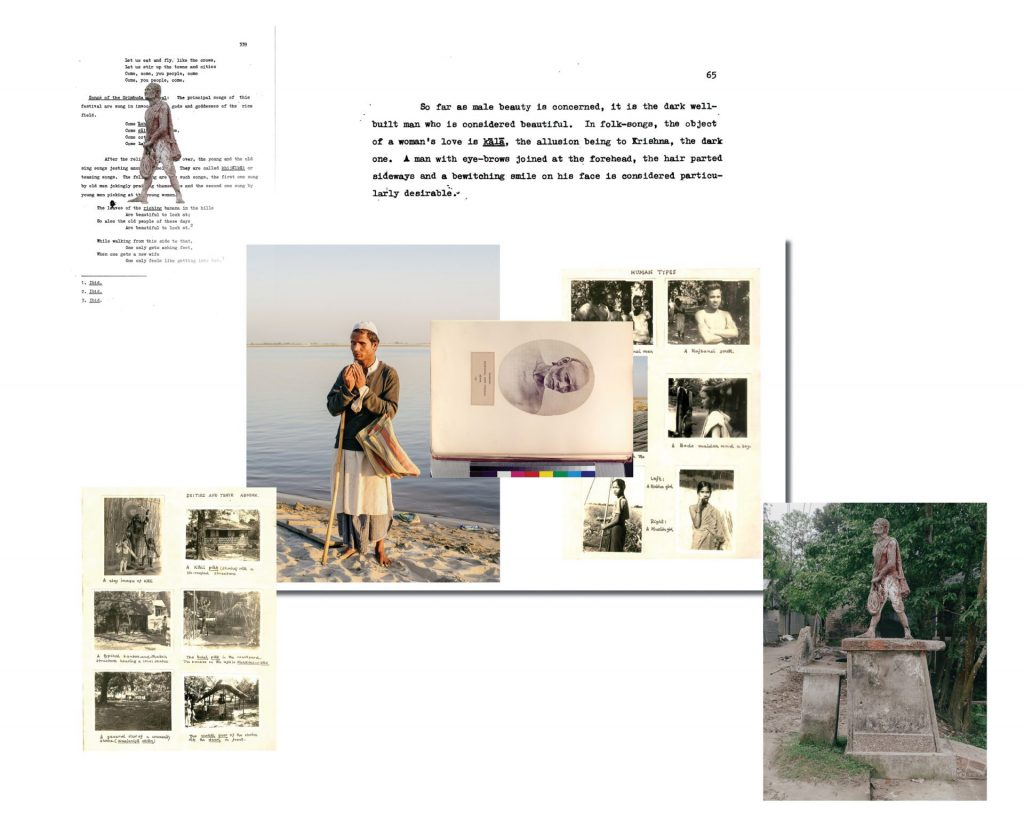
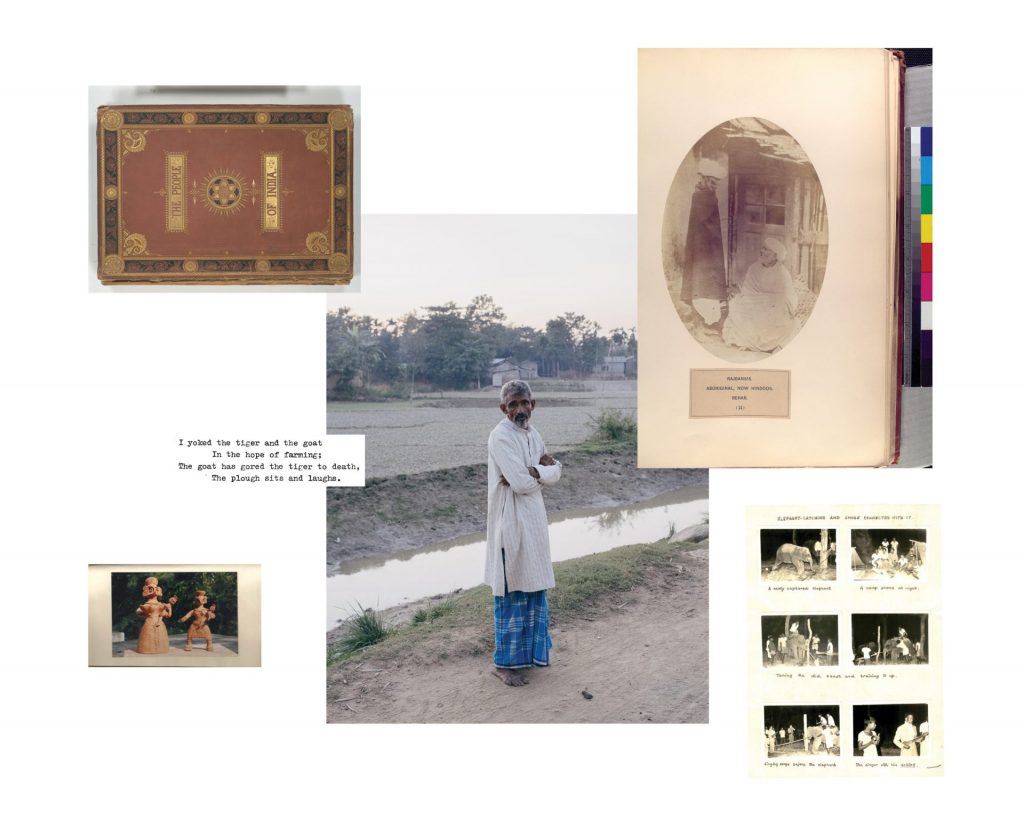
Akshay Mahajan’s People of Clay (2016–present) traces the hidden histories embedded along the Brahmaputra River as it winds through India’s Goalpara region and across the border into northern Bangladesh. As Mahajan writes, “colonial survey lines cleaved one landscape into many, and the people caught in between were flattened into shorthand.” The project seeks to reverse this erasure by reconstructing the layers of story, myth and memory that shape the region. The result is a subjective cartography, formed through slow observation, listening and engagement.
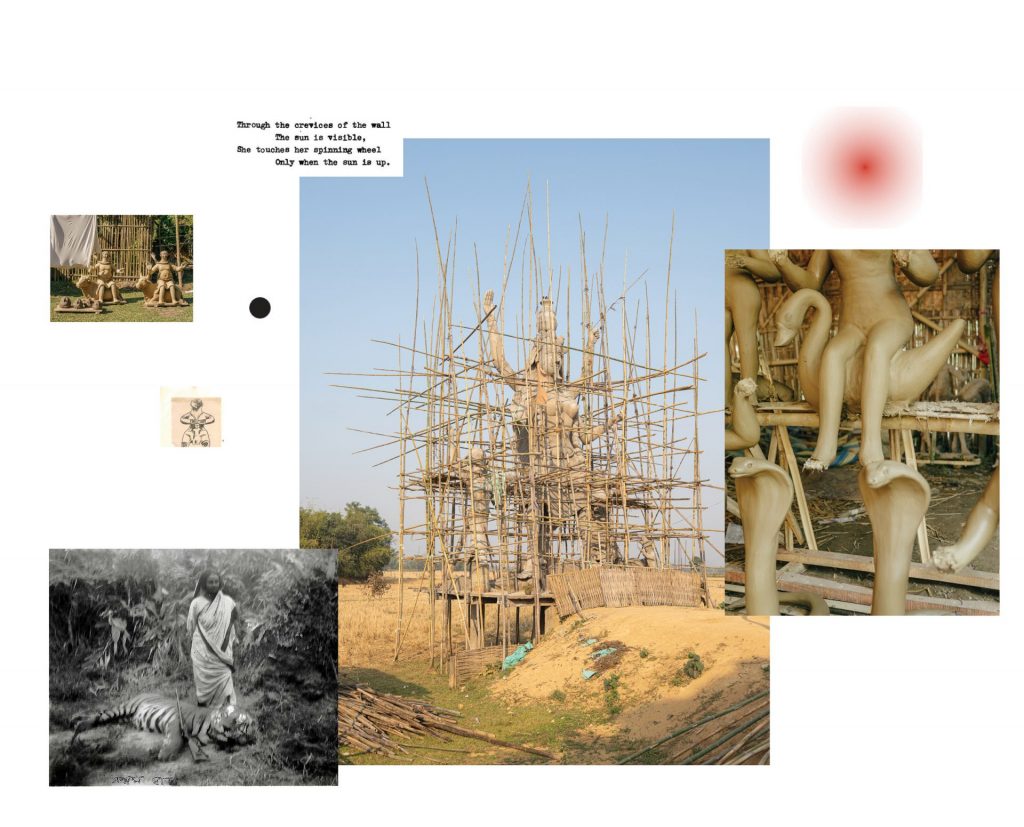
The work draws extensively on myths and folktales. In the legend of Behula, a husband is cursed and killed by a snakebite, his body set adrift on the river. Refusing to abandon him, his grieving wife climbs onto the raft and accompanies him downstream. Though dismissed by others as mad, her devotion is ultimately rewarded when a goddess restores her husband to life. In People of Clay, Mahajan reimagines this moment, depicting Behula leaning gently over her husband’s body to retrieve a water hyacinth. Through such reinterpretations, the artist brings folklore into the present, allowing ancient stories to continue evolving.
Throughout the exhibition, Mahajan combines photography, collage and found materials, working through an iterative process in which a single image becomes the starting point for layers of addition and transformation. He compares this approach to the telling of a grandmother’s tale, where new details emerge with each retelling. The resulting works function as mnemonic devices, revealing narratives and memories overlooked or erased from official archives.
Yet People of Clay is not only an act of remembrance. As Mahajan writes: “My intention is simple: to recall that we are all people of clay, our contours forever provisional, never fully bound to the frontiers we inherit. And, like me, you may find that a single, unguarded song is enough to press a new, more generous outline into being.”
Biography
Akshay Mahajan (b. 1985, India) is an artist that uses photography and collage as tools to explore collective memory. His practice examines postcolonial cities, landscapes, folklore and mythology, to reveal how past, present and future are always entangled, shaped through varied forms of power. His work observes how our postcolonial reality is often anchored in pre-colonial stories and memories, using the camera as a tool to lay bare these connections. With a discerning eye, Mahajan explores how the physical structures and spaces in the non-western world can become emblematic of unfulfilled aspirations and unrealised potentials due to unresolved historiography. In terms of method, he uses images as a starting point to build large-scale assemblages that combine both found and archival materials. He describes this process as one of ‘radical citation’, allowing multiple voices to flow through his work.
Mahajan has exhibited widely, including: Vezasca Photo Festival, Singapore International Festival of Arts, Jogja Fotografis Festival, Athens International Photo Festival, Foam Museum, Cairo Biennale, Bamako Encounters and the Jakarta International Photography Festival. Awards include the Verzasca Foto Festival Award (2024), Foam Talent (2024), and the Aperture Portfolio Prize shortlist (2023).
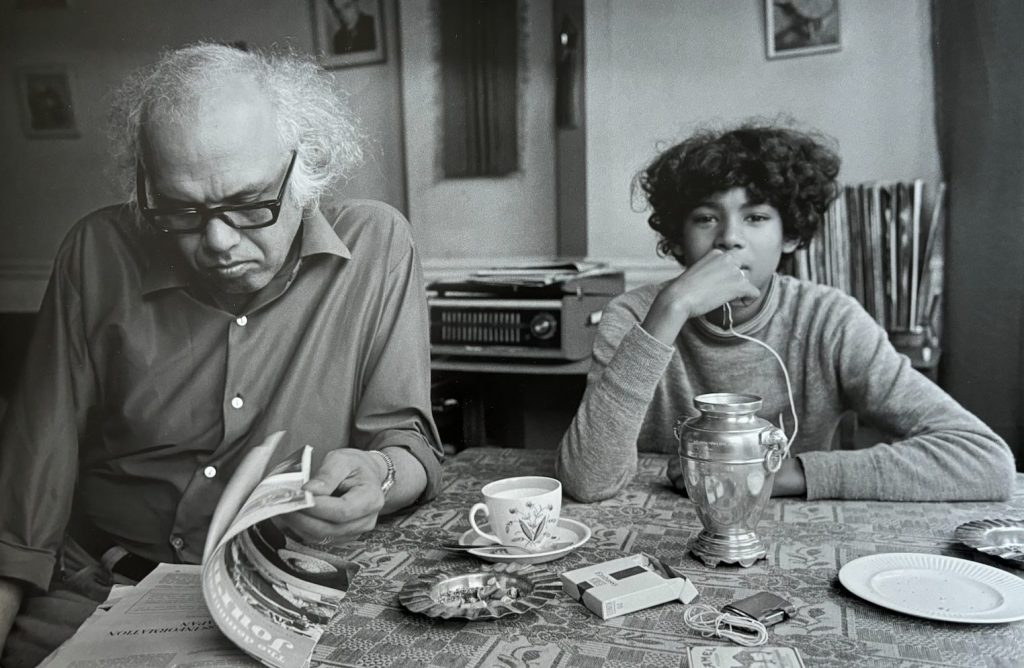
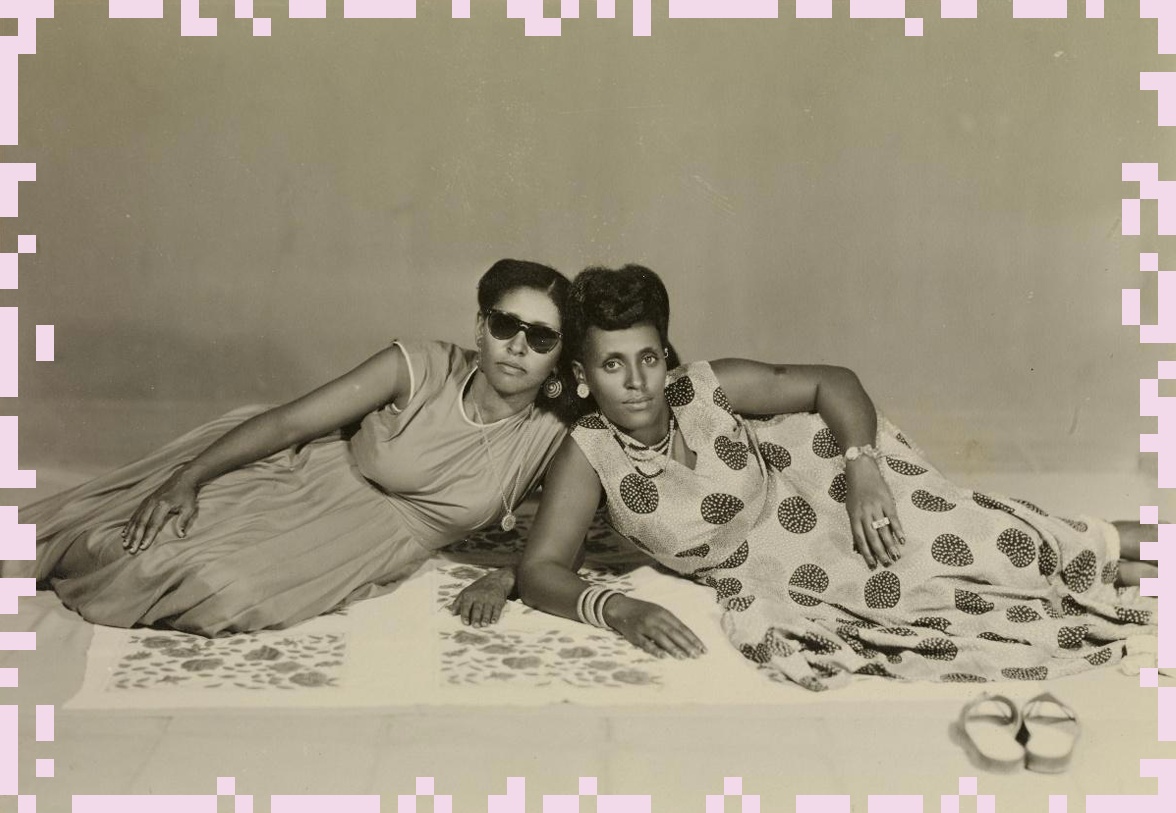
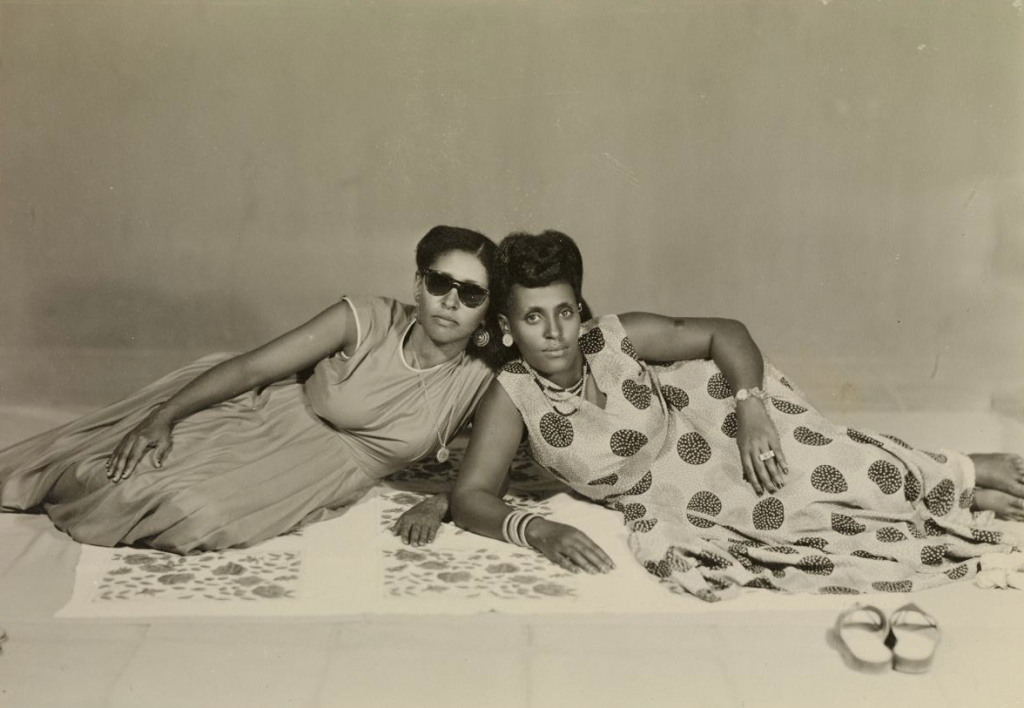
Sans titre [portrait de deux hommes, dont Rashid Mahdi à gauche de l’image] Rashid Mahdi, 1923 – 2008. c1955. Musée du quai Branly-Jacques Chirac, Paris
The birth of photography has long been a contested narrative between the United Kingdom and France, often centred around figures such as Nicéphore Niépce and William Henry Fox Talbot. One of Many opens that conversation outwards, acknowledging that the history of photography is not singular but multiple. Histories are shaped as much by what they exclude as by what they include this project seeks to foreground those omissions and propose alternative viewpoints.
Through a cross-cultural dialogue between France and the United Kingdom, we bring together perspectives from leading curators, scholars, and institutions to explore how photographic histories are constructed and how they might be reimagined.
Invited selectors: Mark Sealy (Autograph), Taous Dahmani (The Photographers’ Gallery), Christine Eyene (Independent Curator), Sergio Valenzuela Escobedo (ENSP Arles) and Annabel Lacour (Musée du quai Branly – Jacques Chirac).
Biographies
Annabelle Lacour (Musée du quai Branly – Jacques Chirac, Paris)
Annabelle Lacour has been Curator of the Photographic collection at the musée du quai Branly – Jacques Chirac since 2018. She curated the exhibition Hoda Afshar: Performing the Invisible (2025) and co-curated several international exhibitions, including Reinventing One’s Past (musée Théodore Monod – IFAN, 2026), Re-enchanting Our Lives (IFAN, 2025),Inhabiting This World ( IFAN, 2024), and Opening the World Album: Photographs 1842–1911 (musée du quai Branly – Jacques Chirac, 2023). At the musée du quai Branly – Jacques Chirac, she has also curated numerous installations within the permanent galleries. She was co-editor of Mondes photographiques, histoires des débuts, a landmark reference work devoted to the early histories of photography beyond Europe, bringing together contributions from forty-eight international authors. Annabelle Lacour is a member of the selection committee of the Photography Award of the musée du quai Branly – Jacques Chirac, dedicated to contemporary photography. Her research focuses on the uses of photography in colonial and postcolonial contexts, as well as on contemporary artistic practices that examine the medium’s legacies, the history of ways of seeing, and the power relations embedded in photographic mechanisms.
Christine Eyene (Independent Curator)
Christine Eyene is an art historian and curator. She is currently Curator of Institut français du Cameroun’s 2027 Cultural Season. She is the founder of Bikoka Art Project, an independent initiative bringing together art, nature, and community in the rural municipality of Lolodorf (Cameroon). She also developed the George Hallett Research Collection aiming to research, preserve, and disseminate the work of South African photographer George Hallett (1942-2020).
Mark Sealy (Autograph, London)
Professor Mark Sealy is Executive Director of Autograph, a position he has held since 1991, and Professor of Photography, Rights and Representation at University of the Arts London, London College of Communication. He is currently serving as the Artistic Director of the Triennial of Photography Hamburg 2026. His research and curatorial practice critically examine the relationships between photography and art, social change, identity politics, race, and human rights. He holds a PhD from Durham University and has written extensively for leading international photography journals and photographic publications. He has curated major exhibitions and photograph festivals, produced numerous artist publications, and commissioned photographers and filmmakers and worldwide. He jointly initiated and co-led the development of Rivington Place which is now home to Autograph, an £8 million capital arts building in London, which opened in 2007. His contributions to photography and the visual arts have been widely recognised. He was awarded the Hood Medal by the Royal Photographic Society in 2007, appointed Member of the Order of the British Empire (MBE) in 2013 for services to photography, and further appointed Officer of the Order of the British Empire (OBE) in 2022 for services to art.
Sergio ValenzuelaEscobedo (École Nationale Supérieure de la Photographie (ENSP), Arles)
Artist, researcher and publisher Sergio Valenzuela Escobedo holds a PhD in photography from the École nationale supérieure de la photographie in Arles. After a year at the National School of Art in Johannesburg (NSA), he earned a photography degree in Chile and completed his MFA at the Villa Arson in Nice. He has curated the exhibitions Mapuche at the Musée de l’Homme in Paris and Monsanto: A Photographic Investigation at the Rencontres d’Arles. He has been invited to teach at various schools and institutions, including Parsons Paris, ISSP and Atelier Noua. He also collaborated in ‘1000words’ and co-founded ‘doubledummy’, a platform of critical reflection about documentary photography.
Taous Dahmani (The Photographers’ Gallery, London)
Dr Taous Dahmani is a London-based French, British, and Algerian art historian specialising in photography. She has curated both group and solo exhibitions internationally, including the 2022 Louis Roederer Discovery Award at Les Rencontres d’Arles (France) and the 2024 Jaou Photo Biennale in Tunis (Tunisia). Her solo curatorial projects include SMITH at NOUA (Bodø, Norway), Anastasia Samoylova at the Saatchi Gallery (London, UK), and Adam Rouhana at Kyotographie (Kyoto, Japan). Since September 2025, she is Curator at The Photographers’ Gallery (London, UK). Dahmani’s writing has been widely published in photobooks and journals. She edited Shining Lights: Black Women Photographers in 1980s–90s Britain (MACK/Autograph ABP, 2024), and Assemblies (2025, FOMU/FW:Books).
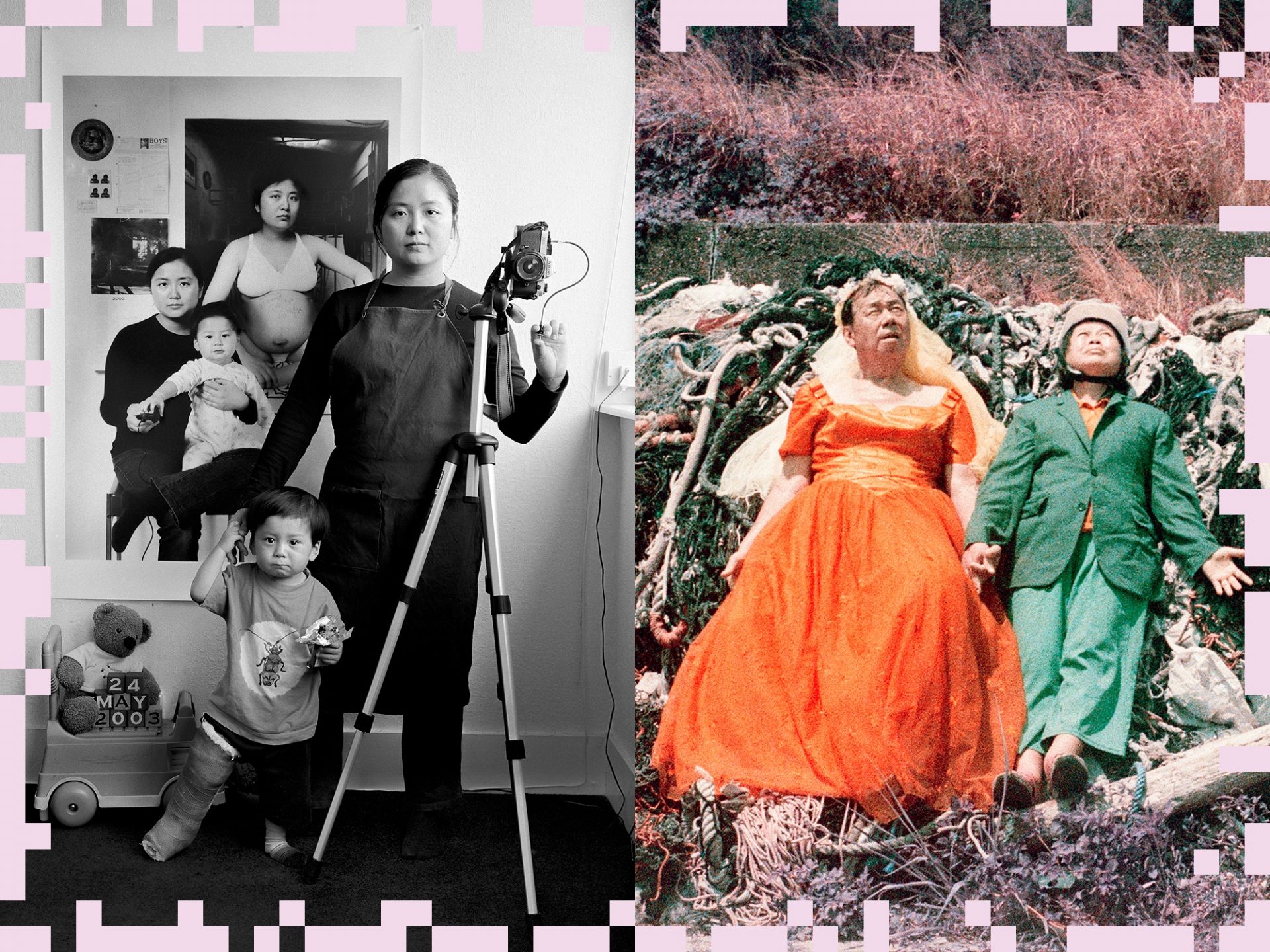
Drawing on the work of Liu Hsing Yu and Annie Wang, Family Times explores how family relationships are never fixed but continually reshaped by time, memory, care and changing social expectations. Both artists use photography to revisit intimate relationships across many years, treating time not simply as subject matter but as an active material within their practice.
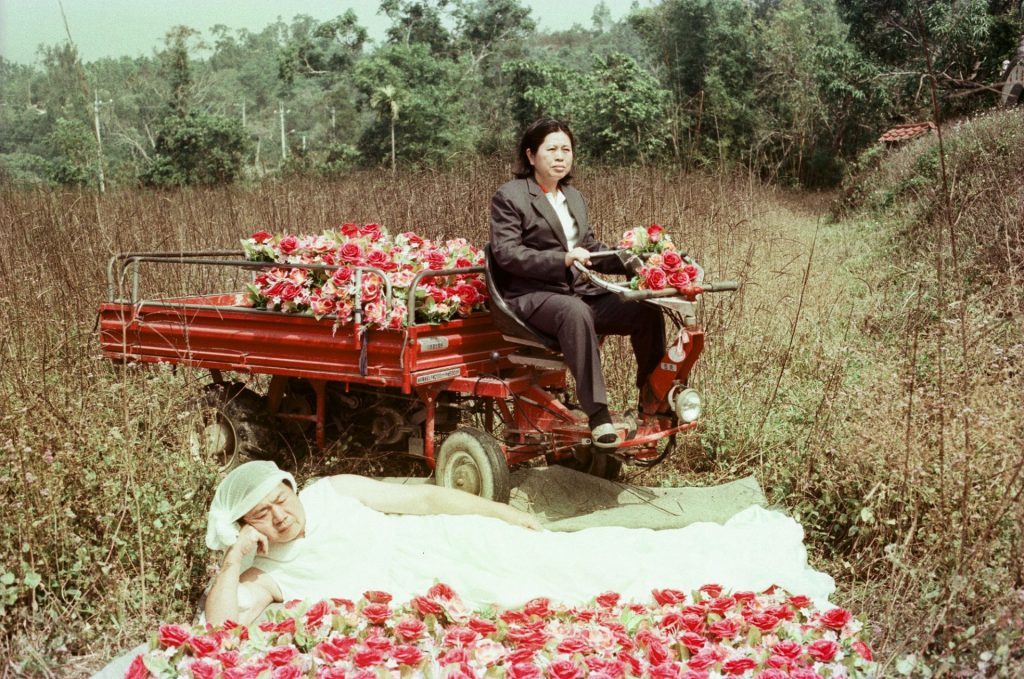
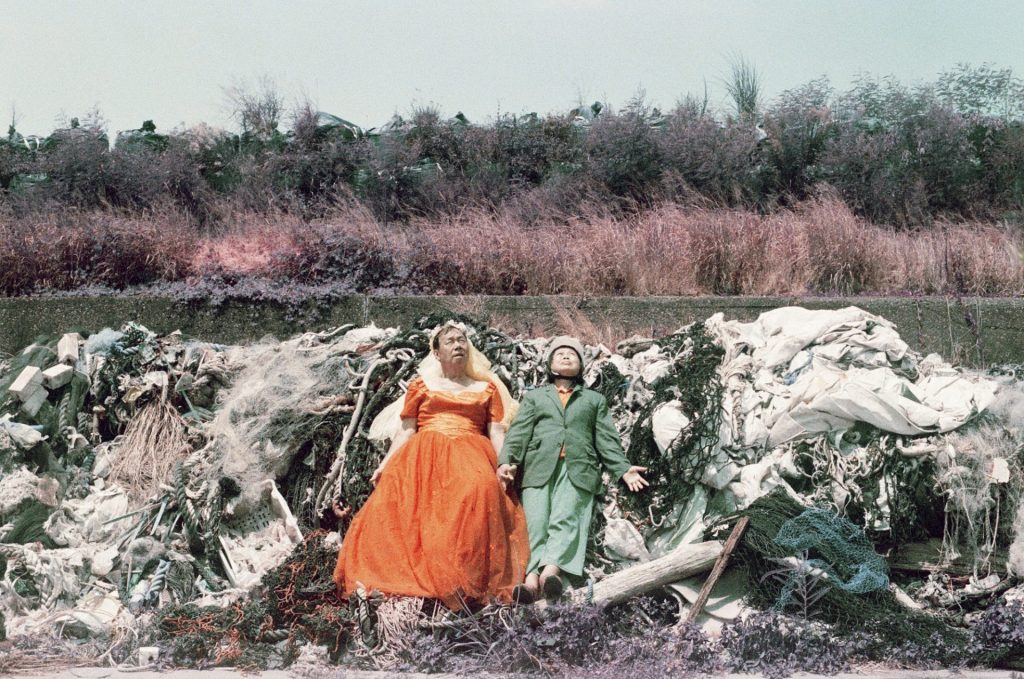
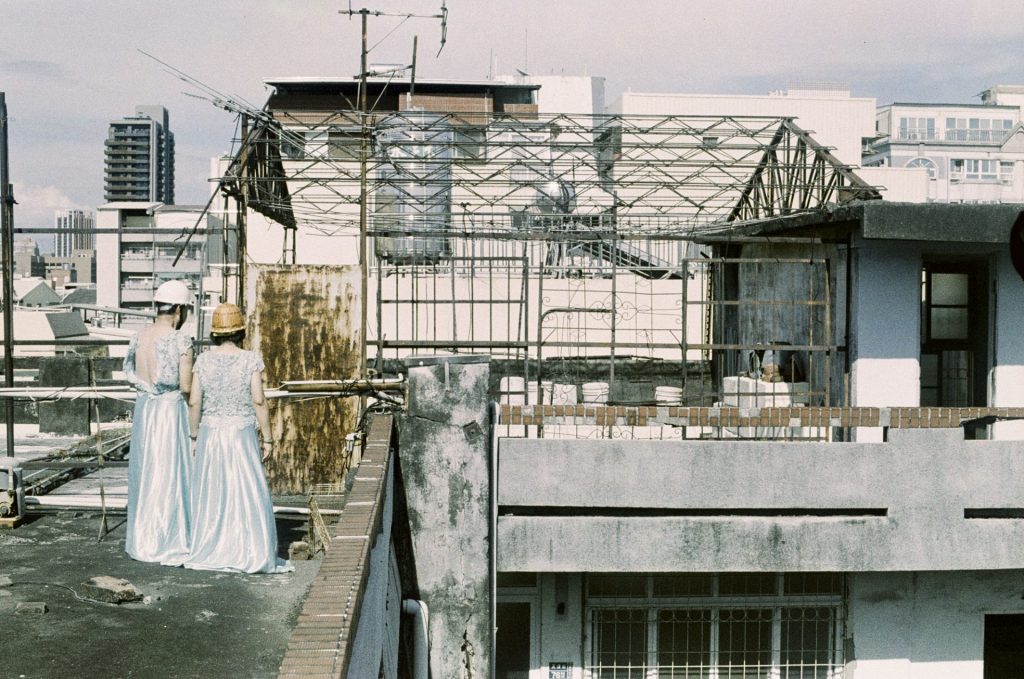
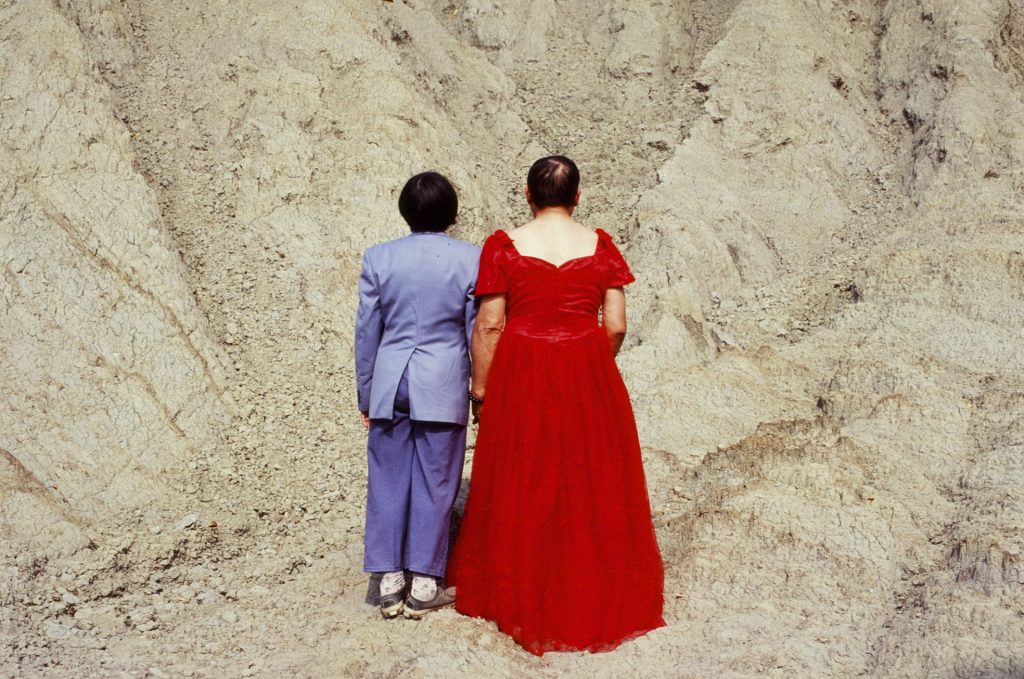
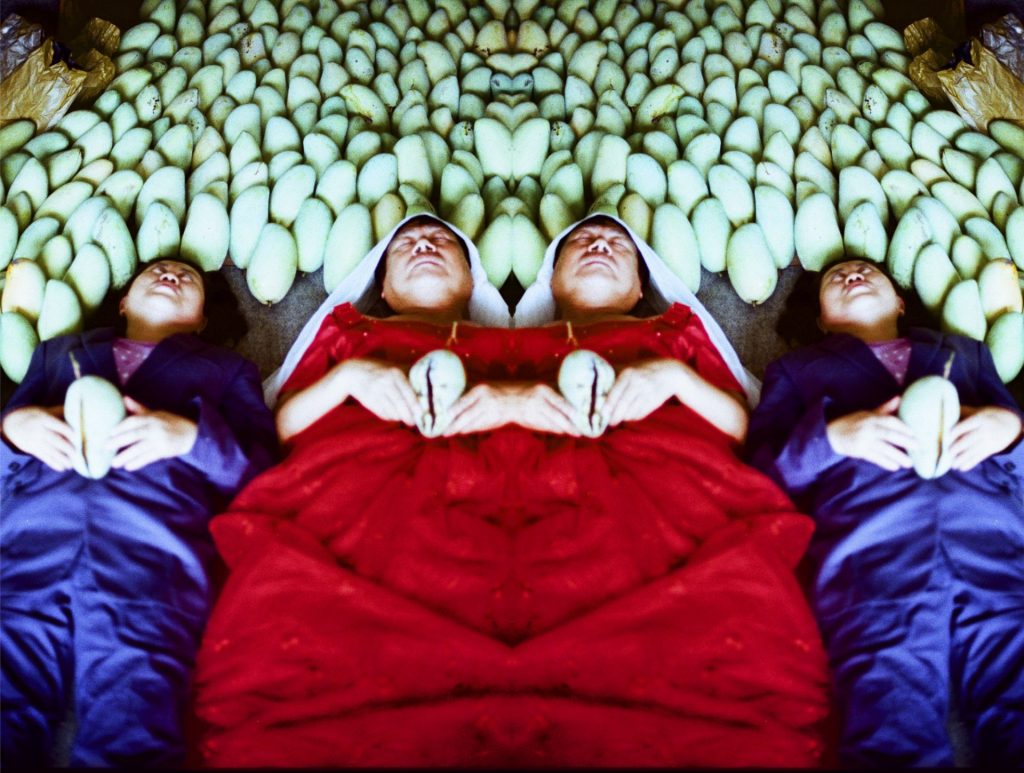
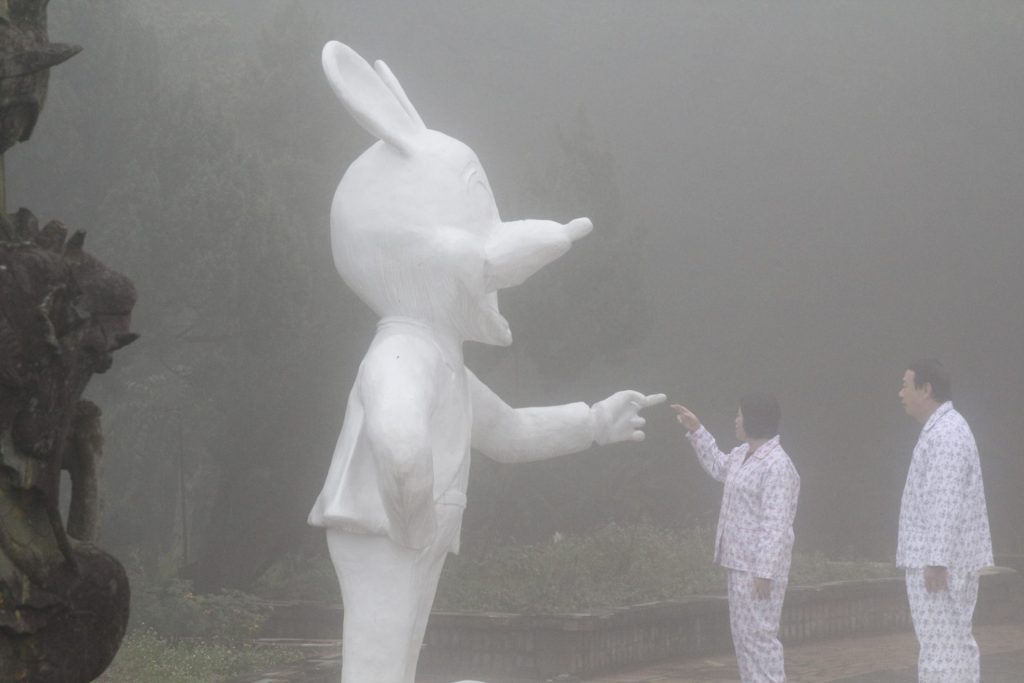
In 2009, while visiting his family in Kaohsiung, Taiwan, Liu Hsing Yu discovered his parents’ 1984 wedding photograph alongside the suit his father had worn for the ceremony. Recreating the image with his parents’ roles reversed—his mother in the suit and his father in a borrowed wedding dress—became the starting point for an ongoing series My Father and Mother. Liu went on to photograph his parents wearing one another’s wedding attire at the former homes of long-deceased relatives across rural Taiwan. These performative acts became a ritual through which he communicated the social transformations of contemporary Taiwan, including the legalisation of same-sex marriage and the growing visibility of LGBT+ communities, to his ancestors. At the same time, the project marked a deeply personal homecoming, allowing Liu to navigate his own coming out through a return to family history and ancestral landscape.
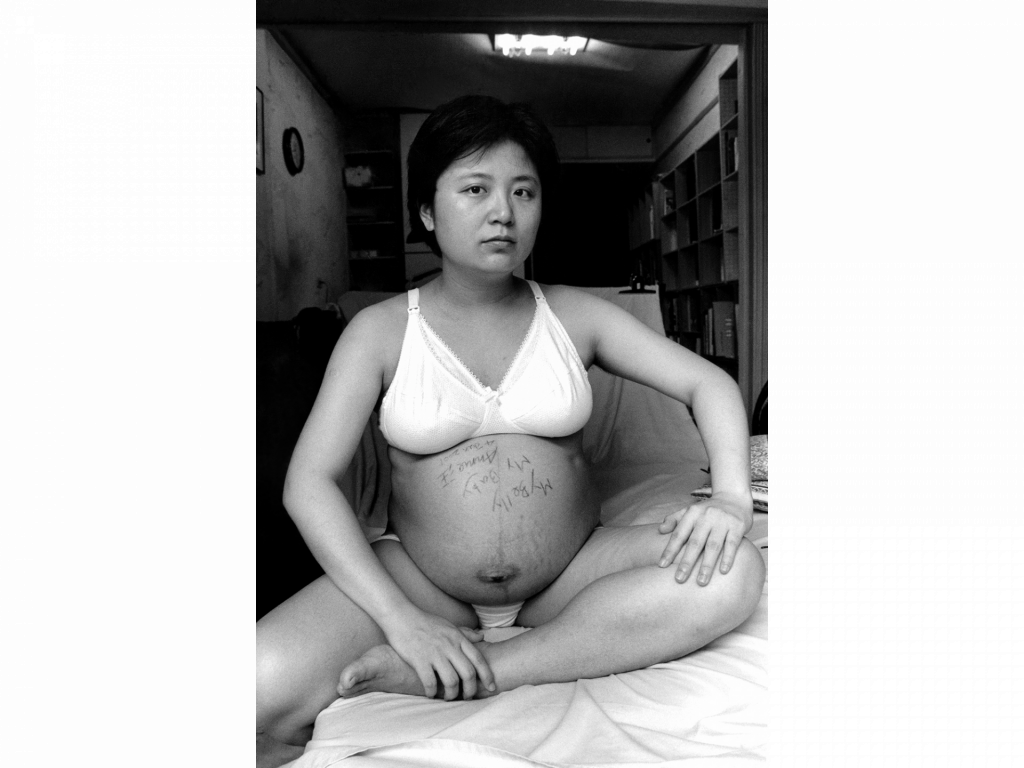
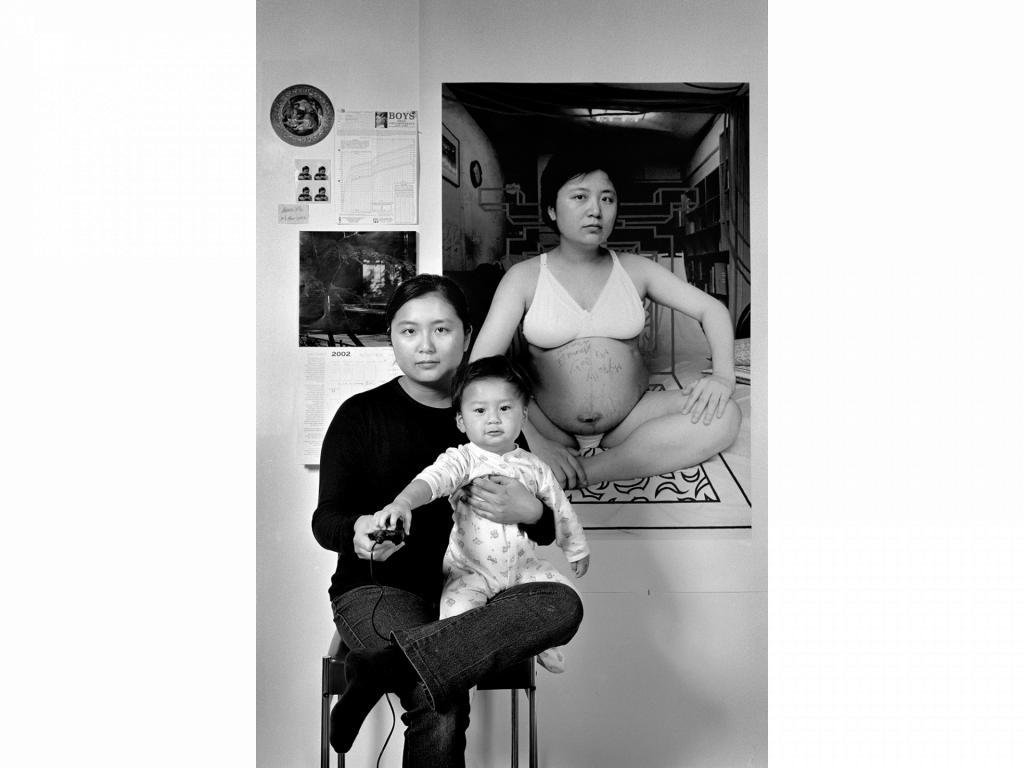
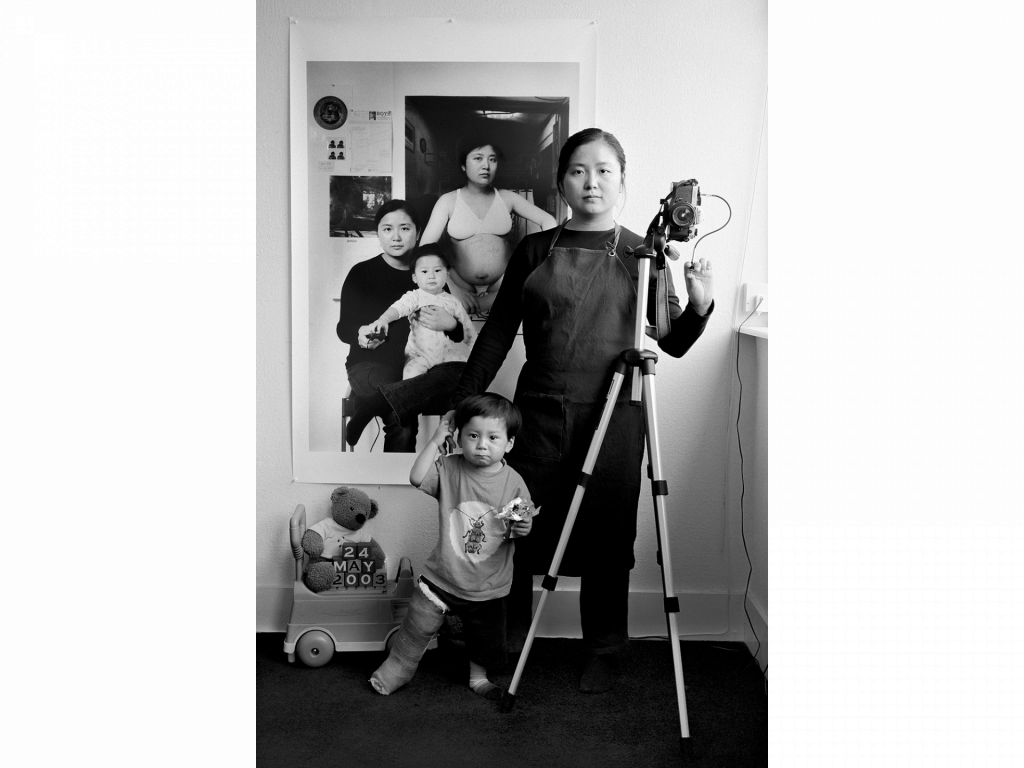
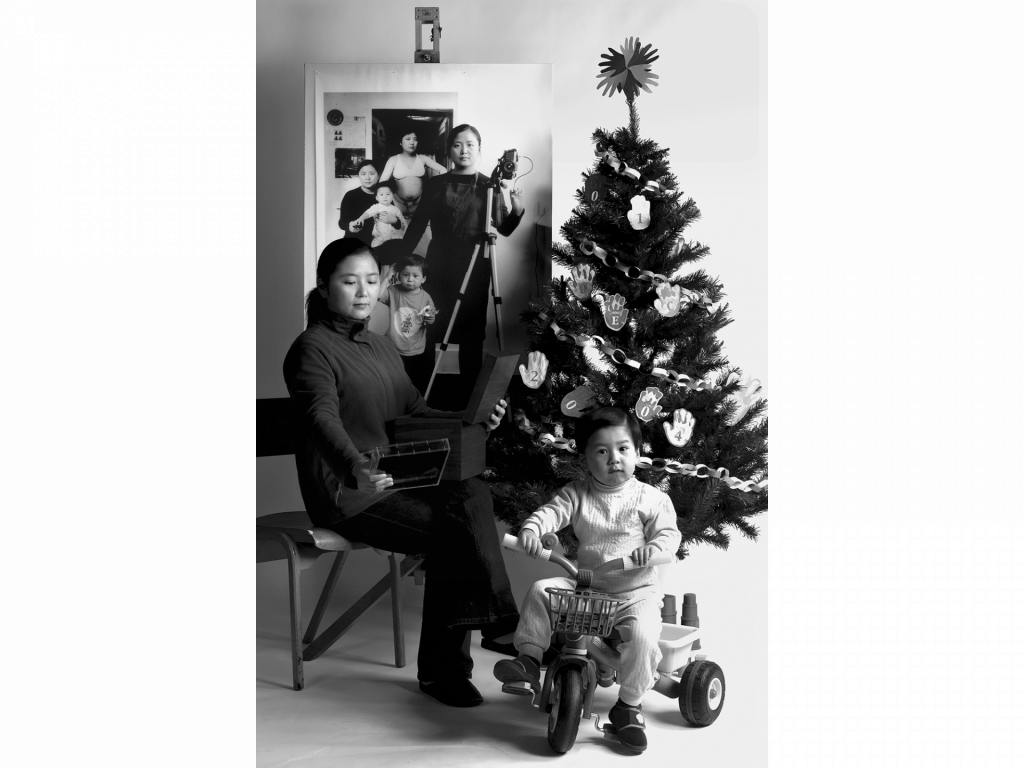
Annie Wang’s The Mother as a Creator (2001–present) offers a sustained meditation on motherhood over seventeen years. Each year, Wang photographs herself and her son before returning the following year to make another portrait in front of the previous image. As successive photographs accumulate, multiple moments in time collapse into a single image, producing what Wang describes as a visual “time tunnel”. Different versions of mother and child coexist, revealing motherhood not as a fixed identity but as an evolving relationship shaped by duration, intimacy and change.
Together, these two practices reveal family as both subject and method. Rather than presenting family as a stable unit, they foreground it as something continually remade through ritual, repetition and care. One work reflects on the changing relationship between parents and their child, the other on the evolving bond between mother and son. They offer complementary perspectives on kinship, identity and belonging, demonstrating how photography can make visible the slow, often imperceptible transformations that shape family life across generations.
Biographies
Liu Hsing Yu’s work centres on themes of gender, sexuality and human relationships with ecological environments, particularly in relation to Taiwan. For Liu, photography is a participatory medium that enables collaborations with others, working together to challenge conventional perspectives. Major international presentations include Centre Pompidou Paris (2019) and Kyotographie Japan (2025), where he was the recipient of the inaugural KG+Select Award. He was also nominated for the 2018 Taipei Arts Awards. Liu holds an MFA degree from the National Kaohsiung Normal University.
Annie Wang’s artistic practice focuses on issues of gender and the role of women within society. She has presented her work internationally, at festivals including: Images Vevey, Switzerland (2020), Daegu Photo Biennale, Korea (2021), Photo Australia (2022) and Paris Photo (2023). Her works are held in multiple permanent collections, including: the Museum of Fine Arts Houston (U.S.A), The J. Paul Getty Museum (Los Angeles, U.S.A), the George Eastman Museum (Rochester, U.S.A), Nelson-Atkins Museum of Art (Kansas City, U.S.A), the Harry Rison Center (Austin, U.S.A), The San Francisco Museum of Modern Art (SFMOMA) (San Francisco, U.S.A) and Tainan Museum of Art (Taiwan). She is also the director of the Cing Tien Art Space and an Assistant Professor at National Hong Dwa University (Taiwan).
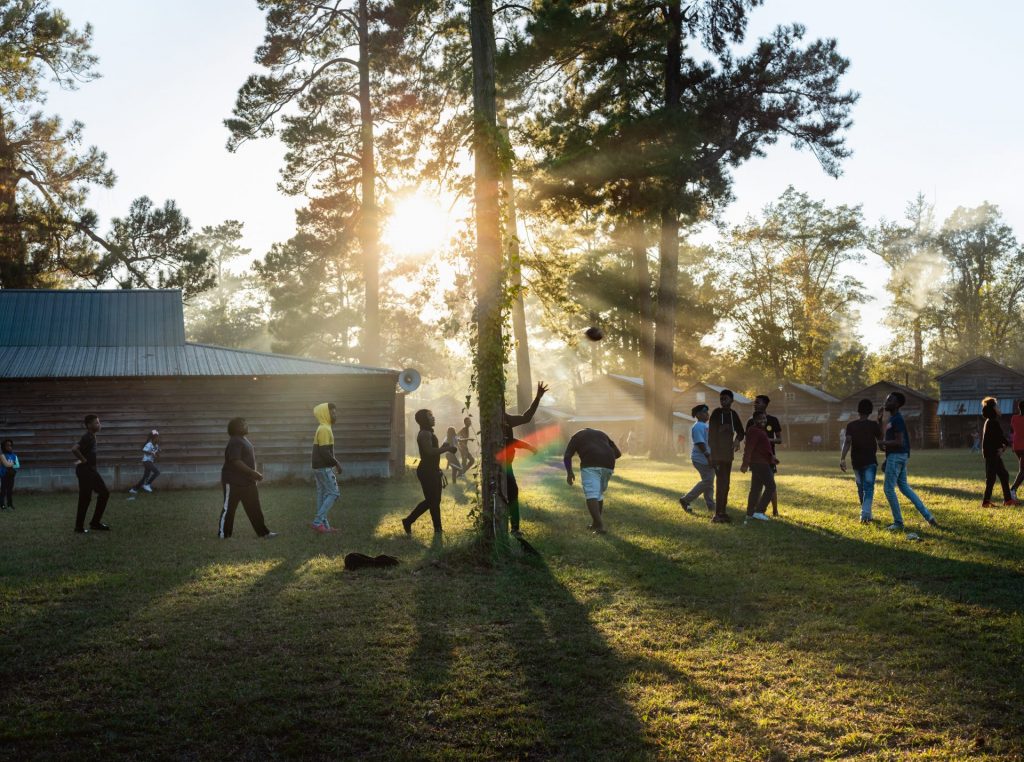
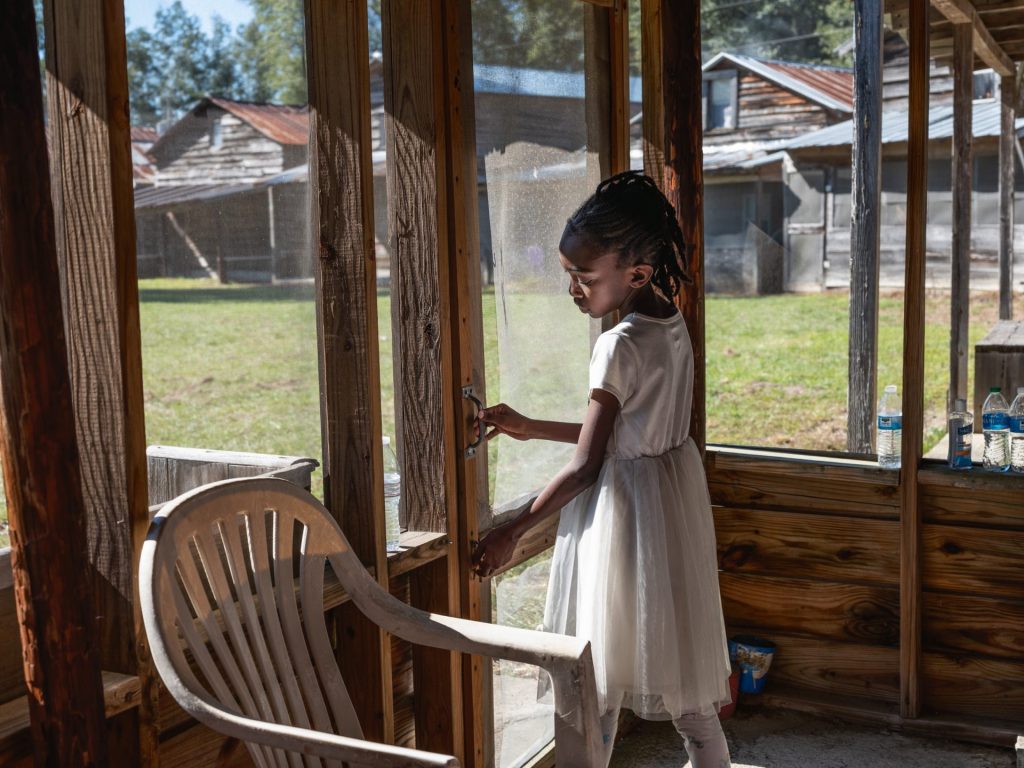
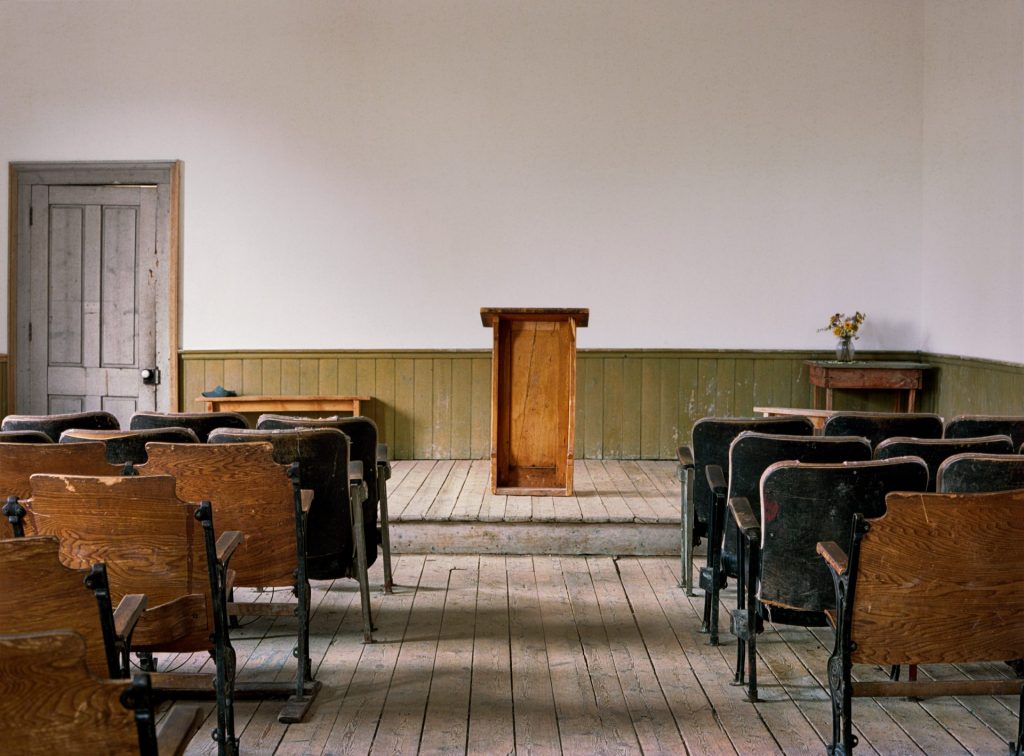
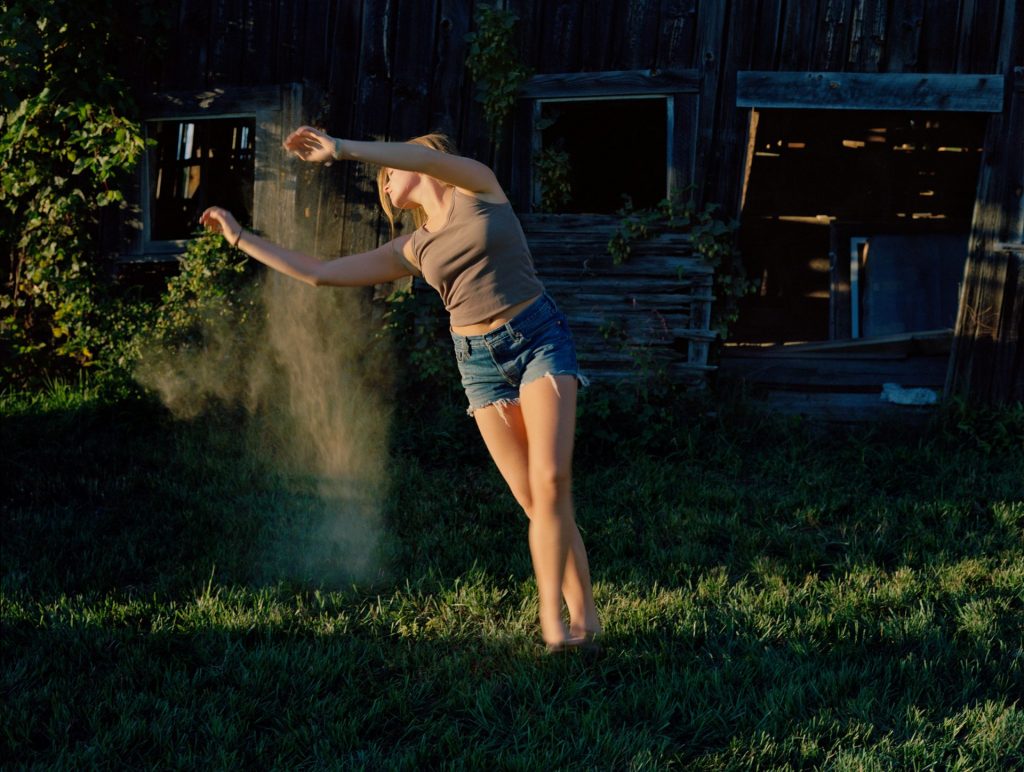
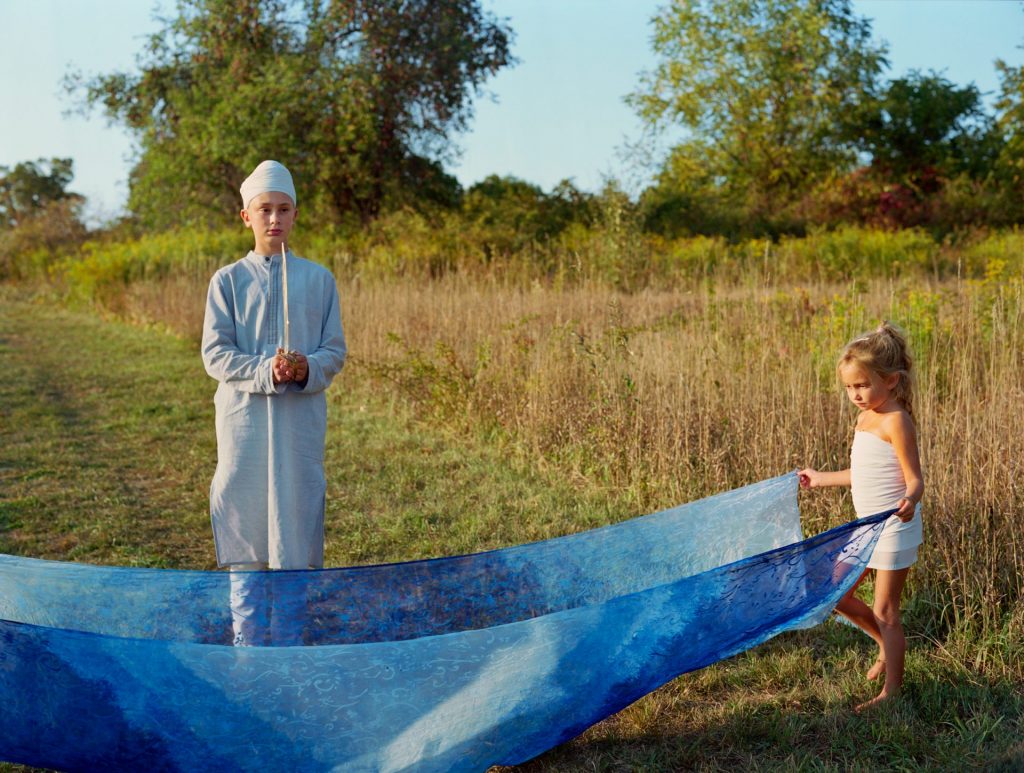
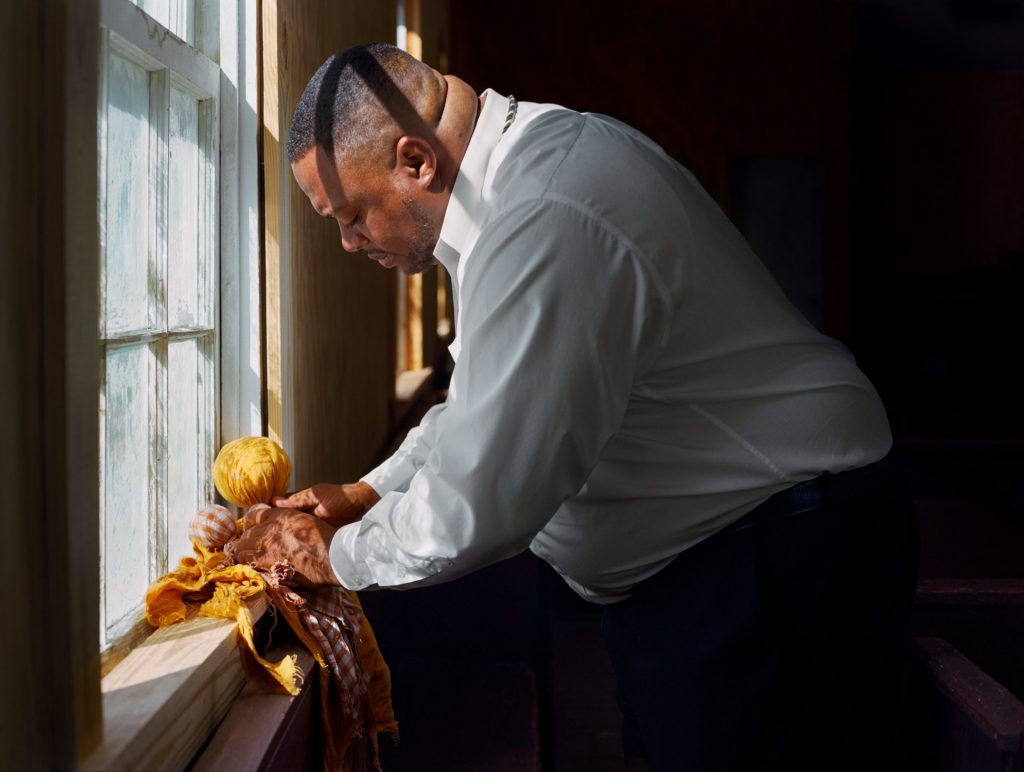
For twenty years, Holly Lynton has explored the intersections of faith, history, labour, and landscape within rural communities in the United States. Through evocative imagery and profound human connection, her ongoing project Beyond the Bounds (2019-present) explores the universal threads of faith – religious and secular – to unveil the intricate interplay between history, ritual, and the spaces where people seek solace. The series is a sustained and meditative enquiry that presents a rare glimpse into both collective and individual acts of faith.
A slow, collaborative approach, allows Lynton to revisit communities over a period of years and build trust and relationships with those she photographs. On view are a series of images made at annual Methodist camp meetings in South Carolina, a tradition begun 200 years ago as a part of the Second Great Awakening, and a collection of secular expressions of internal faith. Lynton’s work invites reflection into the deeper sentiments that underpin certain communities. She presents scenes that seem at odds and out of time with contemporary portrayals of American society in the news media.
Holly Lynton was the winner of the Bristol Photo Festival Open Call in 2024 in collaboration with Hapax Magazine.
Biography
Working across photography, writing and archival research, Holly Lynton documents contemporary rituals rooted in history, examining how cultural memory shapes the ways images are seen and understood. Her work has been exhibited internationally, including at the Nelson-Atkins Museum of Art, Kansas City; the Yale University Art Gallery; and the Zimmerli Art Museum at Rutgers University, New Jersey. Her first monograph, Bare Handed, was published by L’Artiere Edizioni in 2022. Lynton has received numerous awards, including an Aaron Siskind Individual Photographer’s Fellowship, the Archive of Documentary Arts Collection Award at Duke University, and a Massachusetts Cultural Council Fellowship. Her work is held in major public collections, including the Yale University Art Gallery, the Nelson-Atkins Museum of Art, the Museum of Modern Art Library, the Metropolitan Museum of Art Watson Library, Tate Library, the Archive of Documentary Arts at Duke University, the Center for Creative Photography at the University of Arizona, and the Zimmerli Art Museum at Rutgers University. She lives and works in rural Massachusetts.
“There are certain places which the fairies have power over at night and if anybody goes into them after dusk, he cannot come out until morning though he may be walking all night.” — Irish National Folklore Collection
Stray Sod investigates the phenomenon of the same name in Irish folklore: enchanted patches of earth that will lead astray anyone who steps on them. Inspired by first-hand accounts preserved in the Irish National Folklore Collection, Maria Lax reimagines rural Irish landscapes through this otherworldly lens.
The stories describe instances in which individuals are forced to navigate a world characterised by sudden shifts into unfamiliarity and strangeness. A world in which established reference points distort and slip away, causing great distress to those experiencing it. Stray Sod draws timely parallels between these historic stories and the destabilising effects of today’s fast-changing political and technological environment.
“Many of the stray sod accounts seem to take place during periods of great change, such as a time of grieving, but can be equally seen as a metaphor for depression, addiction, shifting political landscapes or rapid technological advancements that have the power to completely upend our lives. They are stories about becoming lost; about the invisible realities that can change our lives overnight, and the unknown landscapes through which we must travel.”
Biography
Maria Lax is a Finnish photographer and director based in London. Her work draws on folklore, beliefs and the otherworldly; themes that flow effortlessly into her work.
Her commercial portfolio includes collaborations with leading brands such as Apple, Channel 4, Vogue Italia, Chanel, Virgin Records and Samsung. Her first directing commission was a multi-award winning Channel 4 ident, and since then she has been nominated for the Young Director Award in Cannes (2025), and for the Creative Circle’s Most Promising Commercial Director Award (2025).
Maria’s work has been exhibited in more than fourteen countries and was recently featured in the Taylor Wessing Photo Portrait Prize at the National Portrait Gallery. She has published two sold-out photobooks, Some Kind of Heavenly Fire (Setanta Books, 2020) and Taken by the Tide (Nazraeli Press, 2023). Her third book, Stray Sod, exploring Irish folklore, will be published in 2026.