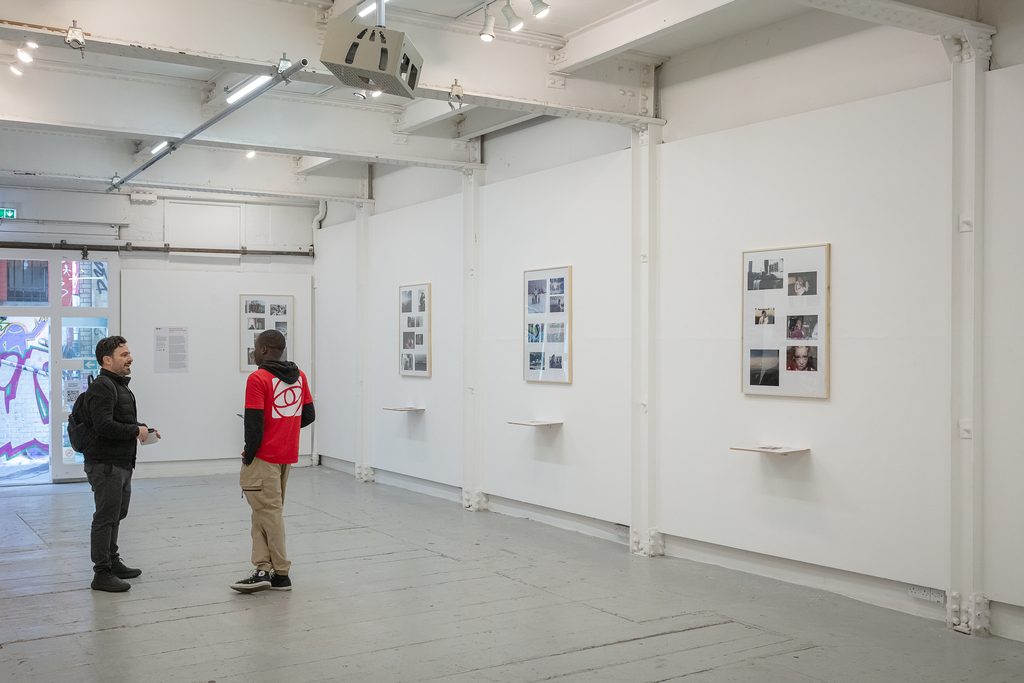
The third edition of Bristol Photo Festival will run from Thursday 14th October – Sunday 15th November. While opening times will vary, all independent exhibition venues will be open Thursday-Sunday, 12-6pm. These venues include: IC Visual Lab, Kit Form, Centre Space, and The Welcome Centre
We are looking for a volunteer coordinator to help manage the day-to-day running of our four independent venues. Typical tasks could include:
Running 1-2 training sessions with prospective volunteers, helping them to understand their responsibilities.
Creating a volunteer rota and sharing this with the volunteers.
Establishing and managing a volunteer whatsapp group.
Ensuring that exhibition venues are opened and closed every day (Thursday-Sunday). This could involve managing security practicalities including venue keys.
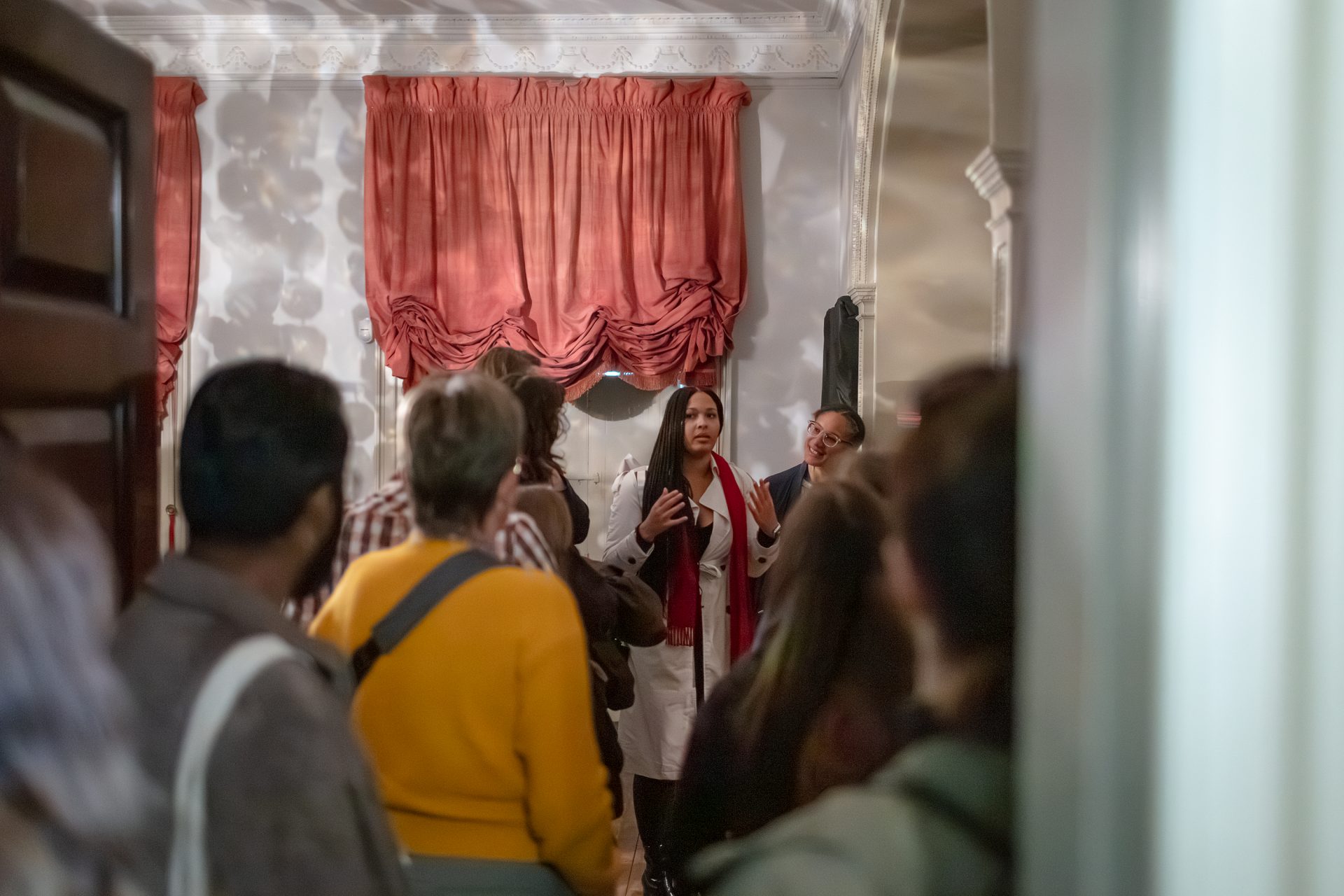
Invigilating exhibitions where required, including welcoming audiences and leading impromptu tours.
Ensuring that all venues are well stocked with exhibition maps and merchandise.
Taking donations using the festival’s digital payment system.
Recording visitor numbers to be sent to the wider festival team.
Creating social media posts about the exhibition, to be shared by the festival team.
About you
We’re looking for an enthusiastic, well-organised and sociable individual to join our team. It doesn’t matter if you haven’t worked for a festival before; we’re interested in hearing how your experience will help you to fulfil the role. We are particularly looking for the following skills and experience:
Reliable and well-organised, including an ability to work independently.
Excellent communication skills and an ability to talk to any member of the public.
An ability to problem-solve and find solutions to everyday work problems.
A keen interest in photography, visual culture and contemporary social issues.
If you believe that you are the right person for this role, we want to hear from you.
Job details
The job is a fixed-term contract for the duration of the festival. You must be available to work as follows:
2 x days per week through the first half of October (4 days total), helping to recruit and train volunteers.
4 x days per week (Thursday-Sunday) throughout the duration of the festival (Thu 15th Oct – Sun 15th Nov)
Salary: £12.72 per hour
How to apply
Please send a cover letter and CV to engagement@bristolphotofestival.org
Please use the cover letter to outline how your experience to date enables you to meet the 4 bullet points listed under ‘About You’ above.
The deadline for applications is Tuesday 15thSeptember at 5pm.
Friday 16th October, 8pm. Arnolfini Auditorium. Doors Open 8pm
To mark the opening of Bristol Photo Festival 2026, please join us for a special live-show by three of Bristol’s most compelling musical artists, all of whom will be performing alongside projections of rarely-seen photography and film projects drawn from across the wider festival. The line up will include:
Jabu (+ Memotone)
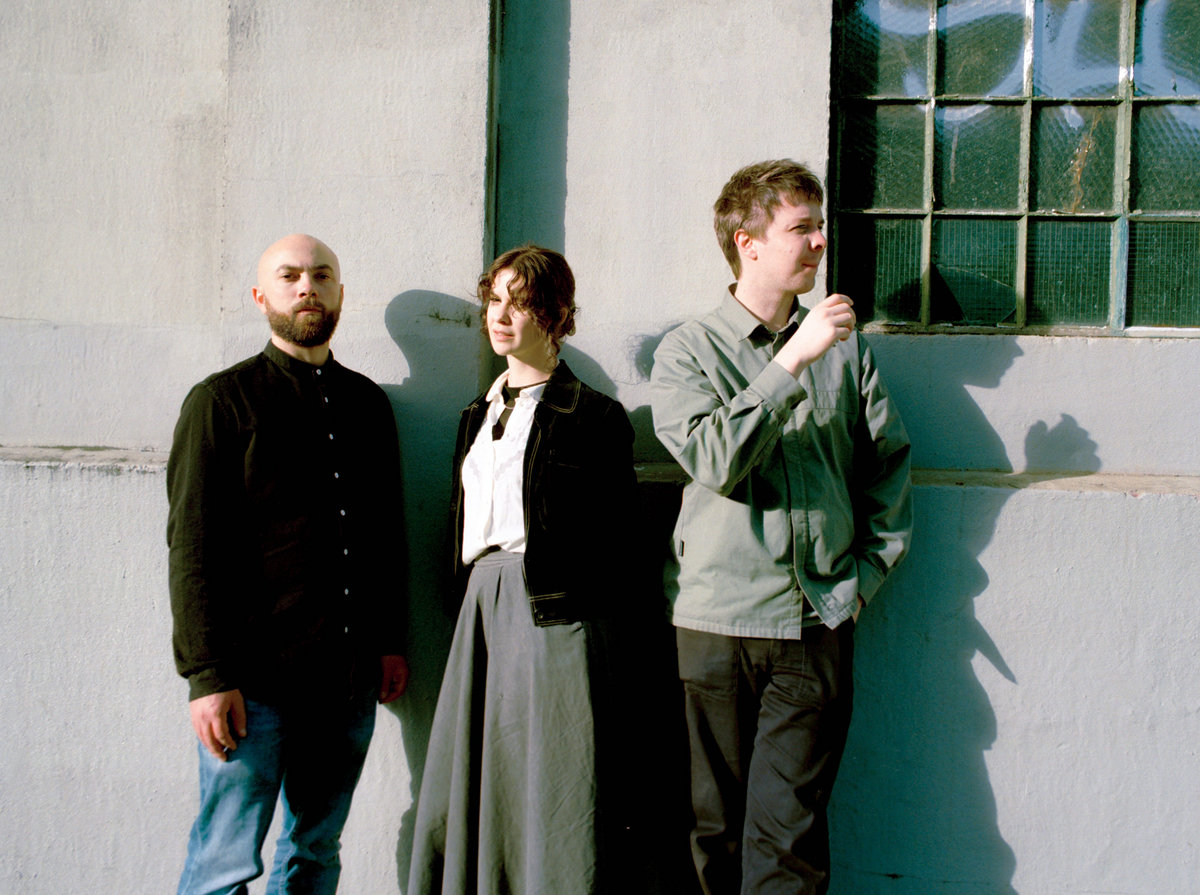
Bristol’s favourite nocturnal trio, Jabu join the dots between dreampop and experimental music, paying close attention to the city’s musical roots. Composed of producer Amos Childs, alongside vocalists Alex Rendall and Jasmine Butt, together the trio create hazy atmospheres that evoke half-memories and gut feelings. There is a shimmer to their sound, an iridescent pulse of beauty and power that runs through all they do. Jabu will be joined on the night by all-round instrumentalist and improviser, Memotone.
Dan Johnson & Anushiye Yarnell
As a percussionist and performance artist, Dan Johnson is one of the most sought after musicians in the city, valued for his work as an improviser. He has previously collaborated with figures including Maggie Nicols, Moor Mother, Dali de Saint Paul, Valentina Magaletti, Pat Thomas and others. On the night, Dan will be joined by Anushiye Yarnell, an interdisiplinary dance and performance artist, whose work explores the space where dreaming meets ordinary life.
Regina Collage
Regina Collage is Ukrainian avant-pop artist based in Bristol, who experiments with synthesizers and sounds inspired by outsider-rock, krautrock and synth-pop. Repetitive and primitive melodies blend with airy nostalgic vocals, noise and bass guitar.
TICKETS
Tickets are available via our partner Headfirst. Early Bird tickets are £10. As the event approaches, tickets will increase to £15. Buy early to avoid disappointment.
If you are a current University of the West of England you will receive a 40% discount off full-price tickets. A valid student ID will be required upon arrival at the symposium.
Volunteer with Bristol Photo Festival 2026 – Time Machine
Want to be part of this year’s festival?
We’re looking for enthusiastic, sociable volunteers to help welcome visitors, invigilate exhibitions and share the festival programme across Bristol from 14 October–15 November 2026.
No previous festival experience needed. Help us make this year’s festival an unforgettable one.
Get ready for the third edition of Bristol Photo Festival, taking place across the city this autumn. The festival will take place from 14th October – 15th November, including a wide array of exhibitions and live events, this edition explores how time loops and folds, from echoes of the past to dreams of worlds to come.
We’re looking for enthusiastic and sociable volunteers to join our team. As a volunteer you’ll play an essential role, invigilating exhibitions, welcoming visitors and sharing your knowledge of the programme. You will be right in the middle of the action, helping to make the festival an unforgettable experience.
It doesn’t matter if you’ve never volunteered at a cultural festival before – we welcome everyone with a willingness to get involved. Each shift will be 4-6 hours in length. The minimum volunteering commitment will be 5 shifts across the festival.
In return for your time and support, we’ll offer you discounts on festival activities as well as an invitation to participate in the volunteer meet-up and some of our social events.
We understand you might have questions before you commit. Feel free to email us at engagement@bristolphotofestival.org with any inquiries. Otherwise, please fill out this form to register your interest and availability. Once you do, we’ll get in touch to arrange a volunteering schedule and discuss further details about your role.
Opening Week: 14–18 October 2026 Festival exhibitions run until 15 November 2026
Bristol Photo Festival has announced the exhibition programme for its third edition, Time Machine. Opening this autumn, with the opening week from 14 – 18 October 2026, the Festival introduces nine major exhibitions and a landmark historical exhibition across Bristol’s leading museums, galleries, art centres, historic buildings and independent spaces.
Joy Gregory: Catching Flies with Honey 17 Oct 2026 – 7 Feb 2027 Arnolfini 16 Narrow Quay, Bristol, BS1 4QA In collaboration with Arnolfini, exhibition originated by Whitechapel Gallery
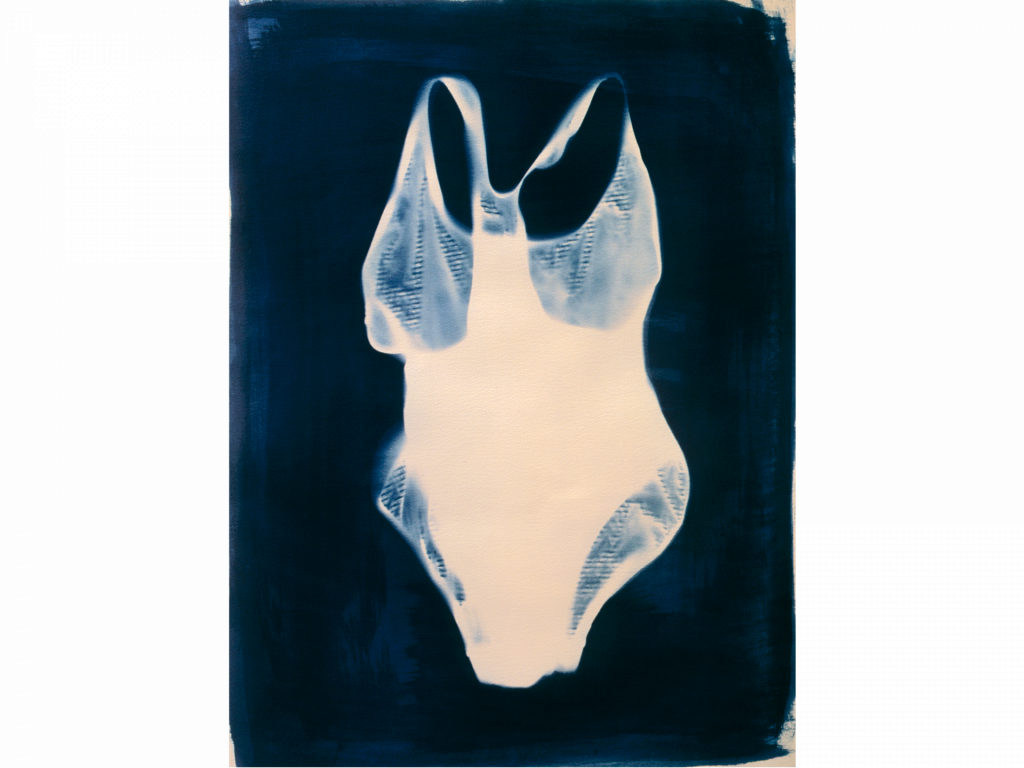
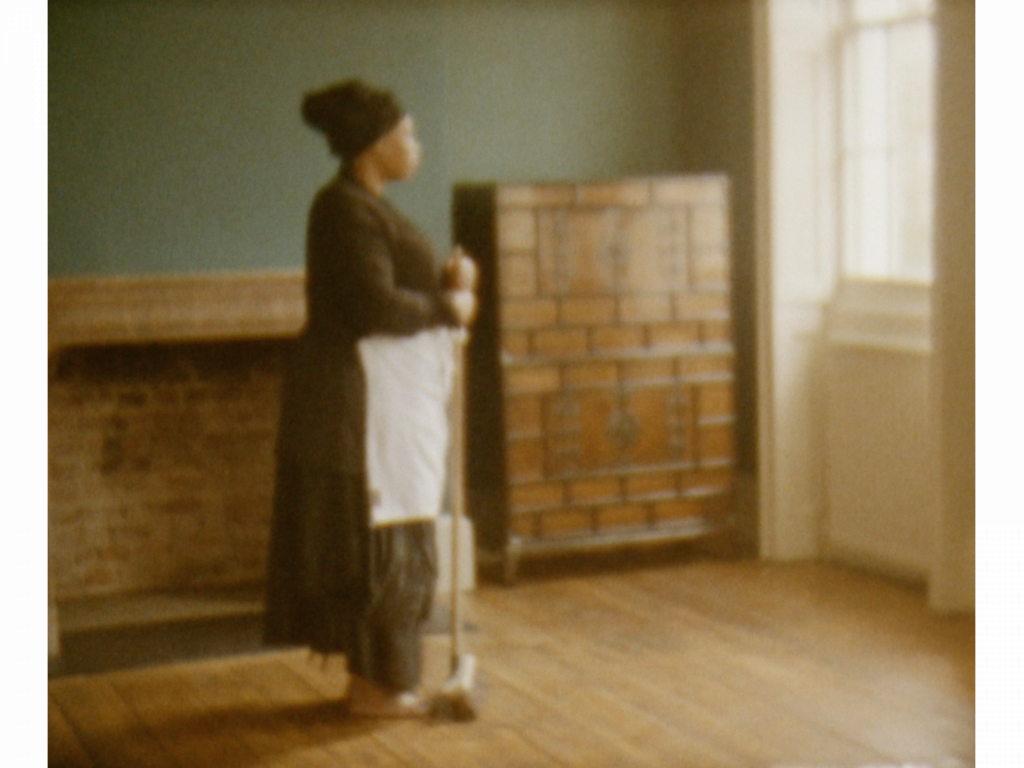
Presented across Arnolfini’s galleries, Catching Flies with Honey brings together over 150 works spanning four decades and is the first major survey of Joy Gregory’s work. Through photography, film, installation and textiles, Gregory explores identity, history, race and beauty, using diverse processes—from Victorian photographic techniques to digital media—to examine how power shapes societies and collective memory.
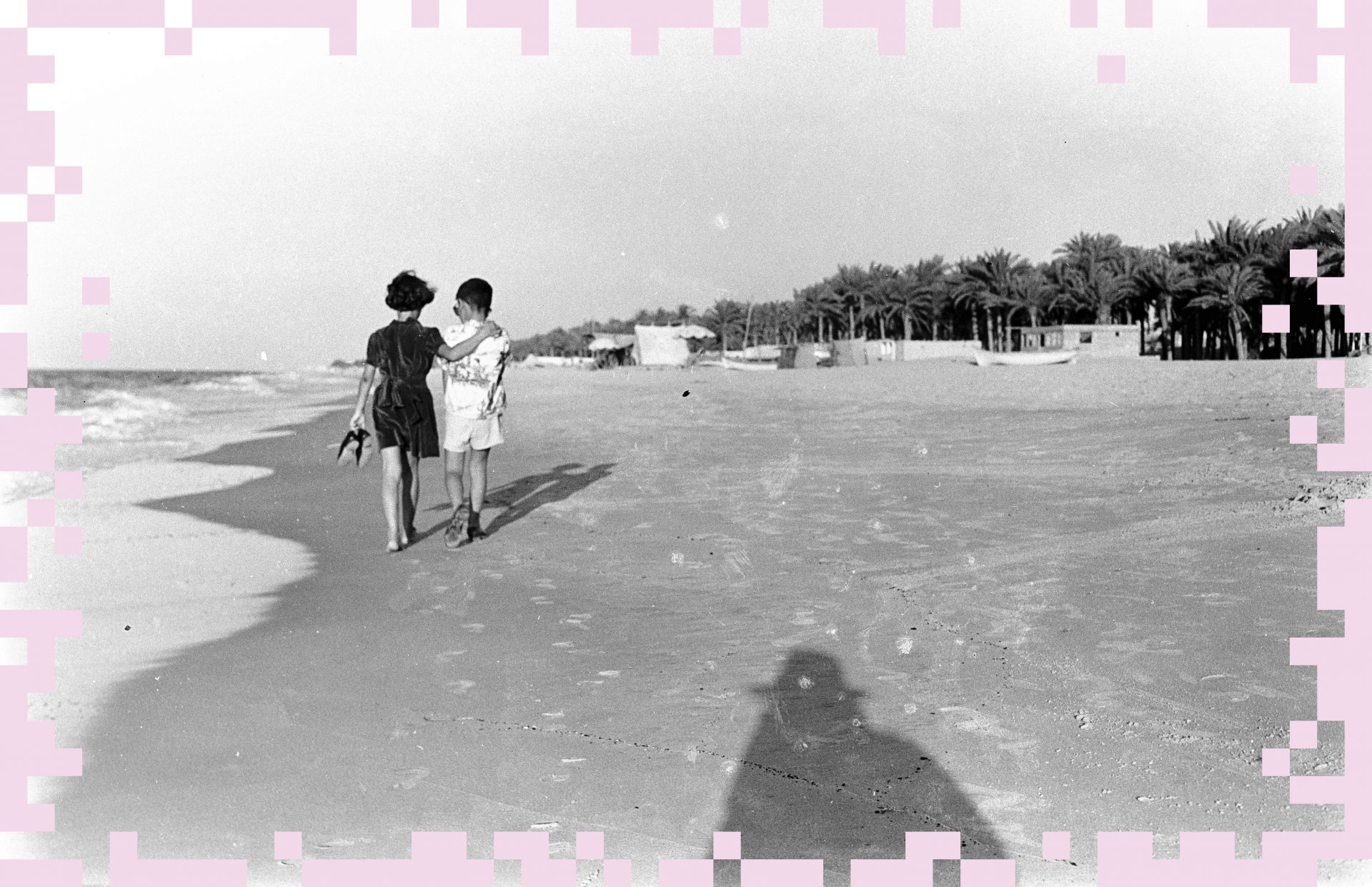
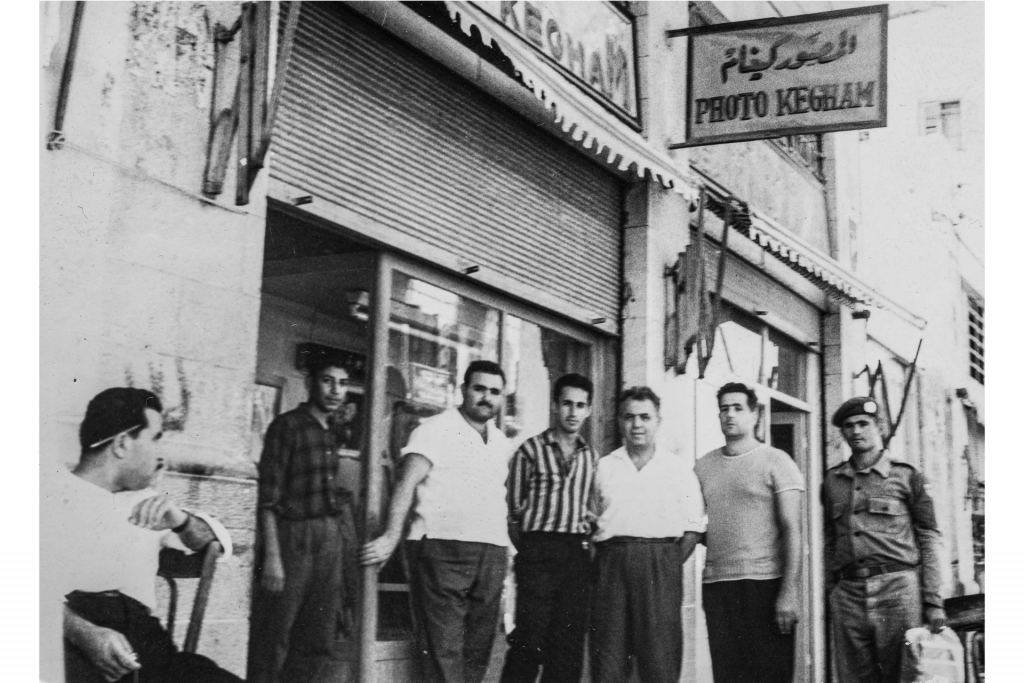
Photos by Kegham Djeghalian Sr. Courtesy of Kegham Djeghalian Jr
Photo Kegham by Kegham Deghalian Jr. 16 Oct to 15 Nov 2026 Albion Dockside, Bristol, BS1 6XT In collaboration with Photopia (Cairo, Egypt), supported by the British Council
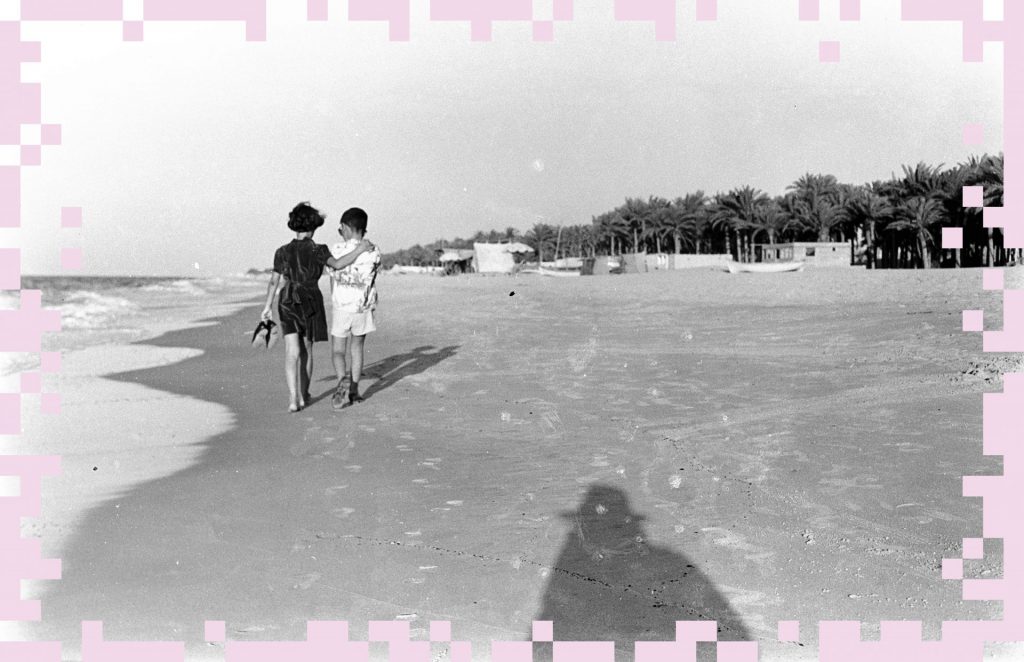
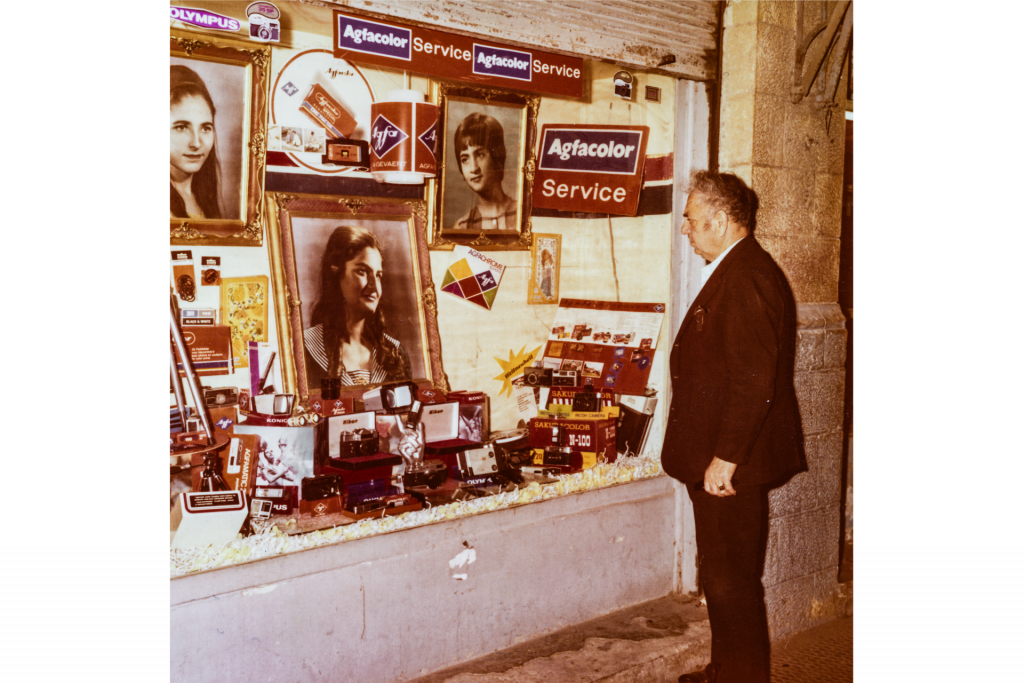
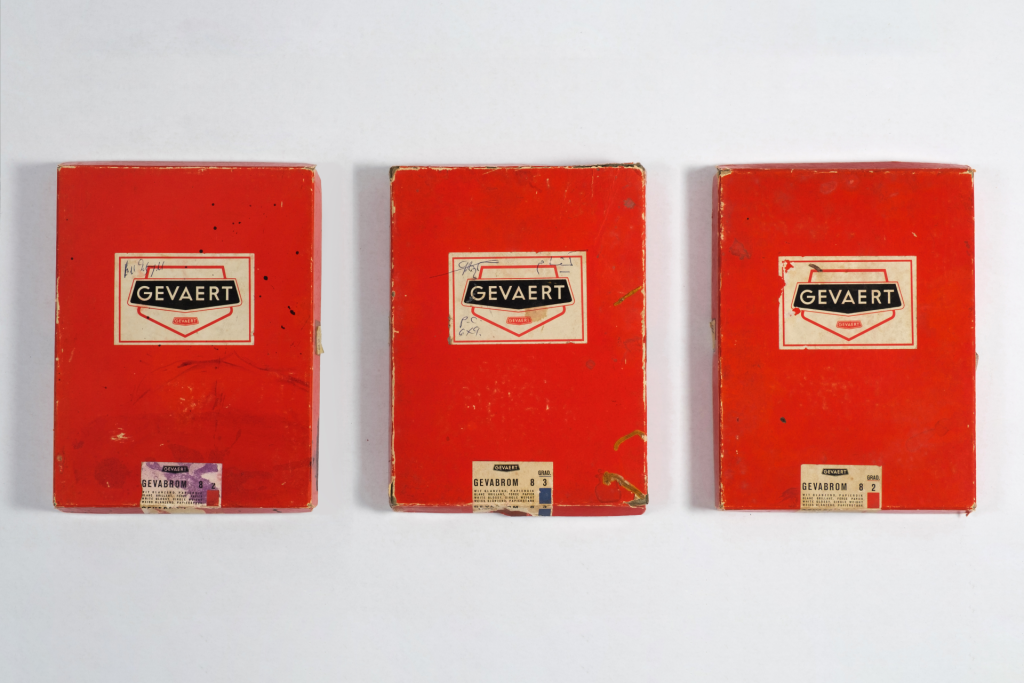
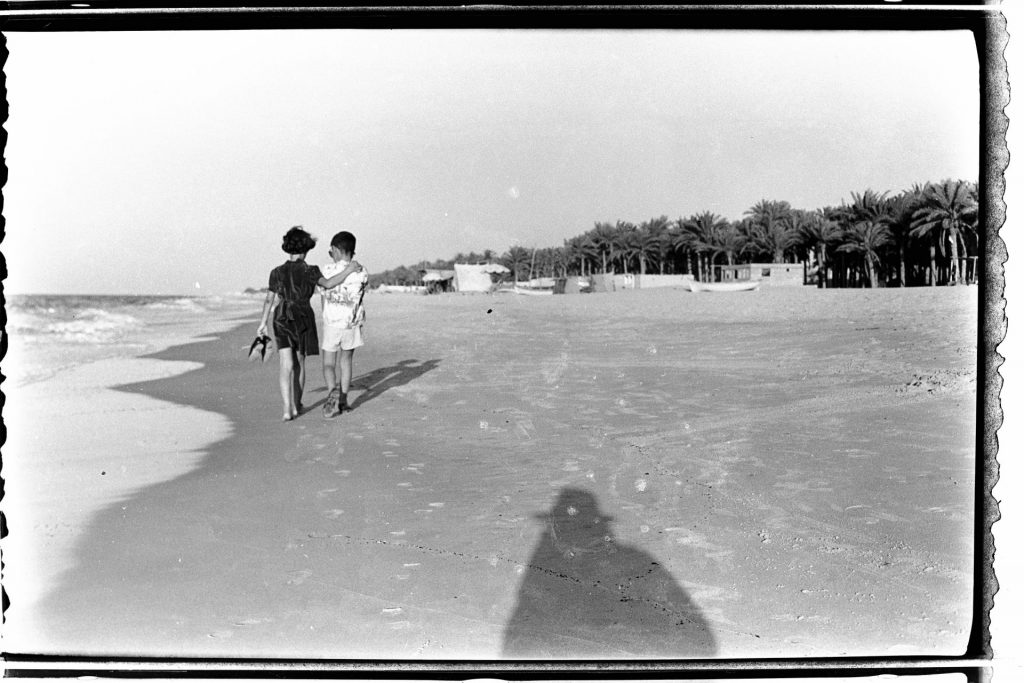
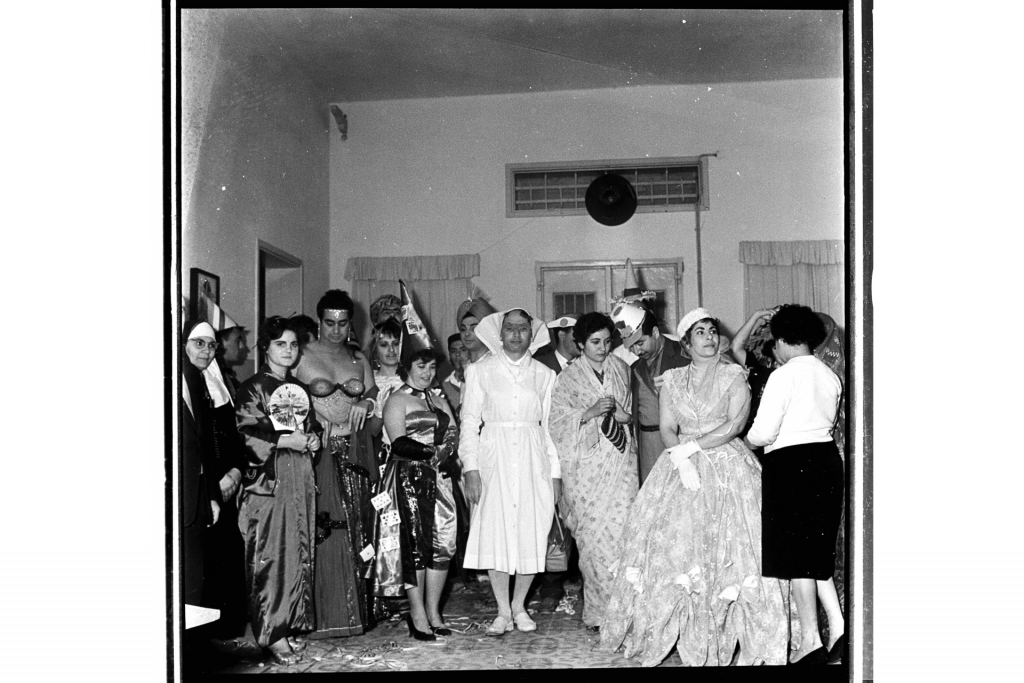
Founded in Gaza in 1944 by Armenian genocide survivor Kegham Djeghalian Sr, Photo Kegham was the city’s first commercial photography studio, documenting everyday Palestinian life through decades of upheaval. Although much of the archive has been lost, three surviving boxes of photographs, now cared for by his grandson Kegham Djeghalian Jr, preserve a rare visual history of Gaza. Bringing together these images and archival materials, the exhibition traces family memory while challenging dominant narratives of a place the artist can no longer physically return to.
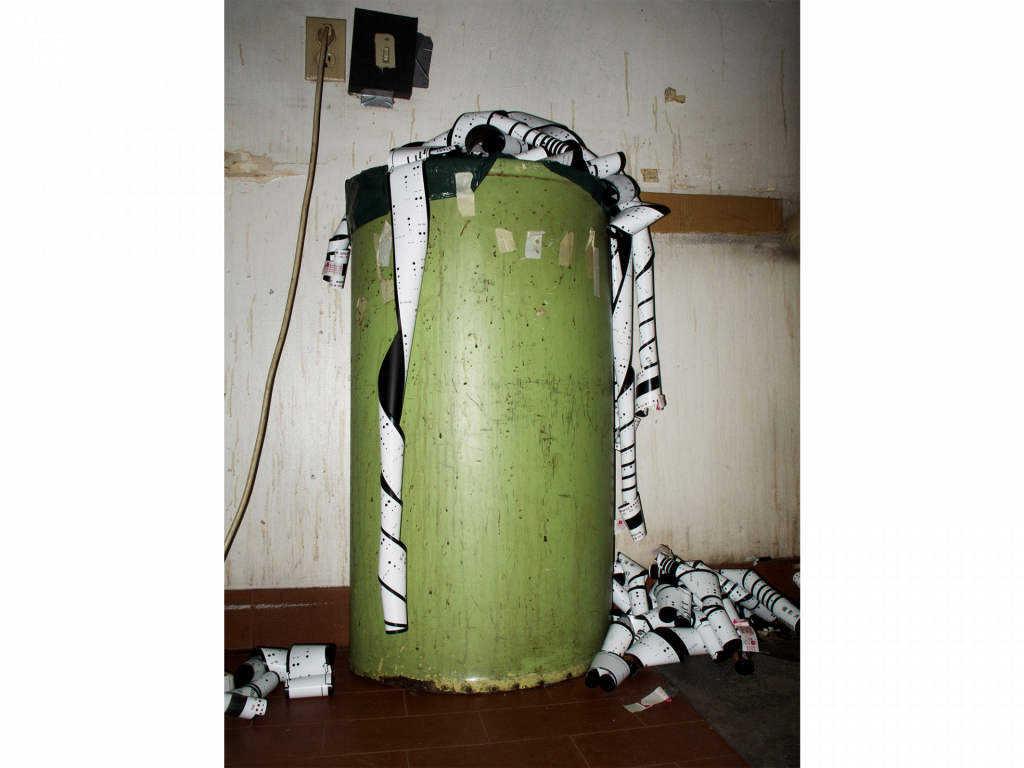
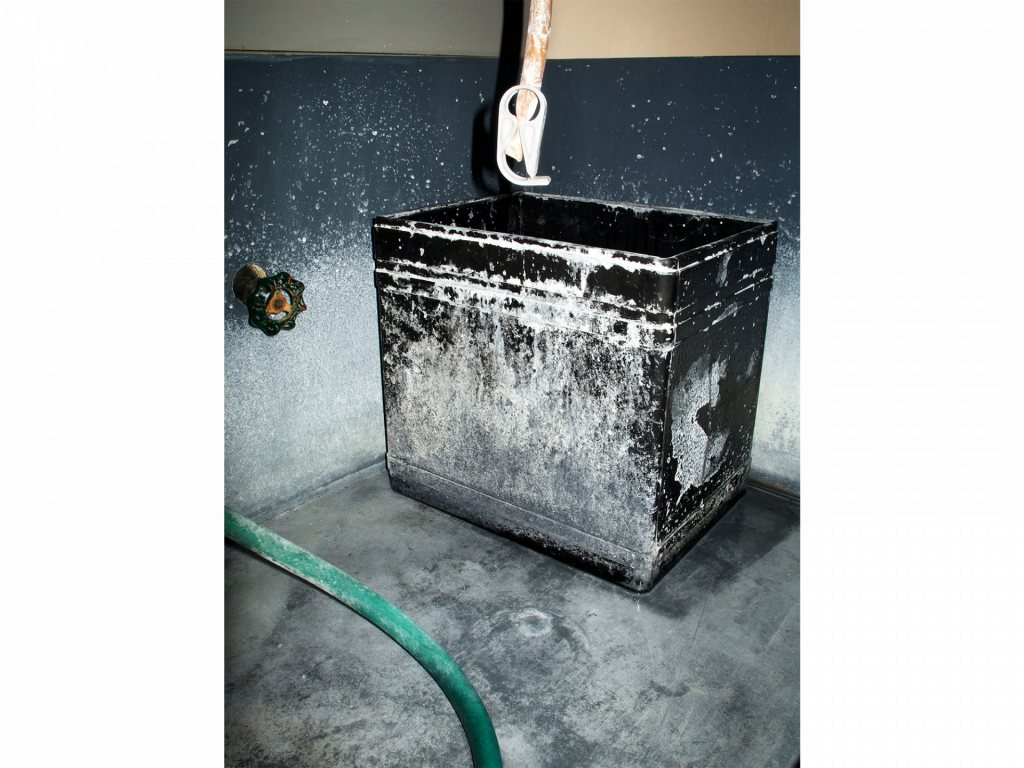
Darkroom by Michel Campeau 17 Sept – 20 Dec 2026 Arnos Vale Cemetery Bath Rd, Arno’s Vale, Bristol, BS4 3EW In collaboration with Martin Parr Foundation
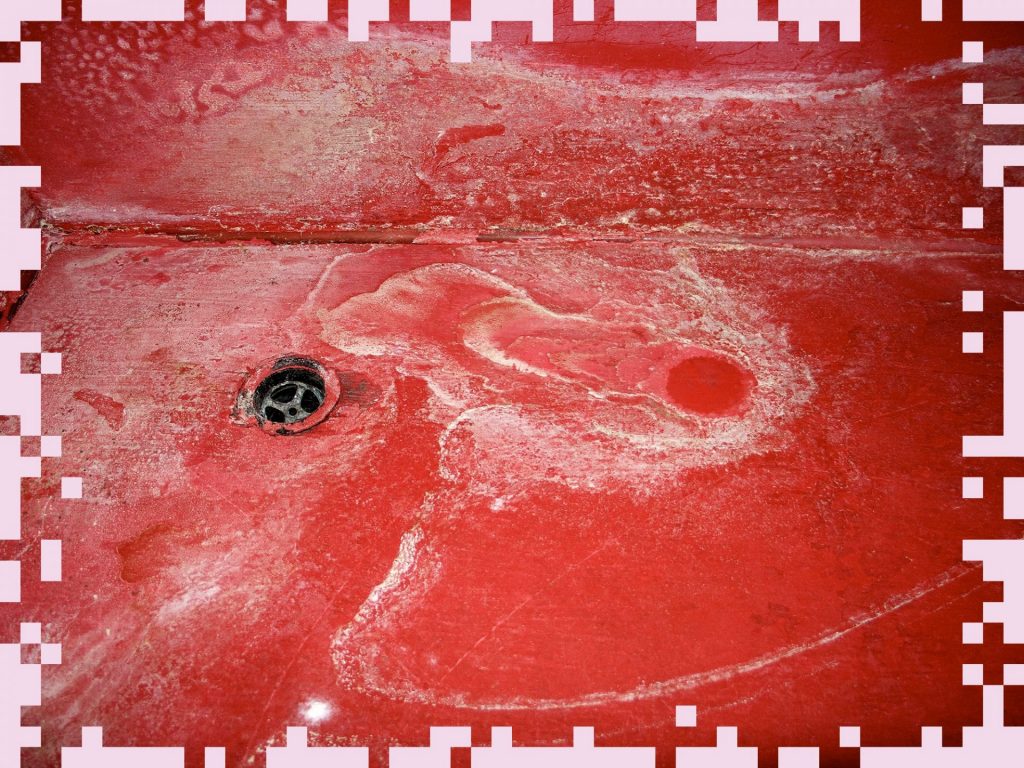
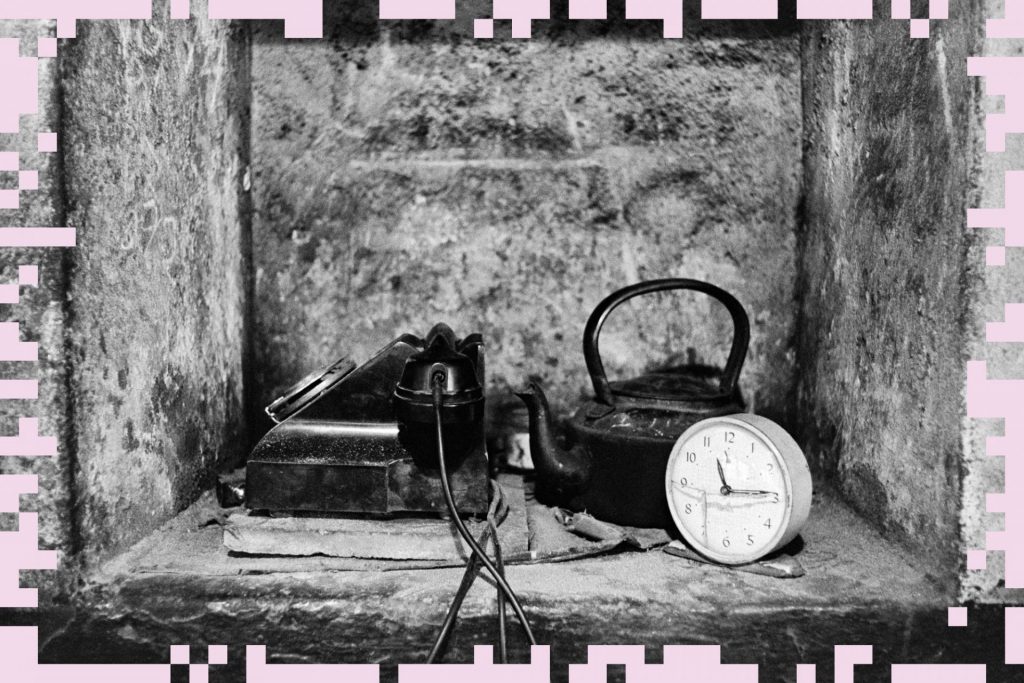
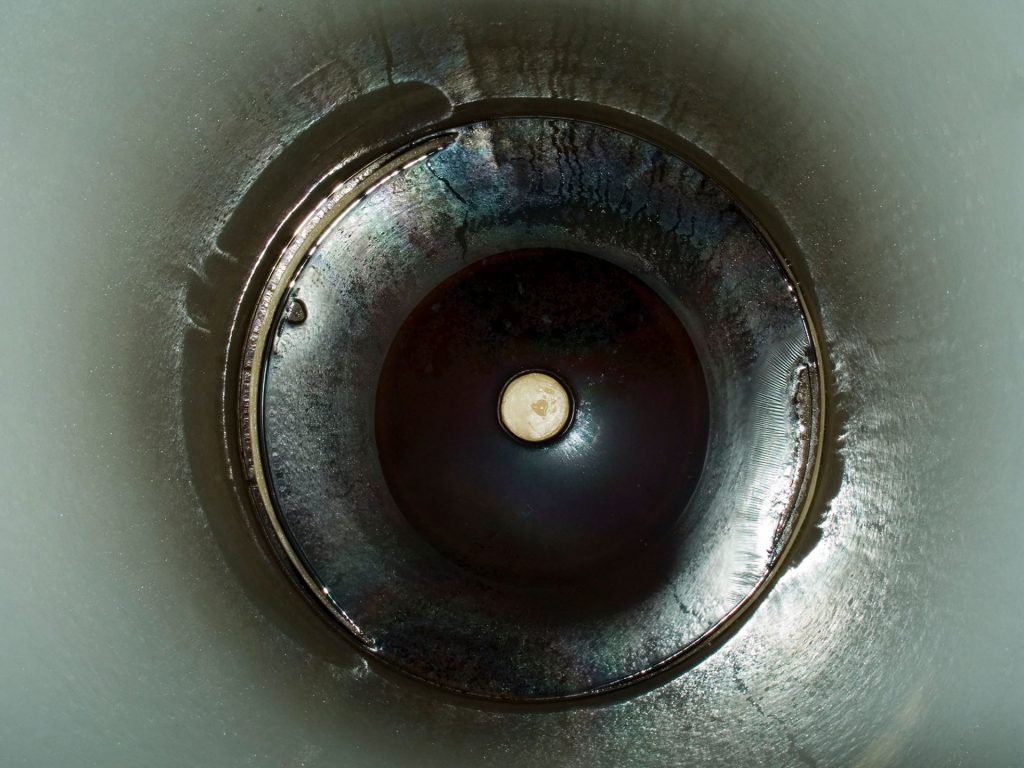
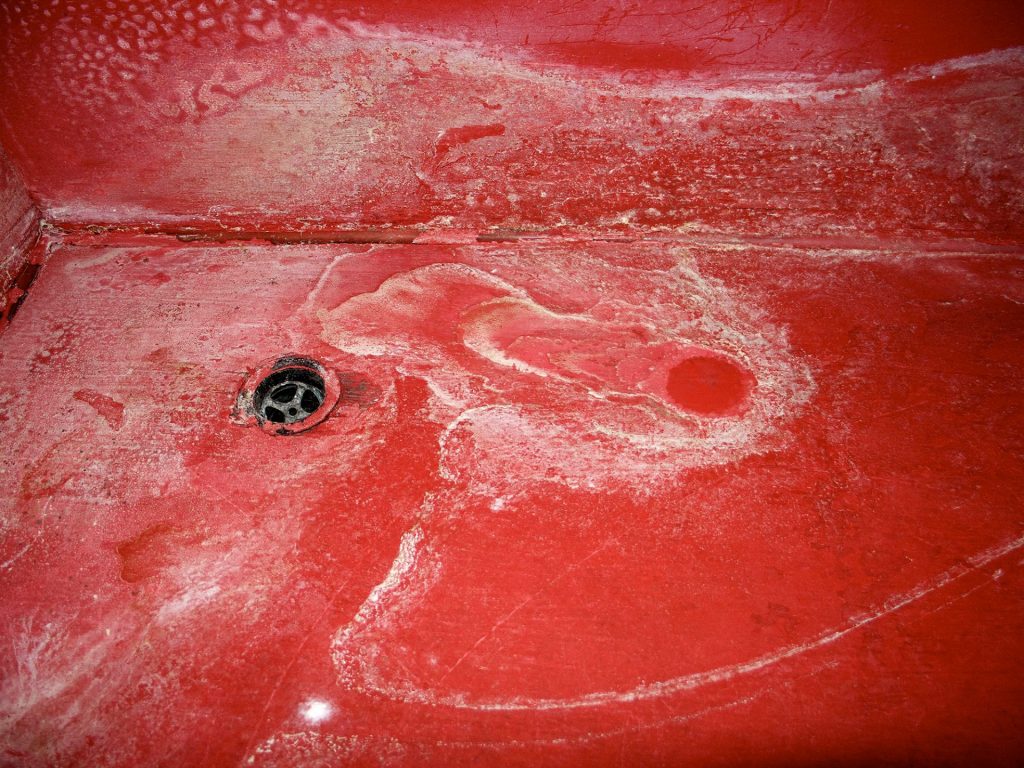
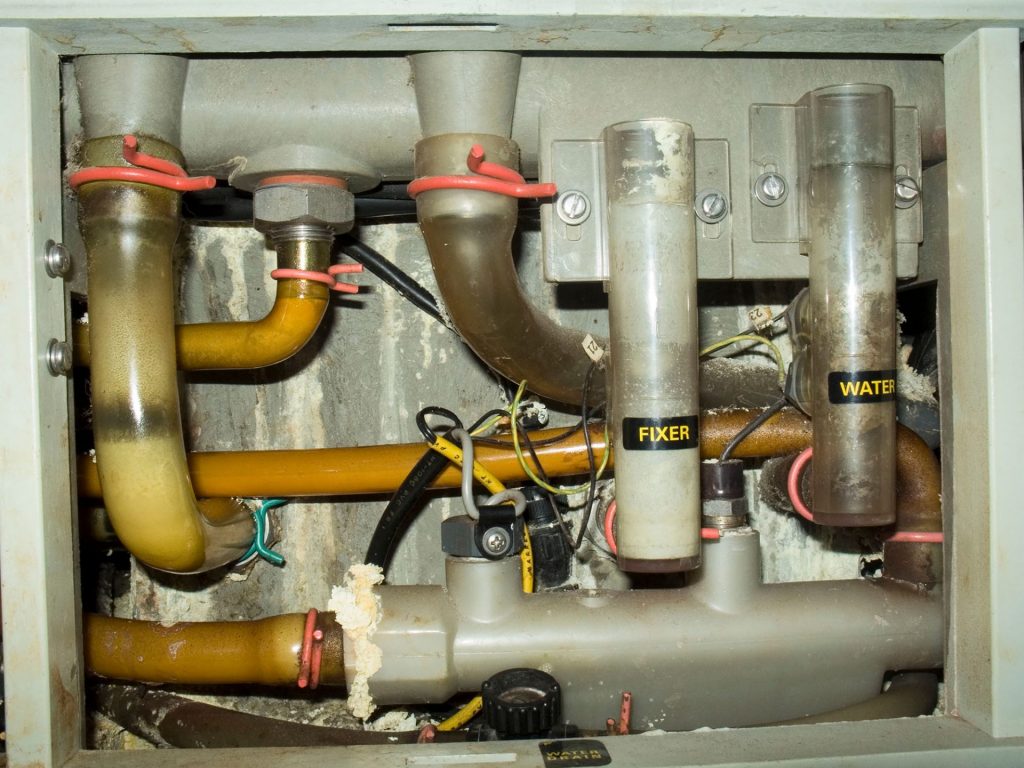
Since 2005, Michel Campeau has documented photographic darkrooms as they disappear in the wake of digital photography. Once essential spaces of image-making, these workplaces are reimagined as sites of ritual, labour and memory. Photographed with a digital camera and direct flash, the series avoids nostalgia, instead revealing the worn surfaces, improvised repairs and handwritten notes that bear witness to the tactile processes of analogue printing. Darkroom reflects on the material culture of photography and the traces of human labour embedded within its disappearing spaces.
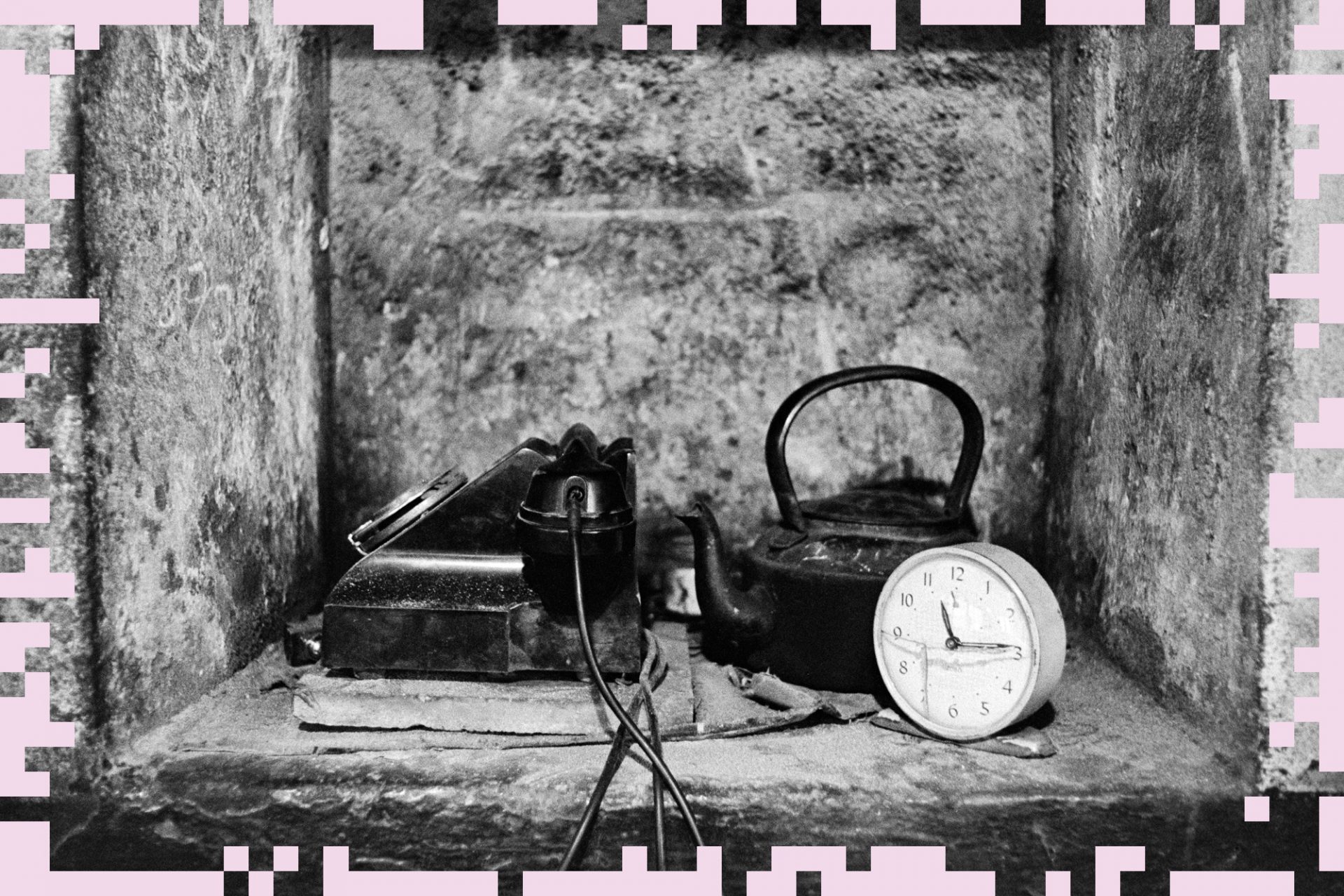
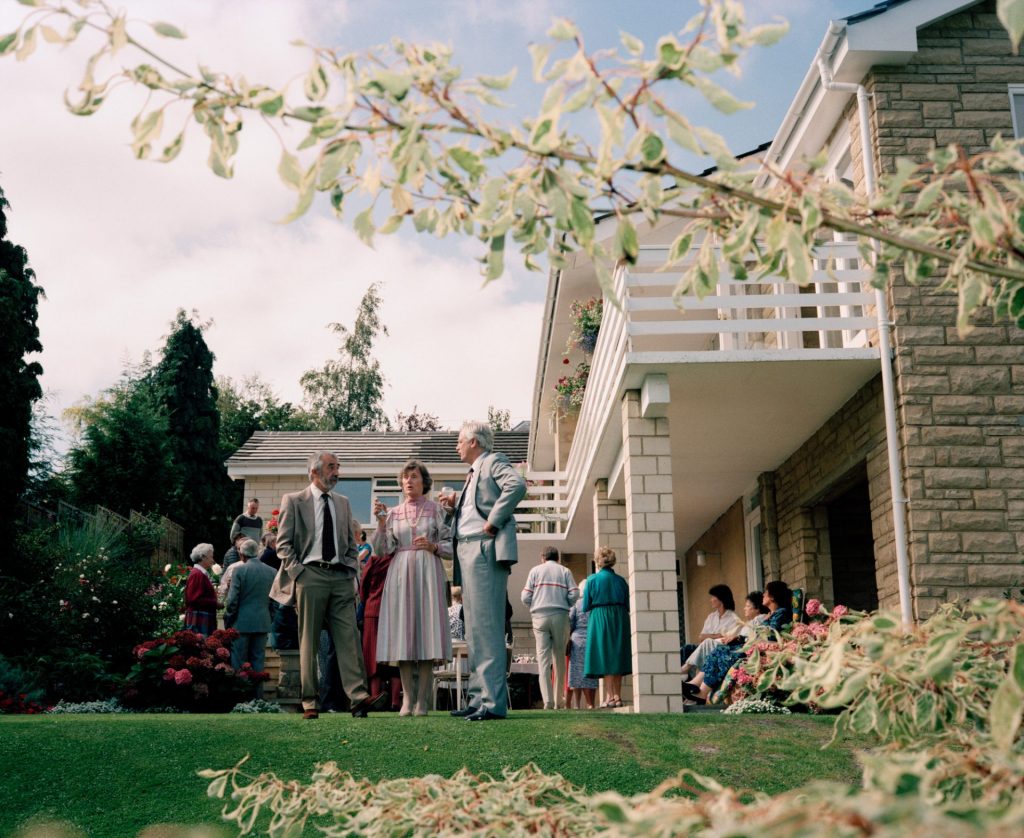
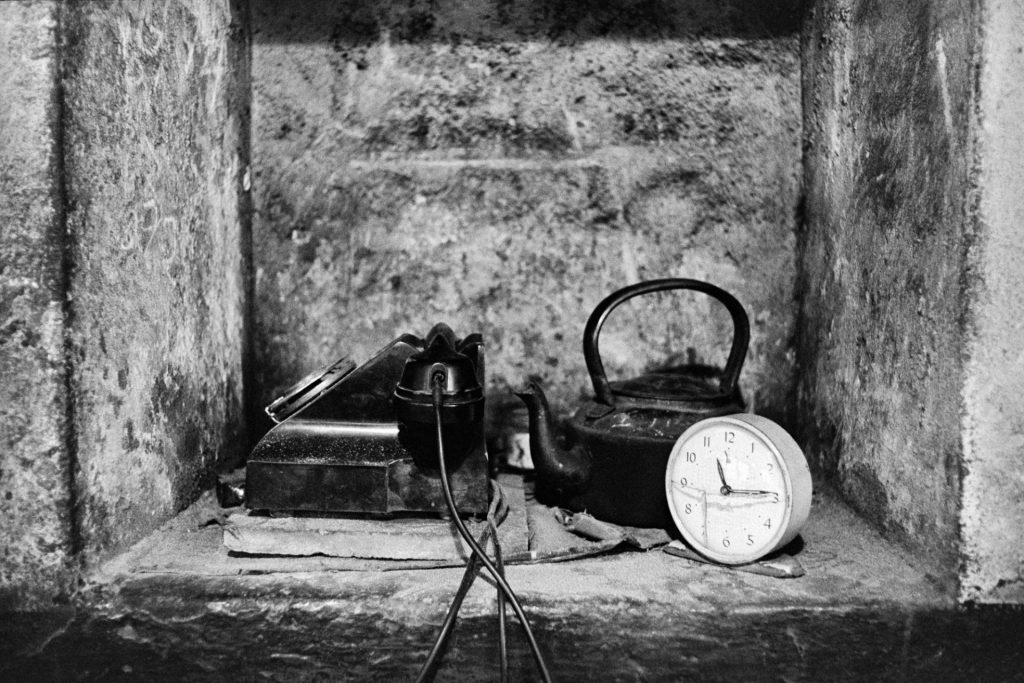
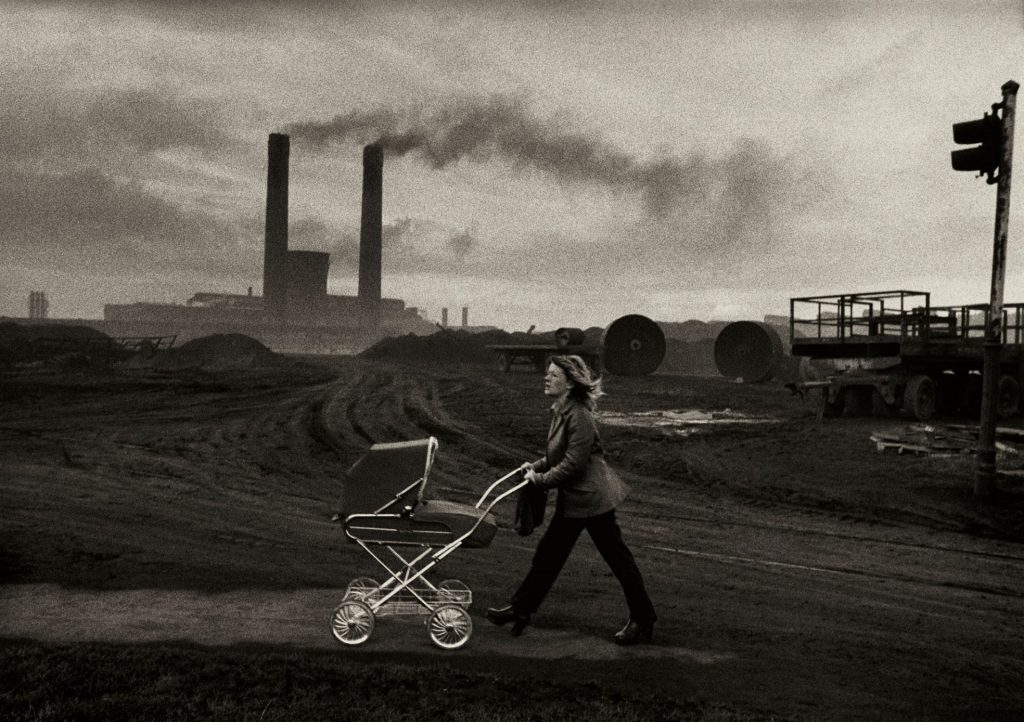
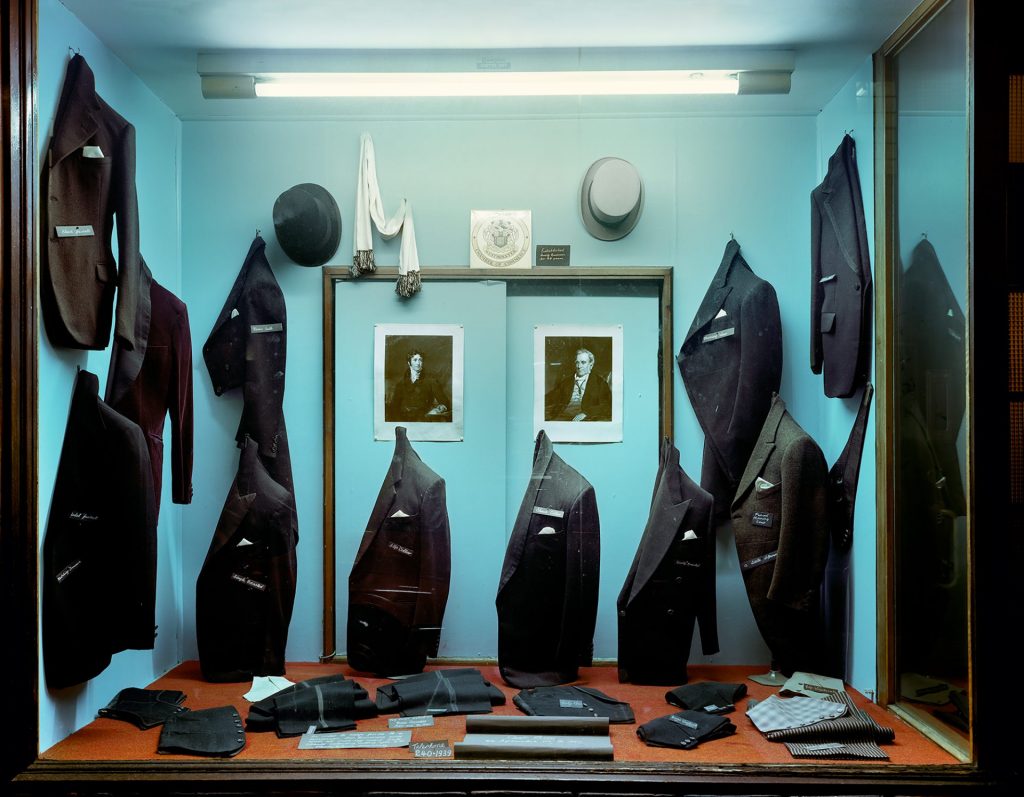
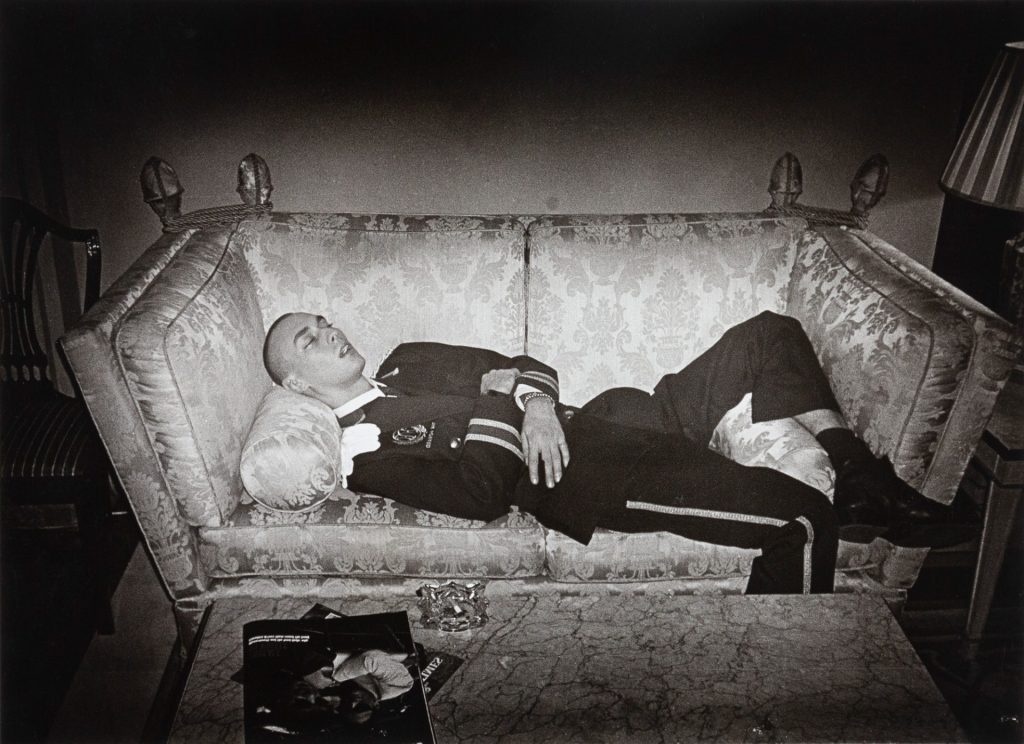
Dark Tales: British Documentary Photography and the Gothic Curated by Isaac Blease 17 Sept – 20 Dec 2026 Martin Parr Foundation Paintworks, 316, Arno’s Vale, Bristol, BS4 3AR In collaboration with Martin Parr Foundation
Spanning more than 80 years, Dark Tales explores the relationship between the Gothic and British documentary photography. Drawing primarily from the Martin Parr Foundation Collection, the exhibition brings together celebrated and lesser-known works depicting post-war Britain to the present through waning industries, unsettling domestic scenes and shadowy nocturnal landscapes. Revealing the uncanny within the everyday, the photographs explore fear, desire and uncertainty while reconsidering documentary photography through the Gothic imagination at a moment when the medium itself faces profound technological and cultural change.
Persistence Studies by Sheida Solemani 14 Oct 2026 to 14 Feb 2027 Bristol Museum & Art Gallery Queens Rd, Clifton, Bristol, BS8 1RL In collaboration with Brigstow Institute & Bristol Museum & Art Galleries
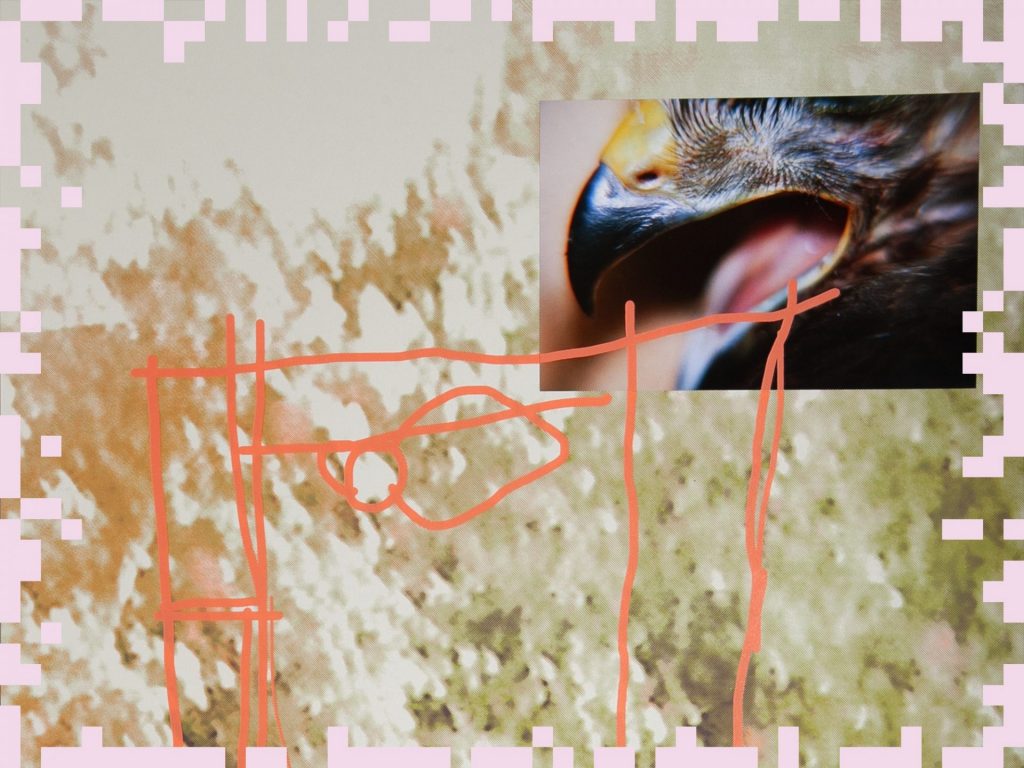
Persistence Studies takes its title from avian ecology, where the term describes research into how long birds remain within a landscape before disappearing. Focusing on European Starlings and House Sparrows, the exhibition explores shifting ideas of nativeness, invasion and belonging. Native to the UK but introduced to North America, these birds are considered invasive in one place while declining in another. Through their contradictory histories, the work examines how value is assigned to life and what it means to persist in landscapes transformed by human activity.
One of Many: An Alternative History of Photography 14 Oct to 15 Nov 2026 Albion Dockside Hanover Place, Bristol, BS1 6XT In collaboration with the French Institute in the UK
Questioning conventional histories of photography, this exhibition challenges the familiar narrative centred on figures such as Nicéphore Niépce and William Henry Fox Talbot. Instead, it proposes that photography’s history is multiple, shaped as much by exclusion as inclusion. Through a dialogue between France and the UK, leading curators, scholars and institutions present alternative perspectives that reconsider how photographic histories are constructed, remembered and reimagined. Invited selectors include Mark Sealy, Taous Dahmani, Christine Eyene, Sergio Valenzuela Escobedo and Annabelle Lacour.
No Pasarán by Anna Jornet, Julián Barón and Natasha Christia 16 Oct to 15 Nov 2026 Redcliffe Caves Phoenix Wharf, Redcliffe Way, Redcliffe, Bristol BS1 6SR In collaboration with Insitut Ramon Llull, Acción Cultural Española and Instituto Cervantes
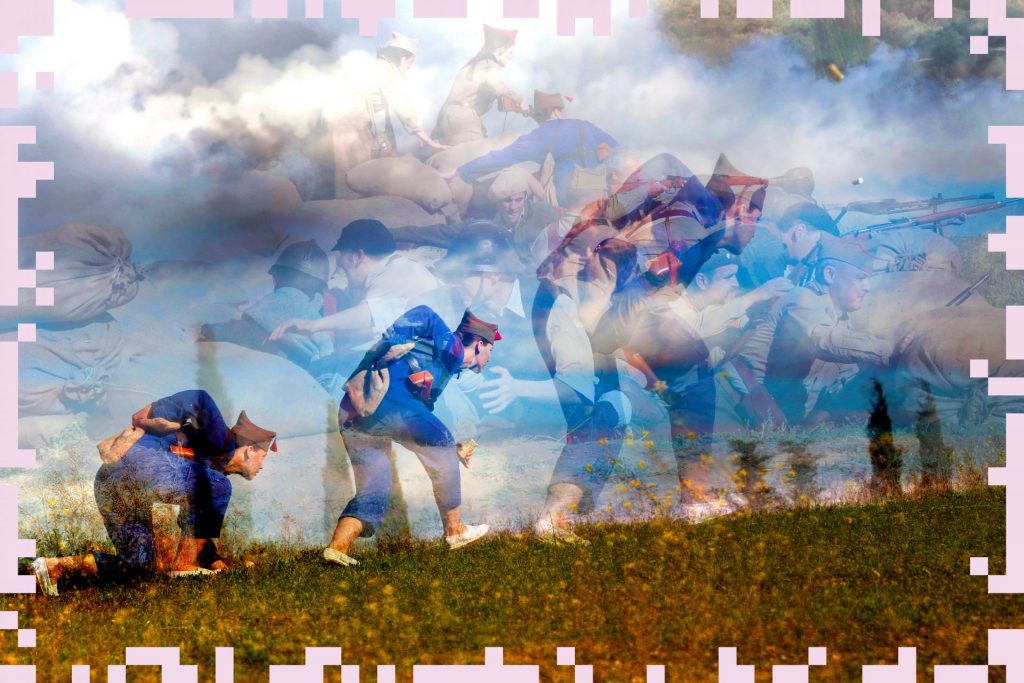
Marking the 90th anniversary of the Spanish Civil War, No Pasarán brings together three artists and researchers exploring history, memory and resistance. Julian Barón examines how the war is remembered through historical reenactments and the fading inscriptions left by Republican militia on the walls of an abandoned barracks. Anna Jornet traces her grandfather’s forced labour under Franco, revealing the hidden histories embedded within everyday infrastructure. Natasha Christia presents archival research into the International Brigades, drawing on collections across Spain, Greece and the UK to illuminate histories of international anti-fascist solidarity.
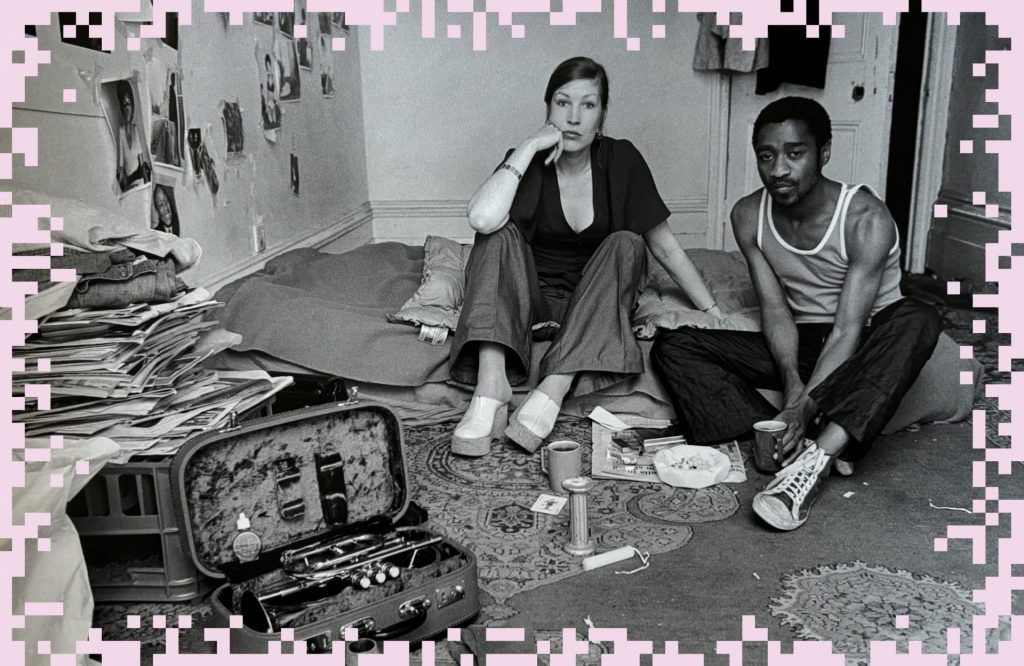
George Hallett, Mongezi Feza (Musician) & friend at home. London, 1973. Courtesy George Hallett Research Collection
George Hallet: Home & Exile Curated by Christine Eyene 14 Oct to 15 Nov 2026 IC Visual Lab 6 West St, St. Phillips, Bristol, BS2 0BH In collaboration with Liverpool John Moores University
South African photographer George Hallett (1942–2020) documented everyday life, cultural identity and resistance throughout apartheid and exile, himself living in exile in Europe from 1970 to the mid-1990s. This exhibition presents a selection of images, archive material, and books around the figure of South African author, journalist, and political activist Alex La Guma (1924-1985) who came to Bristol in 1966 to talk about the injustice of apartheid.
The display also includes photographic compositions featuring exiled South African activists, visual artists, and jazz musicians. These images, selected from a vast body of work, showcase the link between South African exile in Britain in the 1970s and 80s, jazz, and African literature, materialised on the book covers Hallett designed for Heinemann’s African Writers Series during those two decades.
Curated by Christine Eyene and presented at IC Visual Lab – the former home of Bristol’s Southern Africa Resource Centre (SARC).
People of Clay by Akshay Mahajan 14 Oct 2026 to 14 Feb 2027 Bristol Museum & Art Gallery Queens Rd, Clifton, Bristol, BS8 1RL In collaboration with Bristol Museum & Art Galleries, Friends of BMAG, & ArtFund
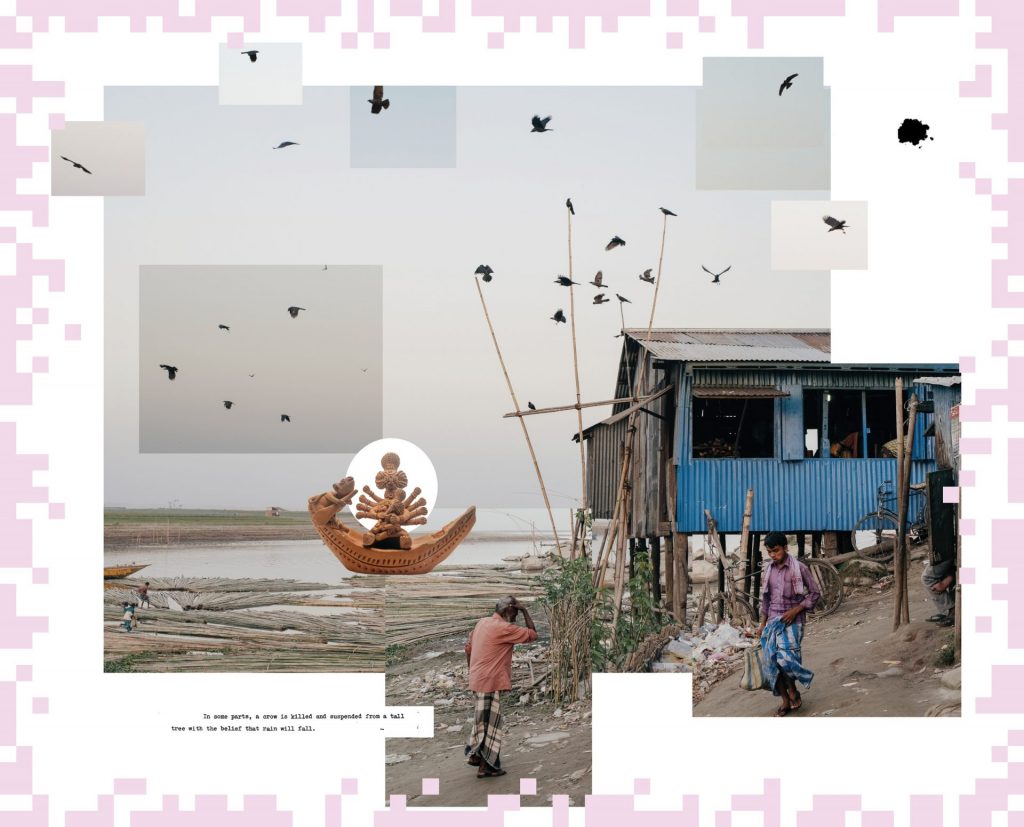
Akshay Mahajan’s People of Clay (2016 – present) traces hidden histories along the Brahmaputra River, exploring the stories, myths and memories of communities divided by colonial borders. Through photography, collage and found materials, Mahajan creates a subjective cartography shaped by listening, observation and engagement. Drawing on local folklore, the work reimagines forgotten narratives and challenges official histories, revealing memory as something constantly transformed and retold. People of Clay becomes an act of remembrance, reflecting on identity, belonging and the fluid landscapes we inherit.
Family Times by Annie Wang & Liu Hsing Yu 16 Oct to 11 Nov 2026 Centrespace Gallery 6 Leonard Ln, Bristol, BS1 1EA In collaboration with Ministry of Culture, Republic of China (Taiwan)
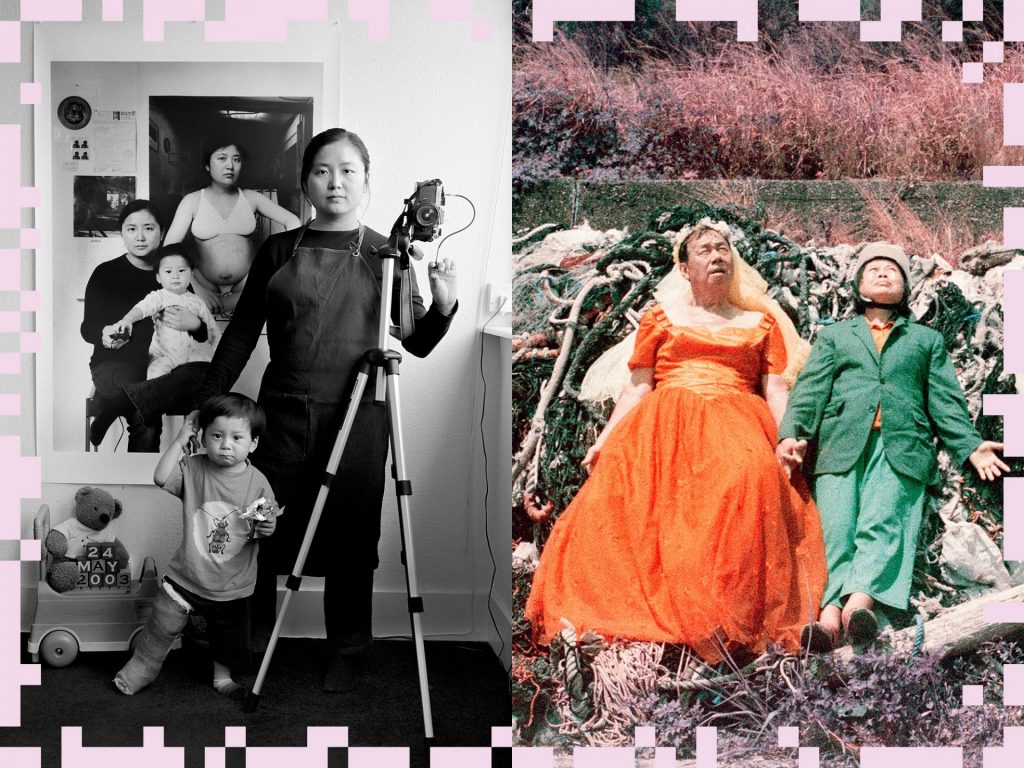
Family Times explores how family relationships are continually reshaped by time, memory, care and social change through the work of Liu Hsing Yu and Annie Wang. In My Father and Mother, Liu recreates his parents’ wedding photograph with their roles reversed, using performance and family history to reflect on identity, belonging and Taiwan’s changing attitudes towards gender and sexuality. In The Mother as a Creator, Wang photographs herself and her son each year, layering past and present into a visual “time tunnel” that reveals motherhood as an evolving relationship. Together, the works show family as something constantly remade through ritual, repetition and care.
Beyond the Bounds by Holly Lynton 16 Oct to 11 Nov 2026 Bristol Cathedral College Green, Bristol, BS1 5TJ In collaboration with Bristol Cathedral, Spectrum & HAPAX
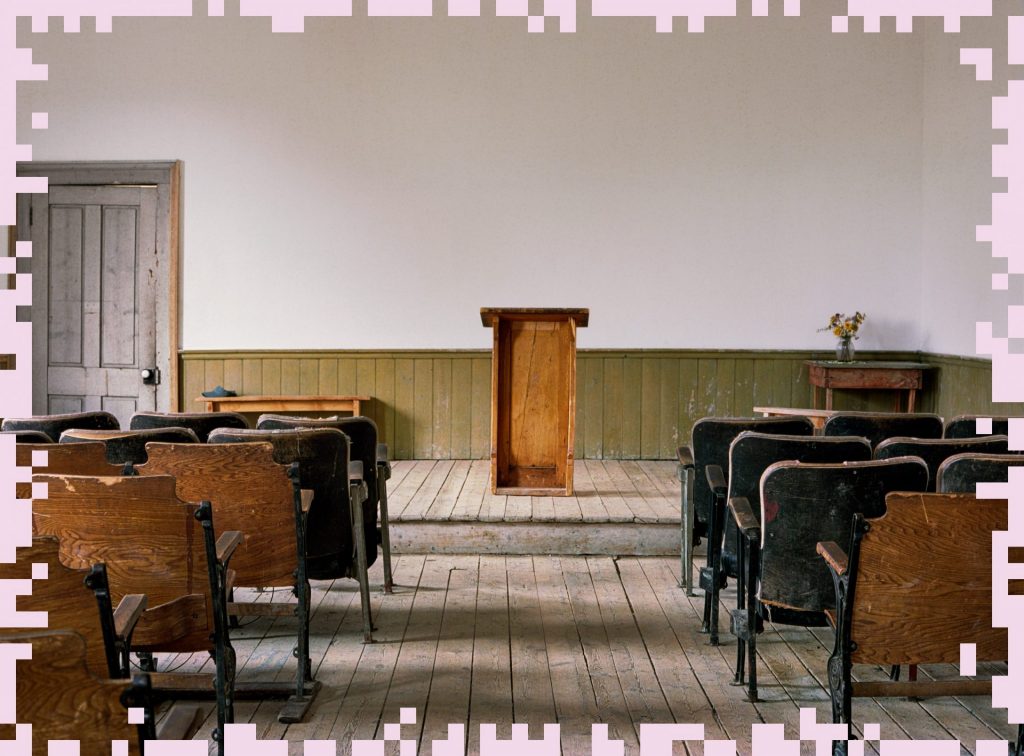
For more than fifteen years, Holly Lynton has explored the intersections of faith, history, labour and landscape across rural communities in the United States. Beyond the Bounds (2019 – present) examines places shaped by spiritual awakenings, from towns founded by psychics to former sites of religious revival. Through a slow, collaborative approach, Lynton reveals how faith persists in everyday life and how landscapes continue to hold the traces of belief, migration and cultural transformation within America’s complex religious history.
Stray Sod by Maria Lax 14 Oct to 15 Nov 2026 Venue TBC In collaboration with Frame | Contemporary Art Finland
Inspired by Irish folklore, Stray Sod explores enchanted patches of earth believed to disorient those who step upon them, leading them into unfamiliar worlds. Drawing on accounts from the Irish National Folklore Collection, Maria Lax reimagines rural Irish landscapes through a supernatural lens. The work reflects on moments of uncertainty and transformation, connecting traditional stories of becoming lost with the destabilising effects of grief, political change and rapid technological shifts in contemporary life.
For further press information on the festival programme, images, and interview requests please contact Sam Trenerry – samtrenerry@yahoo.com/ +44 (0)7780 991 811
NOTES TO EDITORS
About Bristol Photo Festival
Bristol Photo Festival is an international biennial of contemporary photography.
We organise a programme of exhibitions, talks and workshops, bringing together leading photographic voices from across the world. Alongside this work, we develop long-term projects in collaboration with local communities. There is no hierarchy between our engagement and exhibition programmes – both are treated with the same care, rigour and level resource.
As an organisation, we believe in the power of photography as a tool to experience the world anew. Our mission is to present nuanced and unexpected stories that foster greater understanding of shared pasts, presents and futures. Our work is internationally focussed yet locally grounded, built from the urgencies of our city and its inhabitants. As a platform, we support artists to experiment, creating work that breaks with convention, exploring the possibilities of photography as a political tool today. The second edition (2024) drew 115,000 visitors, with 16 exhibitions staged across the city’s museums, galleries and independent spaces.
The third edition of Bristol Photo Festival is managed and produced by IC Visual Lab (ICVL), an independent visual arts organisation based in Bristol (UK). bristolphotofestival.org
Press Contact: Sam Trenerry samtrenerry@yahoo.com +44 (0)7780 991 811
To mark the opening weekend the festival curators will lead a walking tour between different venues, stopping to explore the exhibitions and discuss the shows. Some of the exhibiting artists will also be present, sharing their ideas and answering questions. If you want to explore the festival in-depth, while letting someone else deal with the navigation and logistics, then these tours are for you.
On the opening Saturday (17 October) we are running two tours, each visiting different venues. You are welcome to attend both tours or choose to come along to either the morning or afternoon session.
Morning Tour (10am-12.30pm)
10 – Meet in the foyer of Bristol Museum & Art Gallery. At the museum we will visit and discuss two exhibitions: Persistence Studies by Sheida Soleimani and People of Clay by Akshay Mahajan.
10.45 – Walk to Bristol Cathedral (10 minutes, 0.4 miles, downhill) to view Beyond the Bounds by Holly Lynton. At 11am Holly Lynton will be in conversation with the editors of Hapax Magazine (Chrstiane Monarchi and Gordon Macdonald), unpacking the ideas behind her exhibition.
11.40 – Walk to Arnolfini Gallery (12 minutes, 0.5 miles, downhill) to view Catching Flies with Honey by Joy Gregory.
We anticipate finishing the tour by 12.30pm, however we will try to follow the pace of the group, allowing additional time where possible.
Lunch Break – if you are attending both morning and afternoon tours, please bring a picnic or head to Arnolfini’s cafe. You could also choose to visit St. Nick’s Market (near to Centrespace Gallery) where there are lots of good things to eat.
Afternoon Tour (2-5pm)
2 – Meet at Centrespace Gallery to view Family Times by Annie Wang & Liu Hsing Yu
2.30 – Walk to Kit Form (18 minutes, 0.8 miles, mostly flat) to view Inherited, a two-person exhibition by Yuko Edwards and Kelly O’brien.
3.30 – Walk to IC Visual Lab (20 minutes, 0.8 miles, mostly flat) to view Home & Exile by George Hallett (curated by Christine Eyene).
4 – Walk to The Welcome Building (9 minutes, 0.4 miles, mostly flat) to view 5 exhibitions, including: Stray Sod by Maria Lax, Studio Kegham by Kegham Djeghalian Jr, Common Sense by Martin Parr, One of Many: An Alternative History of Photography (group exhibition), and Heat (group exhibition in partnership with the Magnum Foundation).
We anticipate finishing by 5pm. However, the tour will run at the pace of the group.
– We will try to move at the pace of the group, while ensuring there is at least an hour lunch break for those attending both sessions. – Please wear comfy shoes and pack a rain coat. – In the morning we will walk a total of 0.9 miles (approx 20-25 minutes of walking, largely flat or downhill). In the afternoon we will walk a total of 2 miles (approx 45-50 minutes, mostly flat).
Bristol Photo Festival’s Walking Tours are kindly supported by Lost And Grounded Brewers.
This is a 3 day workshop, running Friday 6th – Sunday 8th November. Each day will run from 10am-5pm. A full itinerary will be sent to all attendees in advance.
Olivia Arthur’s career is one defined by both continuity and reinvention. Her early projects, including Jeddah Diary and The Middle Distance, often examined the lives of women as they navigated questions of personal freedom and societal expectations. More recently, her work has shifted closer to home, exploring questions of intimacy and the body, catalysed by her own experiences of motherhood. Her photographic language has aso evolved, moving beyond traditional documentary practice to embrace large-format photography, collage and text. These new formats have slowed Arthur’s approach in tactile and deliberate ways. Throughout this evolution, a series of common threads can be found, asking what it means to truly see one another in ways that are both vulnerable and intimate, always paying attention to the body.
We invite you to join us for a three-day workshop led by Olivia, designed to help you move your practice forwards. Over the three days, you will look at your recent projects and wider body of work to identify what motivates you, the subjects and ideas that matter to you, and the visual approaches you use to explore them. Together, you will consider what feels most authentic to your practice, where you want to take your work next, and how you can make meaningful, practical decisions about its development. Alongside this reflection, you will undertake a short micro-project during the workshop, giving you the opportunity to test ideas, experiment with your approach and put your thinking into practice.
Drawing on her experience of working across diverse subjects, photographic languages and perspectives, Olivia is well placed to support photographers at any stage. Whether you are feeling stuck, looking for a new direction or seeking to deepen an established practice, this workshop will help you move forward with greater clarity, confidence and purpose.
Biography
Olivia Arthur was born in London in 1980. She studied mathematics at Oxford University and photojournalism at the London College of Printing. She began working as a photographer in 2003 after moving to Delhi, and was based in India for two and a half years. In 2006, she left for Italy to take up a one-year residency with Fabrica, during which she began working on a series about women and cultural divides. Her first book, Jeddah Diary (2012), follows the lives of young women in Saudi Arabia. Her second book, Stranger (2015), is a journey into Dubai seen through the eyes of the survivor of a shipwreck.
The ways people see themselves and connect to each other are themes Arthur explored in her project about sexuality in India, titled In Private/Mumbai, and through her commissions for Hull, City of Culture, and the Rome Collection about young people and intimacy during Covid. Arthur’s practice has also moved into an examination of the human relationship to the body, people’s physicality and its intersection with technology, working predominantly with large-format portraiture. Arthur gave a TED talk on this subject in 2020. She enjoys exploring different mediums and has made two short films and a children’s book using collage.
Arthur’s work has been exhibited internationally and is included in institutional collections in the UK, USA, Germany, and Switzerland. She is co-founder of Fishbar, a publisher and space for photography in London. She became a member of Magnum Photos in 2013 and in 2020 was elected as its president.
TICKETS
Tickets are available via headfirst. Early Bird tickets are £350. As the workshop approaches, the ticket price will increase to £400. Current UWE Students receive a 40% discount on full-price tickets.
I want to take part but don’t live in Bristol. There are many cheap hotels in Bristol where you can stay for the duration of the workshop. All participants will be sent a list of suggestions.
Who is it for? This workshop is for anyone who is committed to making photographic work. It doesn’t matter if you’re just starting out or have already developed multiple bodies of work. The workshop is designed to meet you wherever you are currently at.
What do I need to bring? You will be expected to show your work, so please bring your projects on a laptop or hard-drive, or in book or book-dummy form. Please also bring whatever camera you like to use to make pictures.
How many people will there be? The maximum number of participants is 12. We will run the course as long as we have a minimum of 8 participants.
Where will the workshop take place? The workshop will take place in Bristol. We have several teaching spaces across the city, aligned with the festival. The final location will be confirmed shortly. However, it will be in central Bristol, no more than 20 minutes by foot from Bristol Temple Meads.
I’m a current student, do I get a discount? Yes, current UWE students get a 40% discount. All other current students receive a 30% discount.
If you have any other questions, please contact us at engagement@bristolphotofstival.org
Arnolfini presents a landmark exhibition celebrating four decades of Joy Gregory’s pioneering practice. Catching Flies with Honey is the first major survey exhibition of Joy Gregory’s work, bringing together more than 150 photographs, films, installations and textile works spanning four decades. Across Arnolfini’s galleries, the exhibition reveals an artist who has continually redefined the possibilities of photography, inviting audiences into new ways of thinking about identity, history, beauty and belonging.
Since the early 1980s, Gregory has been a pioneering force in contemporary photography, challenging expectations of both the medium and what Black or feminist art should look like through work that is visually seductive, materially inventive and conceptually rigorous. Using processes ranging from Victorian cyanotypes and kallitypes to digital media and performance, Gregory continually expands photography’s aesthetic and material possibilities.
The exhibition will bring together key series spanning Gregory’s career, including Autoportrait (1990), a pivotal body of self-portraits exploring questions of beauty, exoticism and exclusion; The Handbag Project (1998–present), an ongoing study of luxury symbols of femininity through handbags owned by women during the apartheid era in South Africa; and Memory and Skin (1998), a multimedia installation combining photography, film, sound and gathered objects to examine the Caribbean as a layered landscape shaped by colonial legacies, cultural contradictions and hidden histories. These works will be presented alongside further pieces originating from Gregory’s extensive journeys across Sri Lanka, the Caribbean and Europe, as well as a newly commissioned film shot in South Africa’s Kalahari Desert, created as part of a 20-year collaboration with the Indigenous community whose ancestors spoke the critically endangered N|uu language.
Biography
Joy Gregory (b.1959, UK) is a graduate of Manchester Polytechnic and the Royal College of Art. She has developed a practice which is concerned with social and political issues with particular reference to history and cultural differences in contemporary society. As a photographer she makes full use of the media from video, digital and analogue photography to Victorian print processes. In 2002, Gregory received the NESTA Fellowship, which enabled her the time and the freedom to research for a major piece around language endangerment. The first of this series was the video piece Gomera, which premiered at the Sydney Biennale in May 2010. She is the recipient of numerous awards and has exhibited all over the world showing in many festivals and biennales. Her work included in many collections including the UK Arts Council Collection, Victoria and Albert Museum, Institute of Modern Art, Brisbane, Australia, and Yale British Art Collection. She currently lives and works in London.
“It is a real privilege to share this new iteration of the exhibition with new audiences, creating opportunities for conversations around the work and photographic practice to continue to grow. This feels especially meaningful in the context of the Bristol Photography Festival, which opens at the same time.” — Joy Gregory
The exhibition was originated by Whitechapel Gallery, London, where it was first shown (8 October 2025 – 1 March 2026) with the subsequent tour organised in collaboration with Arnolfini, Bristol.
Joy Gregory: Catching Flies with Honey has been generously supported by:
Freelands Foundation through the Freelands Award 2023
Research for this exhibition has been supported by the Paul Mellon Centre for Studies in British Art
With additional support for the artist from The Elephant Trust
Kegham Djeghalian Sr was born in Anatolia in 1915, with his family shortly forced to flee due to the outbreak of the Armenian genocide. They first moved to Syria, later settling in British Mandate Palestine, where in 1944 he established Photo Kegham, the first commercial photography studio in Gaza. The studio documented Palestinian daily life despite the often violent upheaval that was taking place during this time, most notably marked by the creation of the State of Israel in 1948.
Much of the archive of Photo Kegham has been tragically lost. However, three boxes of photographs remain, now in the possession of Kegham Djeghalian Jr, the grandson of the studio’s original founder. The exhibition presents the images and materials that remain, focusing on the story of Djeghalian Sr, as well as the visual history of Gaza itself. For Djeghalian Jr, the project is a way of connecting with the history of a place to which he cannot physically return, while also disrupting the dominant narratives that surround Gaza.
Biography
Kegham Djeghalian Jr is a Cairo- and Paris-based Palestinian-Armenian visual artist, creative director and fashion practitioner, whose work lies at the intersection of photography, image, the archive and fashion practices. His artistic pieces and interventions have been exhibited and presented internationally at institutions such as the Centre Pompidou, Paris, and The Photographers’ Gallery, London, and they have been published by Afterall Books, Central Saint Martins (UAL), London. He is a professor of Fashion Practices and Visual Culture at the German International University, where he is also the artistic director of the Fashion Design Department.
Djeghalian is working on a multifaceted long-term project activating the endangered archive of his grandfather, Kegham Djeghalian Sr (1915–1981), the founder of Gaza’s first commercial photography studio. Djeghalian Sr is known as the most prominent photographer of mid-twentieth-century Gaza, as he documented the city through its transitions as well as its people.
In 2005, the Canadian photographer Michel Campeau set out to document photographic darkrooms – spaces increasingly rendered obsolete by the rise of digital photography. Once essential sites of image-making, these workspaces are reimagined through Campeau’s photographs as places of ritual, labour and memory, prompting reflection on what is lost as they disappear.
Campeau has photographed more than 75 darkrooms, primarily in his native Canada but also across countries including Cuba and Niger. Each image bears witness to the repetitive, tactile processes of analogue printing. Worn surfaces reveal years of photographers leaning into the same positions to adjust enlargers and equipment; improvised repairs, with duct tape holding together ageing tools that can no longer be easily replaced, speak to the ingenuity of their users. Handwritten notes taped to walls and enlargers hint at the meticulous routines, technical precision and quiet obsession that underpin the printing process.
Photographed with a digital camera and direct flash, the series deliberately resists nostalgia. Rather than advocating a return to analogue photography, Darkroom foregrounds the material culture of photographic practice, revealing the traces of human labour embedded within these spaces. In doing so, Campeau invites viewers to consider how photographs are shaped not only by the images they depict, but also by the technologies, environments and rituals through which they are made.
This exhibition has been produced by Martin Parr Foundation to accompany the MPF exhibition Dark Tales: British Documentary Photography and the Gothic, curated by Isaac Blease.
Biography
Michel Campeau (b. 1948) is a Canadian photographer, writer and collector whose work explores the subjective, narrative and material dimensions of photography. Over the past two decades, his research has focused on the material culture of photographic practice, examining the spaces, tools and histories of analogue image-making. His celebrated Darkroom series (2005–2010) has been exhibited internationally, including at the Rencontres d’Arles and the Musée Nicéphore Niépce, while major solo exhibitions include Icons of Obsolescence at the National Gallery of Canada (2013) and Life Before Digital at the McCord Museum (2018). Campeau received the Jean-Paul Riopelle Career Grant in 2009 and the Duke and Duchess of York Prize in 2010. He lives and works in Montréal.
Dark Tales: British Documentary Photography and the Gothic, curated by Isaac Blease
With images spanning a period of more than 80 years, Dark Tales explores the complex relationship between the Gothic and British documentary photography, depicting Britain from the post-war period to the present day. The photographs in the exhibition reveal waning industrial powers, claustrophobic domestic scenes, and menacing nocturnal activities.
The exhibition brings together a selection of renowned images alongside lesser-known photographs, drawn primarily from the Martin Parr Foundation Collection. Together, they reveal people and places that are both resilient and haunted, charged with both fear and desire. Throughout the exhibition, the Gothic principle that horror thrives in close proximity to the familiar resonates, uncovering the uncanny within the everyday.
“Interest in the Gothic resurfaces during times of uncertainty, and documentary photography itself is in a dark moment, with its purpose and role in question, public distrust of ‘photographers’, and the existential threat posed by artificial intelligence. This moment of turmoil presents intriguing conditions to explore the Gothic imagination as a relevant lens through which to re-examine the medium, while also reveling in the ambiguity of images and the multitude of meanings they evoke.” – Isaac Blease, Curator
The exhibition includes work by Kjell-Åke Andersson, Bill Brandt, Anna Fox, Robert Frank, Don McCullin, Lee Miller, John Myers, Akihiko Okamura, Sue Packer, Martin Parr, Charlie Phillips, Sarah Pickering, Alice Poyzer, Jo Spence, Janine Wiedel and Donovan Wylie, among others.