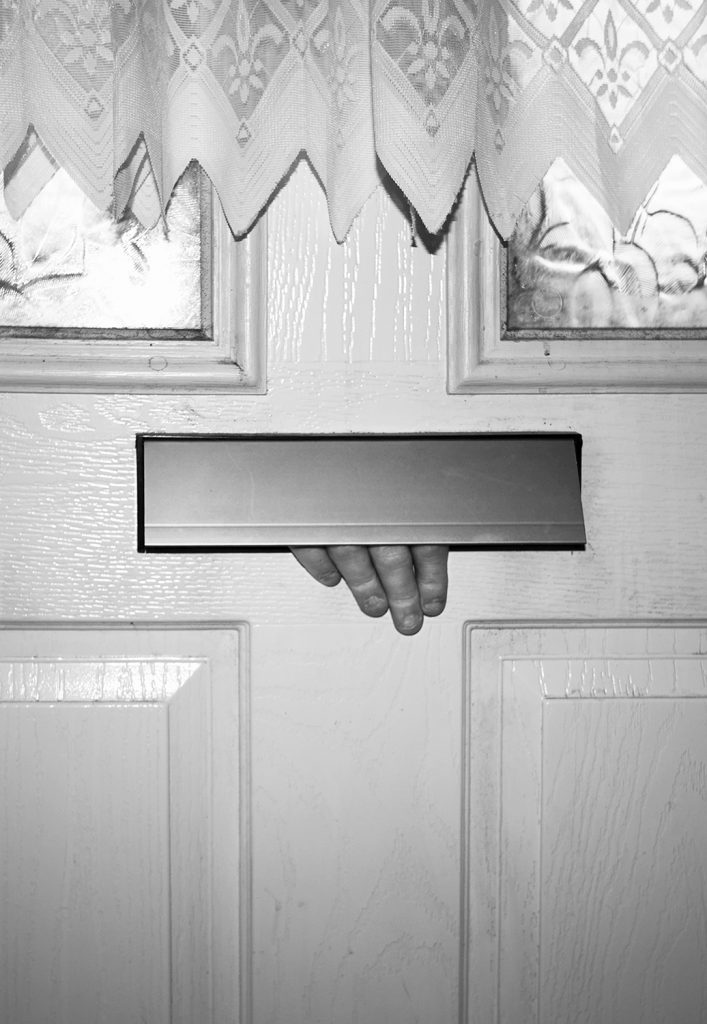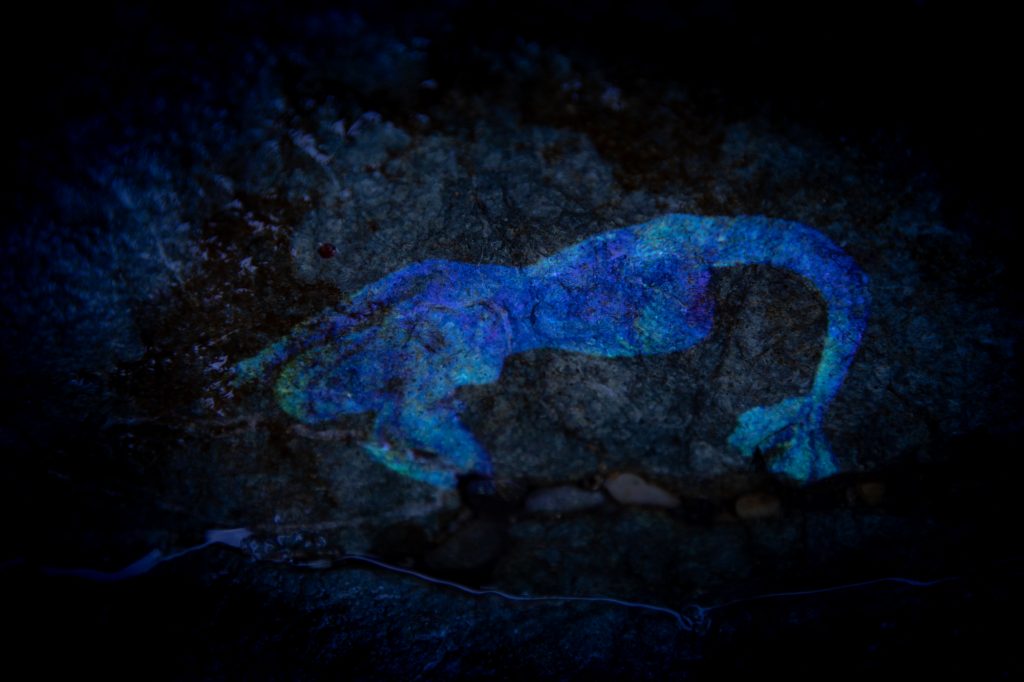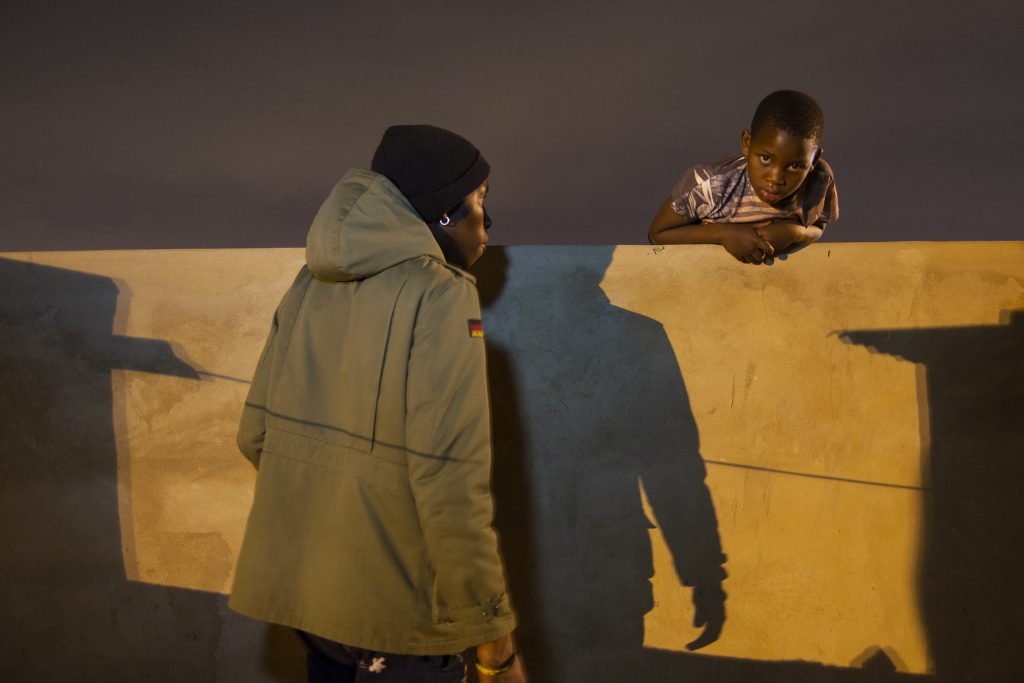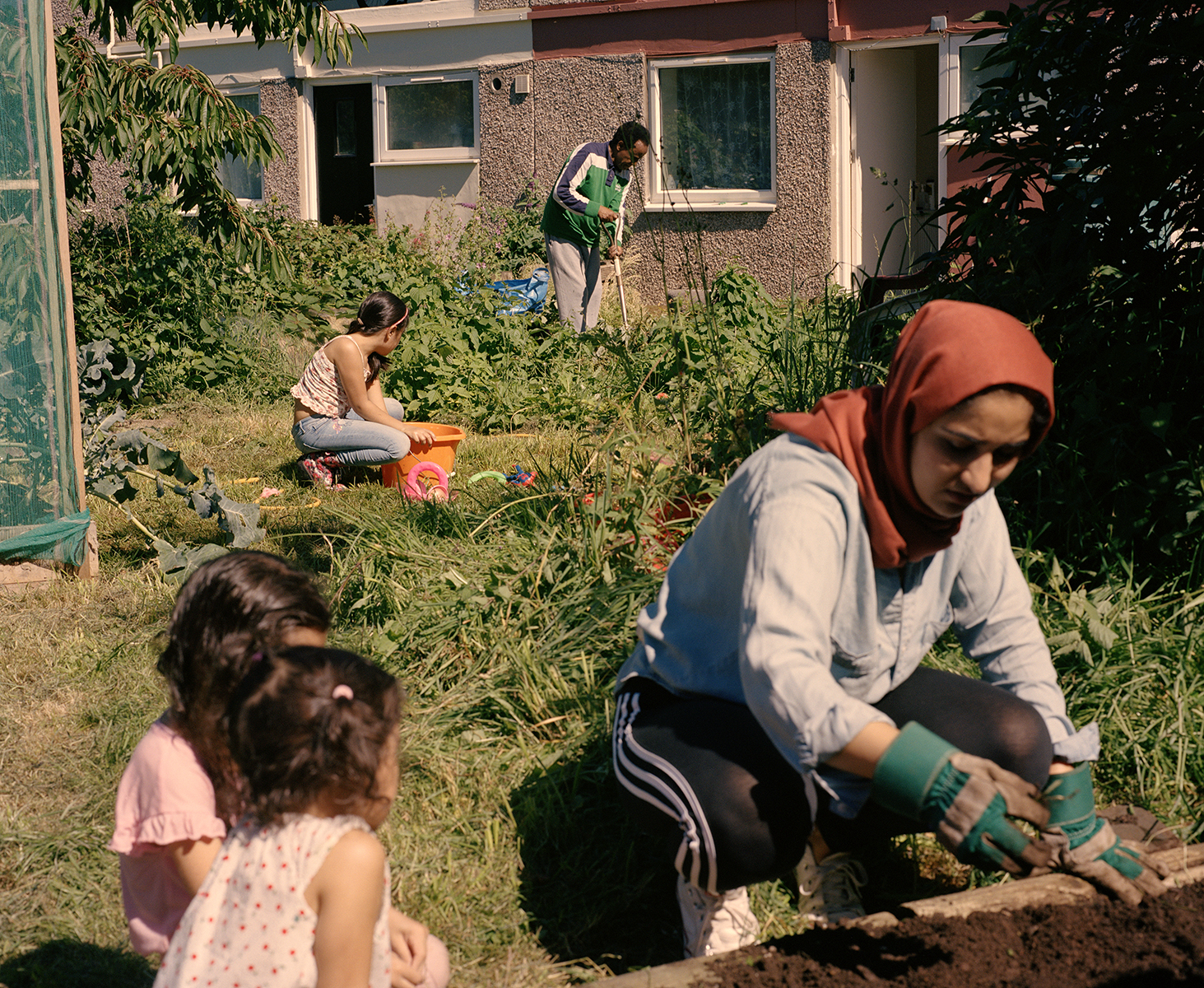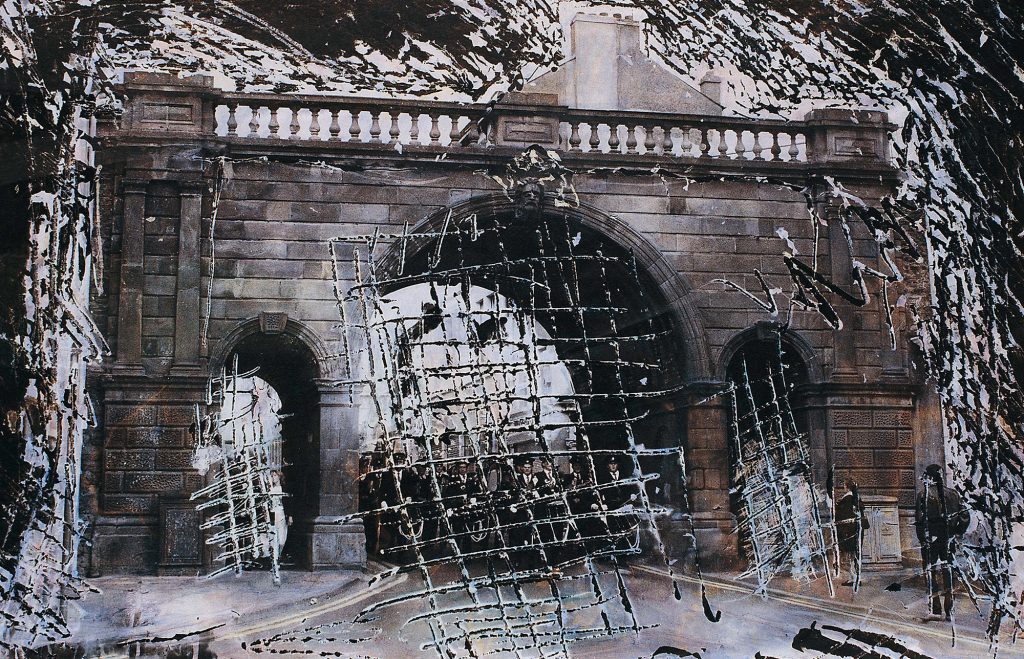

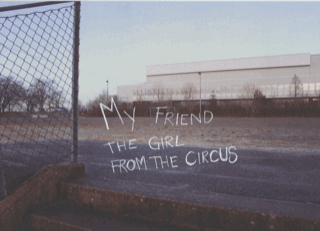
An ancient playground of artistic disciplines.

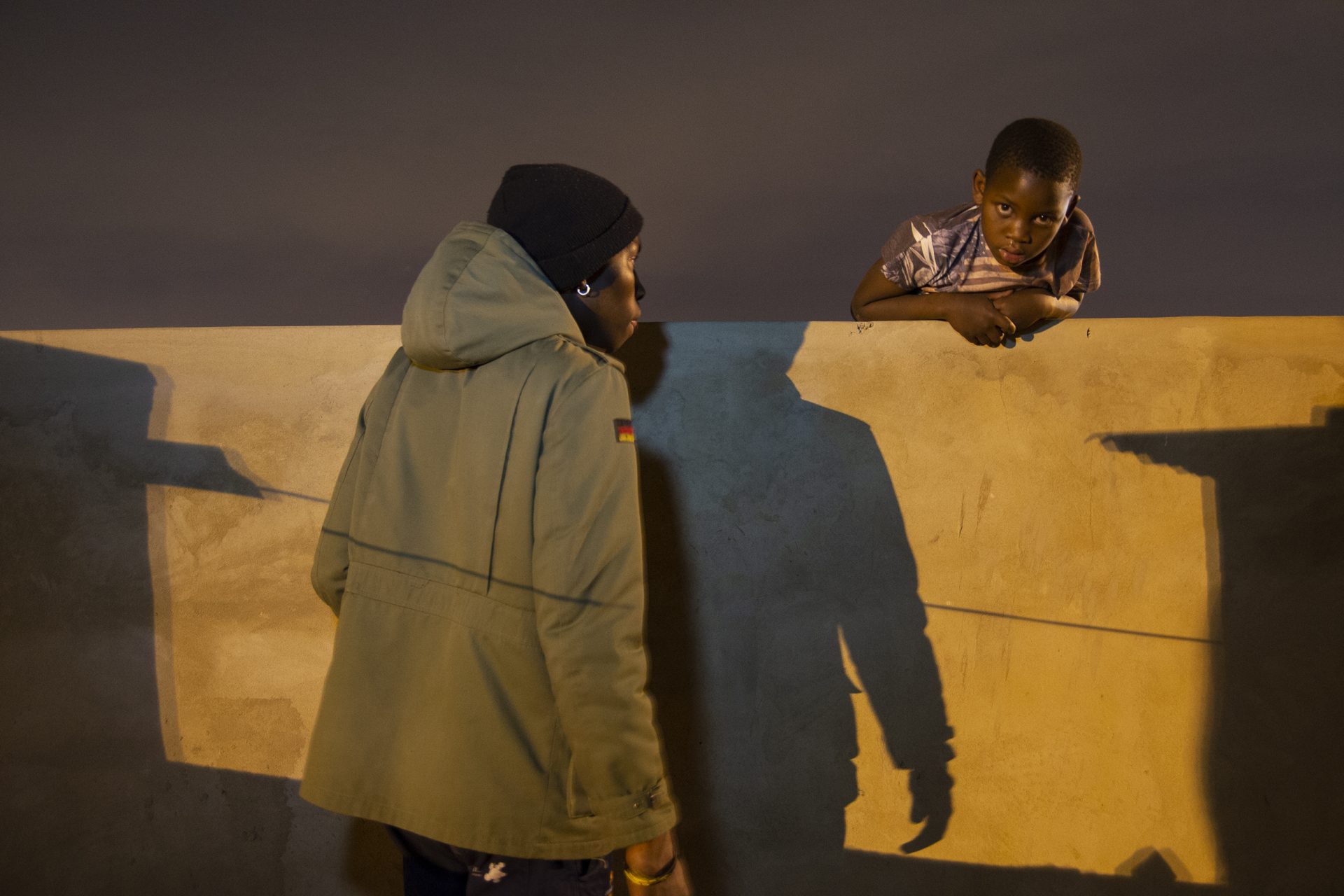
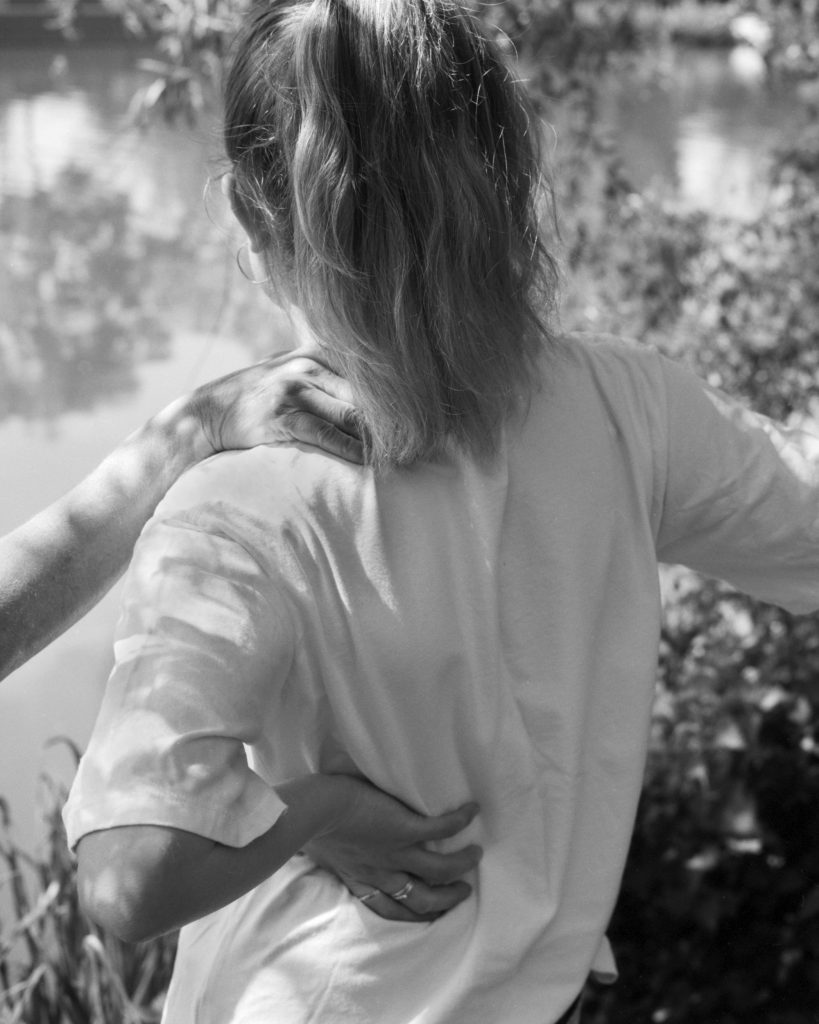
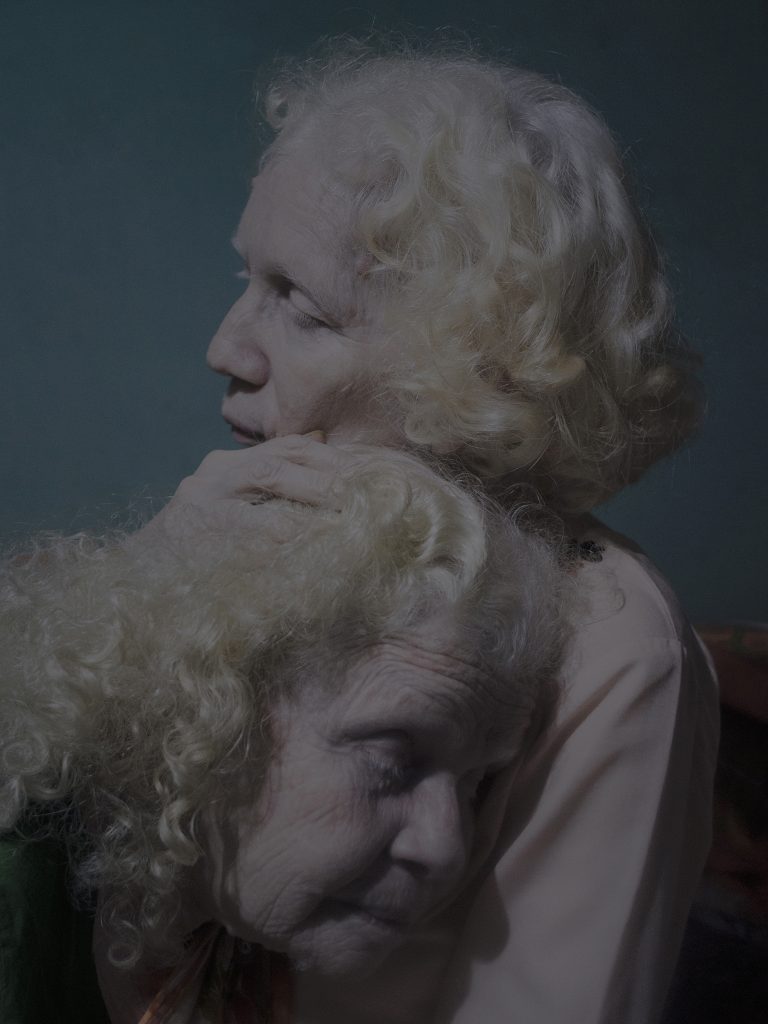
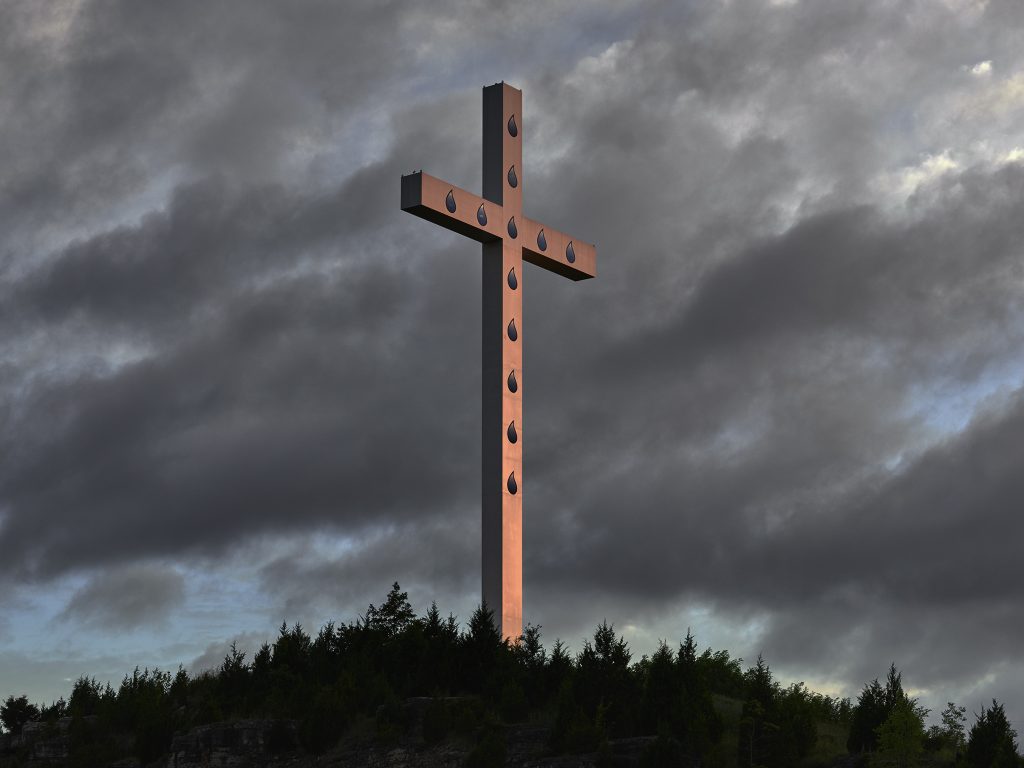
Bristol Photo Festival joined photographer and filmmaker Esther May Campbell‘s workshops (developed from Kitchen Table Photo Club and Scrap Book), commissioning a special post-lockdown session in December with a group of kids in the forest. She was assisted by UWE student, Maria Meco Sanchez, who was invited to write a post about her experience.

© Maria Meco Sanchez
© Esther May Campbell

An ‘Ancient Playground of Artistic Disciplines’ is the most accurate way of describing an afternoon with Esther May Campbell and the kids in one of her workshops in collaboration with BPF. As time passes the participants become more engaged in what the forest’s got to offer.

Esther’s approach to her workshop rejects classic hierarchy and embraces the art of “letting go”. She encourages kids’ autonomy and helps them to chase and realise their ideas through creative challenges. They’re asked to contribute and plan images, they invent scenarios and love doing it. Some of the more experienced kids have grown strong ideas of how they’d like to take part in the image creation.

© Maria Meco Sanchez
© Esther May Campbell

The beauty and the purpose of the woodland transcends its initial appearances. It’s a non-judgmental place, it can be everybody’s playground. Regardless of personality, your background and your approach in life, there is always something one can find to take your mind away. 

From finding companionship within a stick, to imitating owls at dusk these kids envision scenarios based on natural props they encounter along the way. Kids ages and personalities are very varied and so it’s their way of engaging with the place. The forest is also the common ground for the most hyper and introverted souls alike.

© Esther May Campbell
© Maria Meco Sanchez

Esther uses Film Photography as an enabler more than a final destination. The medium in this case, has an elusive importance, it engages the kids whilst they create an image however, when the shutter has closed and there remains no screen to witness, they are instantly forced to re-engage with their surroundings. 

© Maria Meco Sanchez

New partnership to support emerging Bristol photographers

We are happy to announce a new, three-year partnership with the University of the West of England. The partnership will open up a wide range of work experience placements and live briefs for both undergraduate and postgraduate photography students at UWE Bristol. Students will also have access to industry talks and events, opportunities to display their work at prestigious exhibitions and venues. In addition, high-level industry mentorships will be available for MA Photography students.

Speaking of the partnership, Assistant Vice-Chancellor of Creative and Cultural Industries Engagement, Lynn Barlow, said:

‘‘We are proud to be investing in Bristol’s photography industry and culture while creating greater opportunities for our students. Our photography courses are designed to help students develop their photography skills and creative talent as well as to help them launch successful careers after graduation. This partnership will help us to do just that, providing students with real briefs and projects to work on, networking opportunities and much more. Bristol Photo Festival and IC Visual Lab are doing excellent work to nurture and promote new talent, and we’re very excited to be working with them.’’

Bristol Photo Festival aims to bring new work to national and international audiences. The new festival celebrates the power and diversity of photography and will produce solo and group exhibitions in Bristol and beyond with their first exhibition programme scheduled for Spring 2021. Festival Director Tracy Marshall-Grant said:

“This partnership will allow the festival to provide platforms for students which will offer them the experience of working on large scale photography projects and exhibitions over a sustained time and within a formal organisational structure of support. We are really looking forward to opening up opportunities which will allow students to develop and enhance their skills in curation, installation, production and wider arts management. ”

More information about the upcoming opportunities will be announced the next year.

Creative Committee Announcement

The aim of this Creative Committee is to work collaboratively with the festival team, city venues and community partners towards the second edition which will take place between 2022/2023. Bristol Photo Festival is committed to new and collaborative long-term approaches to curation, production and engagement, and we believe that each of the selected members will be a great contribution to make a festival programme that is relevant for the Bristol and international audiences. 

It is our desire to have a diverse and innovative committee with a wide breadth of experience, age and representation. We have taken time as a team to go over each applicant individually but now we are very excited to introduce the selected new committee members.

Sarah Allen is Assistant Curator, International Art at Tate Modern where she curates exhibitions & displays and researches acquisitions for the collection. She has recently co-curated the major touring survey Zanele Muholi (2020) as well as curating exhibitions and displays from the permanent collection including Nan Goldin (2019), Irving Penn (2019) and David Goldblatt (2019). Further exhibitions include The Shape of Light: 100 Years of Photography and Abstract Art (2018); Sophie Taeuber-Arp (forthcoming, 2021) & The Turbine Hall Commission (forthcoming, 2022).
Born in the north and raised in the south of england, mikael techane is an ethiopian-jamaican filmmaker and photographer based in Bristol. Inspired by the crossroads of identity, environment, heritage and culture, mikael works to champion the untold stories of those around him. Embodying a holistic approach to conveying the energy of a subject, empowerment and authenticity are driving forces within his process.
Marina Paulenka is an artist, curator, art consultant, and educator in photography. She was Artistic Director of UNSEEN Foundation and UNSEEN, an Amsterdam based platform for contemporary photography that presents the latest developments in the field of photography and amplifies the careers of boundary-pushing artists.  Prior to her role at Unseen, she worked as a curator and Artistic Director of the Organ Vida International Photography Festival and the non-for- profit Organ Vida Photography Organization, the leading institution for contemporary photography in Croatia. Currently she is involved in FUTURES, an international photography platform and she is the guest curator for FORMAT21 International Photography Festival. Paulenka is the recipient of the Lucie Awards 2018 for best curator/exhibition of the year for the exhibition “Engaged, Active, Aware: Women Perspectives Now”. © Denis Butorac
Natasha Christia is an unaffiliated curator, writer and educator based in Barcelona. She holds a BA in Archaeology and History of Art from the National Kapodistrian University of Athens, an MA in Modern Art and Film from the University of Essex, and a Postgraduate Diploma on Publishing from the University of Barcelona. Her research focuses on the exploration and reinvention of dominant narratives through a novel reading of archival collections, the intersection of photography, film and the photobook, and the dialogue between 20th century avant-garde photography and contemporary forms of expression often labelled as post-photography. Christia was the artistic director of the fourth edition of DocField Documentary Photography Festival 2016, which was launched under the theme “Europe: Lost in Translation”. She regularly contributes essays on photography criticism for international publications and for artists. In 2019 she coedited with Lukas Birk (Fraglich Publishing) Gülistan (winner of the PHotoEspaña Best Photobook Award 2019, International Category).
Amak’s work questions notions of identity and home, bridging a space between personal and political. Her practice explores the effects of exile and distance on identity, memory, dreams and daily life. Amak completed her PhD at the University of South Wales. She is a senior lecturer at the University of West of England. Working with images, poems and archives, Amak looks for the lyrical realities in the photographs. She exhibits her work internationally and has won numerous awards.
Alejandro Acin is an artist, designer and educator based in the United Kingdom. After working for more than four years in an archival institution, he uses his personal practice to investigate contemporary uses of visual archives. His work has been exhibited in the UK, Italy, Spain and Colombia. Acín is also founder director of IC Visual Lab, an artist-led organization based in Bristol (UK) that produces and supports contemporary photography across audiences. He is currently associated lecturer in Documentary Photography at the University of South Wales and Engagement & Education Director at Bristol Photo Festival.
Tracy Marshall is an Arts Director & Producer specialising in the production of photography exhibitions, festivals, education projects and workshops. She is Director of Northern Narratives- the non-venue-based photography production company- and previously was Development Director at Open Eye Gallery and directed their biannual LOOK Photo festival and Belfast Exposed Gallery. Tracy has previously been Director of Development for a number of international Arts organisations covering the development of work for classical music, visual arts and literature. Prior to this she had also been a Director of Campaigns for health, social welfare and education charities across UK & Ireland.

BLUEPRINT: Housing & Wellbeing / Call Out

Bristol Photo Festival joins forces with Arnolfini to offer a commission opportunity for a Bristol  based artist or artist collective to work together on a short project that uses photography to explore ideas around  housing and wellbeing. The project should embrace the medium of photography, although this can be combined  with text, sound, video or performance. We are interested in experimental approaches, socially engaged  practitioners and those who have previously co-developed photographic projects with community groups or  explored health issues although this is not mandatory. Photography should be a critical part of the creative  process. The outcome will be exhibited at Arnolfini and feature online on the Bristol Photo Festival website.

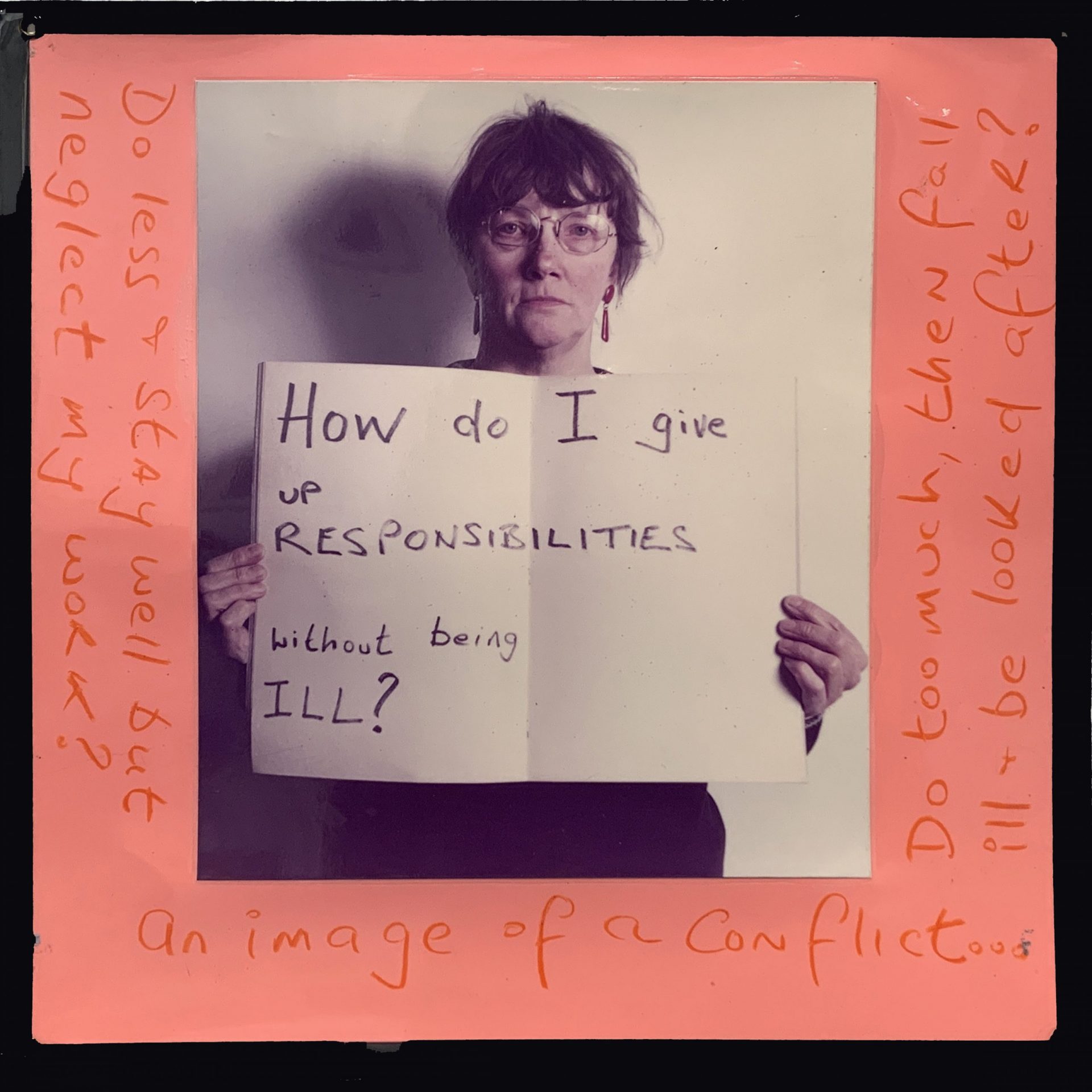
Jo Spence Only when I got to fifty did I realise I was Cinderella 03. Collaboration with Rosy Martin

The Commission

This  commission is a collaboration between Arnolfini, the Bristol Photo Festival and Golden Key, a partnership between statutory services, commissioners, the voluntary sector and people with lived experience working together to improve services for Bristol citizens with the most complex needs. 

We invite applications from artists or collectives responding to the commission theme identified by the Festival:  

Blueprint: Housing & Wellbeing 

“We don’t always have the ability to recognise the importance of these affective messages as images or  symbols, but these creative imaginings and their resonances can free us from what the psychiatrist and  psychoanalyst Charles Rycroft called the ‘veils of our defence’ (1979). It is the recognition of the  dialogue or the links between the phantasies of the artist and the projections of the viewers or analysts within this dialogue that bring awareness as a form of working through or thinking together within a  collaboration.”  

Understandings of ‘home’ are complex and multi-dimensional. By nature the experience of what makes  a house a home to someone is highly subjective. In the subjective understanding of home, when viewed  as an existing residence, ‘home’ is found to be critical to personal and emotional support, given its place  as a haven offering comfort, warmth, relaxation, nourishment, retreat, sanctuary as well as peace and  quiet. ‘Home’ is deeply personal and highly emotional, and as such is critical to each individual’s  understanding of themselves and their quality of life. The home’s role can have a direct effect in the  residents’ self-fulfilment and self-development emphasised in respect of health, both physical and  mental. Security and safety is also important, as is the engagement with the natural environment.  Exploring people’s understanding of ‘home’ can lead to further explorations about a sense of wellbeing.  

This theme raises questions around the meanings given to the places we call ‘home’ and it’s relation to wellbeing.  We welcome a breadth of creative proposals that might explore where we live well, how ideas of what a home  represents changes over time and space, the negotiations of private and public space within the home, how we  represent self within the home through creative experiments, the gendering of domestic space, and the social  nature of housing. We are as interested in other living spaces that people create and occupy that are more  transient and temporary, and what ‘home’ means for the displaced as well as the settled.  

Timeline / Artist Fee

One commission will be made and t he successful artist or collective team will have a fee of £1500 to fund costs.  This fee includes any costs for the production of the work. Bristol Photo Festival and Arnolfini will cover the  printing production of the final display. The closing date is Monday 26 October 2020. The timeline for this  commission is:  

October 26, 2020 Applications submitted  

October-November 2020 Arnolfini and Bristol Photo Festival works with successful artist or  collective to develop the commission  

November 2020 – January 2021 – Research and production  

February 2021 Display of the work at Arnolfini and public talk  

How to Apply 

We are awarding one commission aimed at artists, photographers and art collectives based in Bristol with a track  record of producing high quality work. A strong commitment to working at a professional level. Ambition for their  work and practice.  

● The work must be made in a 3 month period between November and January 2020.  

● To Submit please FILL THIS FORM with the documentation  mentioned below:  

○ A copy of your most recent CV 

○ Examples of previous work & website links. This should be attached in a pdf file.  

○ A description of the work you propose to do and the community you are intended to work with if  any (maximum 1000 words), what it is your intended outcome as well as any initial ideas about  the display. Please also include how you are planning to spend the budget (no special  requirements on how to spend the budget).  

OR  

A short 3 minute video covering the above. Please upload your video onto youtube and include  the link in the application. 

Panel  

The selection process for this commission will be delivered by a multidisciplinary jury panel composed by a series of professionals and artists: Keiko Higashi (Arnolfini Engagement Producer), Alejandro Acin (BPF Engagement & Education Director), Tracy Marshall (Bristol Photo Festival Director), Claire Hyman (Hyman Collection), Heather Agyepong (Artist) and two members from Golden Key. 

Evaluation Criteria: Artistic merit, strength of participation, connections to sense of place, creativity, feasibility.  

Considerations  

The following are Words of Wisdom that might help guide you when planning your project.  

● Be clear at the application stage about how much time the project will take, what your contribution  will be and what other resources you might need.  

● This is only a 3 months commission so make sure that you propose something realistic that can be  achieved in this time-frame.  

● Projects may be co-created and co-led. If you want someone to be involved but they can’t commit the  same amount of time as the rest of the team, why not include them as assistants instead?    

● Ideas should flow between the artists and the commissioners – avoid one-way flow of information and  ideas. The knowledge generated by the project should be mutually beneficial.  

● Be prepared to step outside of your comfort zone and experiment with methods and approaches, and  output formats you may not have worked with before.  

● Don’t underestimate the value of frequent, face-to-face meetings with the group you are working with.  Remember that there is value and learning from those discussions, as well as pursuing the project itself.    

● The projects are generative – while there might be the immediate outputs for the display at Arnolfini in  collaboration with Bristol PhotoFestival, many projects have taken months or even years for the research to  develop, secure further funding, crystallise approaches, and create further outputs.


A bit about the Arnolfini, Golden Key and Bristol Photo Festival  

Woven into the fabric of Bristol since 1961, Arnolfini is a pioneer of interdisciplinary contemporary arts,  presenting an ambitious, eclectic programme of visual art, performance, dance, film and music, carefully curated  to appeal to a broad audience. Housed in a prominent Grade II listed, accessible building on Bristol’s  harbourside, Arnolfini is an inspiring public space for contemporary arts and learning, greeting over half a million  visitors each year and offering an innovative, inclusive and engaging experience for all. An  internationally-renowned institution, throughout its history Arnolfini’s programme has welcomed artists from a  wide variety of cultures and backgrounds, supporting and developing their work, investigating their influences and  aspirations. Arnolfini is an independent organisation, proud to be a part of the University of the West of England,  Bristol , supported by Arts Council England and the Ashley Clinton Barker-Mills Trust , and run with the invaluable  guidance of its Board of Trustees. https://arnolfini.org.uk/  

In Winter 2020, Arnolfini will present a major retrospective of Jo Spence, an exhibition drawn from The Hyman  Collection which will focus on the intersection between arts, health and wellbeing. The exhibition will celebrate  Spence’s work as a photo therapist, using photography as a medium for psychological health. 

Sitting alongside Spence’s work is A Picture of Health , a group exhibition of contemporary women  photographers from The Hyman Collection who have responded to subjects of health and wellbeing. Featuring  autobiographical perspectives to social commentaries on the wider society, A Picture of Health is a timely  exhibition as those throughout the world are united by the effects of the current global pandemic.  

The exhibition will draw together a model of community co-curation with health and wellbeing issues impacting  our audiences locally, nationally and internationally, to develop a new practice of inventive audience engagement  at Arnolfini and to lay the foundations for Arnolfini to become a Centre for Wellbeing, a recognised space which  will welcome and support our community to access art programmes which improve and maintain good mental  health and wellbeing.  

Golden Key is a partnership between statutory services, commissioners, the voluntary sector and people with lived experience across Bristol. We work together to improve services for Bristol cizens with the most complex needs. 

Our work focuses on those who have been idenfied as having complex needs. All our clients experience a challenging mix of homelessness, long term mental health problems, dependency on drugs/alcohol and offending behaviour. 

By working closely with these clients, we are able to see the system through their eyes and pinpoint areas where it is not working. We use this informaon to idenfy the changes services need to make for the beer, both strategically and operaonally. 

We are an eight-year project funded by the Naonal Loery Community Fund. Our work is connuously and independently evaluated. This is so lessons can be learned about how services can be improved for the most vulnerable – not just here in Bristol but across the whole of the UK. 

We are bringing about change at every level – from the way we structure services, to the way we run the city. 

Bristol Photo Festival is a new biennial festival with a year-round programme of commissions and  collaborations, culminating in a series of exhibitions by both local and international artists in spring 2021. For the  first time, all of the city’s major visual arts institutions, alongside independent and unconventional spaces, have  come together to create a programme to demonstrate the power and diversity of photography. Each edition of  the festival will be themed and display existing work by emerging and established artists, alongside newly  commissioned work engaging with multiple aspects of the city of Bristol. The theme of the inaugural festival is A  Sense of Place .

BPF Creative Committee 2020 – 2021 Open Call

Bristol Photo Festival is new and innovative international photography festival based in Bristol. It produces national, international solo and group exhibitions, talks, events, workshops and training through a partnership model of collaboration with all the key photography, visual arts and cultural venues in the city. Bristol Photo Festival is developing a Creative Committee to work collaboratively with the festival team, city venue and community partners.

This is a new committee with 3 vacant positions which will sit alongside the Festival Director- Tracy Marshall, Education & Engagement Director – Alejandro Acin and Bristol based artist and academic Amak Mahmoodian. 

It is our desire to have a diverse and innovative committee with a wide breadth of experience, age and representation and we have created a job spec on this basis. As an entirely remotely based committee we welcome applicants from all international bases as well as locally based.

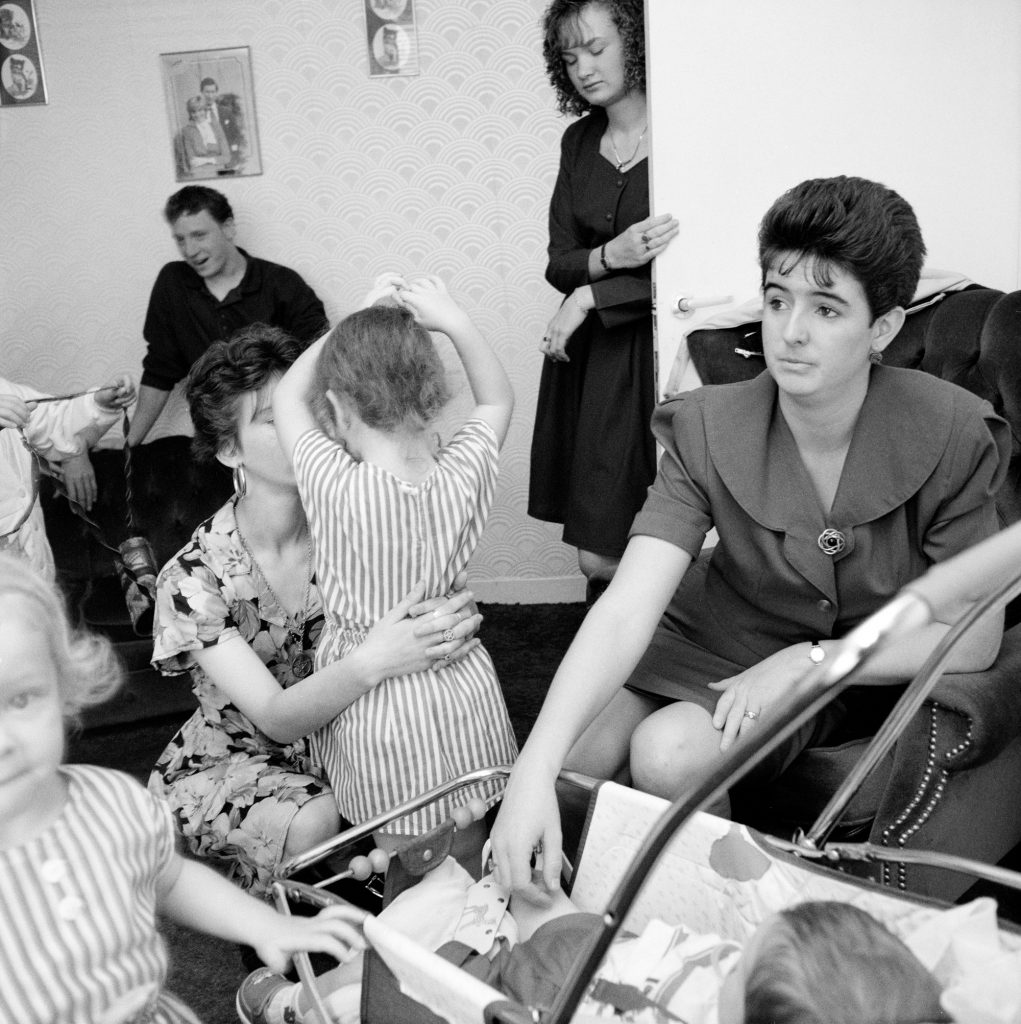
Elmdale Road, Bedminster: rear living room after refurbishment. 1950s. From Bristol Archives Ref. 40826/HSG/119/8

Brief 

The Creative Committee will:

– Selecting two more exhibiting artists/collectives for the first edition of the festival in 2021: “A Sense of Place”.

— Decide the artistic theme of the second edition with an initial selection of artists for the programme in the main festival venues for 2022/2023. 

– Consult on future partnerships & collaborations. 

These positions are freelance and will require a commitment of 35 hours over an 18-month period to begin January 2021. Meetings and all interactions will be undertaken via Zoom. Fee for this role will be £1000 and paid in 4 stages throughout the term.

Requirements

– Two year’s experience working in the arts – this can be within a voluntary or professional capacity.

– A passion and interest in contemporary photography and/or visual archives.

– An understanding of the aims and objectives of Bristol Photo Festival

– Demonstrable commitment to teamworking and collaborative ethos. 

To apply send CV alongside a short covering document to info@bristolphotofestival.org Subject: Creative Committee laying out how you meet the above spec and feel you can contribute to the Creative Committee for the festival. 

DEADLINE November 13, 2020 Midnight (GMT +1)

Scrapbook – Interview with Esther May Campbell

The Bristol Photography Festival is starting a series of interviews with local and international artists, photographers and professionals that will be involved in the festival’s programme. To kick off this new section, we are very pleased to share with you this conversation between Alejandro Acín (BPF Engagement and Education Director) and the local-based photographer and filmmaker Esther May Campbell to highlight her recent collaborative book and exhibition entitled “SCRAPBOOK”. The project includes a year-long photo club with the kids from the St. Pauls’ Playground. 

Esther works as a photographer and filmmaker. She wrote and directed SEPTEMBER, winning a BAFTA for outstanding film, as well as, ten other international awards. She directed Channel 4’s SKINS and a feature-length episode of BBC1’s WALLANDER. Her debut film, LIGHT YEARS, premiered at Venice International Film Festival. She created the onsite photography exhibition, WATER SALAD ON MONDAY – a piece recounting a year at a farm where adults with autism and learning disabilities worked. As part of Bristol’s Cube Collective, she collaborated on a community cinema project for displaced children. She is currently writing a film for the BFI, PETRICHOR, and runs Kitchen Table Photo Club for kids from her home in Easton, which will be part of the Bristol Photo Festival Autumn programme.

Alejandro Acín: I have always admired film directors for their drive and patience while making a film: long timelines, dealing with big crews, finding financial resources and all the rest… On the contrary, photographers seem to be perceived like lone wolves (even though we always work with other people); having the independence to make something from the beginning to the end, low technical requirements to produce the work, etc. I am very curious to hear how you navigate these two creative spaces but, also, how your filmmaking experience influences your photography and vice versa.

Esther May Campbell: Working in moving image requires empathy, imagination, sensitivity and collaboration skills, as well as, practical courage around budgets and schedules. So, stills do work to different degrees. But photography has always been particularly precious. It’s like coming home for me – perhaps because I had a camera as a child and loved watching people and light through a lens. Now it brings me into the present more, whereas so much of filmmaking is futurising, problem-solving, planning. And yet, this present time awareness is also crucial when filming – I have to be able to step out of the ‘planning-mind’ and sense what an actor, story, DOP needs at the moment. 

So, the skills cross over many times and in many ways. Finding a performance, or an emotion about to come through. Sensing light. Understanding what an image says, how a viewer reads a picture. Crucially the desire to make comes from the same source – a sense of wonder, a feeling for a story or emotion that wants to find a home or form. That home might come in a story made up of moving light, words and faces, but it might also be a single image or several in a sequence. I didn’t know when I began SCRAPBOOK that it would demand a chaotic collage, a multi-image approach – but somehow the energy of the Playground itself required it.

Both film and photography ask me to be present to the possibility of chance, change, disruption, so there is this delightful balance between planning and surrender.

Still photography brings me back into the world, positively affecting my day to day, whereas filmmaking takes me into fantasies, fears, battles. Both film and photography ask me to be present to the possibility of chance, change, disruption, so there is this delightful balance between planning and surrender. This is where they meet. This is what I love in them both.

AA: In previous conversations, we talked about your interest in storytelling, particularly the folk oral traditions as well as mythological literature. It’s said that moving-image is a more narrative medium than photography as time plays a different role. What’s your opinion about the storytelling capabilities of photography as a medium?

EMC: Of course, a still image can tell a story. And I spend more of my own time now looking at still images rather than watching TV or films, and I find narratives. I look at photobooks with a felt sense of time travel. I wonder and wander through its implications. There is power in not being given all the answers the way that narrative moving images might do. 

AA: It’s very common to find kids and youngsters as the main subjects or characters in your work, where is that interest coming from?

EMC: A mix of things. Firstly, children and their needs must be at the heart of culture. You probably know of seven generation stewardship – a concept urging the current generation to make decisions for the benefit of the seventh generation into the future (implicitly these are environmental, non-human as well as human concerns). Working now with the practical needs and inner worlds of children reminds me of this, daily. Also, personally, I found my childhood loving, strange and terrifying. So, I am to some degrees returning to my own edges. Unpicking how our environment affects our psyches, how we process and build layers of identity and protection. Where does our freedom go? What can our childhood freedoms do if allowed to grow and blossom – mythically and practically?

Where does our freedom go? What can our childhood freedoms do if allowed to grow and blossom – mythically and practically?

AA: Over a year you have been running a photo club with kids from St Paul’s legendary Adventure Playground, in Bristol, in a project entitled “SCRAPBOOK”. This is now resulting in a photobook and a citywide photographic exhibition displaying some of the images from the project in billboards and outdoor walls. It seems that collaborative strategies and the use of unconventional spaces to disseminate the artwork are very important elements within your practice, could you explain why and how does that affect your creative process?

EMC: First of all, during photo club, the children led me to new ways of taking pictures and conjuring images – so we were teaching one another. Meanwhile, there have always been interesting questions and challenges around authorship in photography, and I want to untangle some of these lines of thought through collaboration, collage, representing work in new places, overlaying it with the environment or another author’s hand, or the weather. I also want pictures to be seen. Books are cheap. Many images can be seen for a small cost as opposed to expensive prints or in galleries that feel exclusive to many people. Art pasted onto poster boards and to the city walls is accessible, while emotionally, the images I place outside also create ‘ghost’ layers of action, movement and faces where living humans and light has once been but are now gone. Personally, time travel is a central theme. I find time non-linear. It is creative, shifting and not at all causal. I have moments in which future and past seem to be with me in a liminal way. An image from the past shot on black and white analogue, pasted in the present to colourful concrete – somehow presents that experience.

AA: An analysis made by the Child Poverty Action Group (CPAG) estimated that there were 600,000 more children in relative poverty since 2010, with low-income families especially hard hit by austerity cuts such as the four-year benefit freeze and the two-child limit. Around £36bn has been taken out of the benefits system since 2010. Britain is now facing a very eventful time with COVID-19, but also with the new BREXIT reality. How do you see the future role of the Arts in this country? And how do you think this critical scenario will affect children’s imagination? 

EMC: Children’s joyful ability to imagine is key to our planet’s future. We have become so overloaded with information, fear and divisiveness we can’t imagine what we want, what the future might look like, how we might get there. Despair is endemic. Crucially, our grown-up, stressed-out brains are less able to play and imagine. Children must be given play spaces. Their bodies must be allowed to dance, wriggle, fall, explore along with their minds, in safe, held places. They will lead us. They will find new and ancient stories, paradigms, ways of thinking beyond the fixed parameters and assumptions of current over culture. I feel passionate about the job we all have to do here in protecting children’s rights to play – experiment with art, imagination, games and sports – and I see it amongst parents, peers and especially, at the Playground. 

St Pauls Adventure Playground was struck with an arson attack which burnt the structures the children play on. The Playground, already hit with the double challenge of austerity, and COVID 19 measures, now need to be rebuild after the fire. The Playground delivered a successful crowdfunding campaign to raise funds to repair. Now, you can also help their future by acquiring this photobook.

BUY HERE

BPF / Brigstow Institute – Research Commission

Bristol Photo Festival is delighted to be able to work with the Brigstow Institute to offer the opportunity for one research team to work together on a short project that uses photography as a research tool/approach/method.  We’d like the project to be, ideally, both interdisciplinary and co-produced, and fit broadly within the Brigstow theme of living well. We are especially interested in projects that involve participatory photography or practice-led research (so photography is a critical part of the research process).   

IC Visual Lab / THE CAGE: Visualising the Housing Crisis

We invite applications from teams responding to either of the two themes identified by the Festival:

  • Growing Spaces

This theme raises numerous questions around the places where a variety of flora grows and is grown.  We welcome a breadth of research questions that might explore the relationship between gardening, farming and craft, guerilla gardening, planting and harvesting during lockdown, productive and unproductive edgelands, as well as those spaces where nature is nurtured by human care and knowledge.  We’re interested in agriculture and growing vegetables and fruit, but also trees and plants.  These are just a few suggestions that are intended to open up, rather than close down thinking or define what we might mean by Growing Spaces! Have a look at the Bristol Photo Festival theme description at http://www.bristolphotofestival.org/growingspaces/

  • The Living Room Archive

This theme raises questions around the meanings given to the places we call ‘home’.  We welcome a breadth of research questions that might explore where we live well, how ideas of what the living room represents changes over time and space, the negotiations of private and public space within the home, how we represent self within the home through curation, the gendering of domestic space, and the social nature of the living room.  We are as interested in other living spaces that people create and occupy that are more transient and temporary, and what ‘home’ means for the displaced as well as the settled.  What are other spaces where social interactions and conversations take place?  These are just a few suggestions that are intended to open up rather than close down thinking or define what we might mean by the Living Room! Have a look at the Bristol Photo Festival theme description at http://www.bristolphotofestival.org/the-living-room-archive/

About this funding

One commission will be made and the successful team will have a budget of c. £6k to fund costs such as fees and materials for the exhibition.

Please read the application guidance for further information about this commision, eligibility, and how to apply: Brigstow Institute and Bristol Photo Festival Commission_Application guidance (PDF, 226kB)

The closing date is Wednesday 21st October 2020

CATALYST | Mentorship Program

CATALYST is a 7 month mentorship program produced by IC Visual Lab in collaboration with Bristol Photo Festival for those who wish to further their personal career and, importantly, to expand their approach and ways of photographing and exhibiting. The program is open to local based, national and international practitioners who are at the beginning of their creative career. We are aiming to create an intersectional variety of participants that bring a plurality of visions and approaches. Through this program we hope to offer a long term opportunity to 6 photographers who will receive support from a team of mentors with experience in various creative fields (artists, curators, designers, editors, arts management…). The aim is for participants to continue and finish a body of work to be exhibited as part of the exhibitions 2021 Spring program in Bristol.

“This programme seeks to emphasise the importance of the creative process with the help of an experienced team of mentors that will challenge and guide participants into a more energetic and experimental approach towards photography”

The mentoring program will be mainly delivered using online platforms so the participants won’t need to travel to attend every session.

Please find all the details about eligibility and how to apply here:

http://www.icvl.co.uk/catalyst

CATALYST | Mentorship Program produced by IC Visual Lab in collaboration with Bristol Photo Festival and with the support of the Arts Council of England.

If you have any questions about the program please send us an email to submissions@icvl.co.uk

22/06/2020 BPF Press Release

A Sense of Place

Exhibitions open spring 2021

bristolphotofestival.org

Bristol Photo Festival is a new biennial festival with a year-round programme of commissions and collaborations, culminating in a series of exhibitions by both local and international artists in spring 2021. For the first time, all of the city’s major visual arts institutions, alongside independent and unconventional spaces, have come together to create a programme to demonstrate the power and diversity of photography. Each edition of the festival will be themed and display existing work by emerging and established artists, alongside newly commissioned work engaging with multiple aspects of the city of Bristol. 

The theme of the inaugural festival is A Sense of Place. Relating to the theme, there will be year-round collaborative programmes, including projects on natural, domestic and industrial spaces across the city through the construction and contestation of visual archives, alongside the production of new photographic works and text. The exhibitions have been developed in collaboration with curators from venues across the city and includes work by James Barnor, Jessa Fairbrother, Stephen Gill, Thilde Jensen, Lebohang Kganye, Lua Ribeira, Jem Southam, Sarah Waiswa and an exhibition curated by Firecracker. The full programme will be announced in winter 2020.

Festival Highlights include:

COLLABORATIONS

Growing Spaces

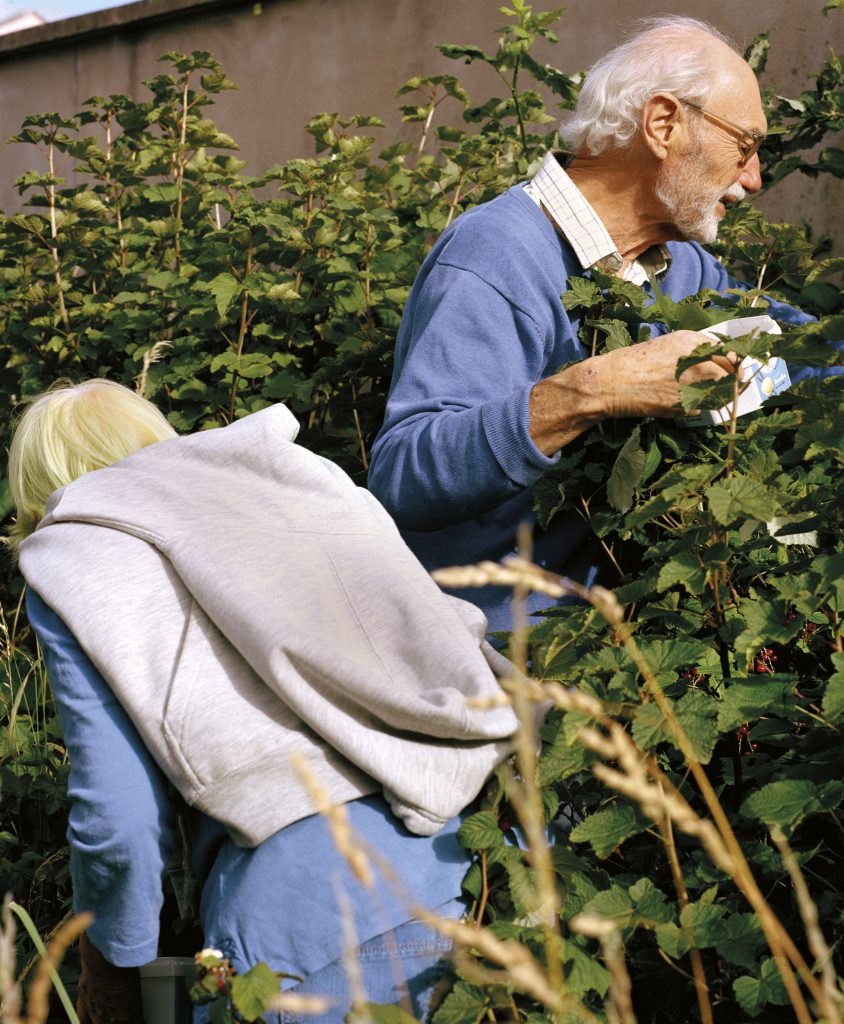
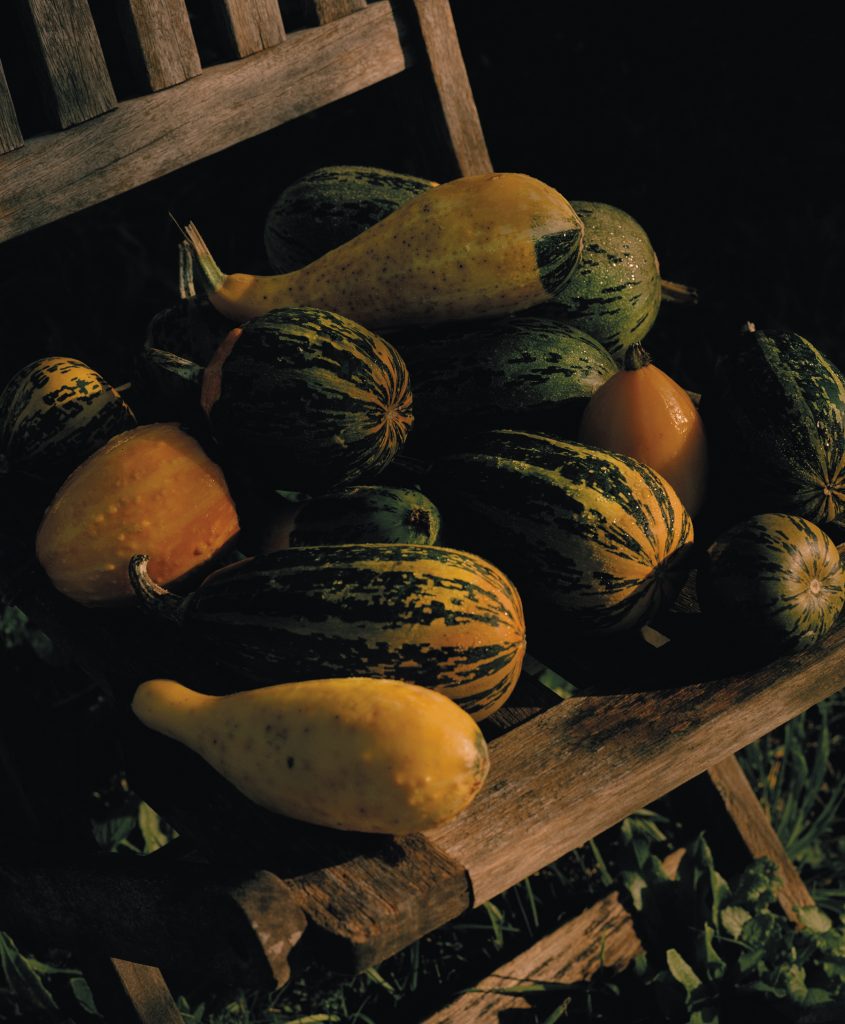
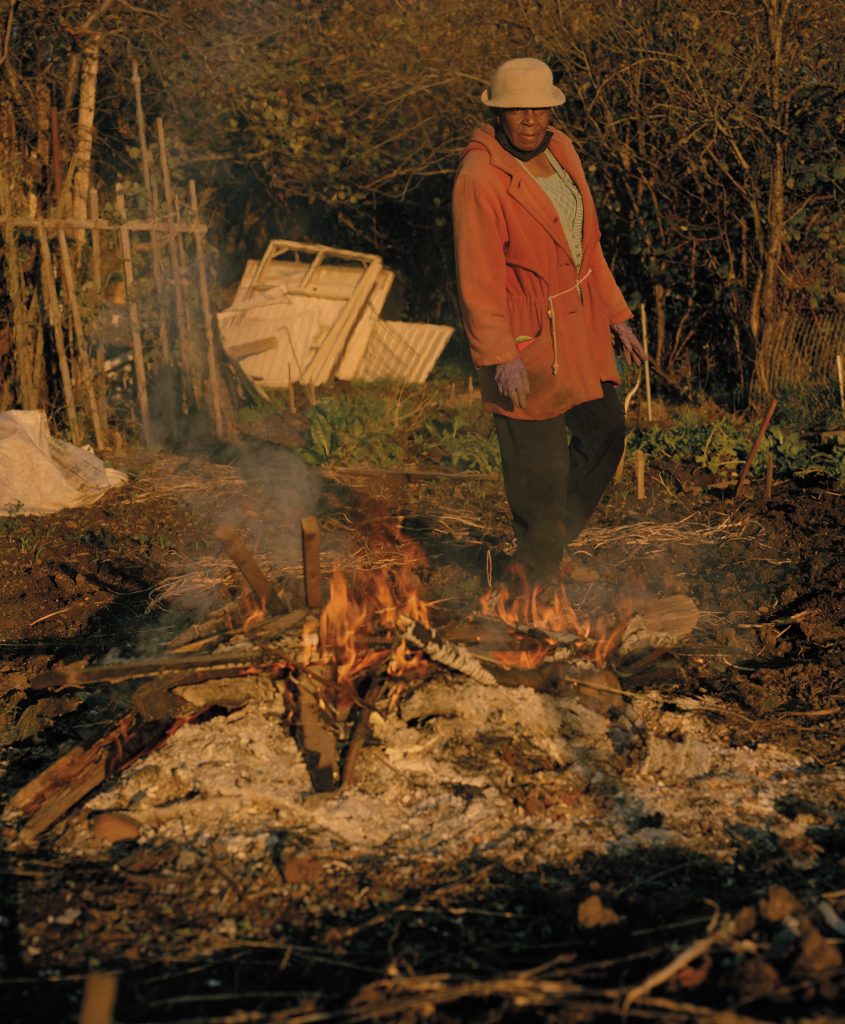
This collaborative project encompasses the traditional allotment alongside unofficial growing spaces in the city. Local photographer, Chris Hoare has been commissioned to create an ongoing project focusing on city’s allotments, accompanied by a collection of written narratives. In collaboration with allotment holders, societies and food producers, the festival will accumulate an archive of images representing this sector of city life. For further information on ongoing and future collaborations, and for how to participate please visit bristolphotofestival.com/collaborations

Claybottom Allotments © Chris Hoare

EXHIBITIONS

Thilde Jensen – The Unwanted at the Martin Parr Foundation

The Unwanted is a visual account of homelessness in America. Over a period of 4 year, Danish photographer, Thilde Jensen, set out across the US to create an authentic document of this community excluded from mainstream society. 

Bobby dragging his blanket to untangle the energy fields. Homeless for 13 years. Las-Vegas, Nevada, 2016 © Thilde Jensen

Stephen Gill – A Retrospective at the The Arnolfini

Bristol-born Stephen Gill has always created work close to home and explored his locality both directly and indirectly. From buying a cheap camera at a car boot sale, then shooting the same sale with this camera, or pressing flowers found on the wastelands of Hackney, onto photos of the same locality – a sense of place is present in his work. This exhibition will draw upon 30 years of Gill’s work from his best-known series to new and previously un-exhibited images

From The Pillar 2015 – 2019 © Stephen Gill

Lebohang Kganye at the Georgian House Museum 

Lebohang Kganyehas been commissioned to create new work to be displayed in the Georgian House Museum, drawing upon the museum’s own history and archive. Using three-dimensional, photographic collage, Kganye’s past work has explored her personal history whilst resonating with the wider history of South Africa. For this new work, the Johannesburg-based artist will weave complex narratives of this 18th century Bristol sugar plantation and slave owners home – drawing together the stories of the inhabitants, and the larger story of Georgian Bristol. 

You couldn’t stop the train in time, 2018 Inspired by The train driver by Athol Fugard. Paper  From ‘Tell Tale’, 2018 © Lebohang Kganye

EDUCATION

Bristol Photo Festival will include a unique educational programme involving students from primary and secondary schools, colleges and universities around the city and beyond. With the role and importance of visual literacy in today’s world, the festival will offer critical spaces for the discussion of photography history, its practices and contexts.

We want to challenge the concept of a festival as a month-long event parachuting into a city. We wanted to create a festival for the city, rather than in the city – with an ongoing programme throughout the year which really engages with the locality and local people in the run up to and beyond the exhibition opening week in spring 2021. Although a majority of the work in the exhibitions will not be ‘about’ the city of Bristol, much of it will relate to issues affecting the city both in its past and in the present day. The aim is for the festival to become a collaborative platform that includes participatory, educational and experimental projects reaching a variety of audiences, locations and demographics. This was only made possible thanks to public funding from the National Lottery through Arts Council England.’

Tracy Marshall – Festival Director

For further press information and images please contact Eleanor Macnair  eleanormacnair@hotmail.com  /  07815 780708

NOTES FOR EDITORS / PRACTICAL INFORMATION

The theme – A Sense of Place

To photograph a place is to describe a location that has been shaped, nurtured and even contested. It can define the frontier between nature and culture and hint at the complexities of ownership and access. It can be attended by competing narratives and polarised histories, whether they lean left or right. It can shape our understanding of the world and the
qualities that come to define us…and it can be about belonging, about appreciation and knowing a place so well that it is like no other. 

Confirmed participating venues include:
Arnolfini, Royal West Academy, Martin Parr Foundation, Bristol Museum and Galleries, Spike Island, Georgian House, Watershed and Bristol Archives.

Bristol Photo Festival has been made possible thanks to public funding from the National Lottery through Arts Council England.

Tracy Marshall has been appointed Festival Director. She is an Arts Director & Producer specialising in the production of photography exhibitions, festivals, education projects and workshops. She is Director of Northern Narratives- the non-venue-based photography production company- and was previously Director of LOOK Photo Biennial, Open Eye Gallery Liverpool and Belfast Exposed Gallery. Tracy has previously been Director of Development for a number of international Arts organisations covering the development of work for classical music, visual arts and literature. Prior to this she had also been a Director of Campaigns for health, social welfare and education charities across UK & Ireland.

Bristol Photo Festival Team

Rudi Thoemmes — Chair/Development Director  | Tracy Marshall — Festival Director | Education and Engagement Director — Alejandro Acin | Artistic Director for 1st Edition  — Martin Parr

Committee Members

Gary Topp —  Director of Arnolfini | Amak Mahmoodian  —  Artist and lecturer in photography at UWE | Becky Peters  — Senior Officer for Programming for Culture & Creative Industries at Bristol City Council | Emma Chetcuti  —  Director of Multistory, Jim Brown  —  Advisor to the voluntary, community and co-operative sector. 

What’s a festival?: A long term collaborative approach

BPF Festival Director of Engagement and Education, Alejandro Acín, shares his thoughts about the role of the festival and highlights the main aims and goals for this first edition.

It was impossible to predict what was about to happen when last February we were given the green light to start the work for this first edition. No need to say this health crisis has brought a lot of changes and challenges to our current routines especially when the enjoyment of culture has been neglected to the space of the screen (with its pros and cons). But I think we are all missing other types of cultural experiences that can help us to go through these difficult times. Art is one of the very few spaces where we can actually experience freedom nowadays, however this also needs to be continuously questioned and challenged. Therefore, creating a cultural festival to offer spaces for critical discussions and creative freedom may become more important than ever.

“art is one of the very few spaces where we can actually experience freedom nowadays, however this also needs to be continuously questioned and challenged.”

Cultural festivals seem to be ubiquitous in modern societies, filling the social calendar and the cultural agenda with a vast number of events, happenings and spectacles and Bristol is not an exception. In Bristol, we have festivals of music, food, cinema, radical cinema, theatre, performance, circus, there is also a harbour festival and a balloon festival too…  

So what’s the need for yet another festival?

Photobook Bristol 2016 © Colin Pantall

This was one of the first questions the BPF team has been trying to answer for the last two years. Probably the short answer would be that the Bristol Photo Festival is just an organic consequence of more than eight years of regular photographic activities happening in the city and delivered by a variety of actors and groups that now have decided to come together. So this coming together is an important element, if not the most, and which made possible that for the first time all the main art venues in the city are collaborating to deliver a program of photography exhibitions. Considering, the photographic scene in the city 10 years ago was minimum, this seems a good enough reason to celebrate this new festival.

So what should the role of the festival be? 

Here, we can find many different valid approaches but there seem to be a common characteristic to most of the festivals, its ephemerality. Festivals tend to happen annually, or biannually focussing their main activities over a period of time where everyone works towards it. This is a dynamic that those who organise cultural festivals cannot really avoid which is exciting and challenging at the same time. But what about if a festival is also conceived as a collaborative platform rather than just a celebratory event?. This is the second key element of the Bristol Photo Festival, it’s designed to support an ongoing public programme of photography collaborations, commissions and educational projects throughout the year, and yes there will also be a celebratory event every two years to showcase a rather exciting programme of exhibitions in the main art venues of Bristol but also in independent and unconventional spaces. 

ZANJIR by Amak Mahmoodian at Arnolfini in Bristol, co-curated by Alejandro Acín and Kieran Swann (Arnolfini programme curator). 2019

Based around these two key elements, we have designed a engagement structure with three types of programming: : Dissemination, Collaboration and Learning in order to expand the ideas around this year’s theme, “A Sense of Place”. Here, there are some highlights: 

The first two collaborative projects are looking into places that have become substantially relevant during this pandemic: The Living Room and The Allotment. We are inviting artists, students, local archives, community groups and the general public to collectively explore the documentary, (re)constructive and also fictional dimensions of these two important spaces. There will be a series of creative activities in partnership with other organisations (workshops, commissions, mail art-packages…) to complement the various digital channels of interaction as well as exhibitions displaying some of the results. 

Growing Spaces by Chris Hoare, commissioned by Bristol Photo Festival, 2020.

CATALYST is an exciting mentoring programme produced by IC Visual Lab, for local and international early career photographers supported by some of the BPF team members, guest mentors and selected artists in the production of new bodies of work which will be exhibited during the festival. A resulted exhibition will be held as part of the festival Spring program.

We are also interested in encouraging critical thinking and visual experiments using photography and visual archives in schools delivering an innovative educational project entitled CRITICAL EYE: Visual Archives for Education, also produced by IC Visual Lab and design by THE CAGE team in collaboration with local museums, galleries and archives with a yearly programme of activities involving artists, students and school teachers.

THE CAGE: Visualising the housing crisis workshop by IC Visual Lab and Julián Barón. 2018

Finally, we will cooperate with other local, national and international organisations in the delivery of unique exhibitions, events and public programmes. For example, we are working with Firecracker as part of their 10th Anniversary, showcasing a generation of woman practitioners using photography as instigator of conversations, interventions and collaborations. Another example is a collaboration with the British Empire and Commonwealth Collection held at the Bristol Archives in a public programme to challenge and question Bristol’s colonial legacy through a series of creative activities with diverse groups around the city. 

Ghost Stories: Working from collections, an IC Visual Lab workshop in collaboration with Federico Claverino.

These are only few of the activities that we will initiate in this first edition, the program is in constant development exploring the boundaries of the photography medium, how it permeates through other disciplines like film, music or performance and establishes a dialogue with other fields such as science, anthropology or history. We are determined to make a program that engages with an intersectional audience that represents the demographics of the city of Bristol. We will reflect and evaluate these experiences to keep challenging ourselves in the design and delivery of new activities in the city of Bristol.