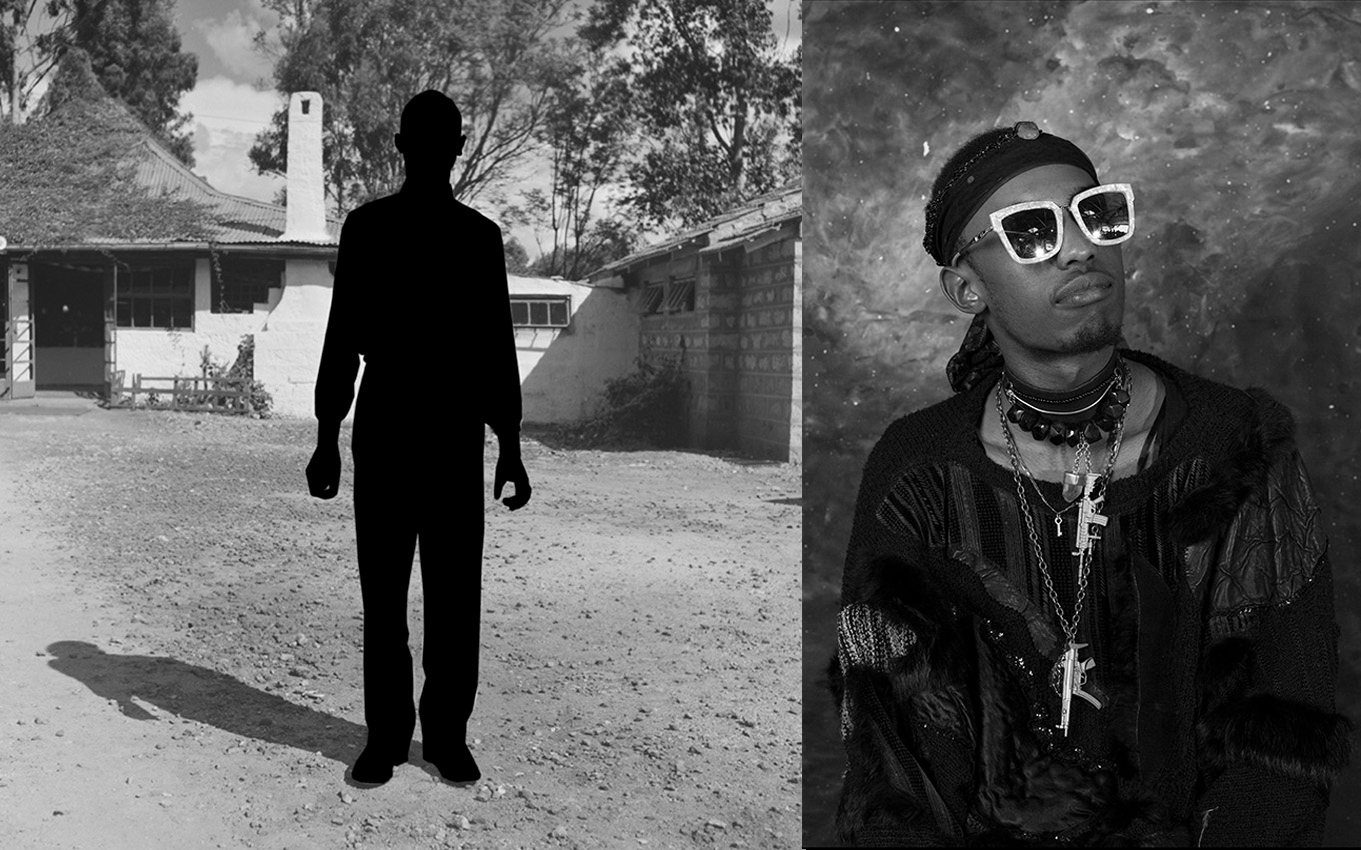
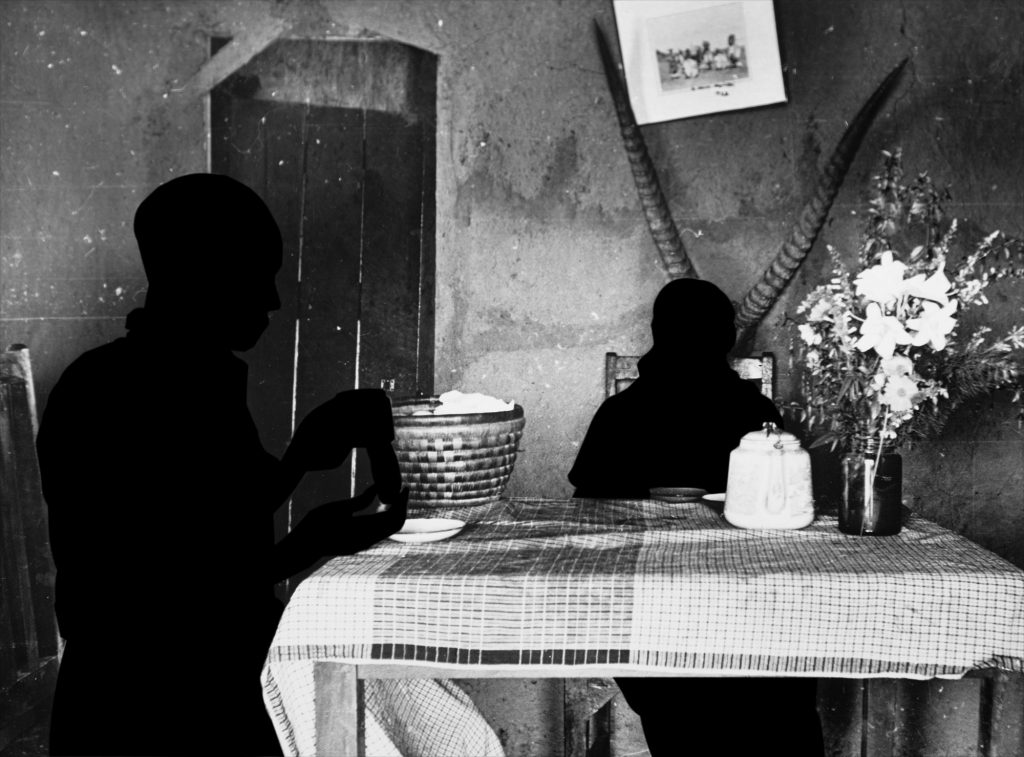
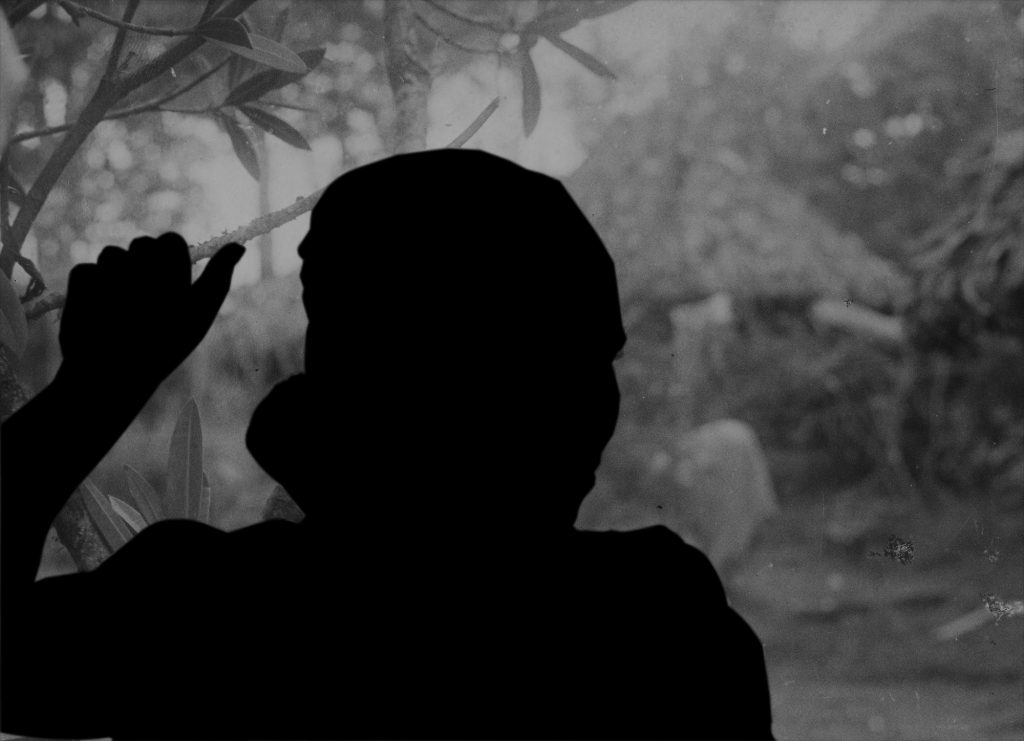
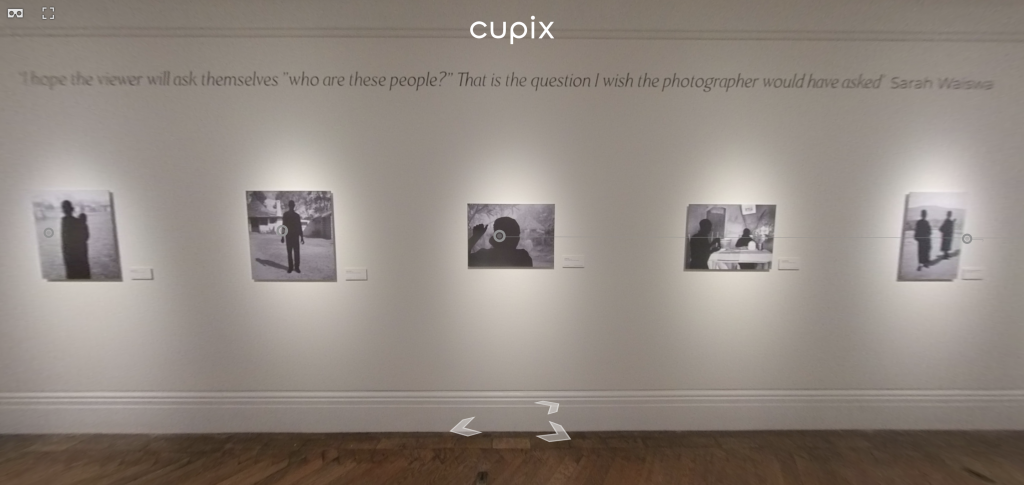
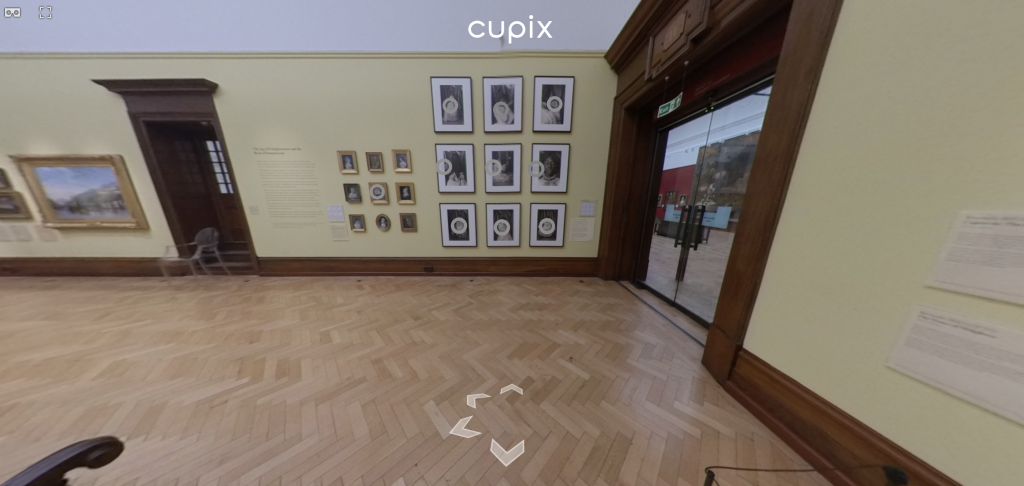
Sarah Waiswa, a documentary and portrait photographer based in Kenya, will be collaborating with the British Empire and Commonwealth Collection at Bristol Archives. The exhibition will showcase a selection of her contemporary portraits of African people alongside portraits from the archives in a thought-provoking display, to reframe and challenge existing narratives around colonialism, power and identity. Sarah draws heavily on the captions of the archive images in her interpretation, and one of these has been used as the title of the exhibition.
Sarah Waiswa has collaborated with the British Empire and Commonwealth Collection (BECC) at Bristol Archives to create the exhibition Lips Touched with Blood. Waiswa’s contemporary portraits of African people will be displayed alongside manipulated portraits from the archive to reframe and challenge existing narratives around colonialism, power and identity.
“This project deals with the impact of colonialism on identity in Kenya. The archival images show the power imbalance that existed between the colonialists and the natives. In the archival images, the photographers had the power to define the narrative. They presented the people in the way they saw them, and not necessarily as who they were. The Kenyans pictured are seen but not really seen. To me the people are subjects in someone else’s story and not their own. They are illustrations. The captions on the photos are a further expression of this perception. The colonialist’s research is more important than the person in the photo.
By blacking-out the subjects, I interrupt that colonial gaze and take the power away from the photographer. I hope the viewer will ask themselves “who are these people?” That is the question I wish the photographer would have asked. By juxtaposing my images of young Kenyans, I hope that the images can speak to each other. I hope that it can show a reclamation of identity. There was erasure in colonial time. This project is an attempt to reconstruct and recreate the subjects’own identity on their own terms.’
The exhibition’s title, Lips Touched with Blood is drawn from the caption of a portrait from the archives taken in 1953. The photograph was taken after an alleged Mau Mau cleansing ceremony shortly after the Lari massacre and there is much ambiguity in both the photograph and the caption. It is not clear if the man depicted was connected to the Mau Mau and their atrocities, or if he were an innocent local resident, smeared by sensationalist British propaganda about the Mau Mau. Waiswa was drawn to this photograph as the look on the man’s face is one of power, which is absent from many images taken in the colonial period.
The archive photographs in Lips Touched with Blood are from the British Empire & Commonwealth Collection. The archive contains around half a million photographs from the countries of the former British empire, alongside film, oral history, objects and documents. The photographs date from 1860 to the 1970s, and were mostly taken by British travellers.
Sarah Waiswa is a documentary and portrait photographer based in Nairobi, Kenya. She was invited to collaborate with the archives on this exhibition as she has a particular interest in exploring identity on the African continent. Sarah had access to thousands of digitised archive images via the new BECC online catalogue, from which she made her final selection. The BECC team are working on various other projects with audiences in postcolonial countries and diaspora communities worldwide to restore as much context to their collection as possible.
Artists Heather Agyepong, Jessa Fairbrother, and Lua Ribeira have collaborated with Bristol Museum and Art Gallery. In a series of separate interventions, the artists’ own work will be displayed alongside and interspersed with the Museum’s collections to encourage new dialogues around the works.
Memorialization in the Age of Forgetting | Heather Agyepong
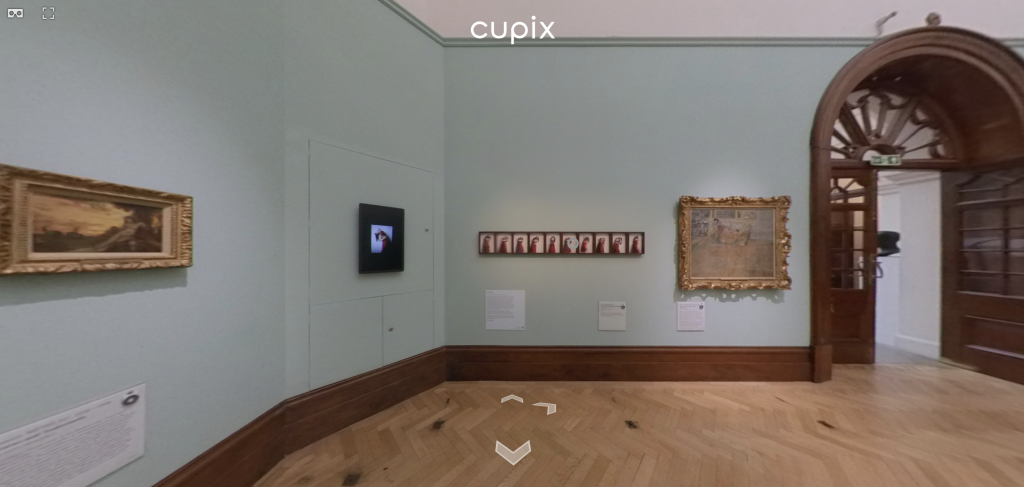
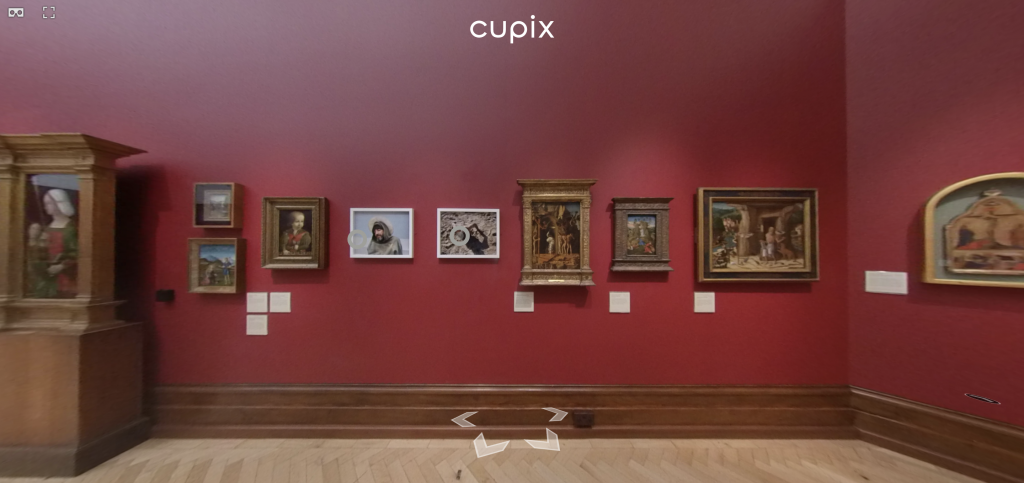
Heather Agyepong utilises her own image in her photography, performing a catalogue of identities that have paraded through colonial discourse on African peoples. ‘Too many blackamoors’ quotes a letter from Queen Elizabeth I and Agyepong performs cartes de visites (visiting cards) by Sarah Forbes Bonetta, the West African god daughter of Queen Victoria. Her work will be shown among the Grand Tour paintings from the 18th century offering a postcolonial perspective on the gallery.
In Conversation, and In Character | Jessa Fairbrother
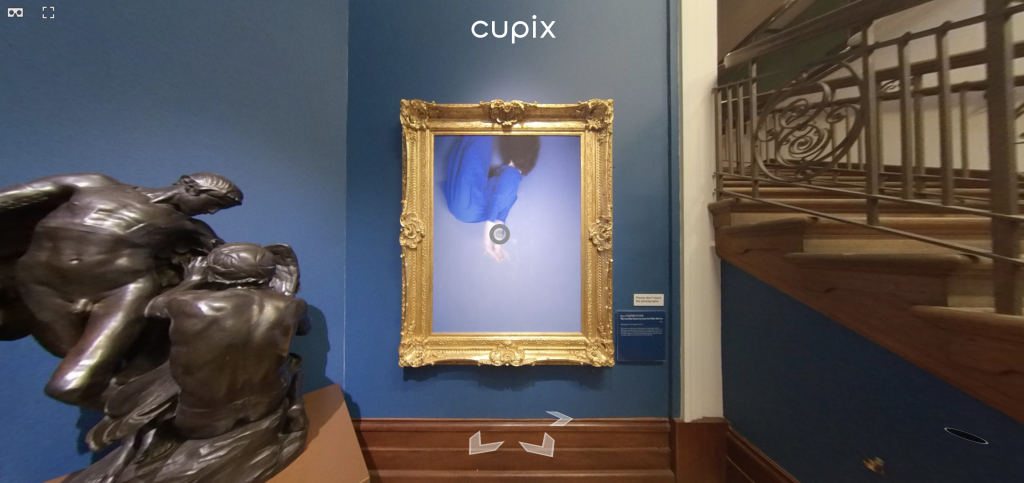
Jessa Fairbrother explores images of femininity through the lens of psychoanalysis, the relationship between mother and daughter, motherhood and loss. She often (but not always) uses her own body, along with personal photographs which she embellishes with stitch, or punctures. Her work will be shown among the museum’s renowned Pre-Raphaelite paintings and modern French art, presenting self-authored contemporary narratives alongside the historic images of women by men.
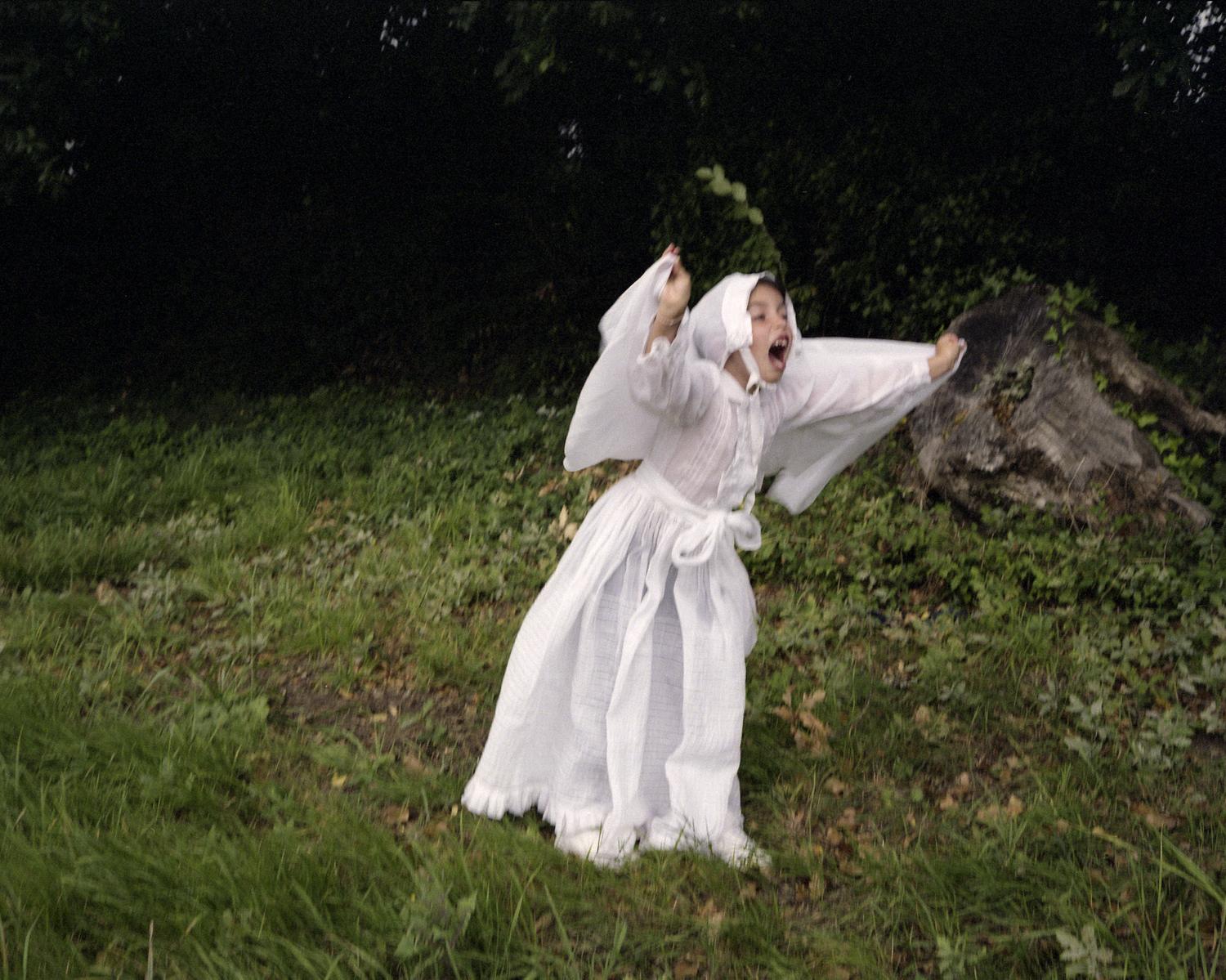
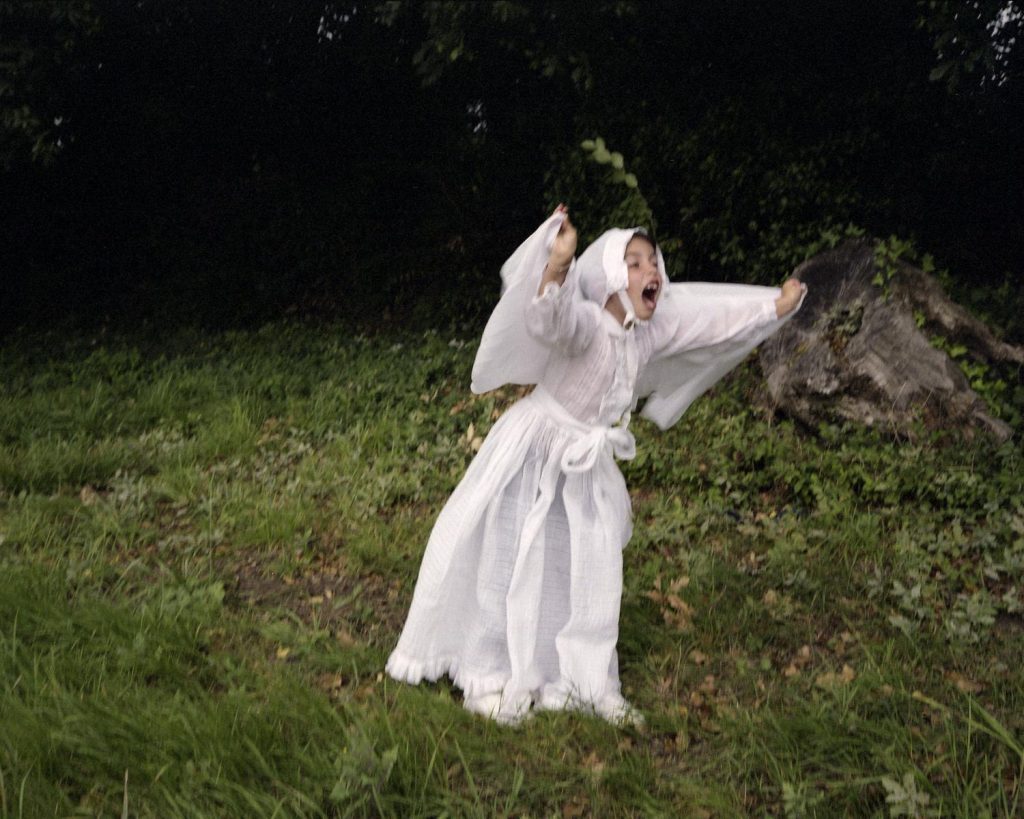
Lua Ribeira brings a vivid intensity to her photographs which aim to question the role images play in the social construction of groups. She collaborates with her subjects and there is a spiritual dimension to the images that has affinities with Renaissance art on the one hand and formal aspects of abstract painting on the other. Ribeira is interested in the idea of being transported – by synthetic, aesthetic or religious means – and alludes to angels and demons in her work. Her photographs, belonging to various series, will be shown amongst the angels and demons of Solario and Bellini.
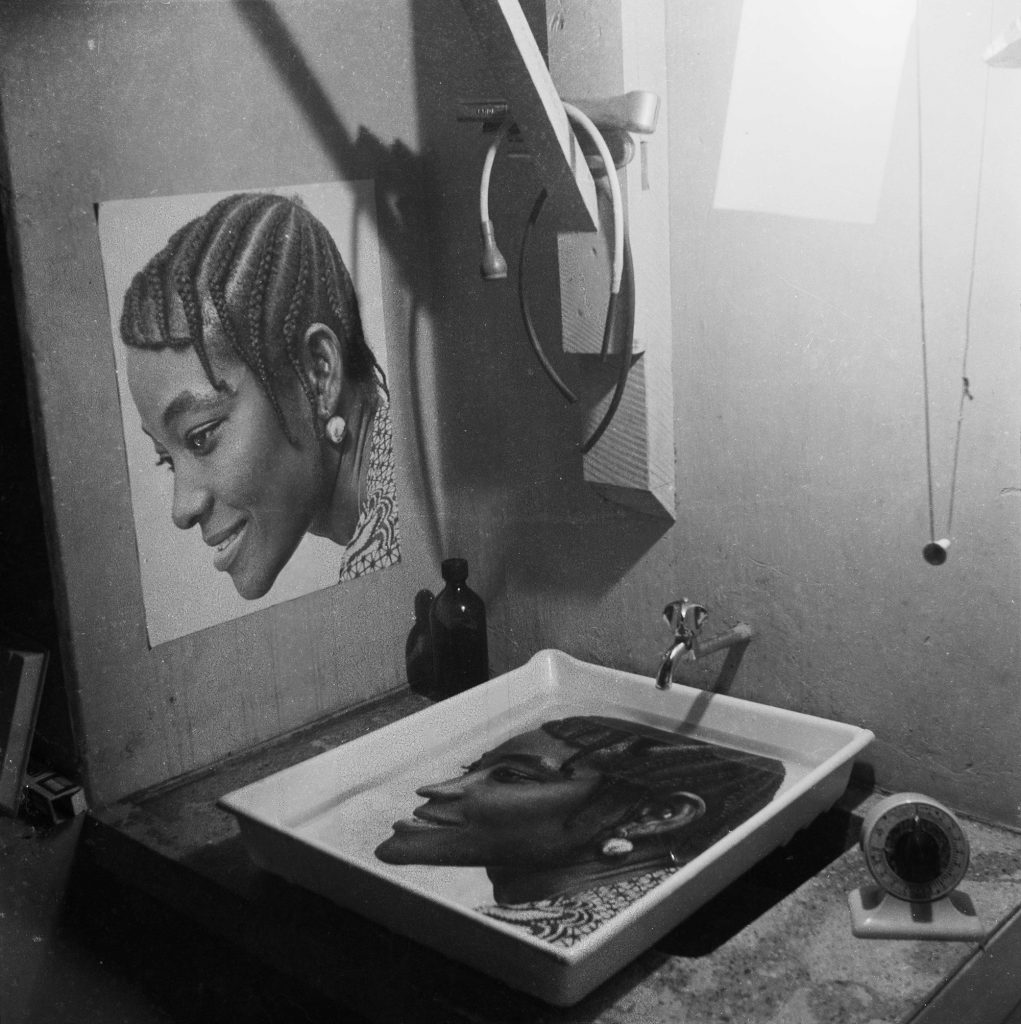
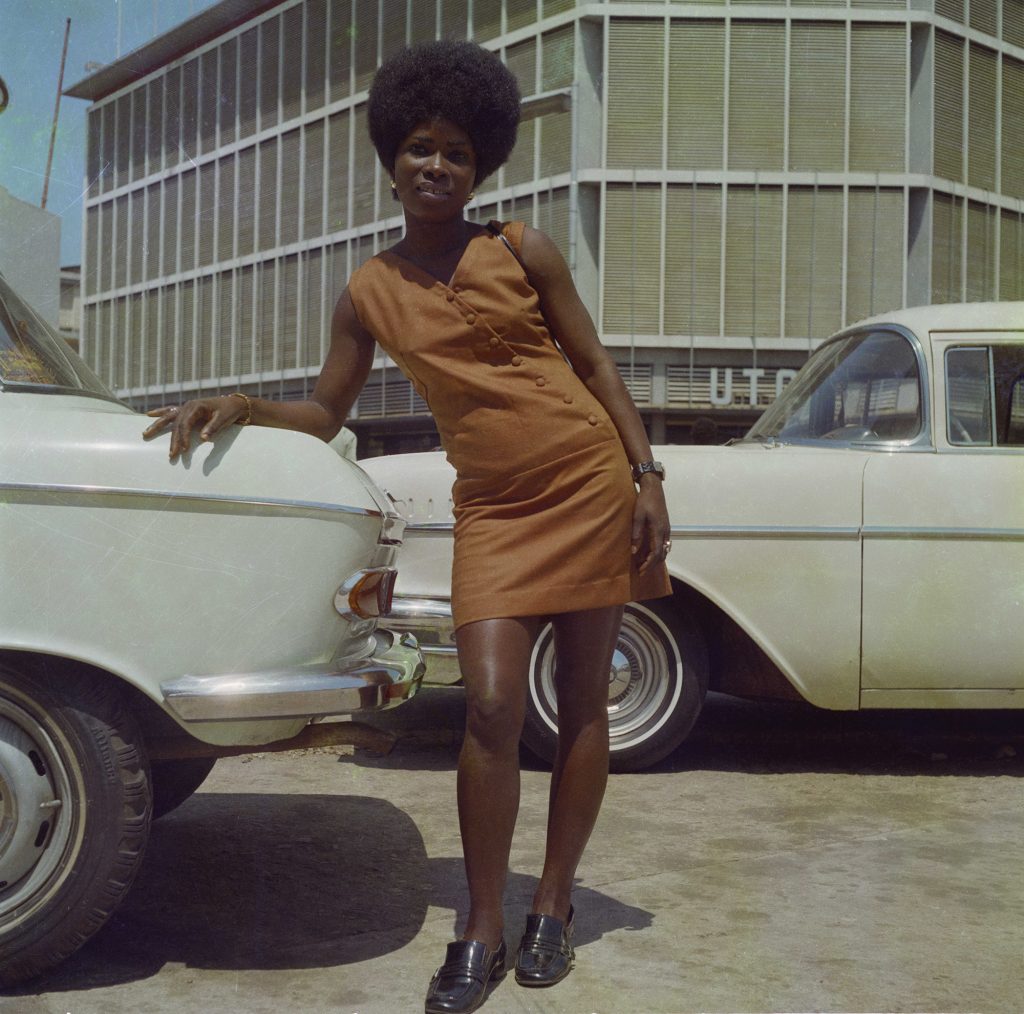
James Barnor was Ghana’s first international press photographer working from his studio Ever Young at the time of independence (1957) and selling his pictures to the Daily Graphic and Drum magazines. He came to Britain in 1959, photographing London and returning to Accra where he established X23, the city’s first colour photography studio. Ghanaian Photographer showcases Barnor’s Black modernism, a fusion of pan- African futurism and 1970s style.
A new retrospective exhibition by photographer James Barnor draws on previously unpublished work to demonstrate his modernism and inherent skill as a colourist.
James Barnor (b.1929) was Ghana’s first international press photographer. He came from a family of photographers and established his own studio in Accra, Ever Young in 1950. He worked from this studio at the time of Ghana’s independence whilst also selling his pictures to the Daily Graphic and Drum magazines. He came to Britain in 1959, and whilst working in a factory, he took photography evening classes at the London College of Printmaking and lessons with the Colour Processing Laboratory in Kent. He went on to study at Medway College of Arts, eventually returning to Accra in 1969, where he established X23, the city’s first colour photography studio. He returned to London in the 1990s.
In 2009 the 80 year-old photographer revealed his archive to two London curators. His archive is a remarkable document of post-war modernity spanning photographs from the time of Ghana’s independence, scenes of multicultural London, and later images recording a strong postcolonial identity in Ghana. The metaphor of the road in the book’s title, suggests the continuity between the past and the present, tradition and progress, and the links between generations and peoples of different contents present in Barnor’s work.
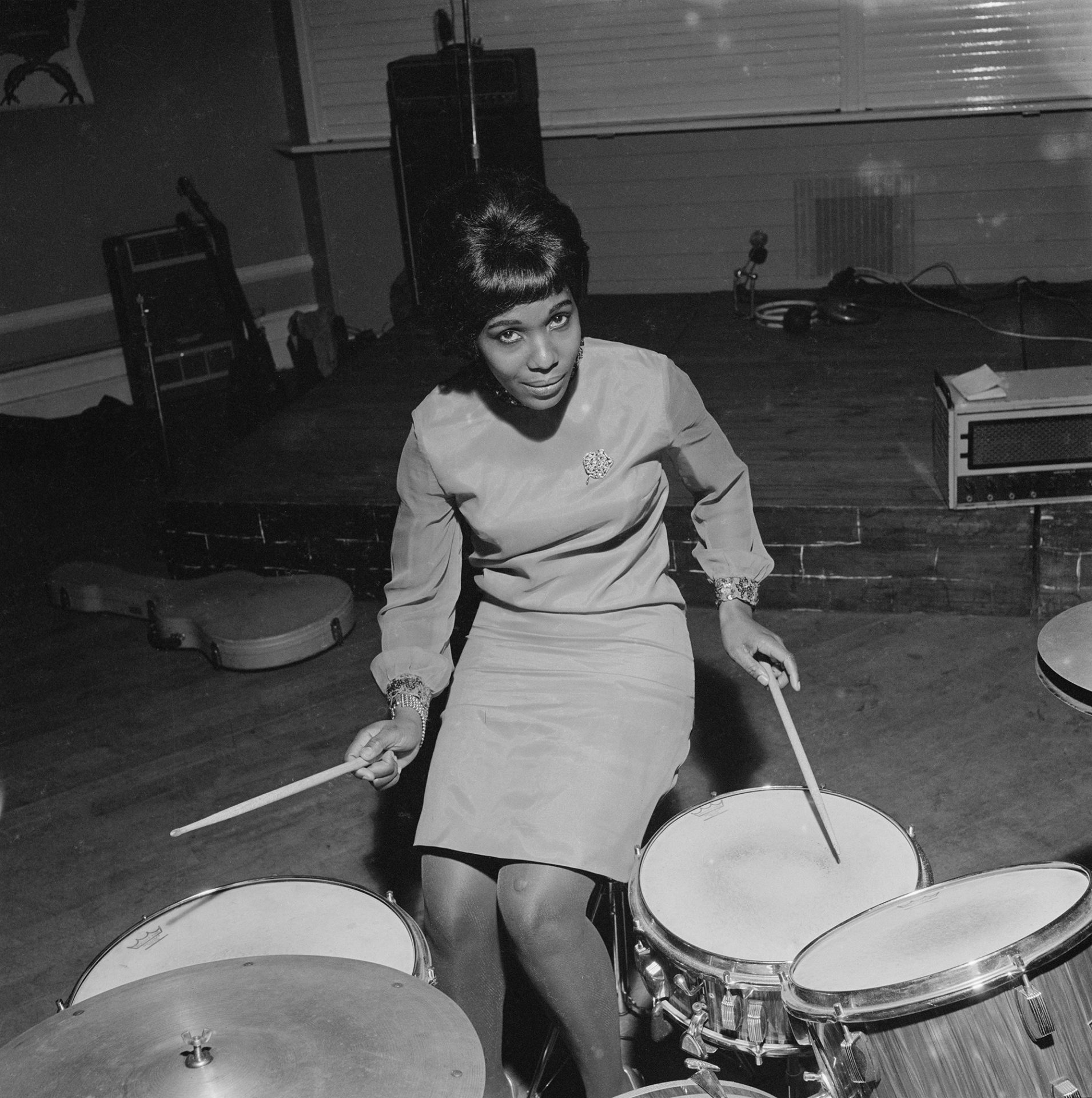
The earliest photographs in the book and exhibition include lively street scenes taken in Accra after Barnor had been encouraged by Jim Bailey, editor of Drum, to record Ghanaian Independence. These are contrasted with his composed studio portraits taken at Ever Young, showing his photographic range from the start of his career. An image of Barnor himself captured working in the Agfa-Gevaert in Mortsel, Belgium, 1969 and an image of a print in progress, made at Studio X23, Accra, c. 1972, offers insights to his working practice. Once in London, both Barnor’s commissioned magazine work and his informal photographs of friendships recorded the diversification of Britain. Later works include an alternative image to his well-known vivid portrait of an assistant at Sick-Hagemeyer department store posing with coloured canisters, and a photograph of a model posing for the Agip F1 calendar in a wax-print dress, signalling her postcolonial identity.
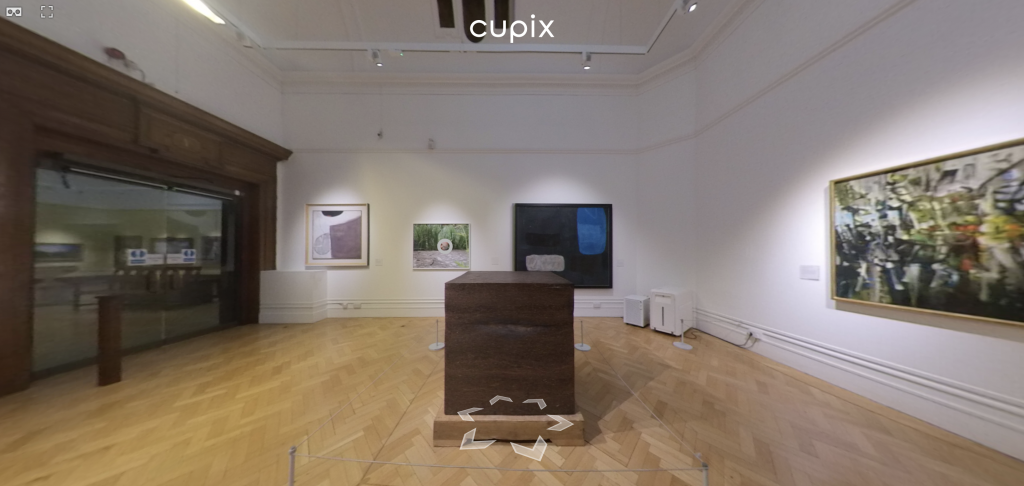
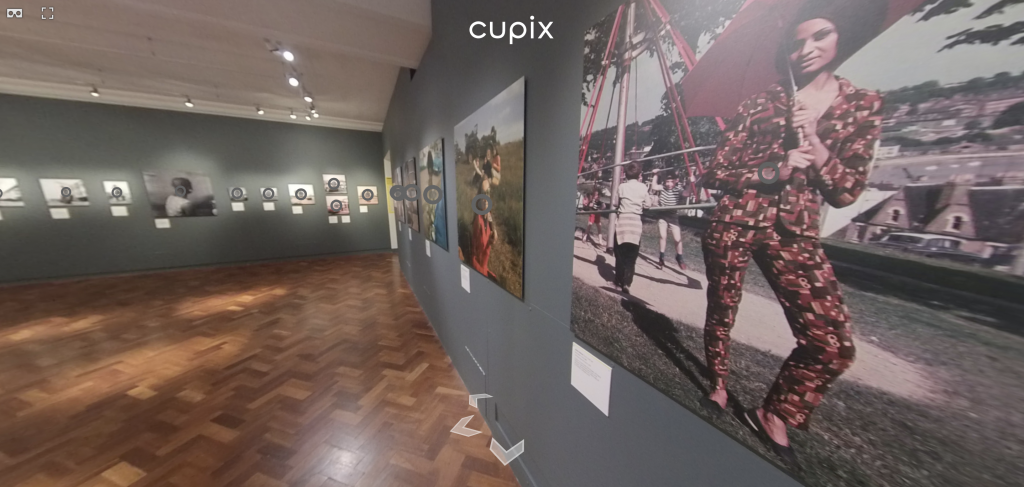
Click on the image below to visit the virtual tour.
Vanley Burke Siffa Sound System, playing the Carnival, Handsworth Park. 1983
Fri, 21 May 2021 09:30am to 5pm | ONLINE | £5 TICKET | BOOK NOW
Diversity and Inclusion in Photography is presented by Bristol Photo Festival in partnership with the RPS and Jennie Ricketts.
The Bristol Photo Festival and the RPS are hosting a one-day online symposium, curated by Jennie Ricketts. Through the work of photographers and those working within photography it explores themes around diversity and inclusion.
In order for Diversity to have real meaning, people of different classes, ethnicity, ability, sexuality should be given equal opportunity for inclusive collaboration. Photography is arguably the most democratic universal language with a broad global reach, so it seems the perfect medium for bringing people together to achieve this. A festival that celebrates both the practice of photography in its many forms, and offers a commitment to change the disparity between one practice or another can only be a positive means of attaining that goal.
This Symposium for the first edition of Bristol Photo Festival sets out to demonstrate such a commitment. It aims to provide some insight on the work and practice of different photographers, highlight the challenges they may have faced and how they overcame them, and finally identify what is needed and how to support them in their practice now and for the future.
Running Order for the Day:
From 9.15: Zoom waiting room opens
9:30 – 10:00: Introduction from Tracy Marshall- Grant, Bristol Photo Festival Director handing over to Jennie Ricketts.
10:00 – 11:00: Keynote speaker Vanley Burke
Break
11:15 – 12:15: Joy Gregory in conversation with Jennie Ricketts
2:05 – 3:20 : Dr Shawn Sobers will have conversations with Black photographers Garfield McKenzie from Bristol and Dennis Wiley from Bath
3:25 – 4:05: David Constantine
Break
4:15 – 5:15: Women in photography panel discussion with Joanne Coates, Kirsty MacKay, Fiona Rogers, Max Houghton
Close
The other confirmed speakers include:
The keynote speaker is the renowned Birmingham photographer Vanley Burke. Often described as the ‘Godfather of Black British Photography’, his presentation will be about his 50 year career in the photography industry with particular focus on his 2012 retrospective book and exhibition ‘By the Rivers of Birmingham’. He will live stream and take questions from the audience.http://www.vanley.co.uk/
Joy Gregory. Practicing since the 1980s, Joy will present an abridged summary of her career as a fine art practitioner and academic in the photography industry. https://www.joygregory.co.uk/.
Dexter McLean. A photographer with Cerebral Palsy, Dexter will talk about managing his work and practice while living with the condition. https://www.dextermclean.com/contact.php.
David Constantine. Co-founder www.motivation.org.uk. A quadriplegic wheelchair user, David will talk about managing his practice alongside heading a disabled charity and being a motivational speaker. https://www.sittingimages.com/,
Joanne Coates. Founder, Lens Think Yorkshire. Describes herself as a working class documentary storyteller, and will talk about her practice in the rural North of England. http://www.joannecoates.co.uk/
Kirsty MacKay. Co-founder, The Other Collective. A Scottish documentary photographer living in Bristol will talk about her practice and work with The Other Collective. https://www.the-other-collective.com/
Dr Shawn Sobers. Associate Professor of Cultural Interdisciplinary Practice at the University of the West of England, Bristol. Will chair a panel discussion with Black photographers Garfield McKenzie from Bristol and Dennis Wiley from Bath. www.shawnsobers.com
Max Houghtonis the Course Leader for MA Photojournalism and Documentary Photography (full-time) at London College of Communication. Max is a writer, editor and curator working with the photographic image as it intersects with politics, law and human rights. Her interdisciplinary doctoral research at UCL focuses on law and the image, and, with David Birkin, she is co-founder of UAL research hub Visible Justice.”
Fiona Rogersis the Director of Photography and Operations for Webber Represents and Webber Gallery. She is the founder of Firecracker, a platform supporting female photographers, and recently authored a book published by Thames & Hudson; Firecrackers: Female Photographers Now, celebrating contemporary women practitioners. She is on the Board of the Martin Parr Foundation and The Peter Marlow Foundation and an advisor to the Royal Photographic Society.
Bristol Photo Festival is a new biennial festival with a year-round programme of commissions, collaborations, and exhibitions by both local and international artists. The first edition encompasses a summer showcase of photography exhibitions across the city followed by a full autumn programme of festival exhibitions and events including a book fair, film programme, talks series and symposiums.
For the first time the city’s major visual arts institutions, alongside independent and unconventional spaces, have come together to create a programme to demonstrate the power and diversity of photography. The festival will launch in the spring with exhibitions including work by Laia Abril, James Barnor, Chloe Dewe Mathews, Jessa Fairbrother, Adama Jalloh, Lua Ribeira, Jem Southam, and Sarah Waiswa amongst others. This will be followed by major exhibitions in the autumn by Stephen Gill, Lebohang Kganye and Thilde Jensen alongside series of outdoor shows. The exhibitions are accompanied by an events series, workshops and collaborations both on and off-line to bring the festival outside the conventional gallery space.
Island Life: photographs from the Martin Parr Foundation | Bristol Museum and Art Gallery
Island Life draws upon photographs from the Martin Parr Foundation collection to show the changing fabric of our cities, society and collective identities. Focusing on post-war from the UK and Ireland, the exhibition will bring together images by over 60 photographers including Khali Ackford, Pogus Caesar, Elaine Constantine, Sian Davey, Chris Killip, David Hurn, Ken Grant, Markéta Luskačová, Graham Smith and Tom Wood. Collectively the images form a compelling study of national behaviour.
From Thames Log by Chloe Dewe Matthews
Thames Log | Chloe Dewe Mathews | Martin Parr Foundation
Chloe Dewe Mathews spent five years photographing up and down the River Thames, from its puddling source to great estuary mouth. The resulting series of work, Thames Log, examines the ever-changing nature of our relationship to water, from ancient pagan festivities through to the rituals of modern life.
From The Floating Harbour by Jem Southam
The Floating Harbour | Jem Southam
This series of photographs of Bristol Harbour in the late 1970s by Jem Southam provide a unique and definitive portrait of the harbour at a time of rapid change. One of Southam’s first major projects, the photographs were published in ‘Floating Harbour’ (1983) and majority of the works will be exhibited here for the first time.
James Barnor: Ghanaian photographer | Bristol Museum and Art Gallery
James Barnor was Ghana’s first international press photographer working from his studio Ever Young at the time of independence (1957) and selling his pictures to the Daily Graphic and Drum magazines. He came to Britain in 1959, photographing London and returning to Accra where he established X23, the city’s first colour photography studio. Ghanaian Photographer showcases Barnor’s Black modernism, a fusion of pan-African futurism and 1970s style.
Museum Interventions | Bristol Museum and Art Gallery
Artists Heather Agyepong, Jessa Fairbrother, and Lua Ribeira have been invited to take part in collaborate with Bristol Museum and Art Gallery. The artists’ own work will be displayed alongside and juxtaposed with the Museum’s collections and archives.
IN PROGRESS: Laia Abril – Hoda Afshar – Widline Cadet – Adama Jalloh – Alba Zari | Royal Photographic Society
IN PROGRESS is a new show commissioned by the RPS consisting of five solo exhibitions of both new work and work-in-progress, by some of the most innovative photographers and photo-based artists working today. The exhibition explores a wide range of issues – including personal history, cultural identity, nationality, community, migration, displacement, memory, responsibility, morality, belief and the creative process – and highlights the diverse possibilities that photography offers in the pursuit of both artistic and social progress.
Lips Touched with Blood | Sarah Waiswa | Bristol Museum and Art Gallery
Sarah Waiswa, a documentary and portrait photographer based in Kenya, will be collaborating with the British Empire and Commonwealth Collection at Bristol Archives. The exhibition will showcase a selection of her contemporary portraits of African people alongside portraits from the archives in a thought-provoking display, to reframe and challenge existing narratives around colonialism, power and identity. Sarah draws heavily on the captions of the archive images in her interpretation, and one of these has been used as the title of the exhibition. There will also be a programme of talks, workshops and events around this exhibition.
Growing Spaces | Chris Hoare | Royal Fort Gardens (University of Bristol)
Growing Spaces by photographer Chris Hoare is a chronicle of urban land cultivation in Bristol. Since April 2020, Hoare has been slowly and methodically documenting the allotment-goers, landscape and seasonal changes across the official and unofficial growing spaces of the city. The resulting photographs will be exhibited in the inaugural edition of the festival to coincide with the publication of a book of the project by RRB Photobooks.
Elective Affinities | BPF Public Gallery | Billy Barraclough, Debsuddha, Jenna Garrett, Kelly O’Brien, Maria Gracia Cebrecos, Sibusiso Bheka
The concept of ‘elective affinity’ presented in 1809 by Johann Wolfgang Goethe in his novel Wahlverwandschaften (Elective Affinities), is used to express the conflict between responsibility (culture) and passion (nature) – and the ‘natural’ matchmaking force between them. This concept is the inspiration for the group exhibition, online installation and publication produced during Catalyst —an international mentorship programme showcasing six innovative photographers. The works explore family narratives, social roles, grief and loss, faith and place, mythological representations and racial segregation. This exhibition is produced by IC Visual Lab in collaboration with Bristol Photo Festival.
Dipina tsa Kganya | Lebohang Kganye | Georgian House Museum
A film installation exploring a familial narrative that is concerned with notions of healing, enacted through gestures of naming and of cleansing. South African artist, Lebohang Kganye references family, memory and heritage. Kganye has created a new work at the Georgian House Museum as part of Bristol Photo Festival. The installation offers a response to the violence of historical erasure of names and oral traditions. The house was once home to a sugar trader and his enslaved staff. Dipina tsa Kganya invites us to reflect on the legacy of colonialism as a shared history.
Stephen Gill | Arnolfini | 6 October 2021 to 16 January 2022
Celebrating thirty years of extraordinary practice, Bristol-born photographer Stephen Gill, draws together new previously un-exhibited series, such as Please Notify the Sun, alongside works from his iconic back catalogue, with the first UK presentation of images from award winning photographic series and book The Pillar. The exhibition explores through the flea markets and towpaths of Hackney Wick in London, to his current rural surroundings amidst the Swedish countryside.
I AM NOT INVisible | Thilde Jensen | Martin Parr Foundation
I AM NOT INVisible is a visual account of homelessness in America. Over a period of 4 years, Danish photographer, Thilde Jensen, set out across the US to create an authentic document of this community excluded from mainstream society.
Bristol Photo Festival is collaborating with Firecracker to celebrate their 10th year anniversary. The exhibition will bring together photographers whose practice moves, with intimacy, through overlooked groups of people. A generation of female and female-identifying photographers is using photography not as a tool of oppression but as instigator of conversations, interventions and collaborations. This exhibition, which includes work by Peyton Fulford, Spanita Malik, and Raphaela Rosella amongst others will be accompanied by a talks and events programme.
Turn to Return. | Helen Sear & Robert Darch | Centerspace
Work by Helen Sear and Robert Darch will be exhibited together for the first time in Turn to Return. The Island by Darch is a poetic series of photographs made in response to Britain’s vote to leave the European Union. The series reflects his anxieties, hopes and fears about a decision that will affect generations for years to come. Helen Sear’s Love Island is a series of photographs made repeatedly walking the same mountain passage in Majorca during the month of December 2019. Exploring imitation and contagion as forms of magic involving repetition and contact, these photographs depicting Aleppo pines and fallen boulders reveal a path while simultaneously denying a view.
The Symposium ‘Inclusive Collaboration: Commitment to Change’, aims to demonstrate the diversity of practitioners within the photographic community. The keynote speaker is Vanley Burke, and other confirmed speakers include Joy Gregrory, Dexter McLean, David Constantine, Joanne Coates, Kirsty MacKay, and Dr Shawn Sobers. Produced by Jennie Ricketts. There will be a second symposium in autumn 2021.
From Photography to Cinematography | June / October (TBC) Watershed
A series of screenings and events which will explore the creative relationship between the still and the moving image. Many cinematographers work with or incorporate still image influences into their filmmaking. This programme will feature the film work of cinematographers like Ed Lachman (The Virgin Suicides, Carol) Hélène Louvart (Rocks, Happy as Lazzaro) and Seamus McGarvey (The Hours, We Need To Talk About Kevin) to examine their photographic influences and inspirations.
‘When we established Bristol Photo Festival in mid 2019 and began to put together this programme with our festival funders, venue partners and curators we could never have imagined that we would be launching it during such period in global history. Our theme ‘A Sense of Place ‘ has taken on an even greater resonance and relevance after 12 months of life restricted within a global pandemic. Working and evolving with the circumstances and the unknown, the team, the artists and partners continued to progress this programme, daunted at times but never broken. So it is with even greater pride that myself, Alejandro Acín and the rest of the festival team and partners announce the inaugural programme of this first edition of Bristol Photo Festival’
To photograph a place is to describe a location that has been shaped, nurtured and even contested. It can define the frontier between nature and culture and hint at the complexities of ownership and access. It can be attended by competing narratives and polarised histories, whether they lean left or right. It can shape our understanding of the world and the qualities that come to define us…and it can be about belonging, about appreciation and knowing a place so well that it is like no other.
Bristol Photo Festival has been made possible thanks to public funding from the National Lottery through Arts Council England.
Bristol Photo Festival joined photographer and filmmaker Esther May Campbell‘s workshops (developed from Kitchen Table Photo Club and Scrap Book), commissioning a special post-lockdown session in December with a group of kids in the forest.She was assisted by UWE student, Maria Meco Sanchez, who was invited to write a post about her experience.
An ‘Ancient Playground of Artistic Disciplines’ is the most accurate way of describing an afternoon with Esther May Campbell and the kids in one of her workshops in collaboration with BPF. As time passes the participants become more engaged in what the forest’s got to offer.
Esther’s approach to her workshop rejects classic hierarchy and embraces the art of “letting go”. She encourages kids’ autonomy and helps them to chase and realise their ideas through creative challenges. They’re asked to contribute and plan images, they invent scenarios and love doing it. Some of the more experienced kids have grown strong ideas of how they’d like to take part in the image creation.
The beauty and the purpose of the woodland transcends its initial appearances. It’s a non-judgmental place, it can be everybody’s playground. Regardless of personality, your background and your approach in life, there is always something one can find to take your mind away.
From finding companionship within a stick, to imitating owls at dusk these kids envision scenarios based on natural props they encounter along the way. Kids ages and personalities are very varied and so it’s their way of engaging with the place. The forest is also the common ground for the most hyper and introverted souls alike.
Esther uses Film Photography as an enabler more than a final destination. The medium in this case, has an elusive importance, it engages the kids whilst they create an image however, when the shutter has closed and there remains no screen to witness, they are instantly forced to re-engage with their surroundings.
We are happy to announce a new, three-year partnership with the University of the West of England. The partnership will open up a wide range of work experience placements and live briefs for both undergraduate and postgraduate photography students at UWE Bristol. Students will also have access to industry talks and events, opportunities to display their work at prestigious exhibitions and venues. In addition, high-level industry mentorships will be available for MA Photography students.
Speaking of the partnership, Assistant Vice-Chancellor of Creative and Cultural Industries Engagement, Lynn Barlow, said:
‘‘We are proud to be investing in Bristol’s photography industry and culture while creating greater opportunities for our students. Our photography courses are designed to help students develop their photography skills and creative talent as well as to help them launch successful careers after graduation. This partnership will help us to do just that, providing students with real briefs and projects to work on, networking opportunities and much more. Bristol Photo Festival and IC Visual Lab are doing excellent work to nurture and promote new talent, and we’re very excited to be working with them.’’
Bristol Photo Festival aims to bring new work to national and international audiences. The new festival celebrates the power and diversity of photography and will produce solo and group exhibitions in Bristol and beyond with their first exhibition programme scheduled for Spring 2021. Festival Director Tracy Marshall-Grant said:
“This partnership will allow the festival to provide platforms for students which will offer them the experience of working on large scale photography projects and exhibitions over a sustained time and within a formal organisational structure of support. We are really looking forward to opening up opportunities which will allow students to develop and enhance their skills in curation, installation, production and wider arts management. ”
More information about the upcoming opportunities will be announced the next year.
The aim of this Creative Committee is to work collaboratively with the festival team, city venues and community partners towards the second edition which will take place between 2022/2023. Bristol Photo Festival is committed to new and collaborative long-term approaches to curation, production and engagement, and we believe that each of the selected members will be a great contribution to make a festival programme that is relevant for the Bristol and international audiences.
It is our desire to have a diverse and innovative committee with a wide breadth of experience, age and representation. We have taken time as a team to go over each applicant individually but now we are very excited to introduce the selected new committee members.
Sarah Allen is Assistant Curator, International Art at Tate Modern where she curates exhibitions & displays and researches acquisitions for the collection. She has recently co-curated the major touring survey Zanele Muholi (2020) as well as curating exhibitions and displays from the permanent collection including Nan Goldin (2019), Irving Penn (2019) and David Goldblatt (2019). Further exhibitions include The Shape of Light: 100 Years of Photography and Abstract Art (2018); Sophie Taeuber-Arp (forthcoming, 2021) & The Turbine Hall Commission (forthcoming, 2022).
Bristol Photo Festival joins forces with Arnolfini to offer a commission opportunity for a Bristol based artist or artist collective to work together on a short project that uses photography to explore ideas around housing and wellbeing. The project should embrace the medium of photography, although this can be combined with text, sound, video or performance. We are interested in experimental approaches, socially engaged practitioners and those who have previously co-developed photographic projects with community groups or explored health issues although this is not mandatory. Photography should be a critical part of the creative process. The outcome will be exhibited at Arnolfini and feature online on the Bristol Photo Festival website.
Jo Spence Only when I got to fifty did I realise I was Cinderella 03. Collaboration with Rosy Martin
The Commission
This commission is a collaboration between Arnolfini, the Bristol Photo Festival and Golden Key, a partnership between statutory services, commissioners, the voluntary sector and people with lived experience working together to improve services for Bristol citizens with the most complex needs.
We invite applications from artists or collectives responding to the commission theme identified by the Festival:
Blueprint: Housing & Wellbeing
“We don’t always have the ability to recognise the importance of these affective messages as images or symbols, but these creative imaginings and their resonances can free us from what the psychiatrist and psychoanalyst Charles Rycroft called the ‘veils of our defence’ (1979). It is the recognition of the dialogue or the links between the phantasies of the artist and the projections of the viewers or analysts within this dialogue that bring awareness as a form of working through or thinking together within a collaboration.”
Understandings of ‘home’ are complex and multi-dimensional. By nature the experience of what makes a house a home to someone is highly subjective. In the subjective understanding of home, when viewed as an existing residence, ‘home’ is found to be critical to personal and emotional support, given its place as a haven offering comfort, warmth, relaxation, nourishment, retreat, sanctuary as well as peace and quiet. ‘Home’ is deeply personal and highly emotional, and as such is critical to each individual’s understanding of themselves and their quality of life. The home’s role can have a direct effect in the residents’ self-fulfilment and self-development emphasised in respect of health, both physical and mental. Security and safety is also important, as is the engagement with the natural environment. Exploring people’s understanding of ‘home’ can lead to further explorations about a sense of wellbeing.
This theme raises questions around the meanings given to the places we call ‘home’ and it’s relation to wellbeing. We welcome a breadth of creative proposals that might explore where we live well, how ideas of what a home represents changes over time and space, the negotiations of private and public space within the home, how we represent self within the home through creative experiments, the gendering of domestic space, and the social nature of housing. We are as interested in other living spaces that people create and occupy that are more transient and temporary, and what ‘home’ means for the displaced as well as the settled.
Timeline / Artist Fee
One commission will be made and t he successful artist or collective team will have a fee of £1500 to fund costs. This fee includes any costs for the production of the work. Bristol Photo Festival and Arnolfini will cover the printing production of the final display. The closing date is Monday 26 October 2020. The timeline for this commission is:
October 26, 2020– Applications submitted
October-November 2020– Arnolfini and Bristol Photo Festival works with successful artist or collective to develop the commission
November 2020 – January 2021 – Research and production
February 2021– Display of the work at Arnolfini and public talk
How to Apply
We are awarding one commission aimed at artists, photographers and art collectives based in Bristol with a track record of producing high quality work. A strong commitment to working at a professional level. Ambition for their work and practice.
● The work must be made in a 3 month period between November and January 2020.
● To Submit please FILL THIS FORM with the documentation mentioned below:
○ A copy of your most recent CV
○ Examples of previous work & website links. This should be attached in a pdf file.
○ A description of the work you propose to do and the community you are intended to work with if any (maximum 1000 words), what it is your intended outcome as well as any initial ideas about the display. Please also include how you are planning to spend the budget (no special requirements on how to spend the budget).
OR
A short 3 minute video covering the above. Please upload your video onto youtube and include the link in the application.
Panel
The selection process for this commission will be delivered by a multidisciplinary jury panel composed by a series of professionals and artists: Keiko Higashi (Arnolfini Engagement Producer), Alejandro Acin (BPF Engagement & Education Director), Tracy Marshall (Bristol Photo Festival Director), Claire Hyman (Hyman Collection), Heather Agyepong (Artist) and two members from Golden Key.
Evaluation Criteria: Artistic merit, strength of participation, connections to sense of place, creativity, feasibility.
Considerations
The following are Words of Wisdom that might help guide you when planning your project.
● Be clear at the application stage about how much time the project will take, what your contribution will be and what other resources you might need.
● This is only a 3 months commission so make sure that you propose something realistic that can be achieved in this time-frame.
● Projects may be co-created and co-led. If you want someone to be involved but they can’t commit the same amount of time as the rest of the team, why not include them as assistants instead?
● Ideas should flow between the artists and the commissioners – avoid one-way flow of information and ideas. The knowledge generated by the project should be mutually beneficial.
● Be prepared to step outside of your comfort zone and experiment with methods and approaches, and output formats you may not have worked with before.
● Don’t underestimate the value of frequent, face-to-face meetings with the group you are working with. Remember that there is value and learning from those discussions, as well as pursuing the project itself.
● The projects are generative – while there might be the immediate outputs for the display at Arnolfini in collaboration with Bristol PhotoFestival, many projects have taken months or even years for the research to develop, secure further funding, crystallise approaches, and create further outputs.
A bit about the Arnolfini, Golden Key and Bristol Photo Festival
Woven into the fabric of Bristol since 1961, Arnolfini is a pioneer of interdisciplinary contemporary arts, presenting an ambitious, eclectic programme of visual art, performance, dance, film and music, carefully curated to appeal to a broad audience. Housed in a prominent Grade II listed, accessible building on Bristol’s harbourside, Arnolfini is an inspiring public space for contemporary arts and learning, greeting over half a million visitors each year and offering an innovative, inclusive and engaging experience for all. An internationally-renowned institution, throughout its history Arnolfini’s programme has welcomed artists from a wide variety of cultures and backgrounds, supporting and developing their work, investigating their influences and aspirations. Arnolfini is an independent organisation, proud to be a part of the University of the West of England, Bristol , supported by Arts Council England and the Ashley Clinton Barker-Mills Trust , and run with the invaluable guidance of its Board of Trustees. https://arnolfini.org.uk/
In Winter 2020, Arnolfini will present a major retrospective of Jo Spence, an exhibition drawn from The Hyman Collection which will focus on the intersection between arts, health and wellbeing. The exhibition will celebrate Spence’s work as a photo therapist, using photography as a medium for psychological health.
Sitting alongside Spence’s work is A Picture of Health , a group exhibition of contemporary women photographers from The Hyman Collection who have responded to subjects of health and wellbeing. Featuring autobiographical perspectives to social commentaries on the wider society, A Picture of Health is a timely exhibition as those throughout the world are united by the effects of the current global pandemic.
The exhibition will draw together a model of community co-curation with health and wellbeing issues impacting our audiences locally, nationally and internationally, to develop a new practice of inventive audience engagement at Arnolfini and to lay the foundations for Arnolfini to become a Centre for Wellbeing, a recognised space which will welcome and support our community to access art programmes which improve and maintain good mental health and wellbeing.
Golden Key is a partnership between statutory services, commissioners, the voluntary sector and people with lived experience across Bristol. We work together to improve services for Bristol cizens with the most complex needs.
Our work focuses on those who have been idenfied as having complex needs. All our clients experience a challenging mix of homelessness, long term mental health problems, dependency on drugs/alcohol and offending behaviour.
By working closely with these clients, we are able to see the system through their eyes and pinpoint areas where it is not working. We use this informaon to idenfy the changes services need to make for the beer, both strategically and operaonally.
We are an eight-year project funded by the Naonal Loery Community Fund. Our work is connuously and independently evaluated. This is so lessons can be learned about how services can be improved for the most vulnerable – not just here in Bristol but across the whole of the UK.
We are bringing about change at every level – from the way we structure services, to the way we run the city.
Bristol Photo Festival is a new biennial festival with a year-round programme of commissions and collaborations, culminating in a series of exhibitions by both local and international artists in spring 2021. For the first time, all of the city’s major visual arts institutions, alongside independent and unconventional spaces, have come together to create a programme to demonstrate the power and diversity of photography. Each edition of the festival will be themed and display existing work by emerging and established artists, alongside newly commissioned work engaging with multiple aspects of the city of Bristol. The theme of the inaugural festival is A Sense of Place .
Bristol Photo Festival is new and innovative international photography festival based in Bristol. It produces national, international solo and group exhibitions, talks, events, workshops and training through a partnership model of collaboration with all the key photography, visual arts and cultural venues in the city. Bristol Photo Festival is developing a Creative Committee to work collaboratively with the festival team, city venue and community partners.
This is a new committee with 3 vacant positions which will sit alongside the Festival Director- Tracy Marshall, Education & Engagement Director – Alejandro Acin and Bristol based artist and academic Amak Mahmoodian.
It is our desire to have a diverse and innovative committee with a wide breadth of experience, age and representation and we have created a job spec on this basis. As an entirely remotely based committee we welcome applicants from all international bases as well as locally based.
Elmdale Road, Bedminster: rear living room after refurbishment. 1950s. From Bristol Archives Ref. 40826/HSG/119/8
Brief
The Creative Committee will:
– Selecting two more exhibiting artists/collectives for the first edition of the festival in 2021: “A Sense of Place”.
— Decide the artistic theme of the second edition with an initial selection of artists for the programme in the main festival venues for 2022/2023.
– Consult on future partnerships & collaborations.
These positions are freelance and will require a commitment of 35 hours over an 18-month period to begin January 2021. Meetings and all interactions will be undertaken via Zoom. Fee for this role will be £1000 and paid in 4 stages throughout the term.
Requirements
– Two year’s experience working in the arts – this can be within a voluntary or professional capacity.
– A passion and interest in contemporary photography and/or visual archives.
– An understanding of the aims and objectives of Bristol Photo Festival
– Demonstrable commitment to teamworking and collaborative ethos.
To apply send CV alongside a short covering document to info@bristolphotofestival.org Subject: Creative Committee laying out how you meet the above spec and feel you can contribute to the Creative Committee for the festival.