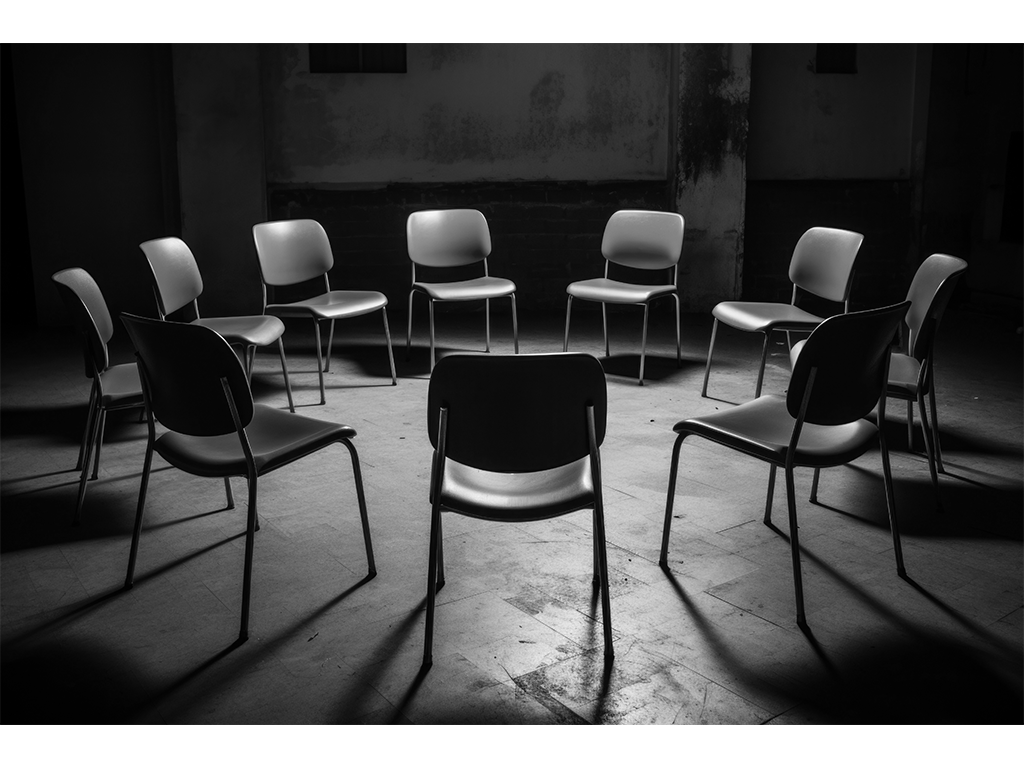
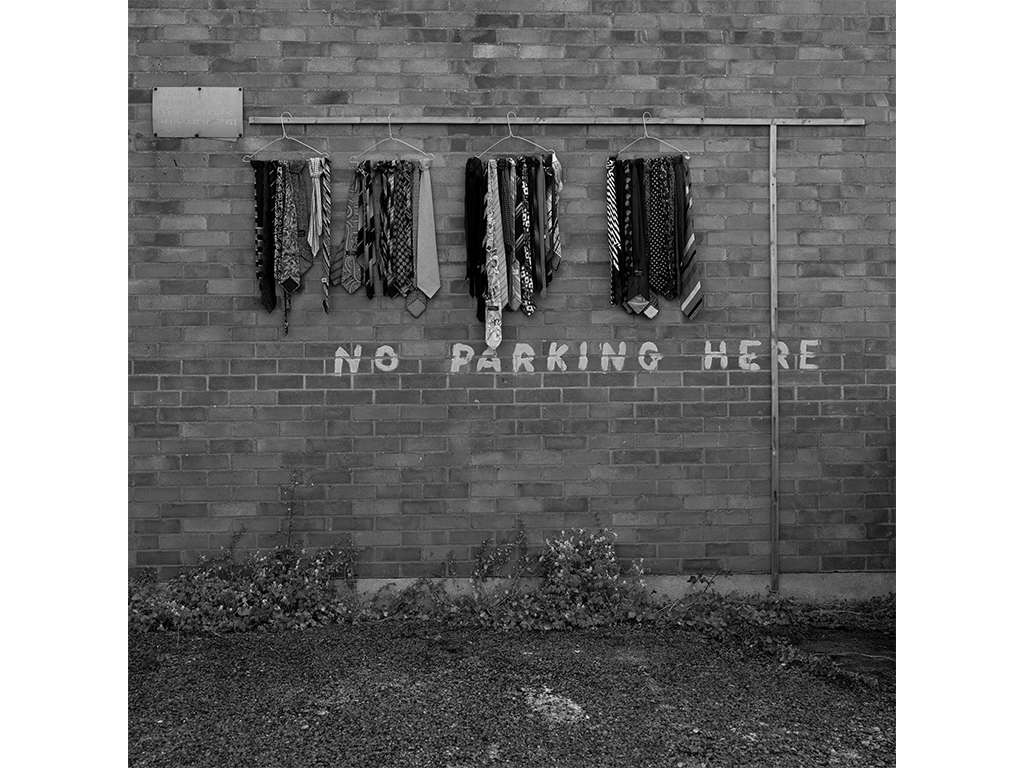
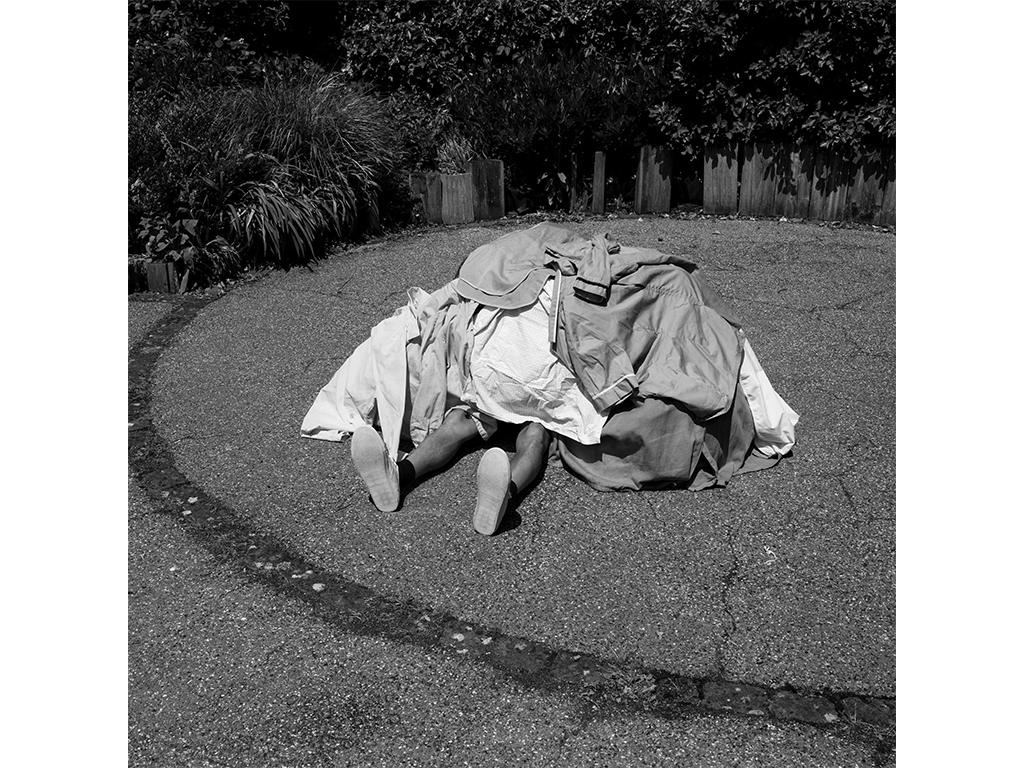
Supporting incarcerated people to develop and publish first-person stories, using photography and creative writing.
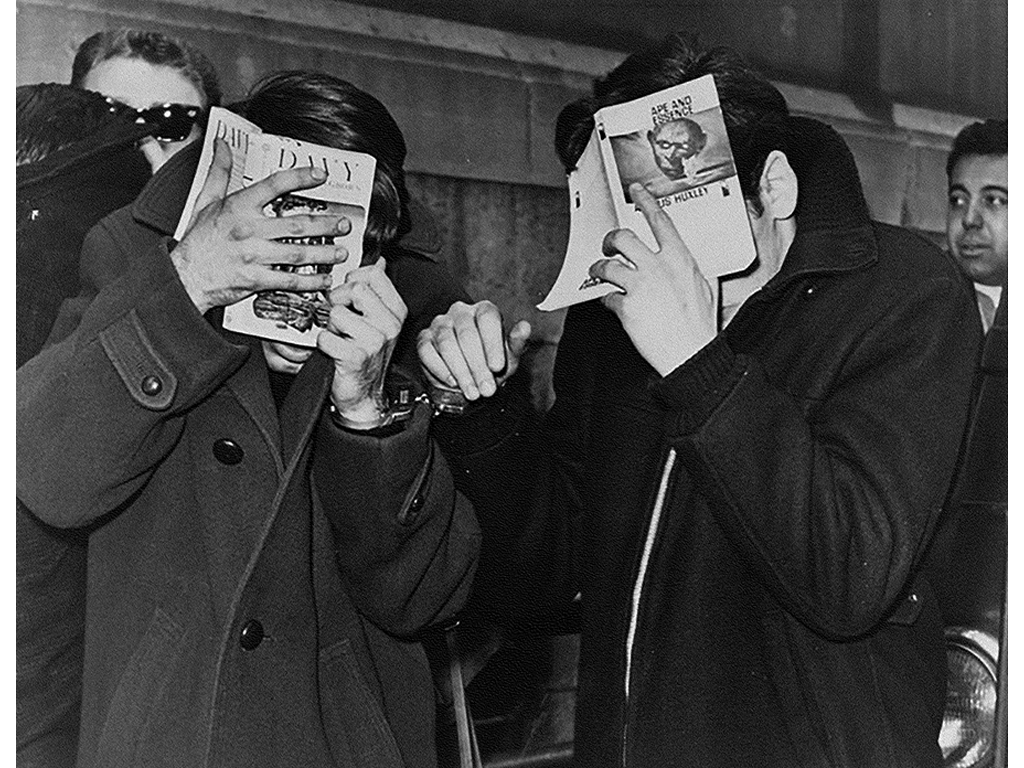
While every prison contains a library, how many of the books have been written by authors with direct experience of incarceration? What would it mean to create a library of books created by those imprisoned, speaking directly to those facing the same challenges?
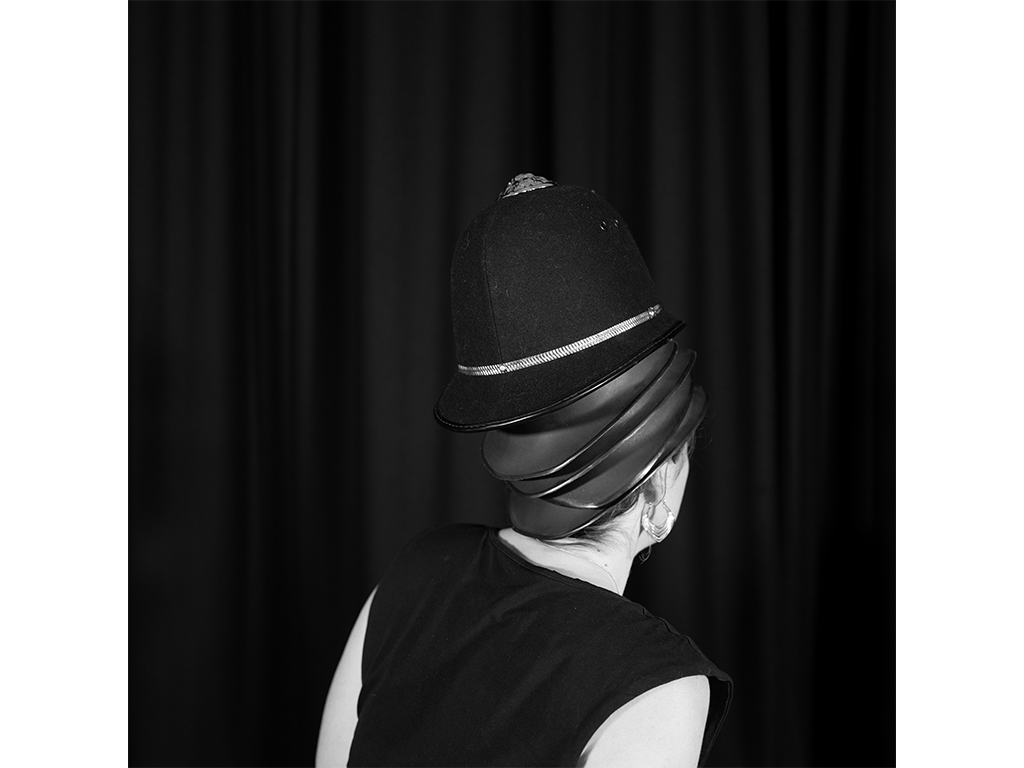
The Prison Mobile Library is a collaboration between IC Visual Lab, Bristol Photo Festival and Weston College. Through a series of workshops, we are inviting imprisoned individuals across three prisons (HMP Bristol, Dartmoor & Exeter) to create new stories, using photography and creative writing. The results will be published, available from participating prison libraries, and displayed as part of the festival (details to be announced Summer 2024).
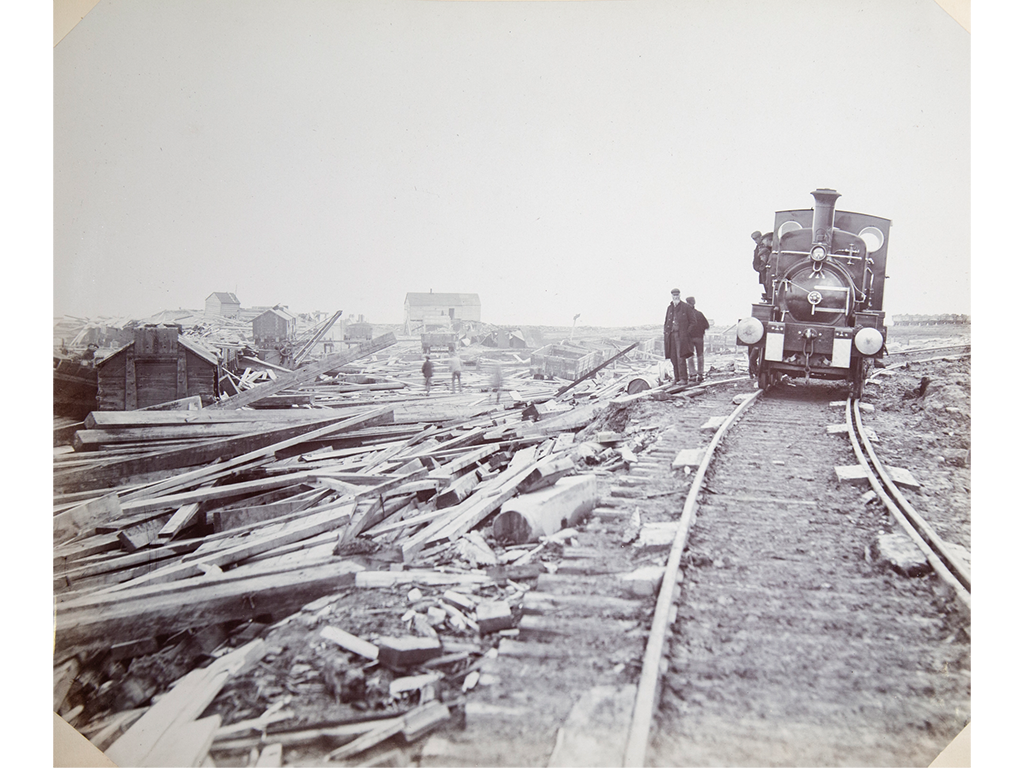
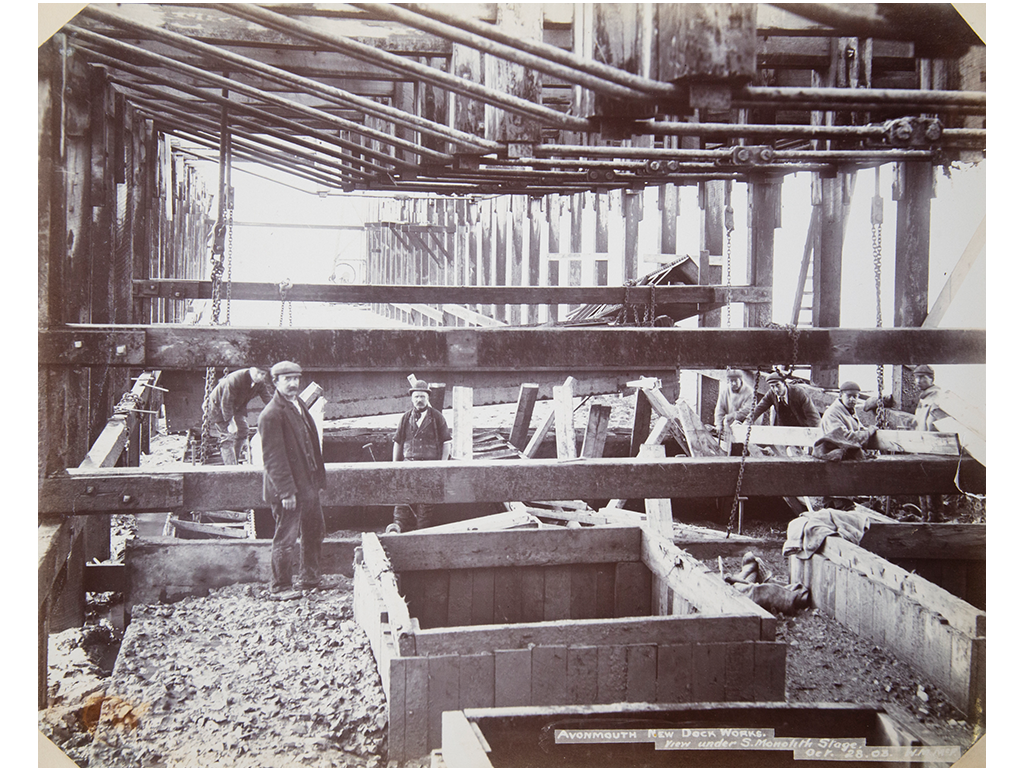
Exploring the past, present and future of Avonmouth, Bristol’s industrial port community.
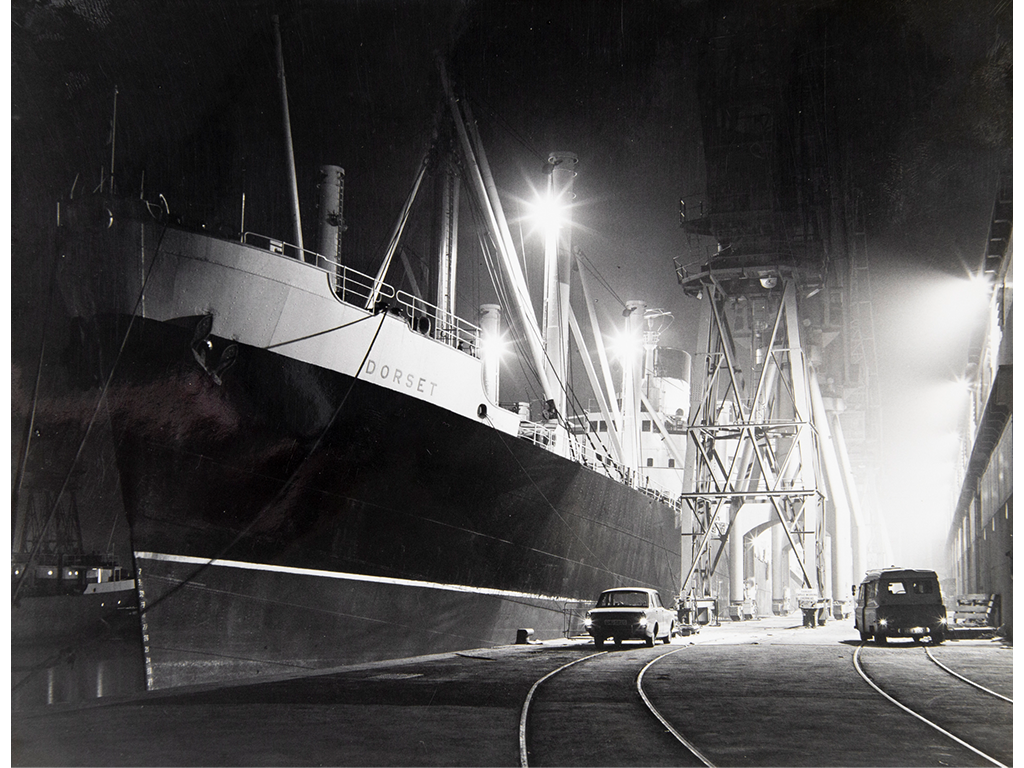
The village of Avonmouth lies where the river Avon meets the Severn Estuary. It has thus served as a historic entrance to the city of Bristol, a place through which all ships passed on their way to the centre of the city. The port of Avonmouth grew rapidly in the early 20th century, a place where larger ships could unload, avoiding the sometimes treacherous journey up the river Avon to central Bristol. At its height, the port of Avonmouth supported approximately 5000 jobs, however the invention of container ships led to a rapid decline in the number of dockworkers required.
Today, the port is a successful operation, receiving goods from across the world. However, few residents of Bristol travel to Avonmouth, seeing it solely as a site of industrial work. This belies the fact that Avonmouth is a place that many call home; an intergenerational and multicultural community that contains myriad stories that speak to the changing nature of place, labour and globalisation.
In collaboration with Avonmouth Community Centre and the Bristol Port Company, we are building a resident-led community archive, collecting materials that speak to the contemporary history of Avonmouth. We will also be organising a series of micro-commissions, supporting artists to work with local residents, telling the story of Avonmouth today.
For the festival, we will organise a weekend of events, sharing the outcomes of our work in Avonmouth. Details will be announced Summer 2024.
The title All That Flows Comes To Rest is inspired by the work of artist Allan Sekula, creator of The Dockers’ Museum, a vast collection of artefacts that form an image of the world from the perspective of maritime labourer; the one who is always standing on the threshold between land and sea.
Collaborative storytelling with newly arrived communities.
The School of Movements is a pilot project led by Bristol Photo Festival & IC Visual Lab in collaboration with Bridges for Communities, a local organisation connecting people of different cultures and faiths, with a focus on those who are newly arrived in the city. Together we will establish a participatory photography programme that explores themes of movement, place and belonging. This will include workshops led by both artists and festival staff, alongside trips across the city. This programme will take place throughout the festival, with outcomes made visible as and when it feels right to begin sharing the work.
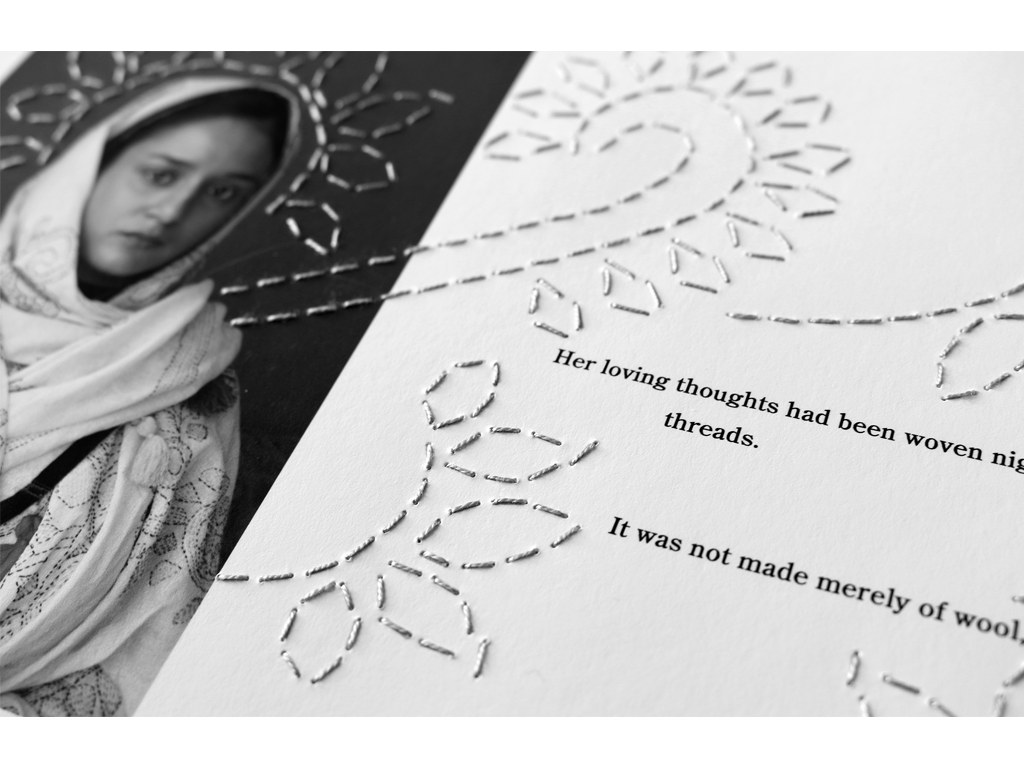
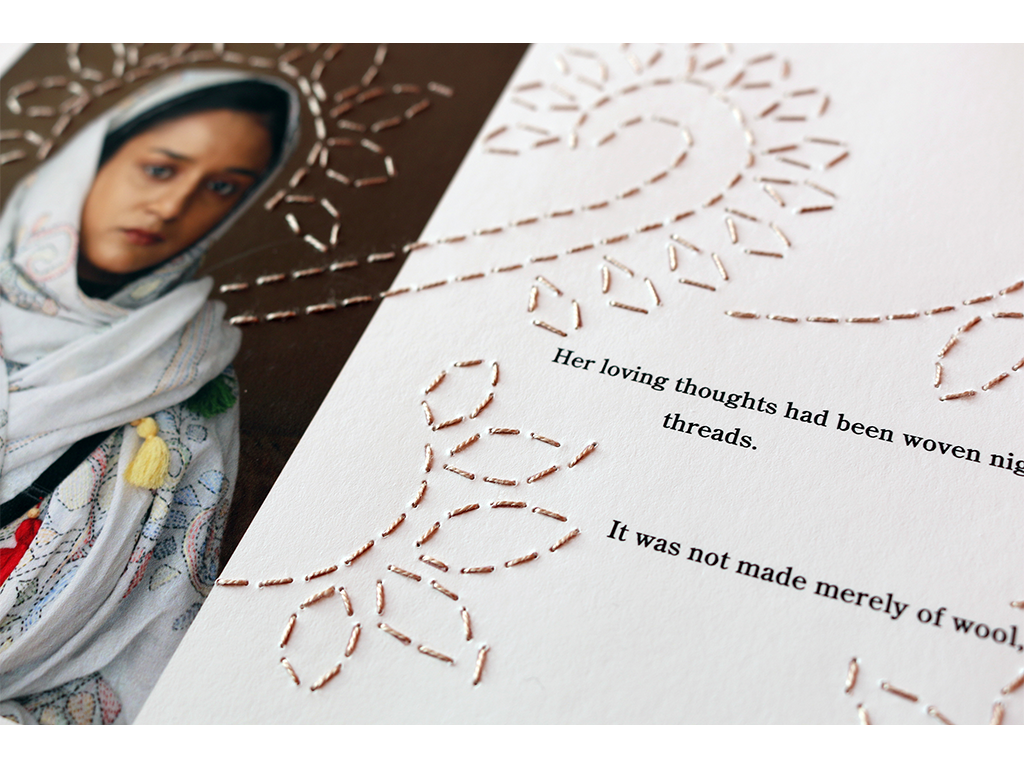
Stitching as a form of storytelling, with artists Nilupa Yasmin & Jessa Fairbrother.
Co-stitch is a city-wide research project led by the Brigstow Institute (University of Bristol). The project brings researchers and community groups together, exploring communal stitching (embroidery, quilting, mending) as a form of storytelling.
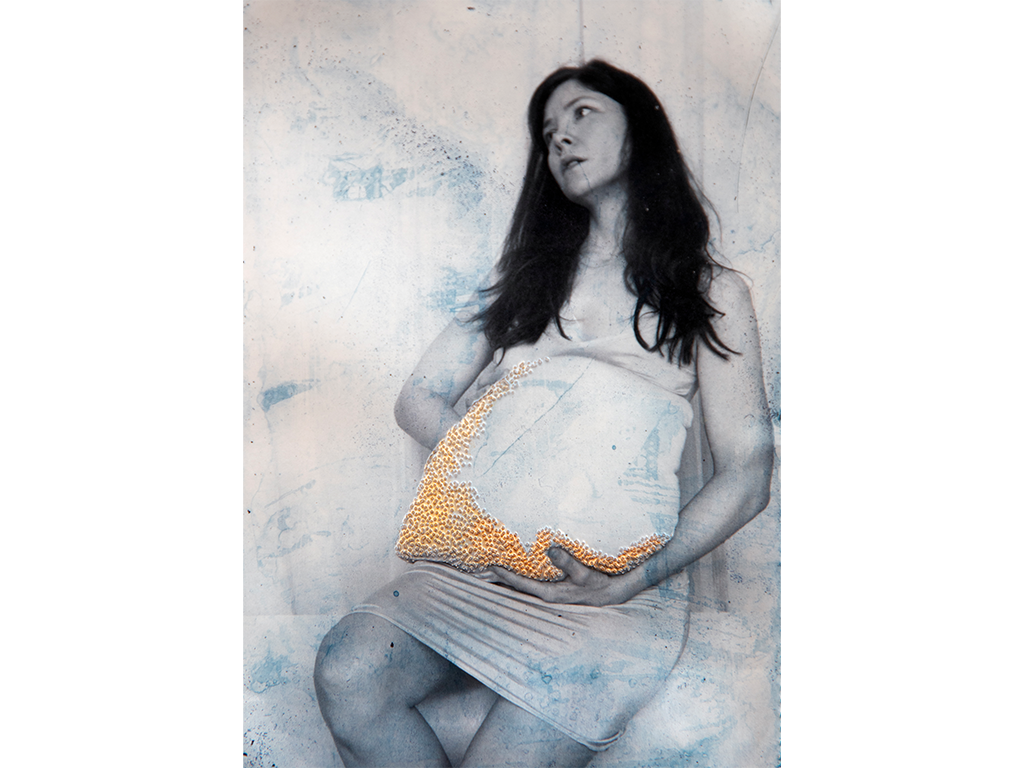
In collaboration with Brigstow Institute, we will commission two photographic artists, Nilupa Yasmin and Jessa Fairbrother, who both have a long-standing relationship to textile making. The artists will each create a new collaborative project, working with community groups across the city, with a particular focus on diasporic communities who have arrived in Bristol seeking refuge. The outcomes of these commissions will be displayed as part of the festival.
The Artists:
Nilupa Yasmin is an award-winning artist and educator, who often produces work collaboratively with others. Her work explores ideals and traditions that are close to home, often drawing upon her own British-Bangladeshi culture and heritage. Her work is included in many public collections including: the Government Art Collection, The New Art Gallery Walsall and Birmingham Museums Collection. She is a Lecturer in Photography at Coventry University and a studio holder at Grand Union, Birmingham.
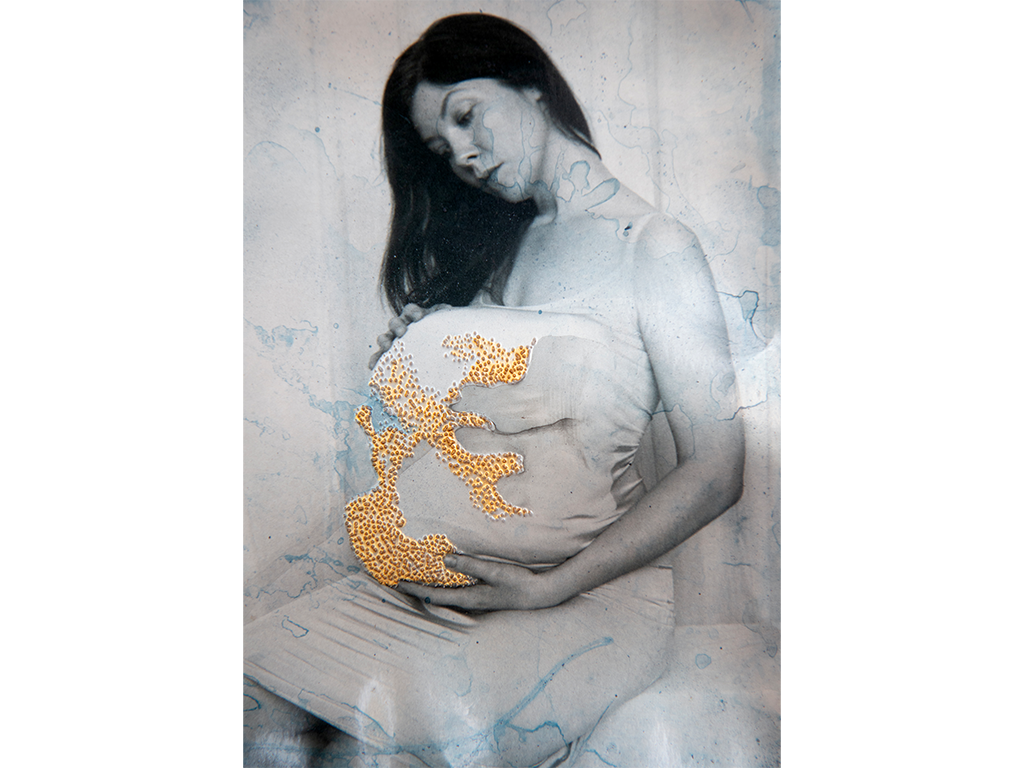
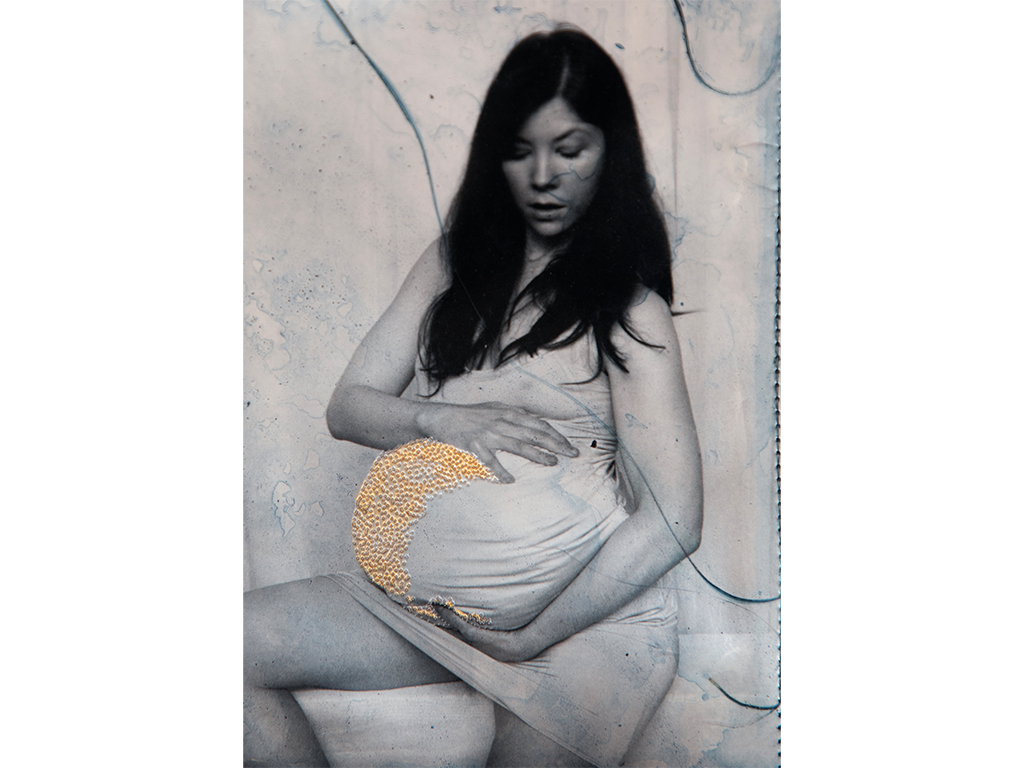
Jessa Fairbrother is a British artist based in Bristol, UK. Often starting with the theme of the body, her work encompasses photography, performance and stitch. The artist book of her work ‘Conversations with my mother’ is held in collections at Tate Britain, the V&A, London and The Museum of Fine Art, Houston. Her work is also held in the collections of the Yale Center for British Art and Bristol Museum & Art Gallery.
These commissions are produced in collaboration with:
Elders from ACTA Community Theatre examine the working class history of South Bristol.
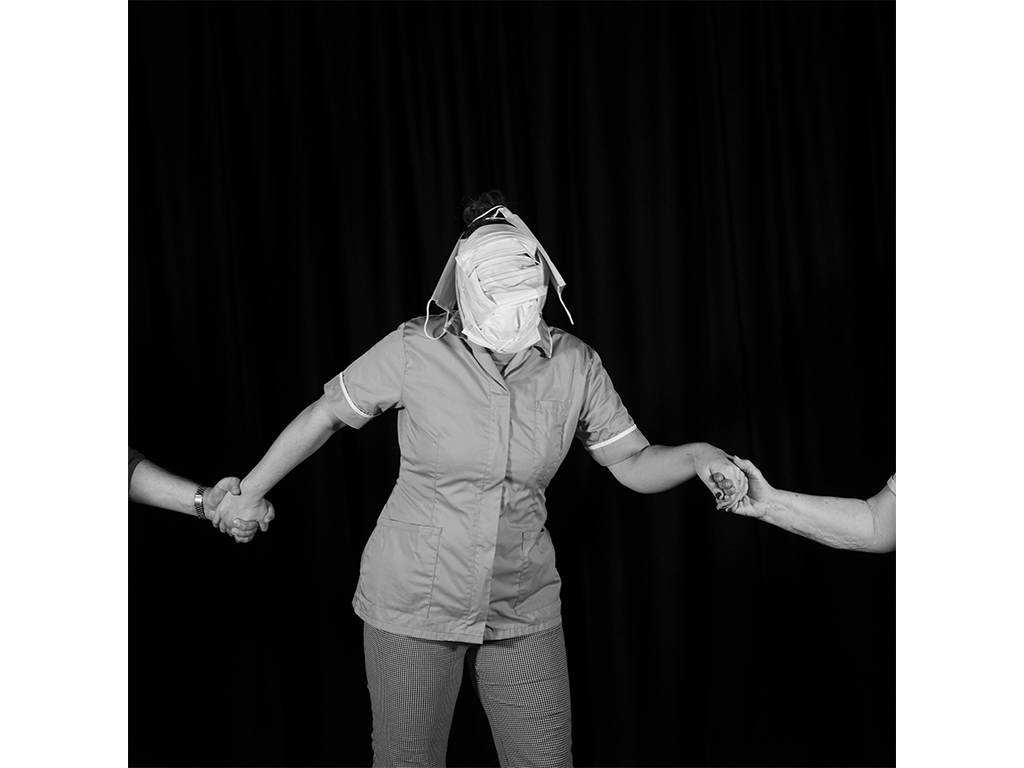
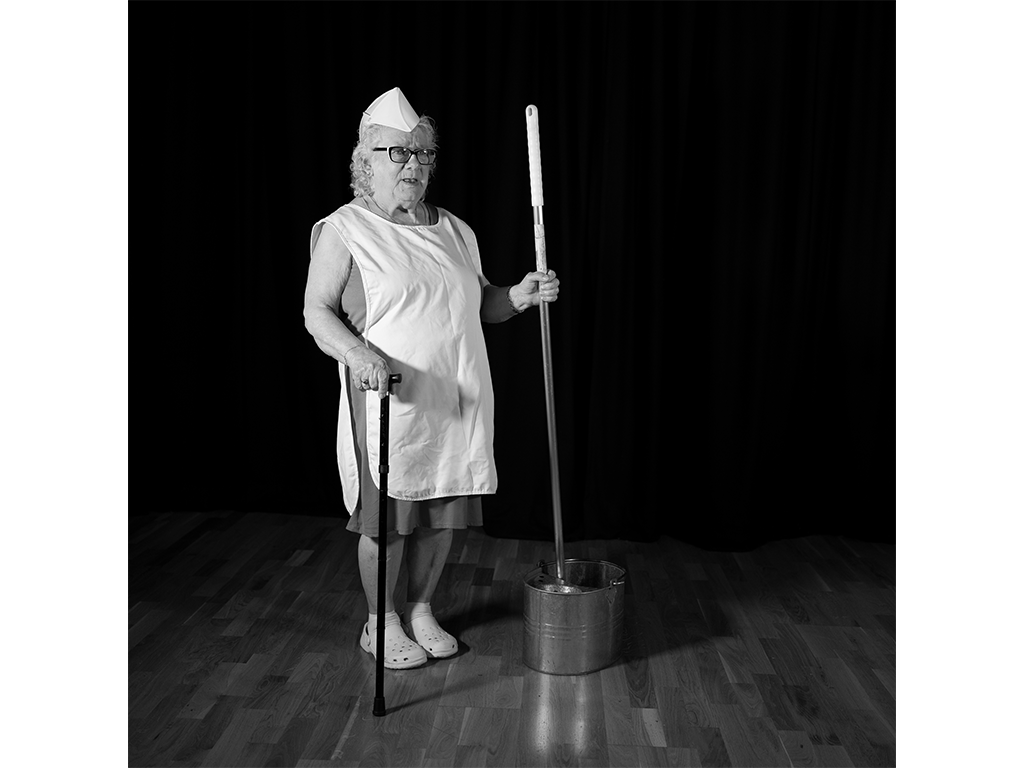
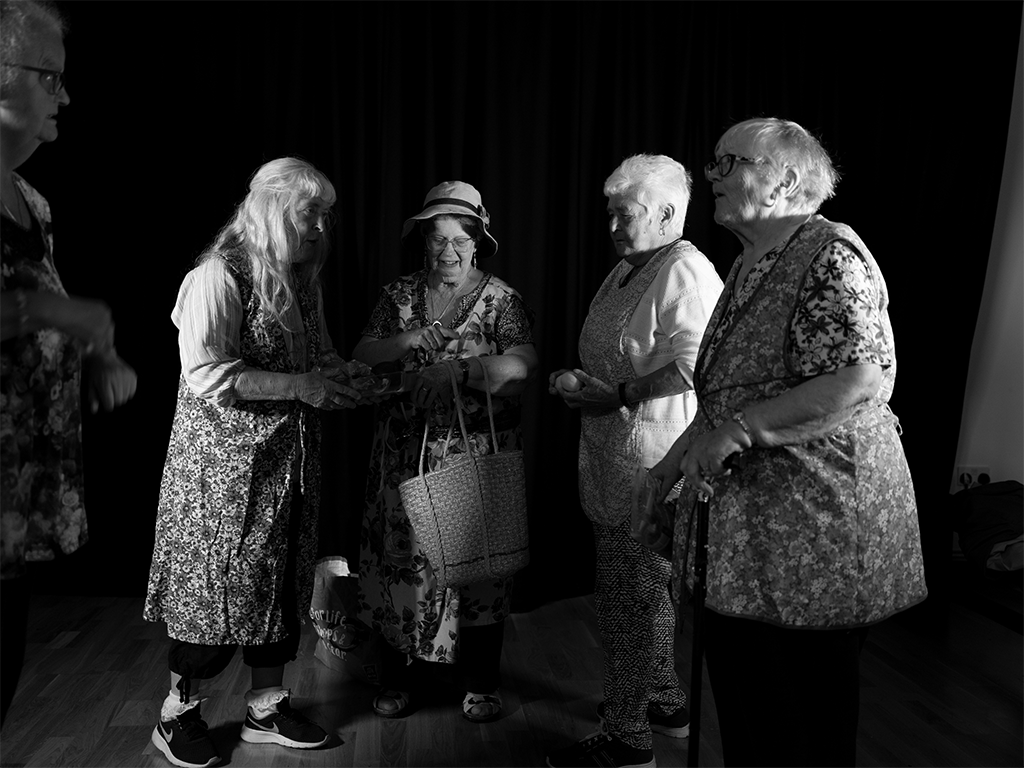
Artists Jessie Edwards Thomas & Kelly O’Brien are collaborating with elders from Acta Community Theatre, using performance and photography to explore the working class history of South Bristol, focussing particularly on the area surrounding East Street, Bedminster. During the festival, we will present the work created, inviting audiences to meet with the group and learn more about the project.
Originally from Snowdownia, North Wales, Jessie Edwards Thomas is a visual artist currently based in the South West. Her work often explores the relationship between individuals, communities and the state; drawing particularly on themes of belonging and alienation. Jessie’s practice is deeply connected to ideas of community. She has worked collaboratively with communities across Bristol, such as in the mental health sector and the homeless pathway.
Kelly O’Brien is an artist, educator and PhD researcher. Her work explores the relationship between photography, absence, personal experiences & political histories. Recent projects include The Absurdities of Austerity (ongoing), a collaborative project examining food in/justice in the UK today; No Rest For The Wicked (ongoing), a PhD research project investigating themes of class, gender & labour; and Are You There? (2017-2021), where she collaborated with clairvoyants to create an abstract image of her late and estranged father.
Participants from The Hive, a Bristol-based centre for adults with autism and learning disabilities, collaborate with artist Sebastián Bruno.
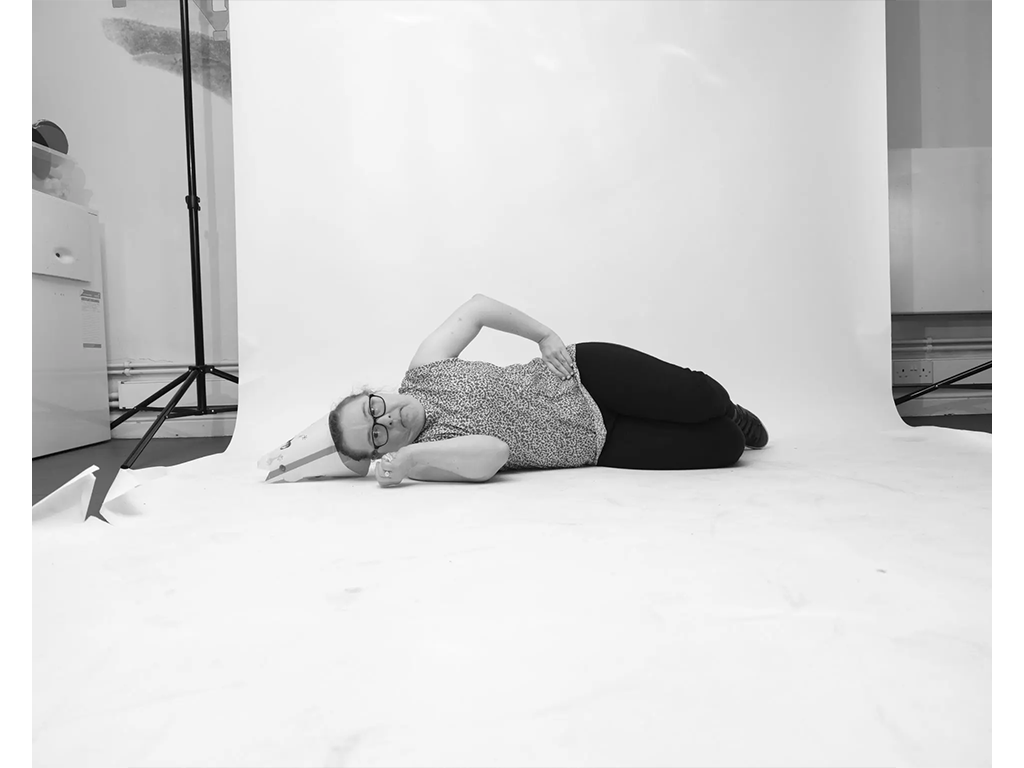
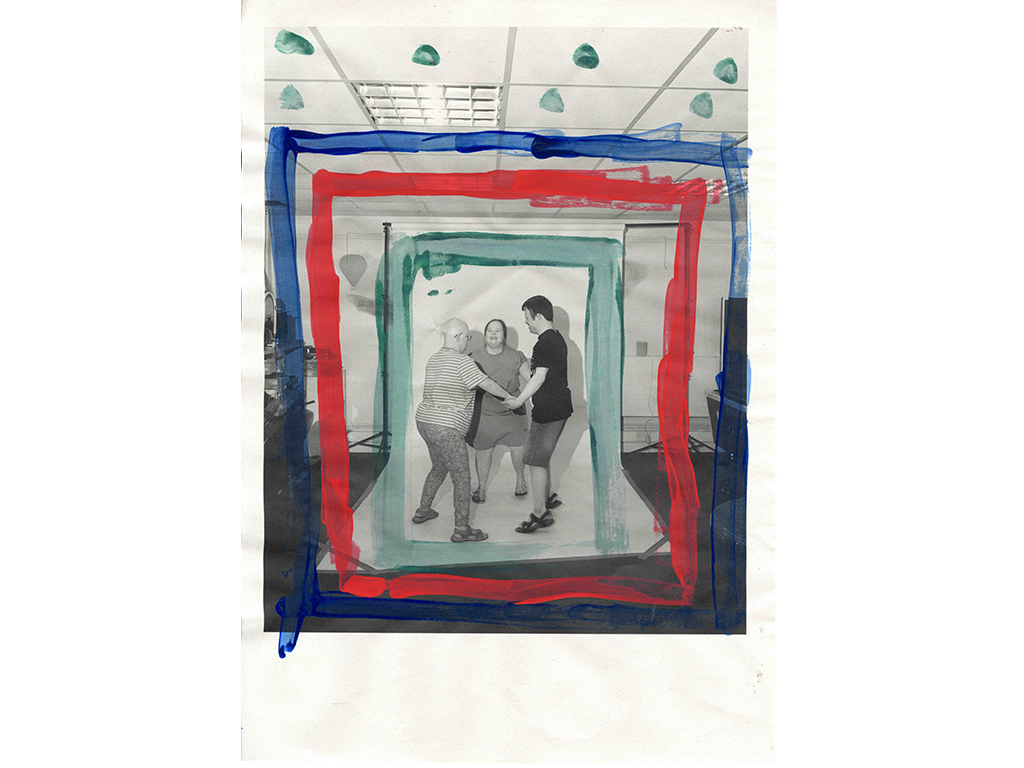
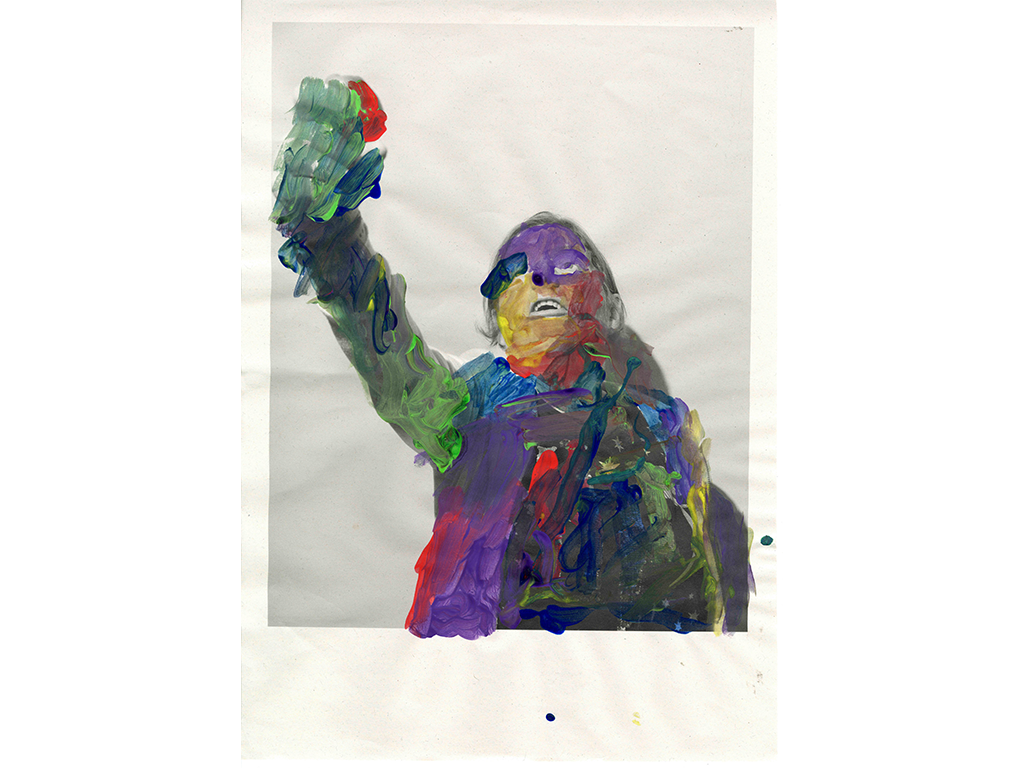
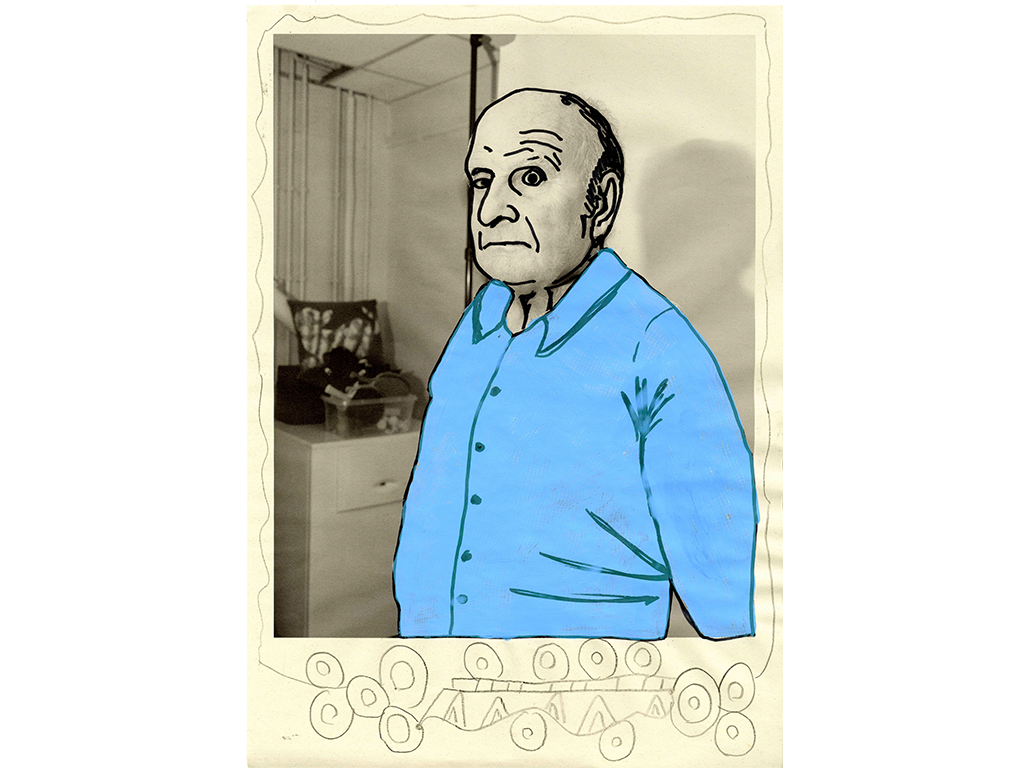
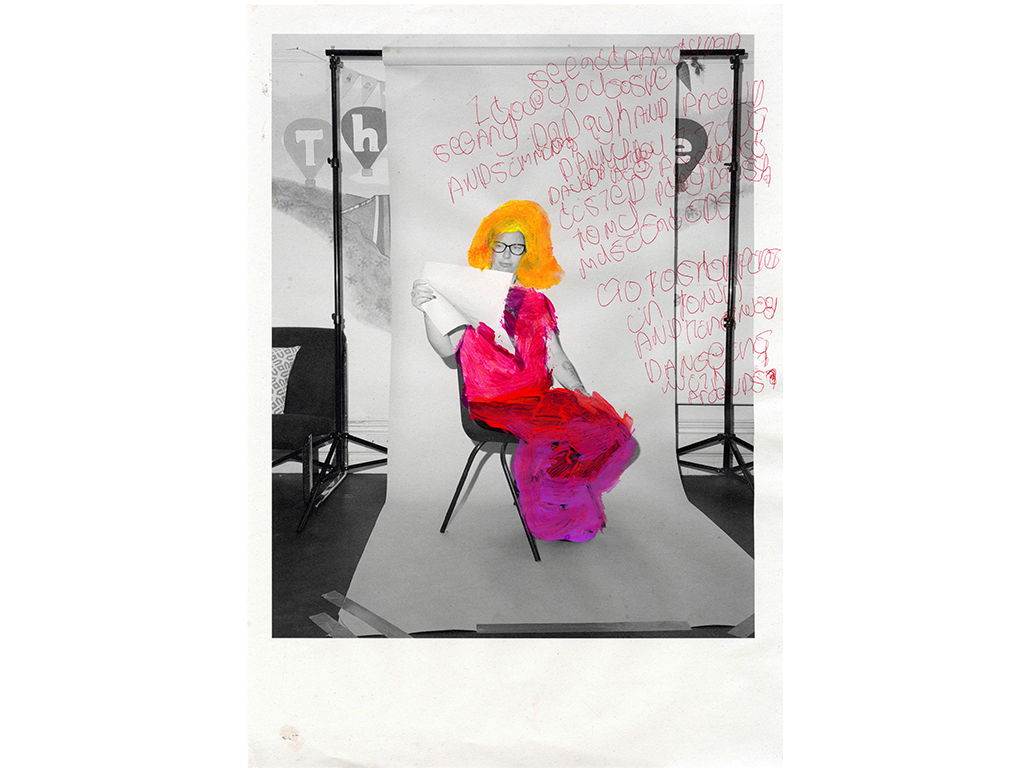
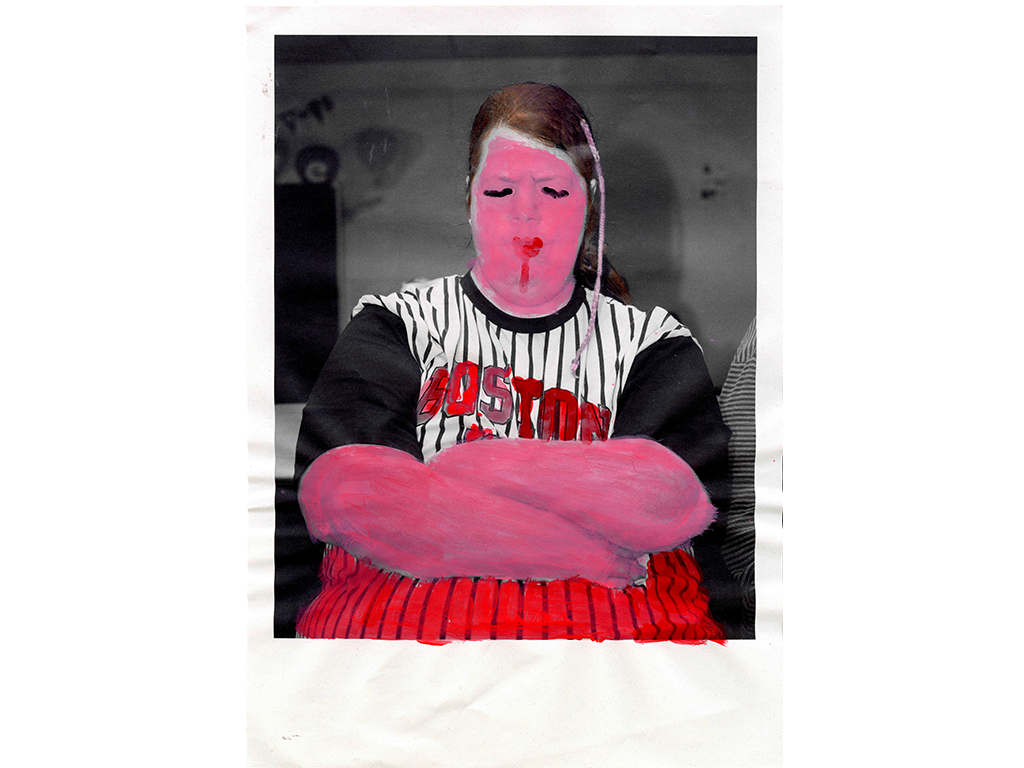
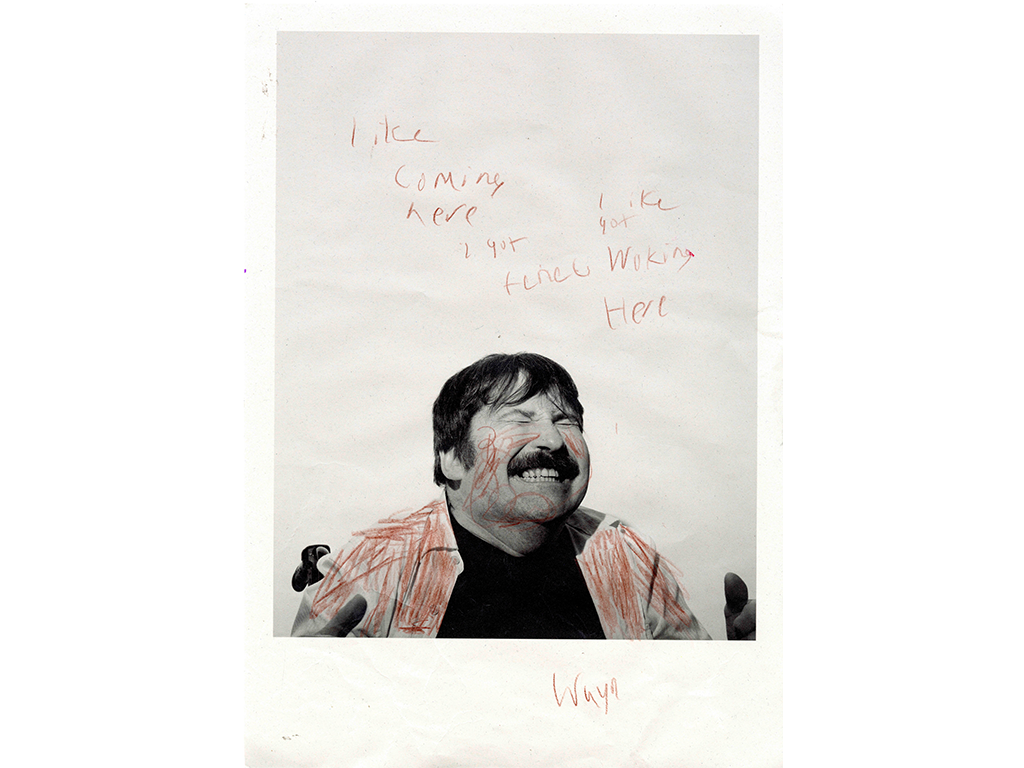
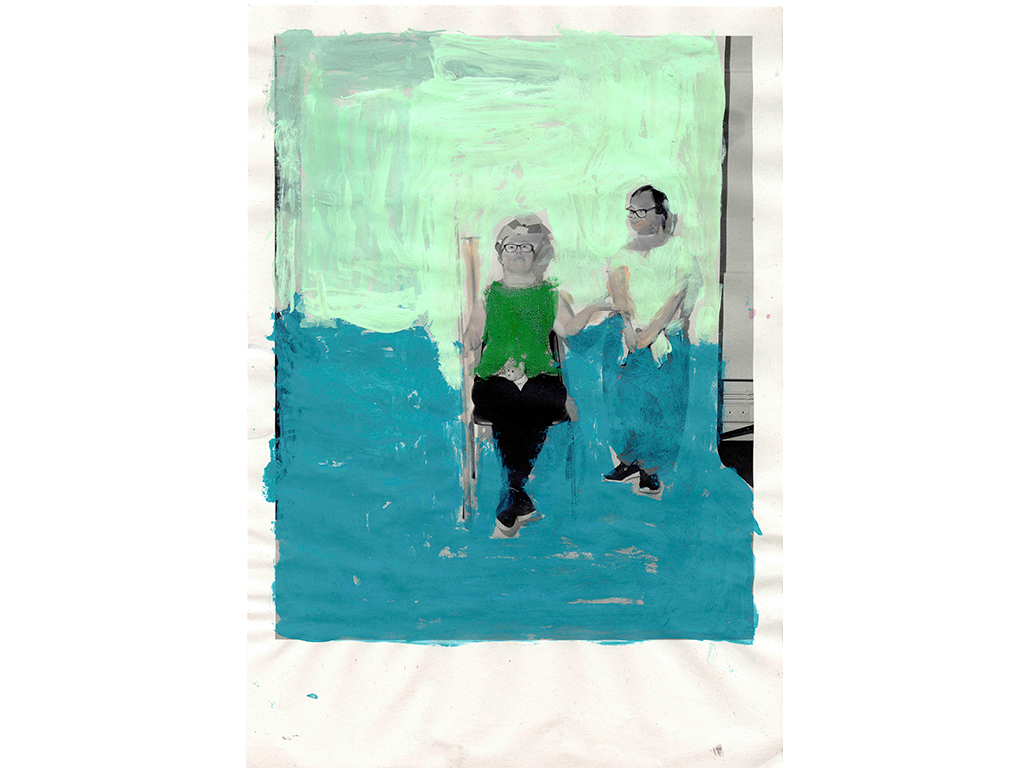
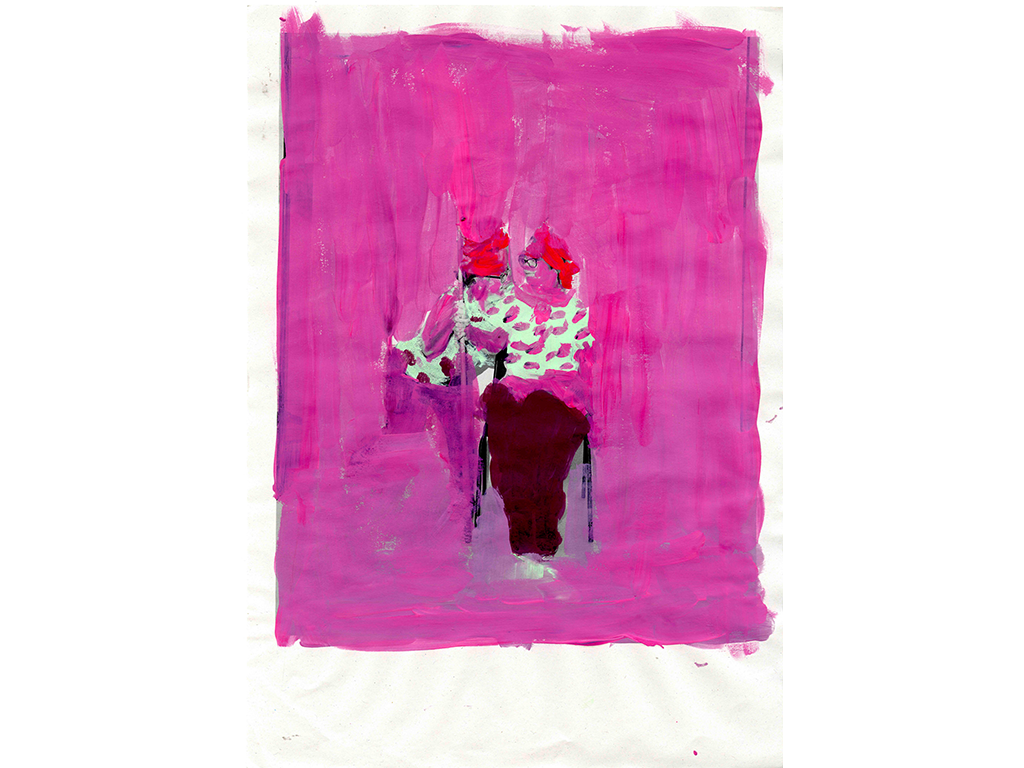
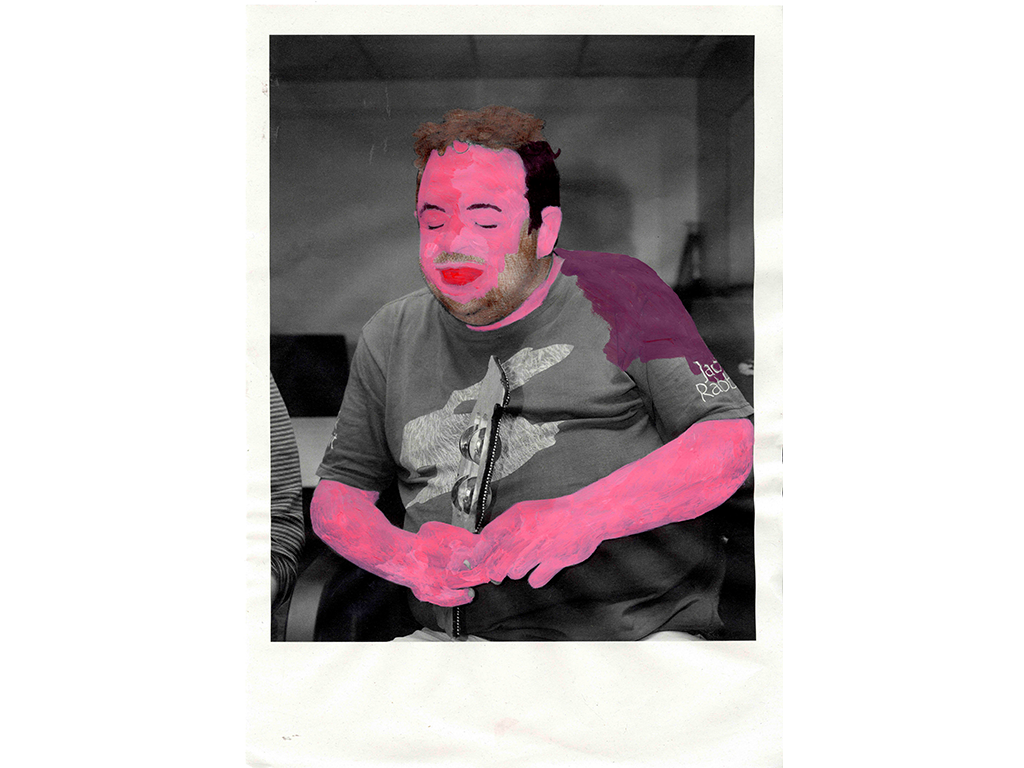
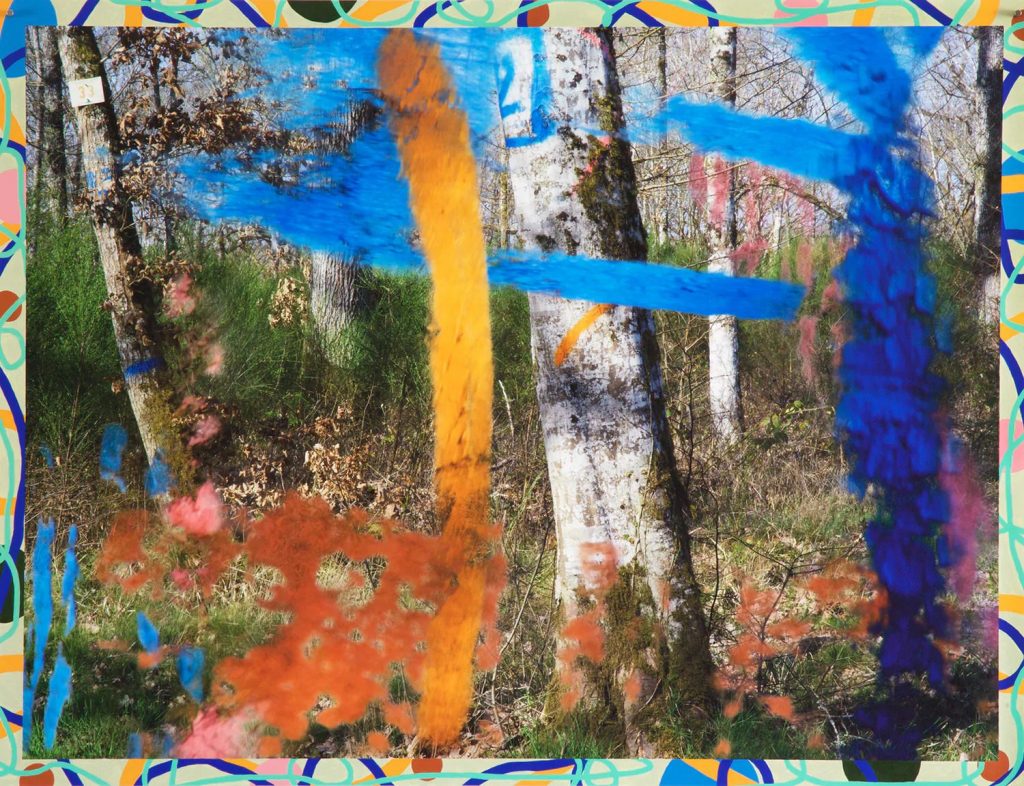
In 2023, we invited artist Sebastian Bruno to collaborate with participants from The Hive, a Bristol centre for adults with autism and learning disabilities. Through a series of workshops that drew upon the theatre techniques of Augusto Boal, Sebastian and the group enacted scenes from historic films that had once been shown at the now-closed local cinema. The group took the resulting photographs and painted over them, to create a series of experimental portraits. Following this initial collaboration, Sebastian and the group have continued working together, combining photography, theatre and play. During the festival, we will present a series of these collaborative works, with details to be announced Summer 2024.
Sebastián Bruno is an Argentine/Spanish photographer. His work explores the historical, political and social forces that shape communities, particularly those that have been overlooked or passed by in the name of progress. Recent publications include The Dynamic (IC Visual Lab, 2023) & Ta-ra (Ediciones Anómalas, 2023).
Bristol Photo Festival announces winners of Assembly Bristol photography competition
Axa IM Alts and their development partner, Bell Hammer, are currently building the final new office at Assembly Bristol. The development comprises three new office buildings – offering a variety of spaces and floor plate sizes. Its waterfront setting and landscaped areas provide a major new public space with access to Temple Way. Perfectly placed for transport, leisure and retail, the development is just a short walk from Temple Meads Station, Cabot Circus and the thriving Old City.
Designed by Stirling Prize-winning architects, Allford Hall Monaghan Morris, Building B is due to complete shortly and will set a new standard in office innovation and design, combining contemporary architecture with a focus on post-Covid occupant wellbeing and sustainability. It aims to deliver a new office for Bristol – not just an office that is newly constructed but one which embodies a new way of thinking about workspaces and how they respond to the enormous shift in the way the world is now working.
In partnership with the Bristol Photo Festival, Axa IM Alts, Bell Hammer and AHMM sponsored a photography competition for all BA and MA students studying at UWE to shoot an image to be installed in their ground floor entrance lobby.
The jury was composed of Rob Samuel (Axa IM Alts), Maëva Bregere (Axa IM Alts), Patrick Davis (Bell Hammer), Alejandro Acín (Bristol Photo Festival Director), Adam Burgess (AHMM) and Alex Chinneck (artist). After receiving all the submissions, we are very happy to announce the winners and honourable mentions: Joseph Deveney (winner) and Lucy Bentley and An Nguyen (honourable mentions). The winning artwork will be ready for installation at Assembly Bristol in April 2024, and the students will be invited to unveil it on site in May 2024.
On display at High Street venues across Bristol in August 2023
The stories of Bristol’s high streets and the communities who inhabit them will be told in collaboration with leading Bristol-based and international photographers this summer.
Photographers Khali Ackford, Michael Alberry, Sebastian Bruno, Jade Carr-Daley, Mohamed Hassan, Chris Hoare, Kirsty MacKay, Lua Ribeira and Clementine Schneidermann amongst others have been commissioned to co-create work across Bristol’s historic high streets. The photographers either live in Bristol or have strong ties to the city. Their images will be created in collaboration with writers, facilitators and the communities which they depict. The results of their collective work will go on display in a series of public exhibitions across four of the high streets—Filton Avenue, Shirehampton, Stapleton Rd and Two Mile Hill—in August 2023 to share the stories and ideas which matter to them most. Bristol Photo Festival will also deliver additional workshops and other activities in Church Road, Filwood Broadway, Stockwood, Brislington and East Street.
DREAMLINES: Picturing Bristol High Streets is organised by Bristol Photo Festival which will return to the city in 2024. The project is funded by Historic England as part of its four-year programme of cultural activity celebrating England’s high streets. It is also one of the activities under the City Centre and High Streets Recovery and Renewal programme, funded by Bristol City Council and the West of England Combined Authority’s Love our High Streets project.
Participating photographers:
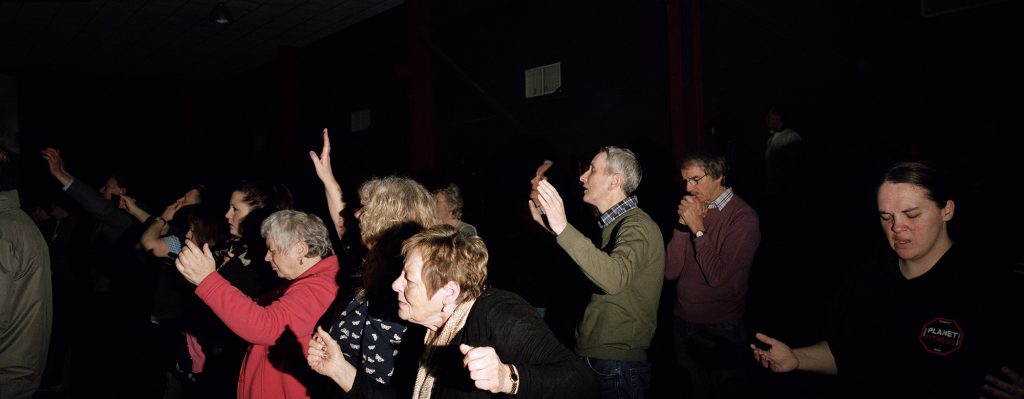
Michael Alberry (Filton Avenue) will be photographing spaces and landmarks to explore ideas of community, working in collaboration with Ebenezer Church, The Filtons Choir and the Filton Primary School.
Evening Prayer. Michael Alberry. Cwmbran, Wales 2014 (from the series A Time To Dance)
Kirsty Mackay (Filton Avenue) will be exploring the impact of the cost of living crisis on local communities.
Billy, 19, Easterhouse. At school
his teachers told him not to bother
applying for university. Billy is now
studying for a degree in politics.
“The thing that has an effect is the
perception that because you are from
Easterhouse, you can’t do that sort
thing. If you look at the alternative;
I’d be alone, I’d be in prison or I’d
be dead.”
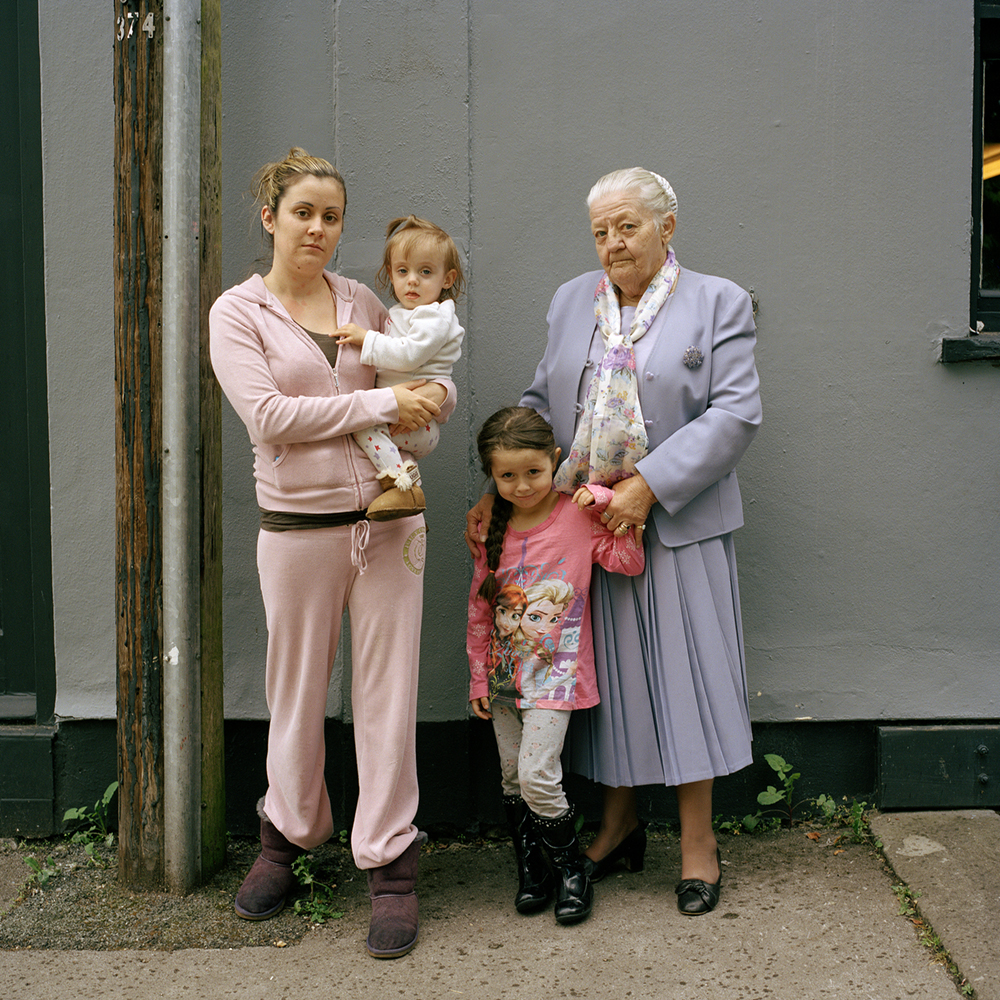
Chris Hoare (Shirehampton) will set up a temporary portrait studio to create a record of those living in the area. In addition, he is working with community groups for both the old and the young to both remember and re-imagine the high street.
Pam, her granddaughter and great-granddaughters outside the Tap & Barrel, Bedminster. Chris Hoare. Bedminster, Bristol 2014
Clementine Schneidermann (Shirehampton) will be working with The Shire Stitchers to collaboratively produce a series of personal quilts using creative portraiture.
Marilyn, Clementine Schneidermann & Charlotte James 2019
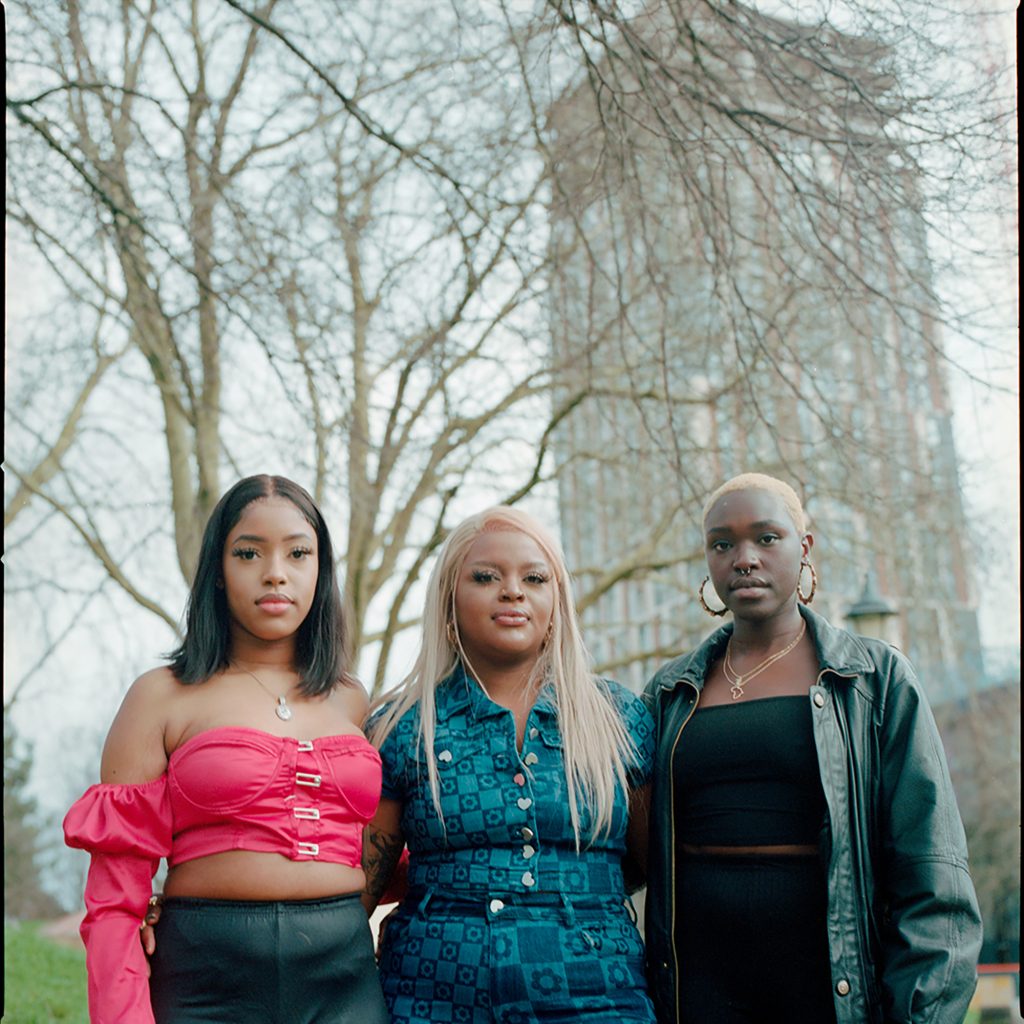
Khali Ackford (Two Mile Hill) will be working to explore the everyday hidden heritage of the area where many businesses have historic roots, for example, Bakers Corner which has been in place for nearly 100 years and The Nylon Shop, a haberdashers operating for over 60 years.
Black Lives Matter Organisers. Khali Ackford. Castle Park, Bristol 2021 (from the series Celebration)
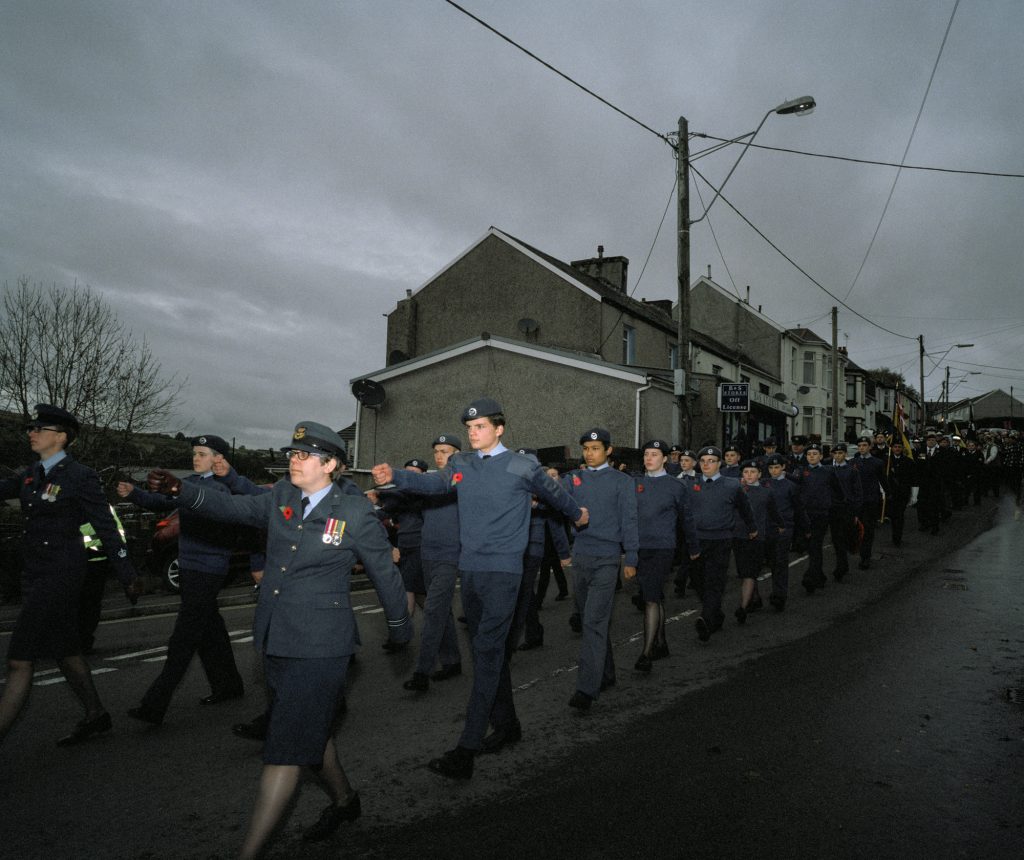
Sebastian Bruno (Two Mile Hill) will be collaborating with The Hive, an organisation working with neurodiverse groups, on a series of workshops will take inspiration from the cinema.
Remembrance Day. Sebastian Bruno. Nantyglo, Wales 2016
Jade Carr-Daley (Stapleton Road) will collaborate with businesses in the area that act as community hubs, and building on her ongoing work with Black mums and women’s groups to reflect recent challenges.
Lee’s. Jade Carr-Daley. St.Pauls, Bristol 2017 (from the series 0117)
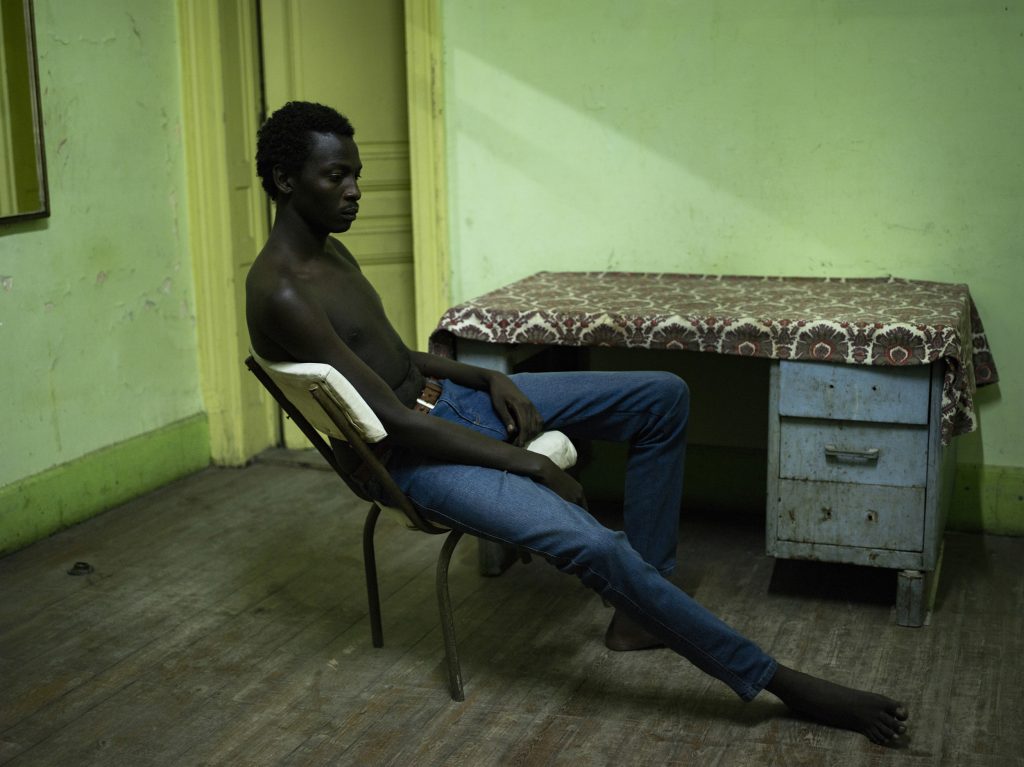
Mohamed Hassan (Stapleton Road) photographed during Eid Mubarak, and working with cultural groups in the area.
Hiraeth. Mohamed Hassan. Alexandria, Egypt 2018 (from the series The Place I Call Home)
Lua Ribeira (Stapleton Road) will be working with young community groups as her project develops over the summer.
Falling. Lua Ribeira. Settat, Morocco 2019 (from the series The Fortunate Ones)
Some of the resulting photographers’ work will be displayed in traditional exhibition settings, but the project will also utilise community noticeboards, window displays and posters as well as being accessible online. In addition, a writer will be announced in the coming weeks, who will respond to the work being created across the city and in the communities.
“Our mission as a festival is to enable communities—via collaboration with leading photographers—to reflect upon their experiences and explore how we live together today. The photographers we have commissioned will not only make a record of time and place, but also explore the playfulness and nuances of the photographic medium. While Bristol is one city, it contains many layers and stories. While some are well-told, others are often overlooked. By documenting the different high streets, we hope to both reactivate them as cultural destinations and also create a collective portrait that tells the story of Bristol today.”
Alejandro Acin, Director, Bristol Photo Festival
“Through support from our City Centre and High Streets Recovery and Renewal programme, together with Historic England,DREAMLINES: Picturing Bristol High Streets will provide a creative photographic promotion of our priority high streets in a series of collaborative projects and exhibitions over the summer. The aims of the project are to help animate the high streets and encourage Bristol’s citizens to explore and celebrate the places they live, making connections to each other and adding to a sense of belonging and identity. The exhibitions will also help increase the number of people visiting and using the high streets, providing much needed support to the local independent businesses that help give our high streets their character.”
Councillor Craig Cheney, Deputy Mayor and Cabinet Member for Finance, Governance, Property and Culture
“DREAMLINES: Picturing Bristol High Streets promises visual storytelling on a grand scale. This exciting project will bring nine communities across Bristol together with talented photographers to explore identity, belonging and pride of place. From Brislington to Shirehampton, Picturing Bristol will be a truly creative way for people to share what matters to them about the place they call home. The project was inspired by Historic England’s Picturing High Streets project, a celebration of today’s high streets through images taken by people across the country.”
Ellen Harrison, Head of Creative Programmes and Campaigns at Historic England
Notes for editors
These images are representative of the photographers’ past work and are not the work created for this project, which is currently underway. The project images will be released in June/July.
Bristol Photo Festival supports leading photographers, artists and writers to develop long-term collaborative projects that explore how we live together today. These projects are presented alongside major commissions that focus on bringing the best of international photography to the city. Our work is cyclical and always in progress. The first edition took place in 2021. This has been followed by a period of making with the major presentation scheduled for autumn 2024.
DREAMLINES: Picturing Bristol High Streetsis being delivered as one of the activities under the City Centre and High Streets Recovery and Renewal programme, funded by Bristol City Council and the West of England Combined Authority’s Love our High Streets project.
Historic England is the public body that helps people care for, enjoy and celebrate England’s spectacular historic environment, from beaches and battlefields to parks and pie shops. Its role is to protect, champion and save the places that define who we are and where we’ve come from as a nation. Historic England cares passionately about the stories they tell, the ideas they represent and the people who live, work and play among them. Working with communities and specialists, Historic England shares its passion, knowledge and skills to inspire interest, care and conservation, so everyone can keep enjoying and looking after the history that surrounds us all.
High Streets Heritage Action Zone initiative: Taking place in more than 60 high streets across England, and receiving £7.4 million from UK Treasury, Arts Council England and National Lottery Heritage Fund, it’s the largest ever community-led arts and heritage programme. By restoring local pride and attracting people back to their local town centres, the High Streets Heritage Action Zone scheme is playing an important role in Levelling Up and acting as a powerful catalyst for increasing opportunities and prosperity. To find out more visit here
We are excited that Bristol Photo Festival will be working with Historic England and Bristol City Council to deliver a series of commissions for photographers, writers and facilitators responding to Bristol’s high streets. The resulting work will be showcased through collaborative projects, workshops and exhibitions in summer 2023. The project will focus on Filton Avenue, Two Mile Hill, Shirehampton, Stapleton Road, Brislington, Church Road, East Street, Filwood Broadway and Stockwood. Picturing Bristol is a project funded by Historic England and one of the activities under the City Centre and High Streets Recovery and Renewal programme, funded by Bristol City Council and the West of England Combined Authority’s Love our High Streets project.
As part of this nationwide project, a new outdoor exhibition Picturing High Streets, telling the stories behind the nation’s shopfronts, goes on display at Bristol’s Merchant Street from today until 1 May 2023. The photographs are the winning entries from a nationwide call for entries for images which reveal a sense of community, belonging and pride in our local high streets. The winning images will be displayed on outdoor advertising screens hosted by Clear Channel UK. The exhibition is part of a three-year project by Historic England and Photoworks, in partnership with national and regional photography organisations, to create a contemporary portrait of England’s high streets.
Picturing Bristol will be an interim project by Bristol Photo Festival before its second edition in Autumn 2024, more information about this will be announced in Autumn 2023.
Bristol Photo Festival is happy to announce the upcoming exhibitions in collaboration with the Royal West Academy, both originally planned for the first edition of the festival in 2020 but covid and RWA building works caused the delay to now. Its going to be exciting to finally see it come to fruition.
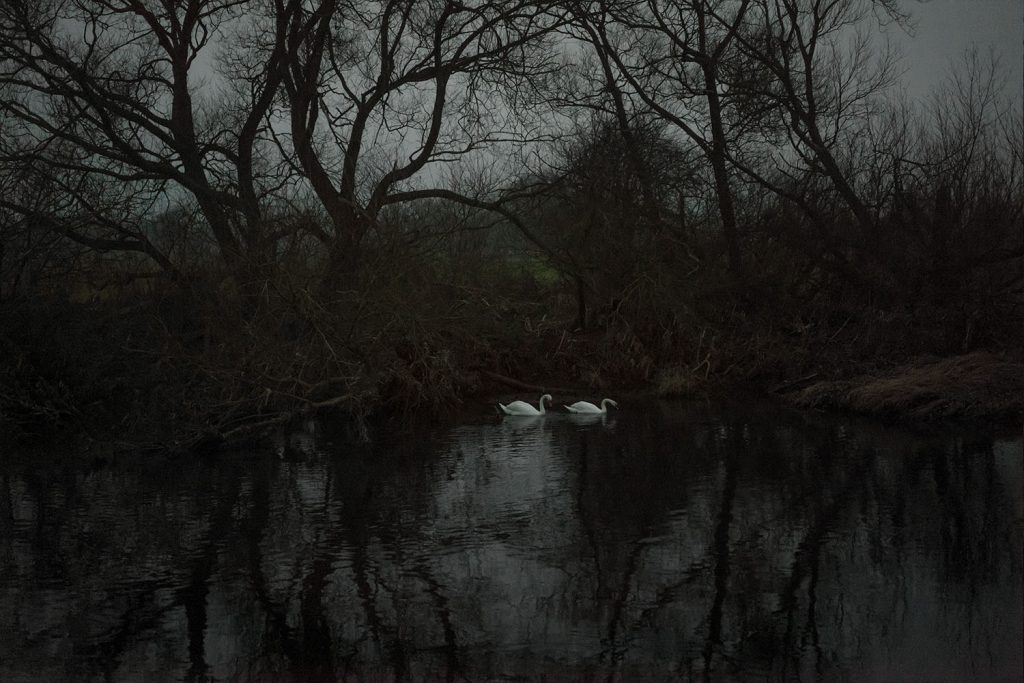
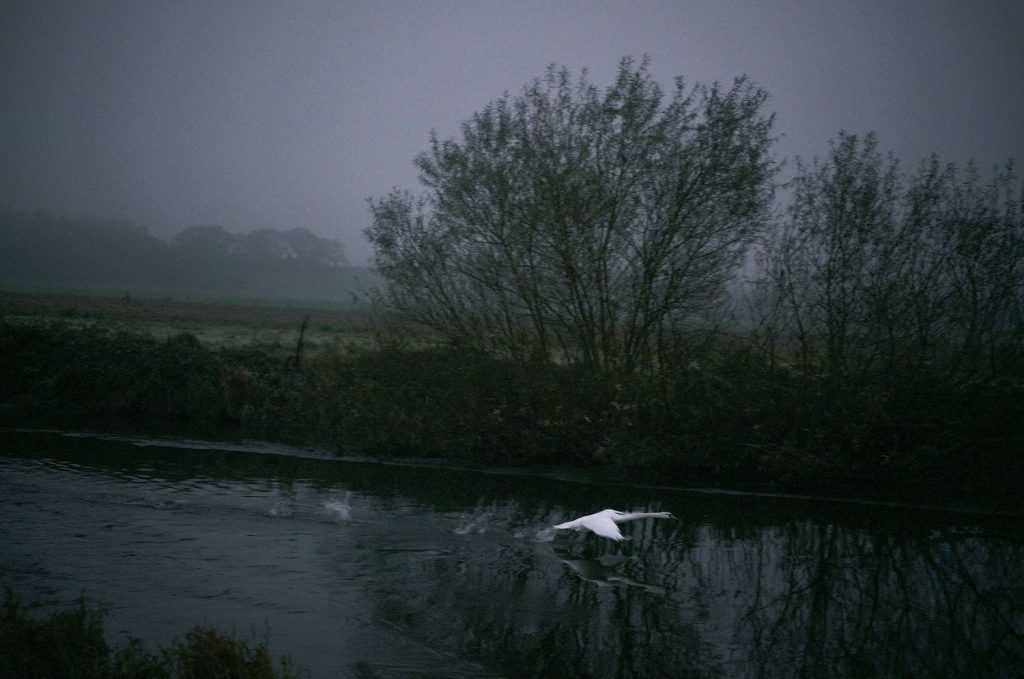
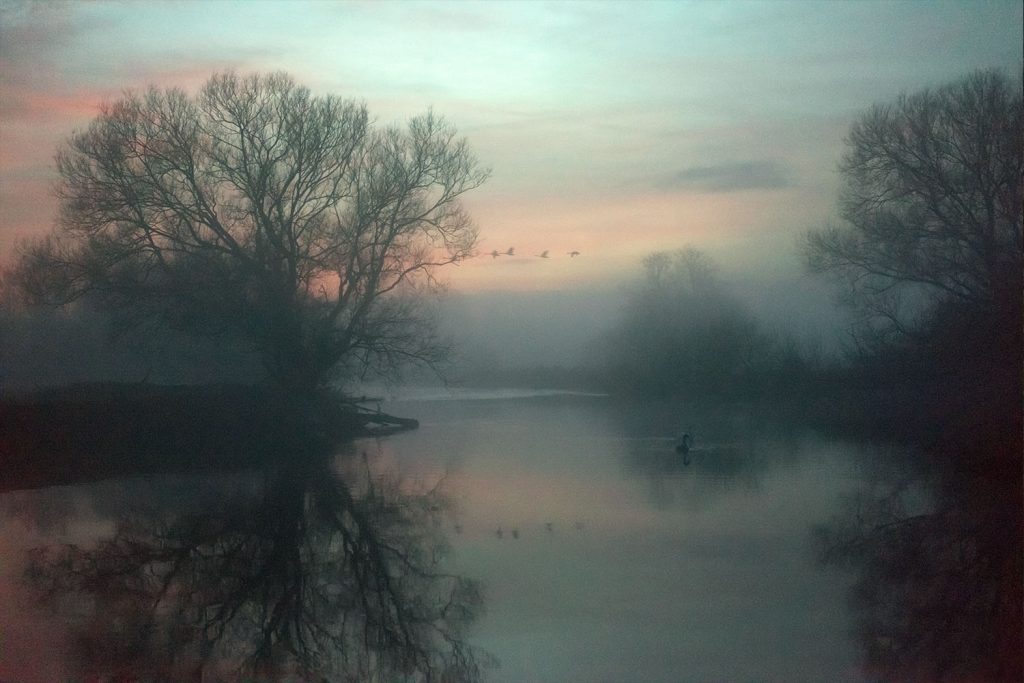
A Bend in the River by Jem Southam @jemsoutham displays a series of photographs documenting subtle changes in the environment over time, following the movements of swans in two parts: representing arrival (at dusk) and departure (at dawn). These images were taken at a particular spot on a riverbank in the South West of England where Southam became lost in contemplation one December evening. He returned to the same spot each day during the rest of the winter. Over the following five years between 2015-2020 Southam continued creating series in the same location. The ever-changing surface of the water, passing clouds, trees waving in the breeze, ducks gliding across the river and swans flying to roost caught Southam’s attention and what began as a passing digital photo led to a powerful ongoing series of deeply affecting photography.
The gathering of swans became a particular inspiration leading to the second part of the series Swan Winter which draws on northern European myth and Scandinavian folklore. Curiosity instigated a shift in the timing of Southam’s visits and he began heading to the river at dawn in search of where the groups of swans spent the night. Eventually, they swam into view in the half-light. Southam captures these dimly lit scenes with a haunting other-worldly quality, illuminating what is barely visible to the naked eye.
Southam’s use of a Sony digital camera in this series marks a departure from his usual preference for the large-format camera. It allowed him to experiment with a range of new opportunities unavailable in more traditional modes, pushing exposure values to the extreme.
A Bend in the River series is shown in full together with selected works from other series created at the same riverbank over the following years including The Wintry Heavens, Forty Dawns and The Flooded Pool. In these Southam’s attention turns towards the skies, the changes in light at daybreak and more distant, broader views of the riverside.
Interspersed across Southam’s photographs is a curated selection of artworks that have inspired him and complement his practice. For example, pieces by artists such as JMW Turner, John Constable and John Leigh-Pemberton; illustrators of popular natural history books; and artists who worked for publications such as Ladybird and Shell.
Alongside Jem’s exhibition the RWA Photo Open celebrates contemporary photographic practice in all its forms. This Open Call exhibition invited submissions from artists and photographers, at any stage of their careers, who create photographic work or explore the nature of photography in their work. Our former director Tracy Marshall-Grant @tracymarshallgrant1 has been part of the jury panel alongside acclaimed artist-photographers like Jem Southam, Amak Mahmoodian @amak_mahmoodian , Sian Bonnell @sianbonnel, Susan Derges RWA @susanderges and Judith Jones RWA Judith Jones
Both shows will open on the 28th January 2023.
Ticket price for Bend in the River includes entry to the Photo Open. No need to book in advance – tickets will be available on the day