

Opening Week: 14–18 October 2026
Festival exhibitions run until 15 November 2026
Bristol Photo Festival has announced the exhibition programme for its third edition, Time Machine. Opening this autumn, with the opening week from 14 – 18 October 2026, the Festival introduces nine major exhibitions and a landmark historical exhibition across Bristol’s leading museums, galleries, art centres, historic buildings and independent spaces.
About the programme
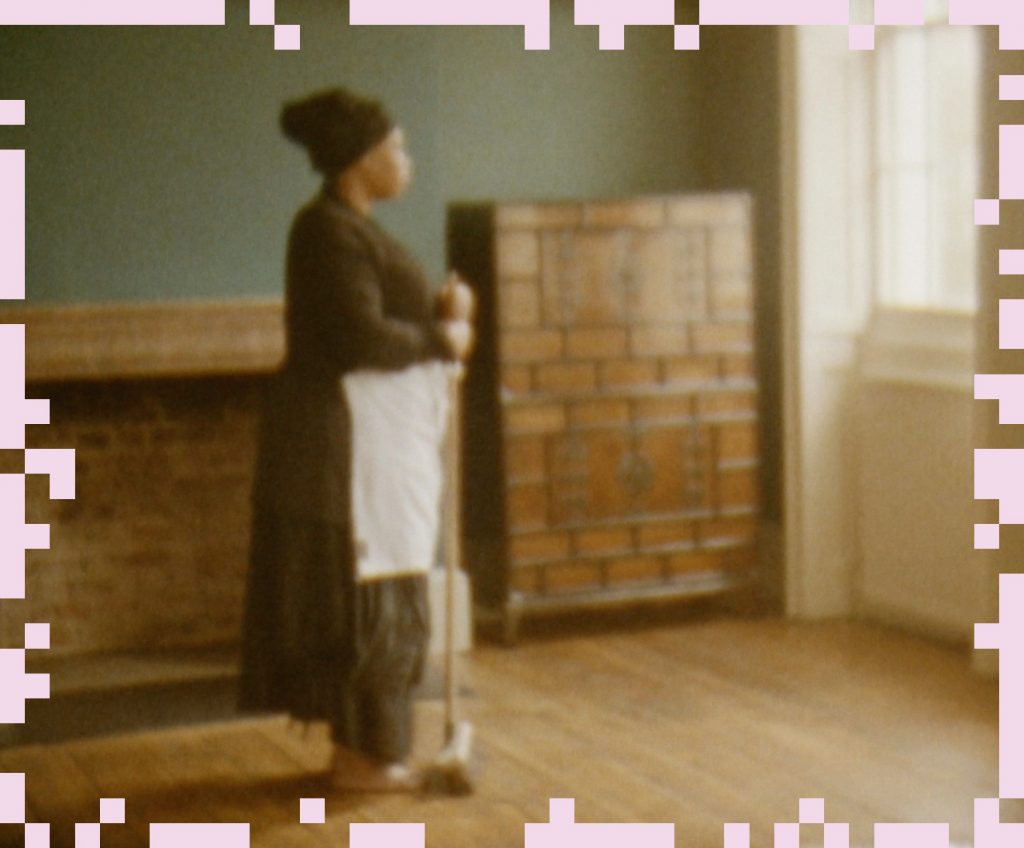
Joy Gregory: Catching Flies with Honey
17 Oct 2026 – 7 Feb 2027
Arnolfini
16 Narrow Quay, Bristol, BS1 4QA
In collaboration with Arnolfini, exhibition originated by Whitechapel Gallery
Presented across Arnolfini’s galleries, Catching Flies with Honey brings together over 150 works spanning four decades and is the first major survey of Joy Gregory’s work. Through photography, film, installation and textiles, Gregory explores identity, history, race and beauty, using diverse processes—from Victorian photographic techniques to digital media—to examine how power shapes societies and collective memory.
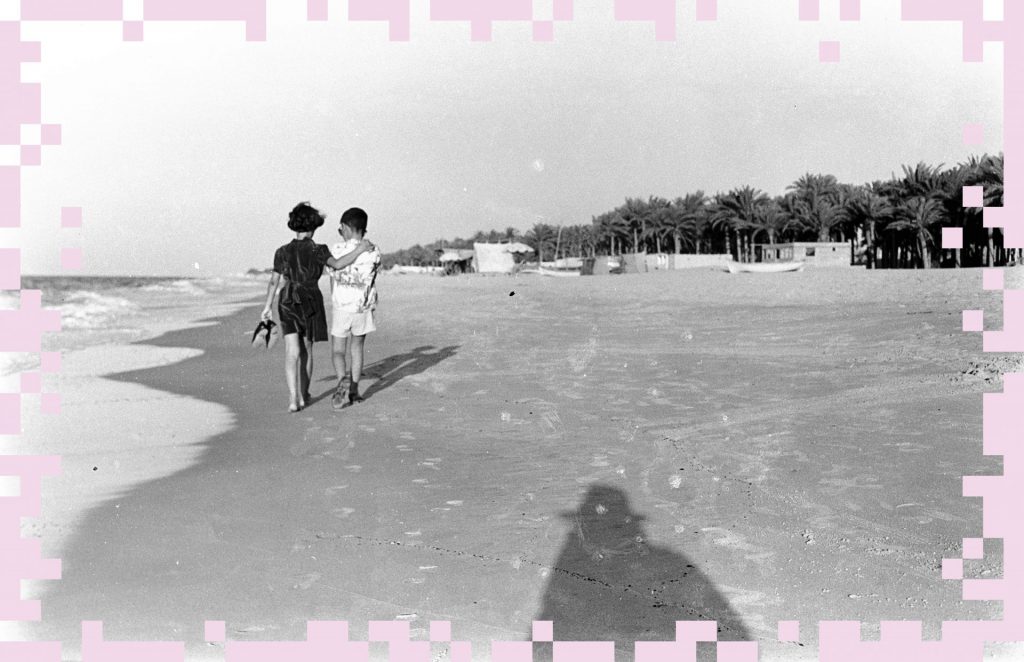
Photo Kegham by Kegham Deghalian Jr.
16 Oct to 15 Nov 2026
Albion Dockside, Bristol, BS1 6XT
In collaboration with Photopia (Cairo, Egypt), supported by the British Council
Founded in Gaza in 1944 by Armenian genocide survivor Kegham Djeghalian Sr, Photo Kegham was the city’s first commercial photography studio, documenting everyday Palestinian life through decades of upheaval. Although much of the archive has been lost, three surviving boxes of photographs, now cared for by his grandson Kegham Djeghalian Jr, preserve a rare visual history of Gaza. Bringing together these images and archival materials, the exhibition traces family memory while challenging dominant narratives of a place the artist can no longer physically return to.
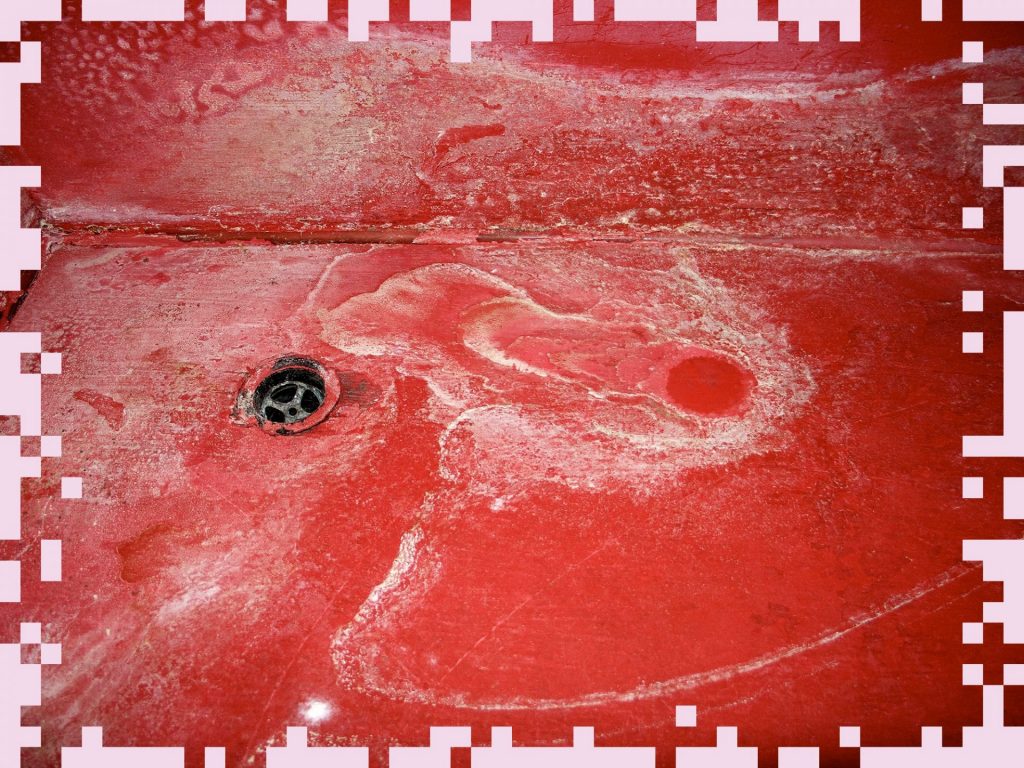
Darkroom by Michel Campeau
17 Sept – 20 Dec 2026
Arnos Vale Cemetery
Bath Rd, Arno’s Vale, Bristol, BS4 3EW
In collaboration with Martin Parr Foundation
Since 2005, Michel Campeau has documented photographic darkrooms as they disappear in the wake of digital photography. Once essential spaces of image-making, these workplaces are reimagined as sites of ritual, labour and memory. Photographed with a digital camera and direct flash, the series avoids nostalgia, instead revealing the worn surfaces, improvised repairs and handwritten notes that bear witness to the tactile processes of analogue printing. Darkroom reflects on the material culture of photography and the traces of human labour embedded within its disappearing spaces.
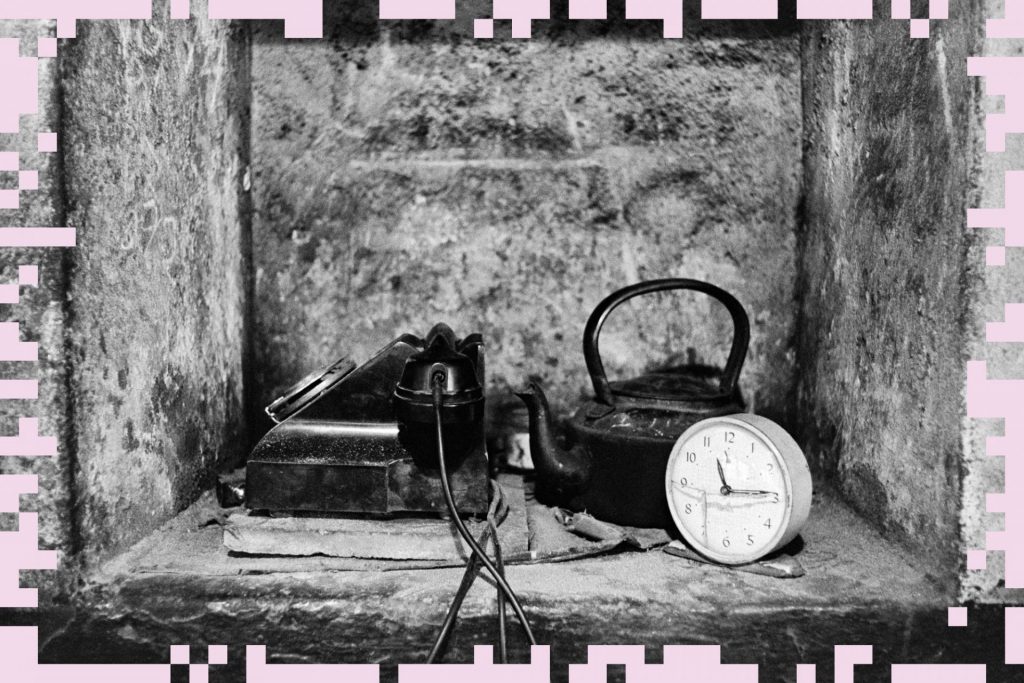
Dark Tales: British Documentary Photography and the Gothic
Curated by Isaac Blease
17 Sept – 20 Dec 2026
Martin Parr Foundation
Paintworks, 316, Arno’s Vale, Bristol, BS4 3AR
In collaboration with Martin Parr Foundation
Spanning more than 80 years, Dark Tales explores the relationship between the Gothic and British documentary photography. Drawing primarily from the Martin Parr Foundation Collection, the exhibition brings together celebrated and lesser-known works depicting post-war Britain to the present through waning industries, unsettling domestic scenes and shadowy nocturnal landscapes. Revealing the uncanny within the everyday, the photographs explore fear, desire and uncertainty while reconsidering documentary photography through the Gothic imagination at a moment when the medium itself faces profound technological and cultural change.
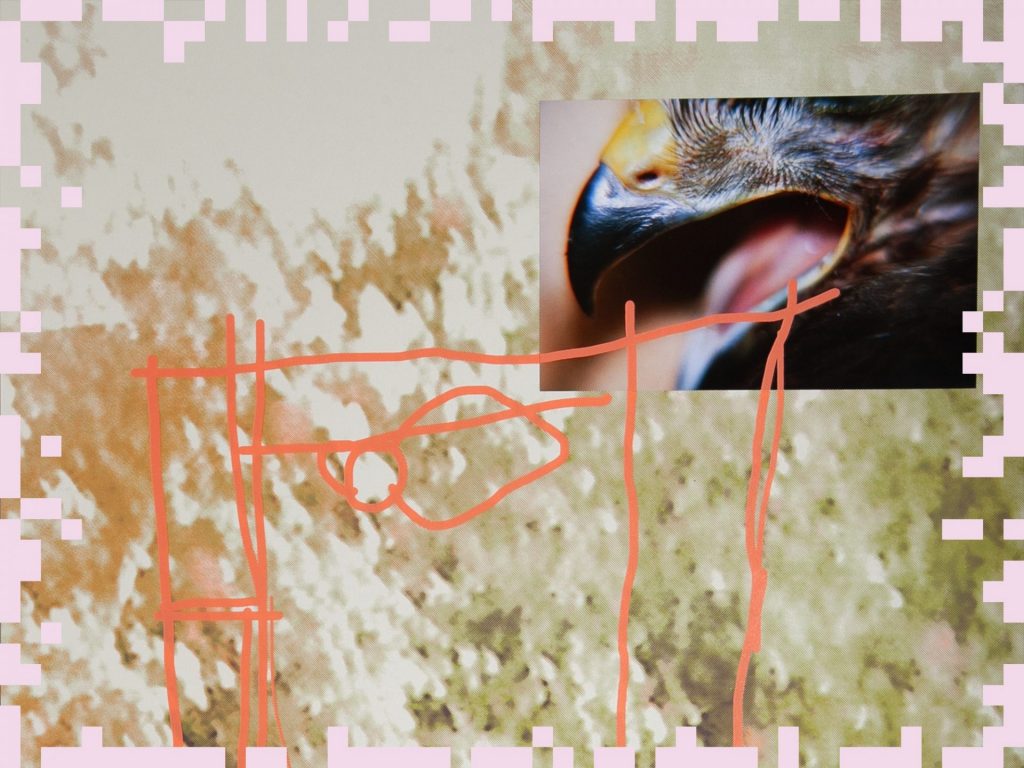
Persistence Studies by Sheida Solemani
14 Oct 2026 to 14 Feb 2027
Bristol Museum & Art Gallery
Queens Rd, Clifton, Bristol, BS8 1RL
In collaboration with Brigstow Institute & Bristol Museum & Art Galleries
Persistence Studies takes its title from avian ecology, where the term describes research into how long birds remain within a landscape before disappearing. Focusing on European Starlings and House Sparrows, the exhibition explores shifting ideas of nativeness, invasion and belonging. Native to the UK but introduced to North America, these birds are considered invasive in one place while declining in another. Through their contradictory histories, the work examines how value is assigned to life and what it means to persist in landscapes transformed by human activity.
One of Many: An Alternative History of Photography
14 Oct to 15 Nov 2026
Albion Dockside
Hanover Place, Bristol, BS1 6XT
In collaboration with the French Institute in the UK
Questioning conventional histories of photography, this exhibition challenges the familiar narrative centred on figures such as Nicéphore Niépce and William Henry Fox Talbot. Instead, it proposes that photography’s history is multiple, shaped as much by exclusion as inclusion. Through a dialogue between France and the UK, leading curators, scholars and institutions present alternative perspectives that reconsider how photographic histories are constructed, remembered and reimagined. Invited selectors include Mark Sealy, Taous Dahmani, Christine Eyene, Sergio Valenzuela Escobedo and Annabelle Lacour.
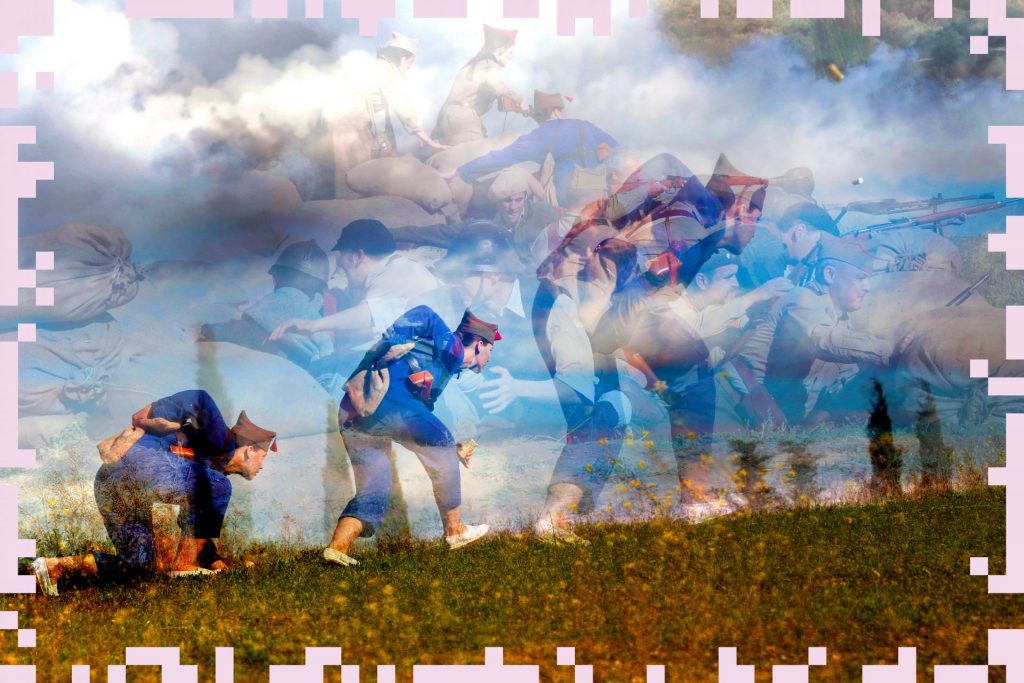
No Pasarán by Anna Jornet, Julián Barón and Natasha Christia
16 Oct to 15 Nov 2026
Redcliffe Caves
Phoenix Wharf, Redcliffe Way, Redcliffe, Bristol BS1 6SR
In collaboration with Insitut Ramon Llull, Acción Cultural Española and Instituto Cervantes
Marking the 90th anniversary of the Spanish Civil War, No Pasarán brings together three artists and researchers exploring history, memory and resistance. Julian Barón examines how the war is remembered through historical reenactments and the fading inscriptions left by Republican militia on the walls of an abandoned barracks. Anna Jornet traces her grandfather’s forced labour under Franco, revealing the hidden histories embedded within everyday infrastructure. Natasha Christia presents archival research into the International Brigades, drawing on collections across Spain, Greece and the UK to illuminate histories of international anti-fascist solidarity.
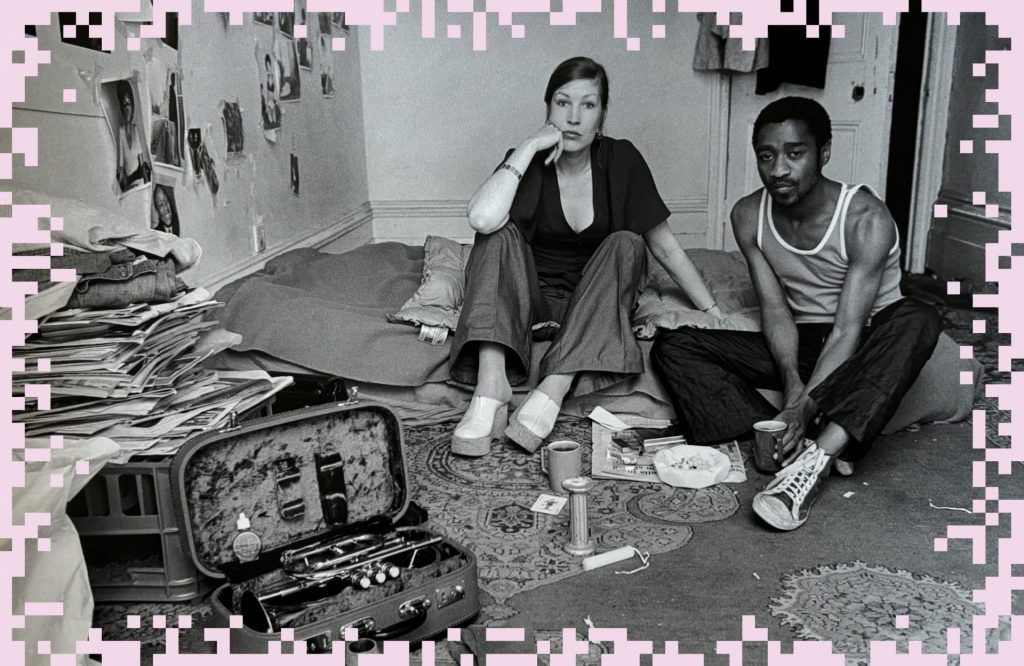
George Hallet: Home & Exile
Curated by Christine Eyene
14 Oct to 15 Nov 2026
IC Visual Lab
6 West St, St. Phillips, Bristol, BS2 0BH
In collaboration with Liverpool John Moores University
South African photographer George Hallett (1942–2020) documented everyday life, cultural identity and resistance throughout apartheid and exile, himself living in exile in Europe from 1970 to the mid-1990s. This exhibition presents a selection of images, archive material, and books around the figure of South African author, journalist, and political activist Alex La Guma (1924-1985) who came to Bristol in 1966 to talk about the injustice of apartheid.
The display also includes photographic compositions featuring exiled South African activists, visual artists, and jazz musicians. These images, selected from a vast body of work, showcase the link between South African exile in Britain in the 1970s and 80s, jazz, and African literature, materialised on the book covers Hallett designed for Heinemann’s African Writers Series during those two decades.
Curated by Christine Eyene and presented at IC Visual Lab – the former home of Bristol’s Southern Africa Resource Centre (SARC).
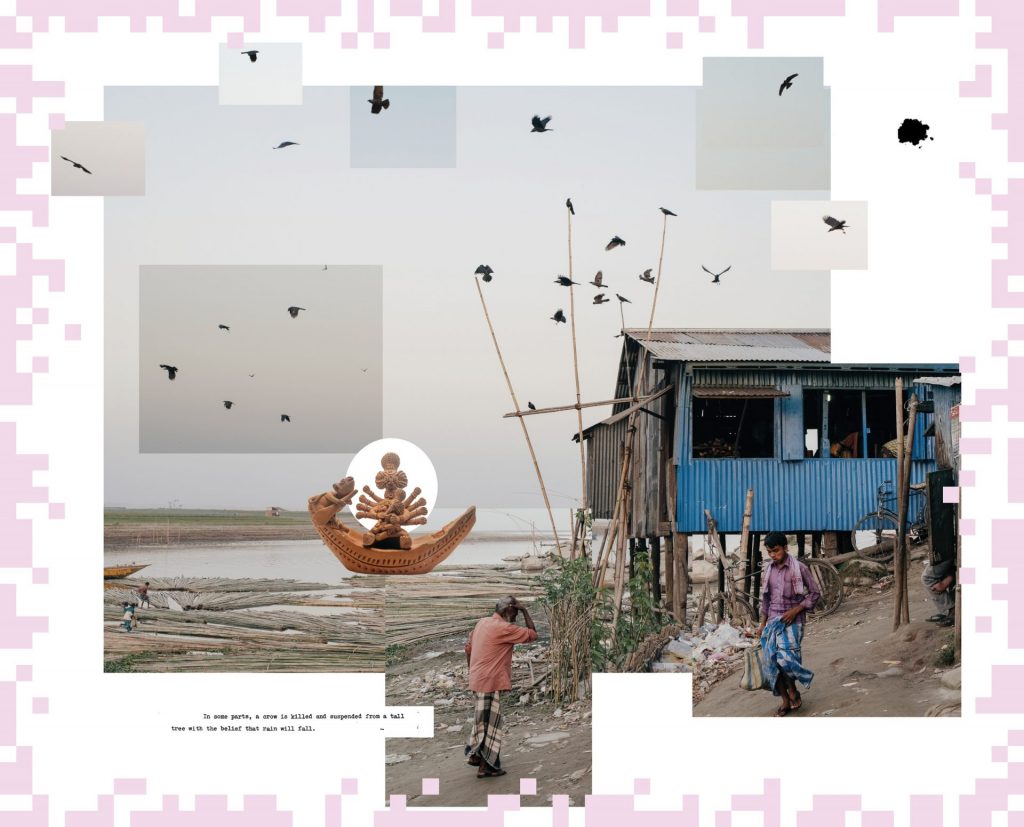
People of Clay by Akshay Mahajan
14 Oct 2026 to 14 Feb 2027
Bristol Museum & Art Gallery
Queens Rd, Clifton, Bristol, BS8 1RL
In collaboration with Bristol Museum & Art Galleries, Friends of BMAG, & ArtFund
Akshay Mahajan’s People of Clay (2016 – present) traces hidden histories along the Brahmaputra River, exploring the stories, myths and memories of communities divided by colonial borders. Through photography, collage and found materials, Mahajan creates a subjective cartography shaped by listening, observation and engagement. Drawing on local folklore, the work reimagines forgotten narratives and challenges official histories, revealing memory as something constantly transformed and retold. People of Clay becomes an act of remembrance, reflecting on identity, belonging and the fluid landscapes we inherit.
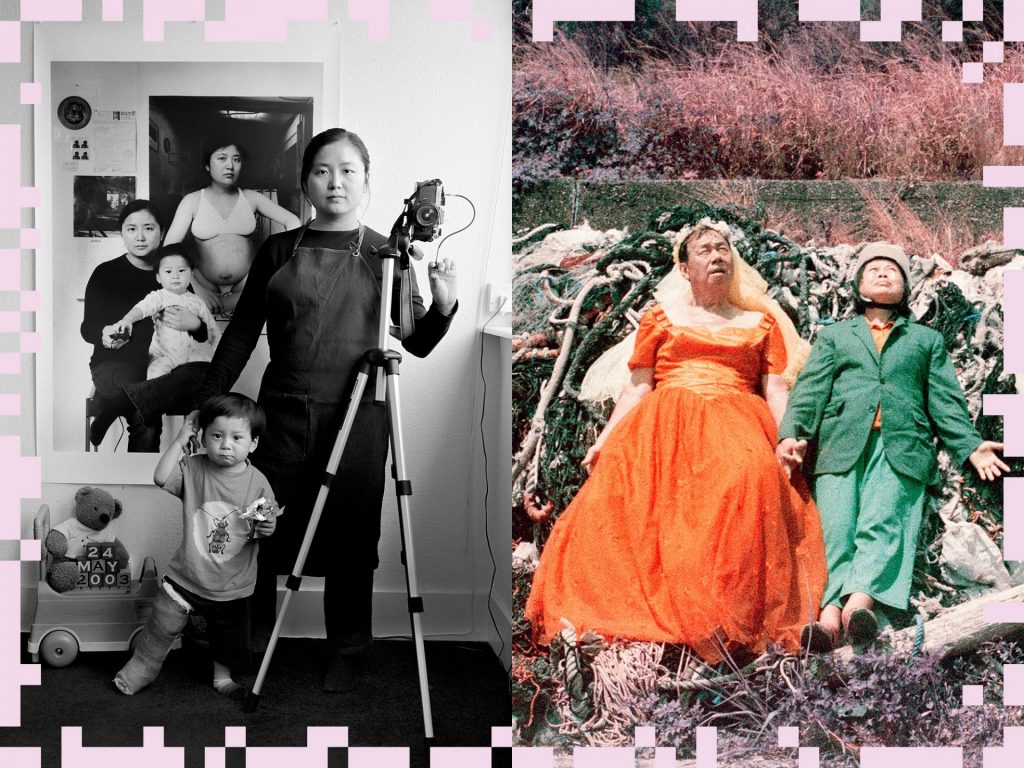
Family Times by Annie Wang & Liu Hsing Yu
16 Oct to 11 Nov 2026
Centrespace Gallery
6 Leonard Ln, Bristol, BS1 1EA
In collaboration with Ministry of Culture, Republic of China (Taiwan)
Family Times explores how family relationships are continually reshaped by time, memory, care and social change through the work of Liu Hsing Yu and Annie Wang. In My Father and Mother, Liu recreates his parents’ wedding photograph with their roles reversed, using performance and family history to reflect on identity, belonging and Taiwan’s changing attitudes towards gender and sexuality. In The Mother as a Creator, Wang photographs herself and her son each year, layering past and present into a visual “time tunnel” that reveals motherhood as an evolving relationship. Together, the works show family as something constantly remade through ritual, repetition and care.
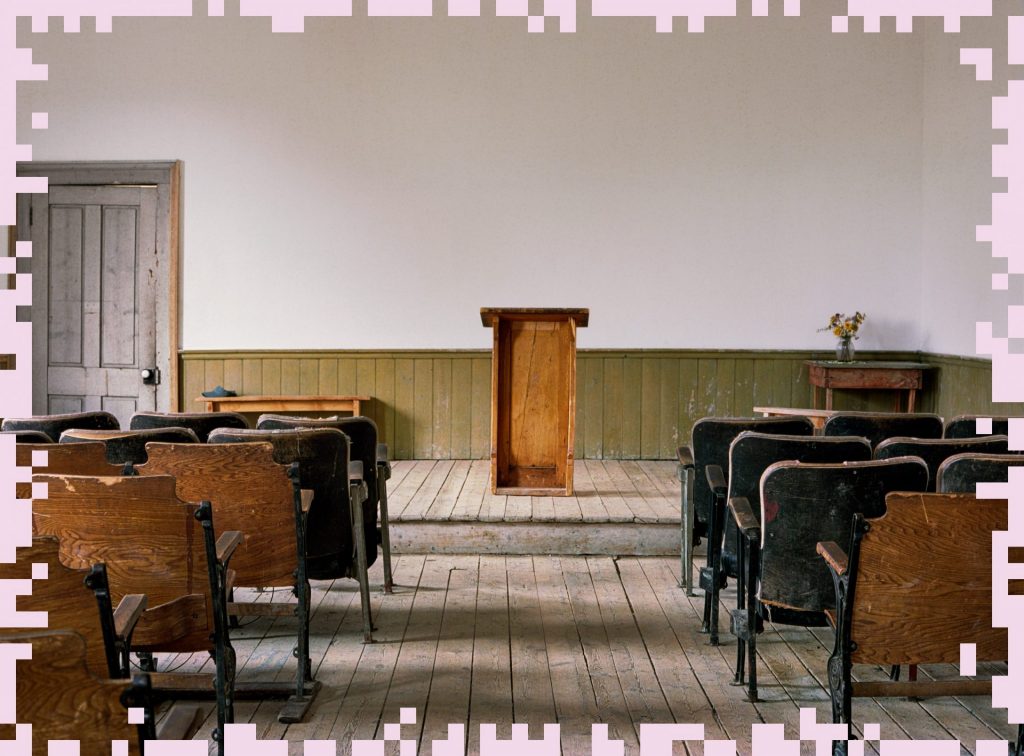
Beyond the Bounds by Holly Lynton
16 Oct to 11 Nov 2026
Bristol Cathedral
College Green, Bristol, BS1 5TJ
In collaboration with Bristol Cathedral, Spectrum & HAPAX
For more than fifteen years, Holly Lynton has explored the intersections of faith, history, labour and landscape across rural communities in the United States. Beyond the Bounds (2019 – present) examines places shaped by spiritual awakenings, from towns founded by psychics to former sites of religious revival. Through a slow, collaborative approach, Lynton reveals how faith persists in everyday life and how landscapes continue to hold the traces of belief, migration and cultural transformation within America’s complex religious history.
Stray Sod by Maria Lax
14 Oct to 15 Nov 2026
Venue TBC
In collaboration with Frame | Contemporary Art Finland
Inspired by Irish folklore, Stray Sod explores enchanted patches of earth believed to disorient those who step upon them, leading them into unfamiliar worlds. Drawing on accounts from the Irish National Folklore Collection, Maria Lax reimagines rural Irish landscapes through a supernatural lens. The work reflects on moments of uncertainty and transformation, connecting traditional stories of becoming lost with the destabilising effects of grief, political change and rapid technological shifts in contemporary life.
For further press information on the festival programme, images, and interview requests please contact Sam Trenerry – samtrenerry@yahoo.com/ +44 (0)7780 991 811
NOTES TO EDITORS
About Bristol Photo Festival
Bristol Photo Festival is an international biennial of contemporary photography.
We organise a programme of exhibitions, talks and workshops, bringing together leading photographic voices from across the world. Alongside this work, we develop long-term projects in collaboration with local communities. There is no hierarchy between our engagement and exhibition programmes – both are treated with the same care, rigour and level resource.
As an organisation, we believe in the power of photography as a tool to experience the world anew. Our mission is to present nuanced and unexpected stories that foster greater understanding of shared pasts, presents and futures. Our work is internationally focussed yet locally grounded, built from the urgencies of our city and its inhabitants. As a platform, we support artists to experiment, creating work that breaks with convention, exploring the possibilities of photography as a political tool today. The second edition (2024) drew 115,000 visitors, with 16 exhibitions staged across the city’s museums, galleries and independent spaces.
The third edition of Bristol Photo Festival is managed and produced by IC Visual Lab (ICVL), an independent visual arts organisation based in Bristol (UK).
bristolphotofestival.org
Press Contact:
Sam Trenerry
samtrenerry@yahoo.com
+44 (0)7780 991 811