

The Welcome Building
4 Glass Wharf Bristol BS2 0PS
16 Oct to
15 Nov 2026
Thu - Sun | 12pm - 6pm
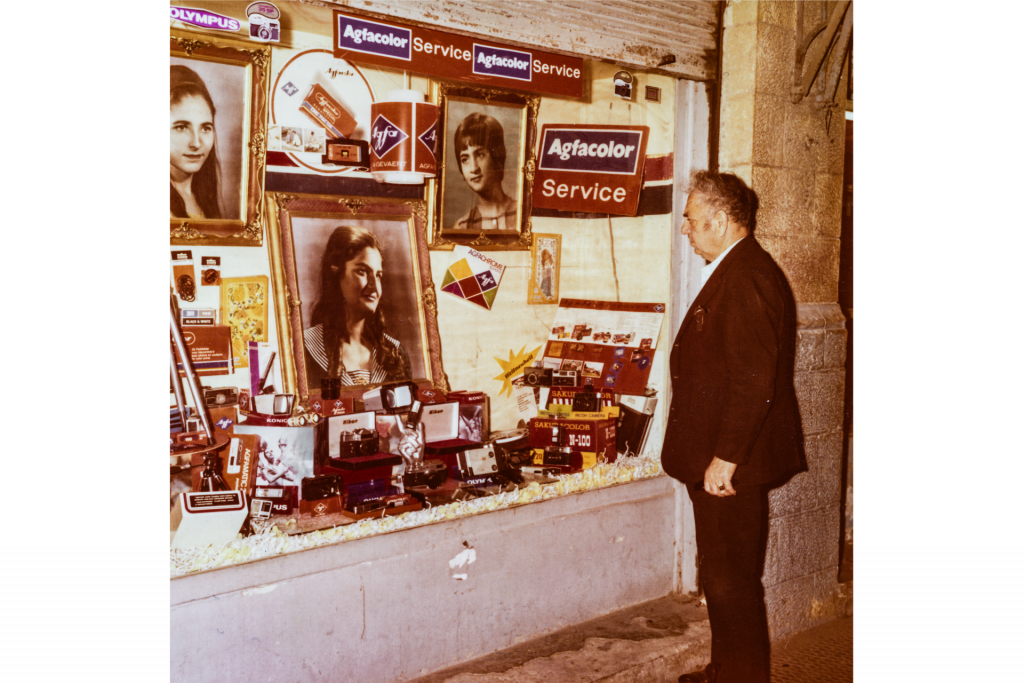
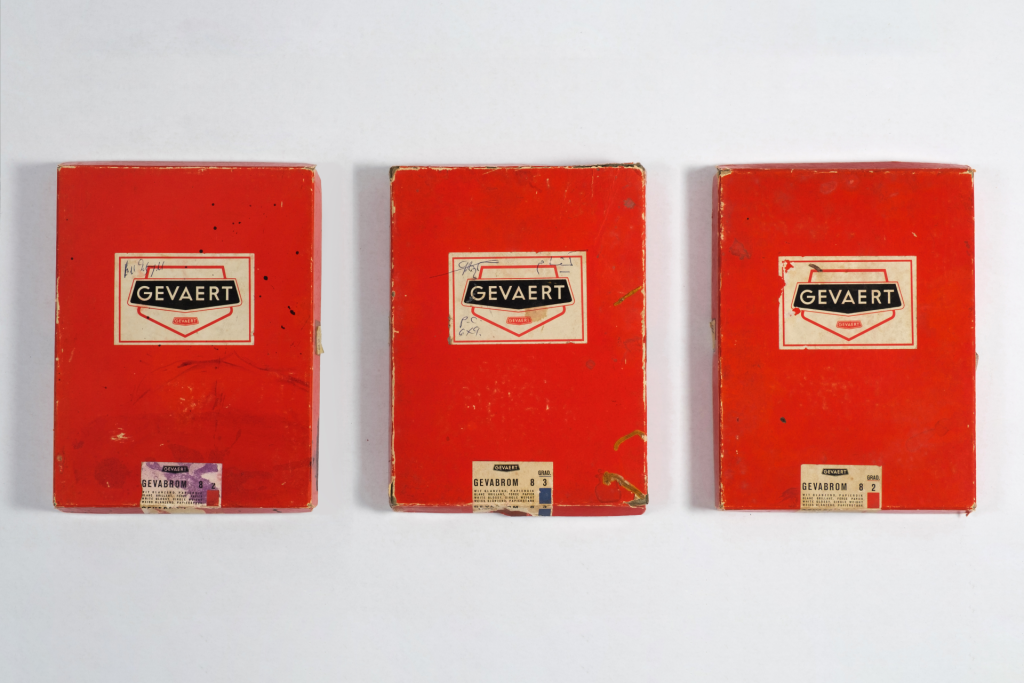
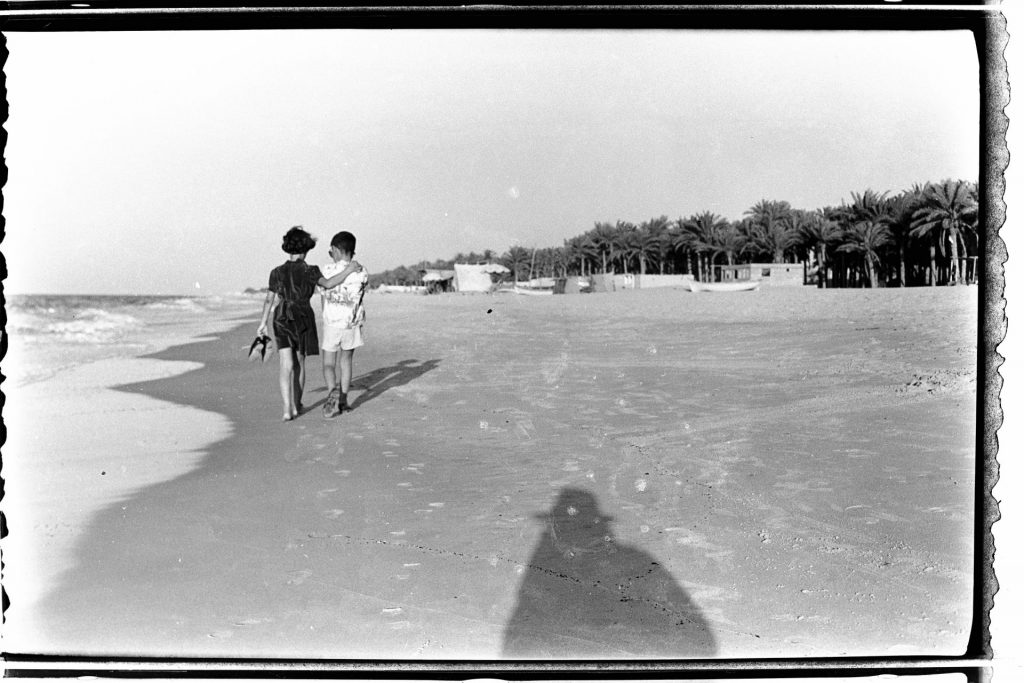
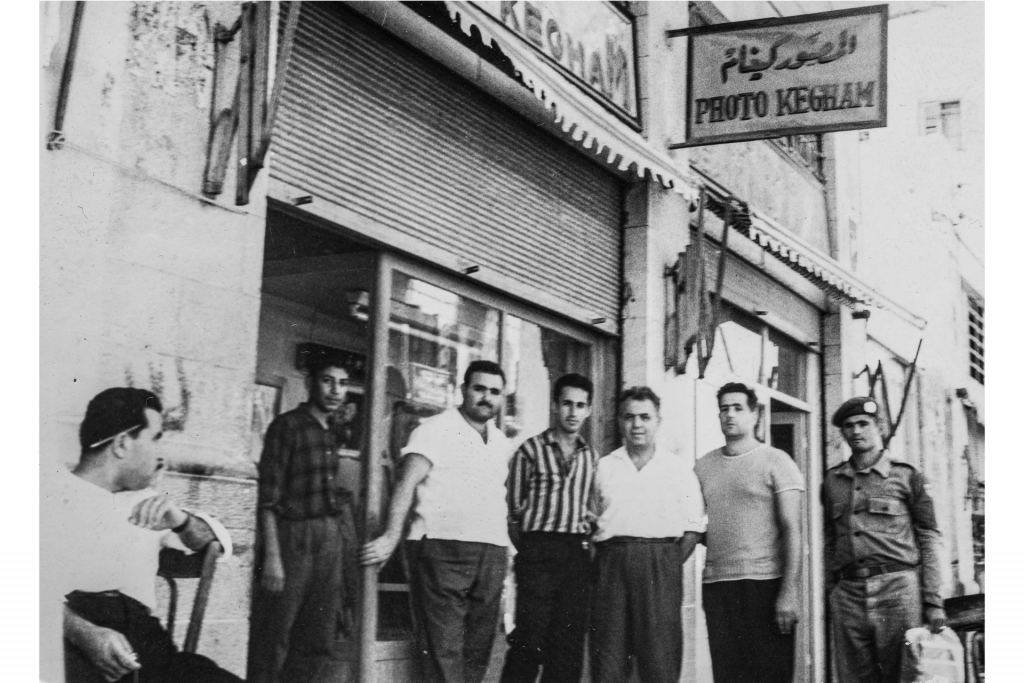
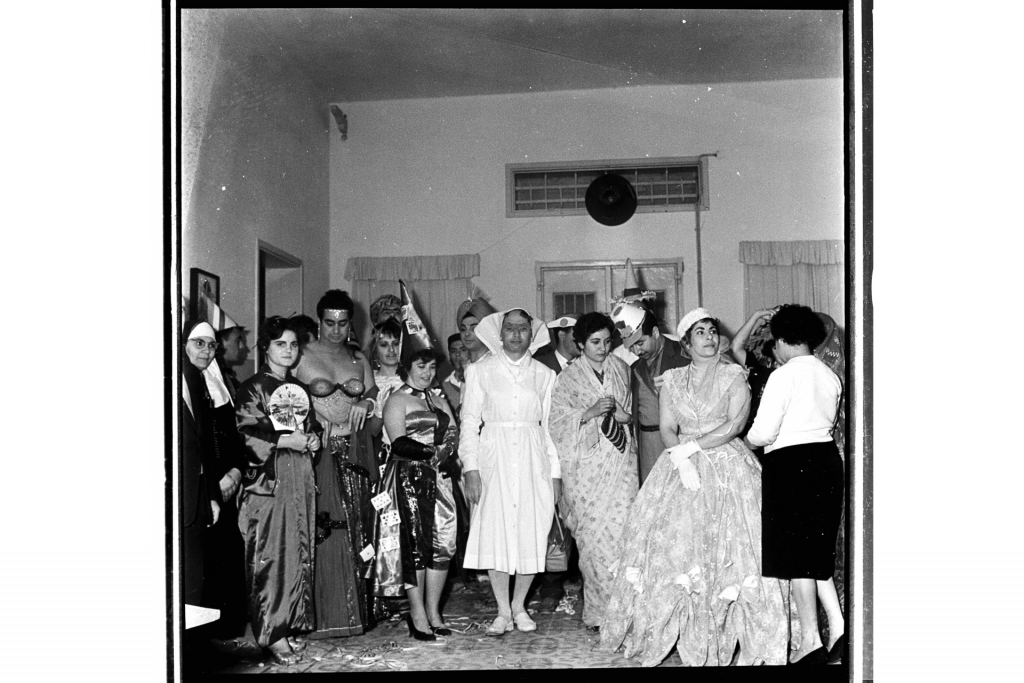
Kegham Djeghalian Sr was born in Anatolia in 1915, with his family shortly forced to flee due to the outbreak of the Armenian genocide. They first moved to Syria, later settling in British Mandate Palestine, where in 1944 he established Photo Kegham, the first commercial photography studio in Gaza. The studio documented Palestinian daily life despite the often violent upheaval that was taking place during this time, most notably marked by the creation of the State of Israel in 1948.
Much of the archive of Photo Kegham has been tragically lost. However, three boxes of photographs remain, now in the possession of Kegham Djeghalian Jr, the grandson of the studio’s original founder. The exhibition presents the images and materials that remain, focusing on the story of Djeghalian Sr, as well as the visual history of Gaza itself. For Djeghalian Jr, the project is a way of connecting with the history of a place to which he cannot physically return, while also disrupting the dominant narratives that surround Gaza.
Biography
Kegham Djeghalian Jr is a Cairo- and Paris-based Palestinian-Armenian visual artist, creative director and fashion practitioner, whose work lies at the intersection of photography, image, the archive and fashion practices. His artistic pieces and interventions have been exhibited and presented internationally at institutions such as the Centre Pompidou, Paris, and The Photographers’ Gallery, London, and they have been published by Afterall Books, Central Saint Martins (UAL), London. He is a professor of Fashion Practices and Visual Culture at the German International University, where he is also the artistic director of the Fashion Design Department.
Djeghalian is working on a multifaceted long-term project activating the endangered archive of his grandfather, Kegham Djeghalian Sr (1915–1981), the founder of Gaza’s first commercial photography studio. Djeghalian Sr is known as the most prominent photographer of mid-twentieth-century Gaza, as he documented the city through its transitions as well as its people.
Supported by:

In collaboration with: